Skip to content
Part 1: Market Size and Growth
Poland has a long history of glass production, and this heritage continues in modern industry. Glassware manufacturing in Poland plays a key role in the European supply chain because it blends old‑world craft with modern production methods. Many companies keep local traditions alive while serving a global market.
The Polish glass market has grown steadily in recent years as demand rises for quality household and decorative glassware. Consumers across Europe and beyond seek products that combine design, durability, and competitive pricing, and producers in Poland have responded with diversified offerings. This growth shows the country can balance domestic needs with export demands and niche segments like custom and designer pieces.
Policies and investment from both the Polish government and the European Union support manufacturing and innovation in glassmaking. Funds targeted at modernization have helped smaller workshops adopt newer tools while maintaining artisanal skills. Regional clusters form around cities with historical glass roots, creating local ecosystems of skilled workers, supply networks, and trade events that further push the industry forward.
Part 2: Leading Companies
KROSNO Glass S.A.
KROSNO Glass S.A. is one of Poland’s most recognized glassware manufacturers, tracing its roots to a historic glassmaking tradition. The company was established in a region known for quality glass craftsmanship, and over time it has become a leading exporter of tableware and decorative glass across Europe and beyond. Its presence in both contemporary home settings and gift markets makes it a strong player in the industry.
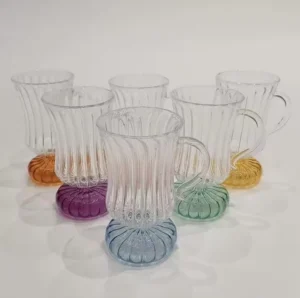
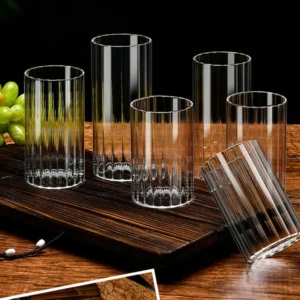
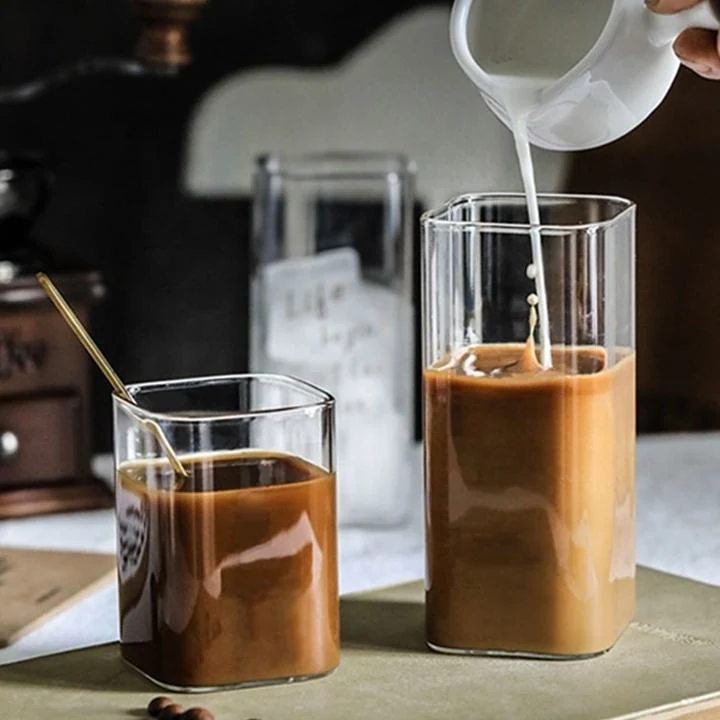
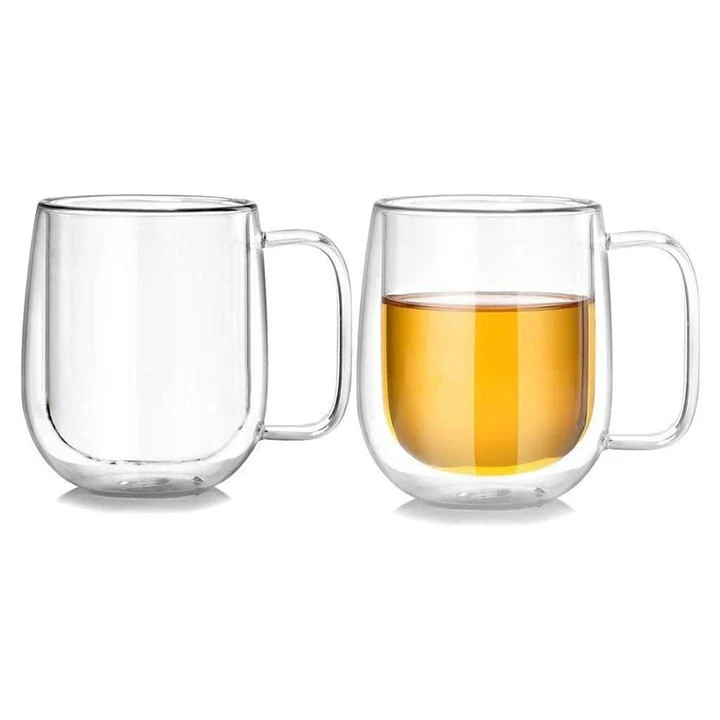
The company produces a wide range of products that include drinking glasses, decanters, vases, and designer pieces. Its portfolio blends traditional designs with modern trends, often collaborating with designers to refresh its range. Customers appreciate KROSNO for its balance of style, affordability, and reliable quality that suits both everyday use and special occasions.
KROSNO serves various industries, including hospitality, retail, and private labeling for global brands. Its products are popular in restaurants and hotels that require durable yet stylish glassware. Beyond commercial use, KROSNO’s decorative pieces are valued in interior design and gifting sectors.
One of KROSNO’s distinct strengths is its technical innovation in glass production and finishing. The company invests in machinery that helps ensure consistent thickness and optical clarity, making glasses that feel balanced in hand. Its ability to mix automated precision with artisanal touches helps it compete with larger European counterparts while preserving a unique identity.
KROSNO has received numerous quality certifications and recognition for design excellence. It participates in European quality programs that ensure products meet safety and durability standards for food contact. These honors underline the brand’s commitment to both aesthetic appeal and practical performance in everyday use.
Huta Julia Glassworks

Huta Julia Glassworks represents another pillar of the Polish glass segment with a strong presence in both industrial and consumer markets. Founded in the 19th century, this company carries deep historical roots and stands as a testament to the long glassmaking legacy of Poland. It has grown from a regional workshop into a flexible manufacturer with varied capabilities.
The product line at Huta Julia includes industrial glass products, such as components for lighting, pharmaceutical containers, and scientific glassware. On the consumer side, it offers decorative items, ornamental vases, and specialty tableware that appeals to boutique stores and designers. Its strength lies in its ability to serve niche markets with tailored glass solutions that many larger factories overlook.
Huta Julia serves sectors such as industrial manufacturing, research labs, and specialty retail. It supports custom orders for businesses that need complex or specialized shapes, such as blown glass parts for technical applications. This focus on bespoke services has helped it build long‑term partnerships with B2B clients in Europe and beyond.
In innovation, the company emphasizes custom design and precision glass shaping. It has developed proprietary techniques for handling complex forms that require high tolerance and optical quality. This expertise makes Huta Julia a go‑to manufacturer when standard designs won’t meet technical or aesthetic expectations.
While the company operates in niche markets, it also holds important certifications that reflect industrial standards in quality control and material safety. These certifications enable it to supply pharmaceutical and scientific communities where compliance is critical. The blend of artisanal skill and structured quality systems positions Huta Julia as a respected name in specialized glass sectors.
Ząbkowice Glassworks
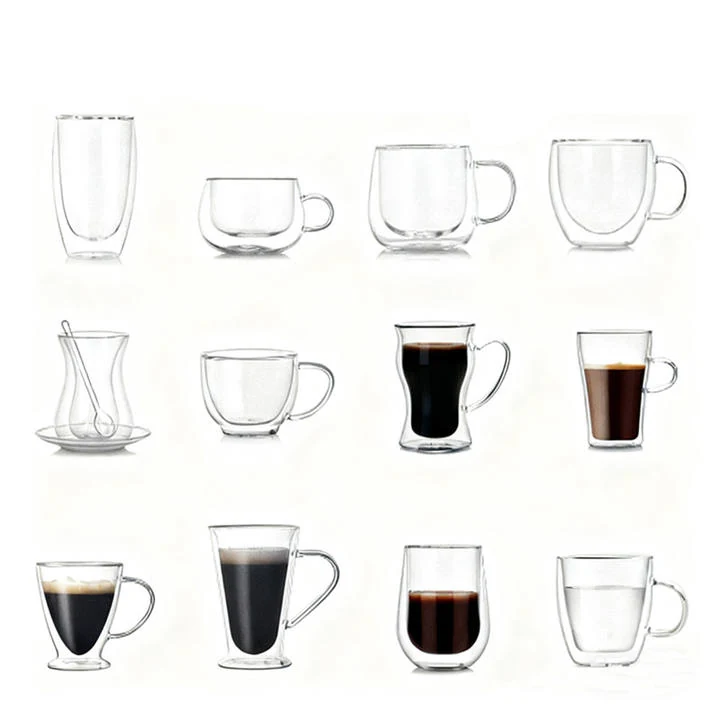
Ząbkowice Glassworks is a historic Polish glassmaker deeply embedded in tradition yet actively navigating modern demands. It began operations in the early 20th century and has since grown into a brand known for its colorful and artistic glass pieces. Its portfolio showcases creativity, making it attractive to both collectors and commercial buyers.
The company’s offerings range from artistic glass sculptures and decorative bowls to functional tableware. Many pieces reflect a blend of classic European glass styles with contemporary artistic influences. Such products often appear in galleries, design showcases, and curated retail spaces that seek character‑driven items.
Ząbkowice serves the decorative and lifestyle sectors, working with interior designers and galleries, as well as retail outlets that focus on premium home accessories. It also supports custom studio work where artists and designers require unique glass elements for projects. This versatility gives the brand a strong presence in creative markets.
The glassworks emphasizes artistic innovation, maintaining workshops where designers and glassblowers collaborate to push creative boundaries. The result is a catalog of pieces that feel both handcrafted and thoughtfully designed. This focus on design excellence has helped Ząbkowice win design awards and recognition in artistic communities.
In terms of compliance and honors, the company adheres to European safety standards for glassware. Its products often achieve accolades at regional craft fairs and design competitions. These achievements highlight the brand’s reputation for blending beauty with quality that meets practical use.
Company Comparison Table
| Company | Founded | Core Products | Industries | Certifications |
|---|---|---|---|---|
| KROSNO Glass S.A. | Early 20th century | Tableware, drinking glasses, decanters | Hospitality, retail, gifting | European quality & design awards |
| Huta Julia Glassworks | 19th century | Industrial glass, specialty pieces | Industrial, scientific, retail | Industrial and safety standards |
| Ząbkowice Glassworks | Early 1900s | Artistic decorative pieces, tableware | Decorative, design, retail | EU safety & craft honors |
Part 3: Trade Shows and Industry Events
Warsaw Glass Expo
Warsaw Glass Expo is an annual event that brings together manufacturers, designers, and buyers from across Europe and beyond. It features booths from leading glassware brands and workshops where attendees can see live demonstrations of glassblowing and modern finishing techniques. The event encourages learning and networking, helping smaller producers connect with international markets and potential partners.
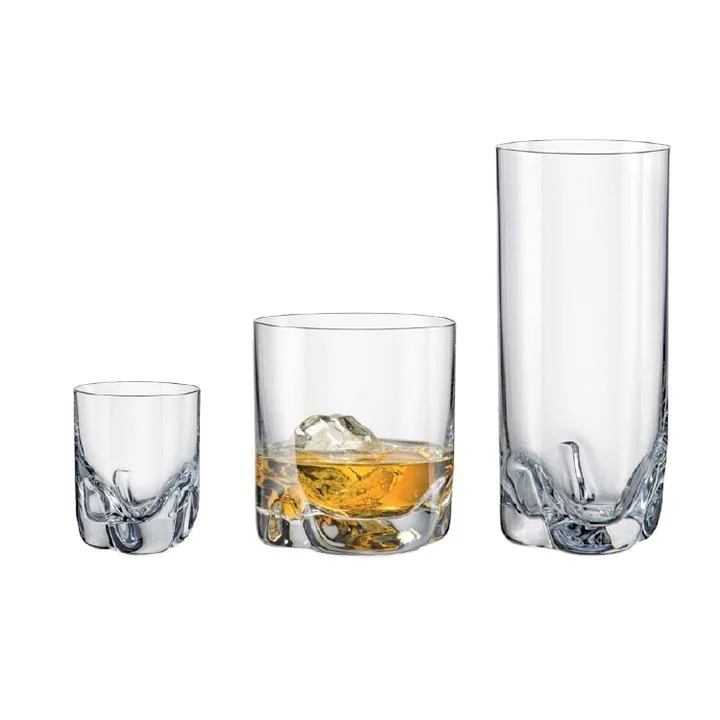
The expo takes place each spring in Warsaw, the capital city known for its vibrant business community. Thousands of visitors attend over multiple days, including buyers from retail chains, hospitality suppliers, and design studios. Exhibitors showcase new collections, and many secure orders on the spot, while buyers enjoy curated tours and product previews.
Highlights of the event include panel talks on trends in glass design, workshops on sustainability in materials, and networking sessions that foster direct connections between producers and buyers. This blend of learning and commerce makes Warsaw Glass Expo a must‑attend event for anyone serious about the glassware industry. The expo also offers awards for standout products, increasing visibility for innovative designs.
Krakow Design & Glass Fair
Krakow Design & Glass Fair blends modern design with traditional craftsmanship in a showcase that attracts creative professionals and consumers. Set in the historic city of Krakow, this fair highlights artisanal glassware with a focus on contemporary aesthetics and innovative uses of glass materials. Attendees range from interior designers to boutique shop owners looking for standout pieces that tell a story.

The event typically happens in early autumn and draws a dedicated crowd of design enthusiasts. Exhibitors include a mix of established brands, independent artists, and young designers exploring new forms and styles in glass. The fair emphasizes artistic expression, and many pieces displayed are limited editions or unique one‑offs that appeal to collectors.
Highlights include live artistic demos, curated exhibitions on design themes, and talks about the intersection of craft and modern design technology. This fair encourages creative dialogue between makers and buyers and often influences design direction in the coming season. Many attendees plan purchases and collaborations based on connections made at the event.
Trade Show Summary Table
| Event | Date | Location | Highlights |
|---|---|---|---|
| Warsaw Glass Expo | Spring annually | Warsaw | Live demos, design talks, networking, product awards |
| Krakow Design & Glass Fair | Early autumn annually | Krakow | Artisan focus, design showcases, creative workshops |
Part 4: Impact of Global Trade Policies
Global trade policies shape how Polish glassware competes internationally because tariffs and standards affect both cost and accessibility. When trade agreements lower barriers, Polish producers can export more easily to markets like the EU and North America, expanding their reach. Conversely, tightening regulations or tariffs can slow down exports and force companies to adapt pricing or find new markets.
Policies related to sustainability and environmental standards also influence the industry. European policies that emphasize energy efficiency and emissions reduction push glassmakers to invest in cleaner technologies. This investment can increase operational costs in the short term but helps companies meet buyer demands for sustainable products. In some cases, compliance with global standards becomes a competitive advantage.
Supply chain dynamics have become a focus as well. Global disruptions such as shipping delays and material shortages impact how Polish manufacturers plan production and exports. Companies that diversify suppliers and build resilient logistics networks tend to navigate disruptions more successfully than those relying on a narrow set of sources. This shift pushes manufacturers to rethink supply chain strategies as part of long‑term growth planning.
International competition also shapes strategy in the Polish glass sector. Producers compete with counterparts in countries like Italy, Germany, and Czech Republic, where design heritage and technological investment are strong. To stay competitive, Polish manufacturers emphasize quality, customization, and pricing balance. Some focus on niche segments or artisanal craft to distinguish themselves from mass producers.
Ultimately, global policies create both challenges and opportunities. Manufacturers that stay informed about trade agreements and adapt to changing market conditions can seize new export possibilities. Those that align with international standards and innovate strategically position themselves for sustained growth.
Part 5: Conclusion
The glassware industry in Poland shows a mix of tradition and forward‑looking growth. Established brands and historic glassworks continue to drive export success while new design trends highlight creative potential. Manufacturers that embrace both artisanal heritage and modern methods can tap into global demand with offerings that appeal in quality and design.
Market opportunities lie in expanding export reach, deepening relationships with design communities, and leveraging trade events to build brand presence. Poland’s location within the EU provides logistical advantages that help local producers access diverse markets with competitive shipping and regulatory alignment. Investment in sustainability and supply chain resilience further strengthens industry prospects.
Challenges remain in navigating global competition, meeting varied regulatory environments, and managing the costs associated with modernization. Manufacturers must balance price competitiveness with quality and innovation to maintain relevance across markets. With the right strategy and focus on both craftsmanship and market trends, Polish glassware makers can continue to grow and shape the international glass landscape.