
Part 1: Market Size and Growth
Sweden has a long history of glassmaking that goes back hundreds of years. Glassware in Sweden started as small artisan shops and later grew into large studios known around the world. The market has changed over time, but interest in Scandinavian design keeps it strong today as people still value clean lines and functional objects.

The glassware market in Sweden covers many types of products. These include everyday drinking glasses, decorative pieces, and luxury items. Swedish glassware is used in homes, restaurants, hotels, and galleries around the world, making it a niche but stable segment in the global market.
Policies and investments affect how the industry grows over time. Sweden supports creative industries through arts funding and business programs. These efforts help smaller producers compete on the global stage and maintain Sweden’s reputation for design excellence while also attracting interest from international buyers.
Part 2: Leading Companies
Orrefors
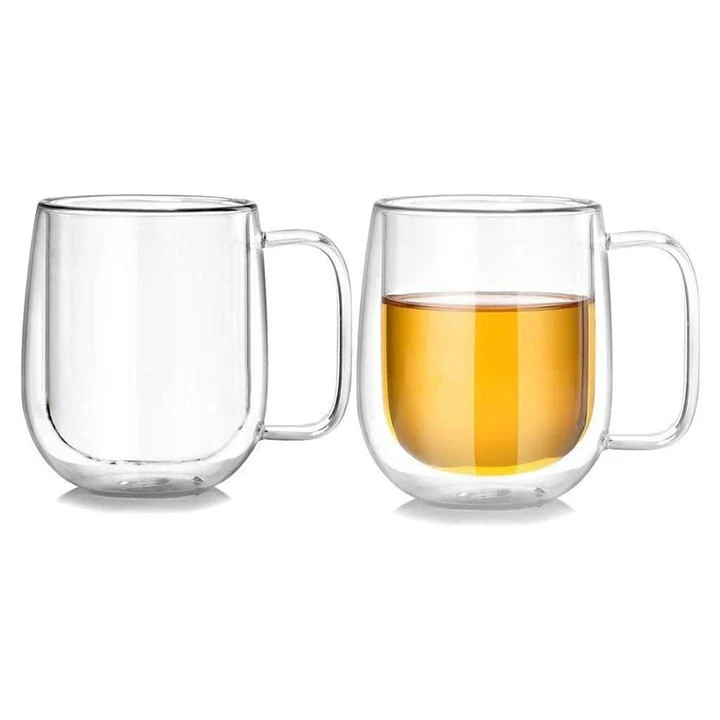
Orrefors is one of the most famous Swedish glassware companies, with roots going back to the late 1800s. It started as a small glassworks and later became known for high-quality crystal and artistic pieces. The company blends traditional craftsmanship with modern design, making it a landmark name in Swedish glassware.
Its products span drinkware, vases, bowls, and art glass that appeal to collectors and everyday users alike. Orrefors collaborates with designers to keep its lines fresh while staying true to its heritage. The company is often featured in design exhibitions and has a loyal following among those who value well-made, beautiful glass items.
Orrefors’ main markets include home decor, hospitality, and gifting. It shines in high-end retail stores and art-focused outlets. The brand is especially known in Scandinavia, North America, and parts of Asia due to its blend of simplicity and elegance.
The company’s technical strengths come from its mastery of crystal clarity and cutting techniques. It uses both machine-made and hand-finished processes, giving it flexibility. This helps Orrefors offer products that are both affordable and collectible. The brand has been recognized by design awards and exhibitions, boosting its prestige over the years.
Kosta Boda
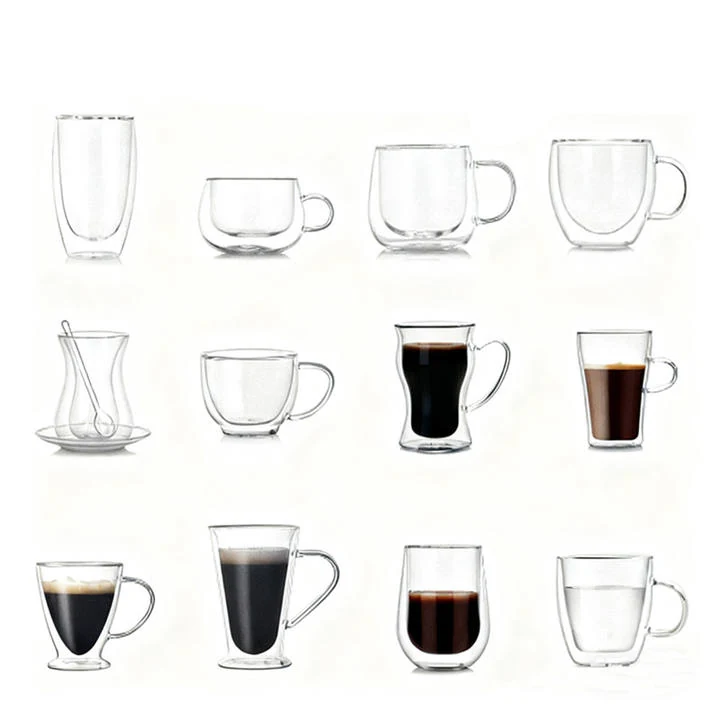
Kosta Boda is another major Swedish glassmaker with a rich story. It began in the mid-1700s and became known for both functional items and bold artistic pieces. Kosta Boda embraces creativity, often using striking colors and unique shapes in its glasswork.
Products from Kosta Boda include vases, bowls, glass art, and designer drinkware. Artists often work with the brand to produce limited editions and collector pieces. This makes Kosta Boda popular with people who love artistic glassware as well as functional objects.
Kosta Boda serves customers in Scandinavian countries and beyond. Its products are found in galleries, design stores, and luxury shops. The brand’s reputation for quality and creativity helps it stand out in the crowded glassware market.
The company is known for combining new design ideas with expert glass blowing and finishing. It often experiments with color gradients and sculptural forms. Innovation through artistic collaboration gives Kosta Boda a unique position in the industry. The brand has won recognition at design fairs and from critics who praise its creative approach.
Reijmyre Glassworks

Reijmyre Glassworks is one of the oldest continuously operating glass producers in Sweden. It was founded in the early 1800s and has kept traditional methods alive. The company makes many classic glass products with a focus on craftsmanship and heritage.
Reijmyre offers tumblers, decanters, and simple but elegant glassware that works in everyday settings. It also produces custom glass items for special orders. The brand values clear glass and timeless shapes, making its products appealing to those who prefer understated design.
Reijmyre serves markets at home and abroad, especially where Scandinavian design is appreciated. The company often works with architects and designers on specific projects. Its deep history and steady output make it a respected name among collectors and designers alike.
The glassworks has maintained traditional production techniques such as hand-blowing and careful annealing. These methods ensure quality and give the glass character. Reijmyre has been featured at cultural events that highlight craftsmanship, earning recognition for preserving historic glassmaking arts.
COMPANY COMPARISON
| Company | Founded | Core Products | Industries | Certifications |
|---|---|---|---|---|
| Orrefors | Late 1800s | Crystal drinkware, art glass | Home, hospitality | Design awards, exhibitions |
| Kosta Boda | Mid-1700s | Art glass, vases, bowls | Retail, galleries | Art fair recognitions |
| Reijmyre | Early 1800s | Everyday glassware | Home, design | Heritage craftsmanship |
Part 3: Trade Shows and Industry Events
Stockholm Design Week
Stockholm Design Week is a major annual event in Sweden that celebrates design across many fields. This event brings together designers, brands, and buyers from around the world. The glassware sector often has a strong presence, with Swedish makers showing new collections and custom pieces.
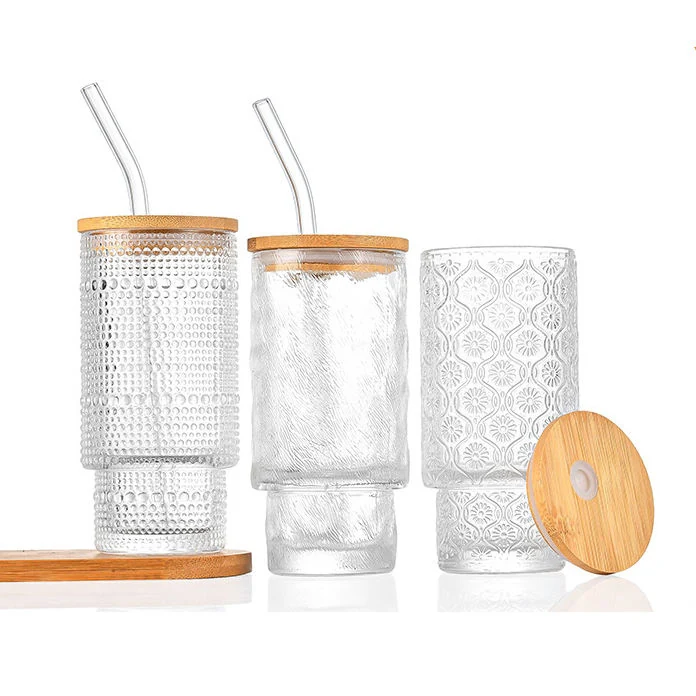
The event usually takes place in early February at various venues in Stockholm. It attracts thousands of visitors, including international buyers and design enthusiasts. Exhibitors use the week to meet partners, launch new products, and get press attention.
Highlights include pop-up shows, gallery exhibits, and panel talks. The event creates a space where craft and commerce meet. For glassware makers, it is a chance to showcase creativity and connect with global audiences. Stockholm Design Week acts as a stage where new trends and collaborations grow.
Formex Trade Fair
Formex is another key event for Nordic design, held in Stockholm twice a year. It focuses on home décor, gifts, and interior trends. Glassware makers use Formex to reach retailers and trend-focused buyers who want stylish and functional pieces.

This fair usually runs in January and August, bringing many brands and buyers together. Sweden’s glassware companies display everyday collections and standout designs. The event helps small and medium producers get exposure in the Scandinavian market and beyond.
There are trend reports, workshops, and feature areas that highlight new ideas in design. Retailers walk the halls looking for items that fit their stores. For glassware manufacturers, Formex is a practical trade show for business leads and trend insights.
EVENT SUMMARY
| Event | Date | Location | Highlights |
|---|---|---|---|
| Stockholm Design Week | Early February | Stockholm | Design exhibits, product showcases, talks |
| Formex | January & August | Stockholm | Home décor trends, retail buyer exposure |
Part 4: Impact of Global Trade Policies
Swedish glassware makers are affected by global trade policies like tariffs, export rules, and trade agreements. Some policies make it easier to sell in other countries, while others create barriers. Tariffs or export limits can raise costs and reduce competitiveness, especially for smaller producers.
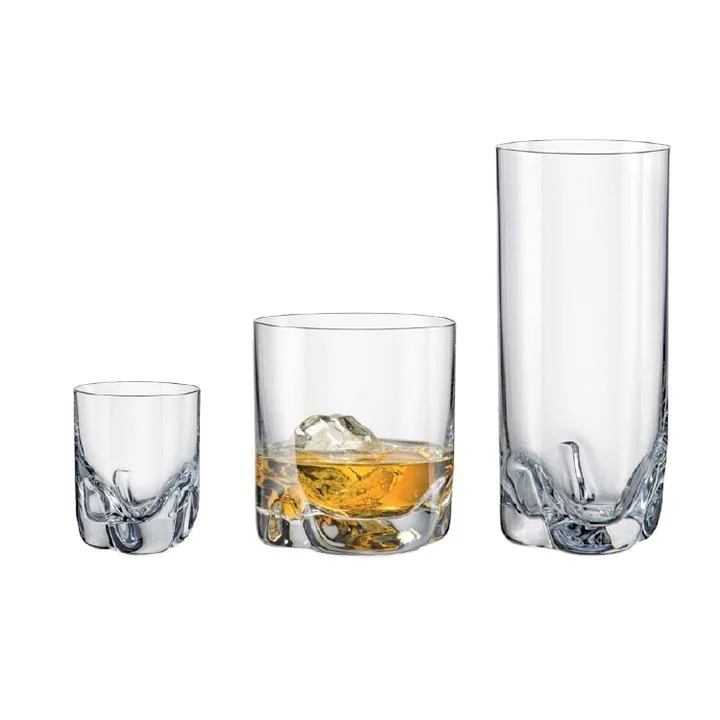
Trade agreements between the EU and other regions help Swedish companies enter markets in North America or Asia. Free trade deals can reduce taxes on exported glassware, making products more affordable abroad. This boosts sales and helps brands expand internationally. On the other hand, trade disputes or changing regulations can create uncertainty for producers.
Supply chains also matter. Many Swedish manufacturers source raw materials or tools from other countries. When policies change, material costs can rise. This can affect pricing and profit margins. For small glassmakers, sudden changes in trade rules can be challenging since they lack the scale to absorb extra costs.
Global economic shifts also impact demand. When consumers in key markets slow their spending, exports might fall. This forces Swedish producers to focus more on local or regional buyers. At the same time, supply chain risk pushes makers to balance imported supplies with local sourcing where possible.
International competition comes from countries with lower production costs, such as some Eastern European or Asian producers. These manufacturers can offer cheaper alternatives. Swedish brands must then emphasize design quality and tradition to stay competitive. Many succeed by positioning their products as premium or artistic, appealing to buyers who value Scandinavian style.
Since sustainability is a global concern, policies that encourage eco-friendly production affect glassware makers too. Swedish companies often adopt green practices. This can help them meet environmental standards in major markets. Sustainable credentials may open doors to buyers who prioritize ethical sourcing.
Part 5: Conclusion
Sweden’s glassware industry has a rich legacy and continues to thrive because of its strong design identity. There are opportunities for growth through international trade, creative collaborations, and events that highlight Scandinavian design. Manufacturers that combine tradition with innovation are well placed to serve global markets.
At the same time, the industry faces challenges. Trade barriers, rising material costs, and global competition test the resilience of producers, especially smaller ones. To succeed, Swedish glassware makers must balance heritage with modern business strategies while adapting to changing global conditions.