Skip to content

Part 1: Market Size and Growth
The glass and glass product manufacturing industry in Switzerland is a specialized sector with a strong focus on quality, precision, and innovation. Swiss glass manufacturers are known for producing technical glass, scientific apparatus, and crafted drinkware that meet high standards in both domestic and international markets. Compared with other European countries, Switzerland’s glass industry is moderately sized, but it ranks high in terms of craftsmanship and product uniqueness.

The Swiss glass market generates significant revenue, around €1.2 billion annually, and includes about 63 businesses that range from precision laboratory glass producers to artisanal makers of custom glassware. Over the past few years, the industry has seen modest growth with increasing interest in bespoke and eco‑friendly glass products. While growth is slower compared to other sectors, demand for specialized glasswork continues to expand in fields such as pharmaceuticals, research labs, and design‑driven homeware.
Swiss glass producers benefit from the country’s reputation for quality and precision engineering. Strict environmental and safety regulations encourage manufacturers to adopt advanced production methods that reduce waste and energy use. This emphasis on sustainable operations helps Swiss glass companies remain competitive in markets where long‑term reliability and product safety matter most.
Part 2: Leading Companies
Vetropack Holding AG

Vetropack Holding AG is one of Switzerland’s most prominent glass manufacturers, with roots dating back to 1911. The company has established a strong presence in producing glass packaging solutions for food and beverage clients across Europe. With its headquarters in Bülach, Vetropack focuses on high‑quality bottle production, combining Swiss precision with innovative manufacturing techniques.
Vetropack produces around 2,500 shapes of glass packaging products, from lightweight beverage bottles to specialized containers designed for European markets. Their products are favored by producers who want glass packaging with consistent quality and strong environmental credentials. The company uses sustainable practices that emphasize energy efficiency and recycled materials.
The company’s core industries include food and beverage, spirits, and packaging for consumer goods. Vetropack’s approach to design and production highlights sustainability, lightweight glass solutions, and strong aesthetic appeal. Sustainability certifications and industry recognition support Vetropack’s reputation as a responsible and reliable glass producer.
GlasKeller Basel AG
GlasKeller Basel AG is a historic Swiss glass manufacturer that specializes in precision scientific glassware. The company has more than 100 years of experience and is based in Basel, serving pharmaceutical and chemical industries with tailored glass solutions. GlasKeller’s work includes providing custom glass apparatus, components, and laboratory systems to demanding technical environments.
GlasKeller’s product range includes high‑quality borosilicate glassware designed to withstand chemical exposure and thermal stress. Their services range from one‑off custom pieces to medium‑scale production batches, meeting exact specifications for research or industrial use. This adaptability makes them a go‑to partner for companies requiring specialized glass engineering.
Serving mainly laboratories, chemical manufacturers, and research institutions, GlasKeller places emphasis on Swiss precision and reliability. The company continuously updates manufacturing processes to ensure consistent production quality and compliance with industry standards. GlasKeller holds quality and reliability at the center of its mission, earning trust from technical sectors across Switzerland and beyond.
Grassl Glass

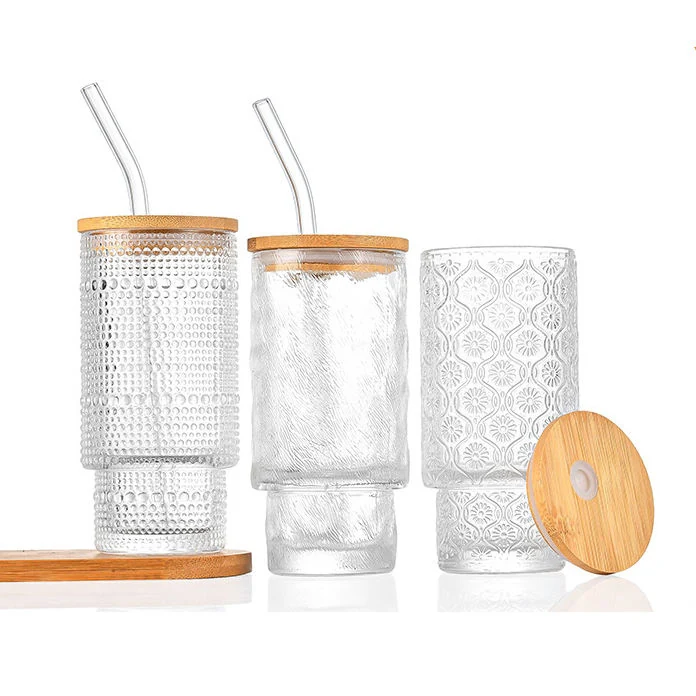
Grassl Glass is a smaller Swiss glassmaker known for its artisanal and functional glassware, often centered around wine and drinking experiences. The company combines traditional glassblowing techniques with modern design sensibilities, focusing on handcrafted pieces with high functional value. Their headquarters in Lachen reflect a commitment to Swiss quality and craftsmanship, appealing to enthusiasts of fine glass products.
The product line includes carefully shaped wine glasses and drinkware that aim to enhance the sensory experience of wine tasting. These products often reflect collaboration with winemakers and designers to ensure both form and function meet high standards. Grassl Glass promotes local glass culture through both design and technique.
Grassl serves industries such as hospitality, wine and beverage, and luxury home goods. The company’s work is recognized for its elegant simplicity and focus on the essentials of drinking pleasure, making it a favorite among boutique restaurants and design‑oriented venues.
| Company | Founded | Core Products | Industries | Certifications |
|---|---|---|---|---|
| Vetropack Holding AG | 1911 | Glass packaging (bottles, containers) | Food & Beverage, Spirits | Sustainability credentials |
| GlasKeller Basel AG | 1919+ | Scientific glassware, lab apparatus | Pharma, Chemical, Research | Quality/precision standards |
| Grassl Glass | — | Handcrafted drinkware | Hospitality, Wine, Design | Artisan quality recognition |
Part 3: Trade Shows and Industry Events
Swiss Glass Innovation Expo
The Swiss Glass Innovation Expo is a leading event focused on advancements in glass technology and design. Held annually in Zurich, this expo gathers industry experts, manufacturers, designers, and researchers to share trends and innovations. It creates a platform for showcasing new techniques in glass manufacturing, sustainable materials, and design concepts.
Participants include established Swiss manufacturers and international exhibitors who present cutting‑edge products and production tools. Key highlights often include live demonstrations of glassblowing, discussions on eco‑friendly processes, and showcases of technical glass applications. The event also features panels on research developments in glass strength and thermal performance.
Basel Technical Glass Symposium
The Basel Technical Glass Symposium is an annual gathering of engineers, scientists, and glass manufacturers with a technical focus. This event brings together professionals from pharmaceutical, chemical, and laboratory equipment sectors to discuss precision glass solutions and innovations. Held in Basel, it benefits from the city’s strong ties to science and research industries.
The symposium highlights emerging trends in scientific glass apparatus and advanced manufacturing methods. Sessions often cover topics like borosilicate glass optimization, waste reduction technologies, and custom glass solutions for research labs. Attendees can engage with product demonstrations and educational workshops.
| Event | Date | Location | Highlights |
|---|---|---|---|
| Swiss Glass Innovation Expo | 2026 (TBD) | Zurich | Innovation showcases, live demos, sustainability |
| Basel Technical Glass Symposium | 2026 (TBD) | Basel | Scientific glass trends, technical workshops |
Part 4: Impact of Global Trade Policies
Global trade policies impact the Swiss glassware sector by influencing access to markets and cost structures. Switzerland’s agreements with the EU and other partners facilitate exports of high‑quality glass products, but strict standards also require compliance with environmental and safety norms. These regulations shape how Swiss manufacturers design and produce their goods.
The industry also faces challenges from international competition and imported glass products, which can offer lower prices but may not match Swiss quality. To stay competitive, Swiss glass companies emphasize value through precision, sustainability, and customization. Fluctuations in raw material costs and energy prices further affect production economics, pushing manufacturers to innovate and optimize operations.
Local production remains attractive due to Switzerland’s reputation for excellence and strategic location within Europe. The ability to offer bespoke solutions and rapid custom production gives Swiss glass makers an edge in niche markets. Companies that can balance cost, quality, and innovation will likely lead the industry forward.
Part 5: Conclusion
The Swiss glassware industry holds strong potential due to its reputation for precision and high‑quality products. Opportunities lie in niche markets such as scientific glassware, bespoke drinkware, and sustainable packaging solutions. With ongoing innovation and participation in key trade events, Swiss manufacturers are well‑positioned to maintain their reputation and expand globally.
Despite these strengths, challenges remain in the form of international competition and cost pressures. Manufacturers must continue adapting to evolving standards and market demands to succeed. By focusing on sustainability, craftsmanship, and targeted export strategies, the Swiss glassware sector can continue to thrive and attract global demand.