Skip to content

Part 1: Market Size and Growth
The glassware industry in Syria has a long history that connects closely with daily life, food culture, and traditional crafts. Glass cups, tea glasses, storage jars, and simple tableware are common items in homes and small businesses. Even during periods of economic pressure, glass remains a trusted material, valued for its safety, reuse, and familiarity across generations.

The overall market size is smaller than before, yet demand has not disappeared. Households, cafés, bakeries, and local food producers still rely on basic glassware for serving and packaging. Most demand is focused on essential products rather than decorative or luxury items, which shapes production toward simple forms and stable quality. Imports exist but face cost and logistics limits, making local production and regional sourcing important.
Policy conditions, energy access, and rebuilding efforts strongly influence growth. Manufacturing clusters around major cities support limited but steady output. When infrastructure improves and supply chains stabilize, glassware producers gain more room to expand capacity. Investment remains cautious, but gradual recovery supports consistent demand for everyday glass products.
Part 2: Leading Companies
Syrian Glass & Crystal Company

Syrian Glass & Crystal Company was established decades ago as part of the country’s traditional glass industry. Based near major urban centers, the company developed alongside domestic demand for household goods. Its background reflects a mix of industrial production and craft influence, which still shapes its product style.
The company produces drinking glasses, bowls, plates, and simple decorative items. Designs remain classic and practical, focusing on balance and thickness rather than complex patterns. These products are commonly sold through local wholesalers and markets.
Its main service industries include household retail, catering, and small hospitality businesses. Technical strengths include controlled cooling and forming processes that reduce breakage. The company has received local industrial approvals and recognition within traditional manufacturing circles.
Damascus Glass Industries
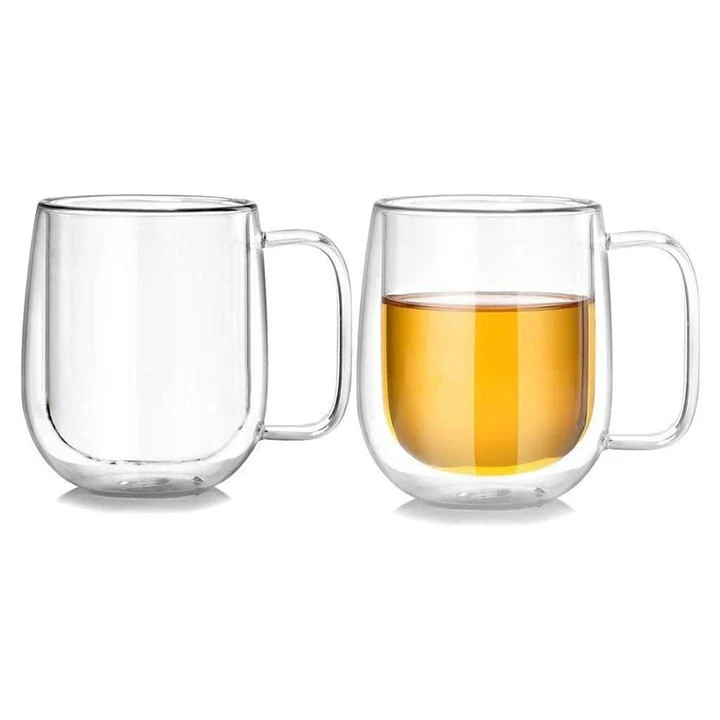
Damascus Glass Industries grew from small workshops into a semi-industrial producer serving local markets. Its location allows access to skilled labor familiar with traditional glass techniques. This blend of old skills and basic machinery supports stable output under limited conditions.
Product lines include tea glasses, water cups, jars, and simple storage containers. The focus is on daily-use items that match local habits. Production volumes are moderate, but consistency is valued by repeat buyers.
Key service sectors include local retailers, food vendors, and community businesses. Technical highlights include mold reuse and material efficiency. The company follows local quality standards required for food-contact glassware.
Aleppo Industrial Glass Works
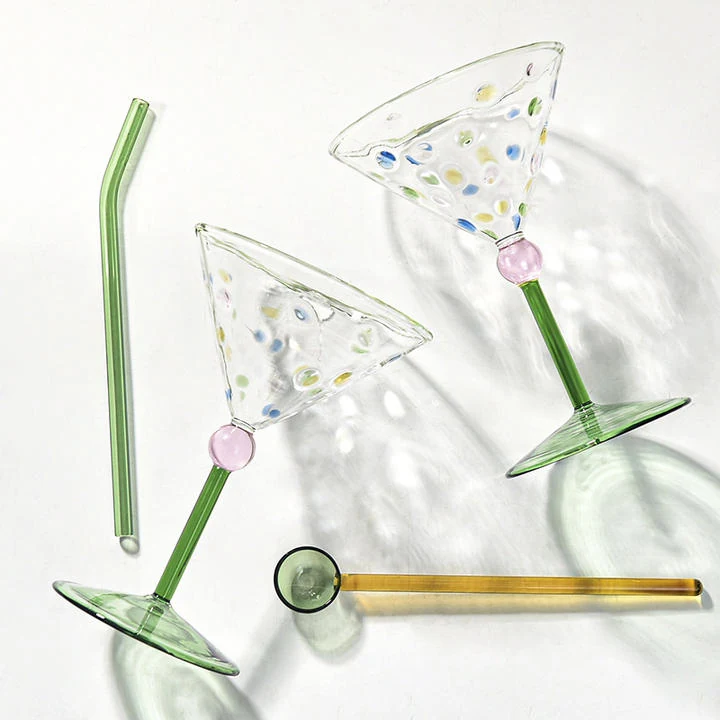
Aleppo Industrial Glass Works represents the industrial side of Syria’s historic glass tradition. The company rebuilt parts of its operations to serve domestic demand. Its role centers on supply continuity rather than design expansion.
Products include bottles, jars, and basic containers used by food and beverage producers. Standard shapes allow easier production and transport. These items help small brands package goods without relying fully on imports.
The main industries served are food processing, beverage bottling, and local distribution. Technical focus is placed on durability and basic quality control. The company has obtained local manufacturing compliance approvals.
| Company | Founded | Core Products | Industries | Certifications |
|---|---|---|---|---|
| Syrian Glass & Crystal Company | 1970s | Drinkware, tableware | Household, catering | Local industrial approval |
| Damascus Glass Industries | 1980s | Tea glasses, jars | Retail, food vendors | Local quality standards |
| Aleppo Industrial Glass Works | 1990s | Bottles, containers | Food & beverage | Manufacturing compliance |
Part 3: Trade Shows and Industry Events
The Damascus International Fair is one of the most important platforms for glassware and household goods producers in Syria. The event brings together manufacturers, traders, and distributors from various sectors. Glass companies use the fair to show production stability rather than new design trends.
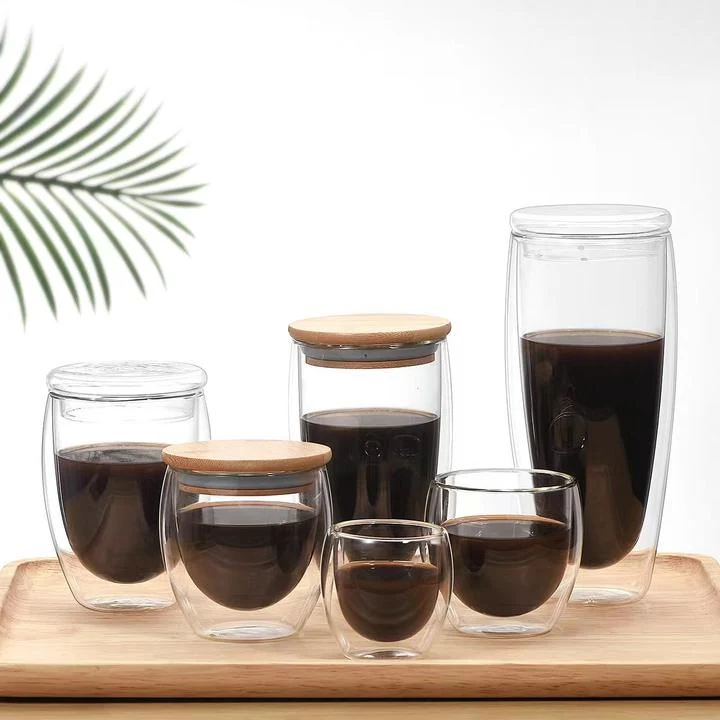
Held annually in Damascus, the fair attracts domestic businesses and selected regional participants. Attendance focuses on rebuilding trade relationships. Key highlights include product displays and direct buyer meetings.
Another relevant event is the Syria Build and Industry Expo, which covers construction materials, packaging, and light manufacturing. Glass producers participate to connect with suppliers and industrial partners. The event supports cross-sector cooperation and resource sharing.
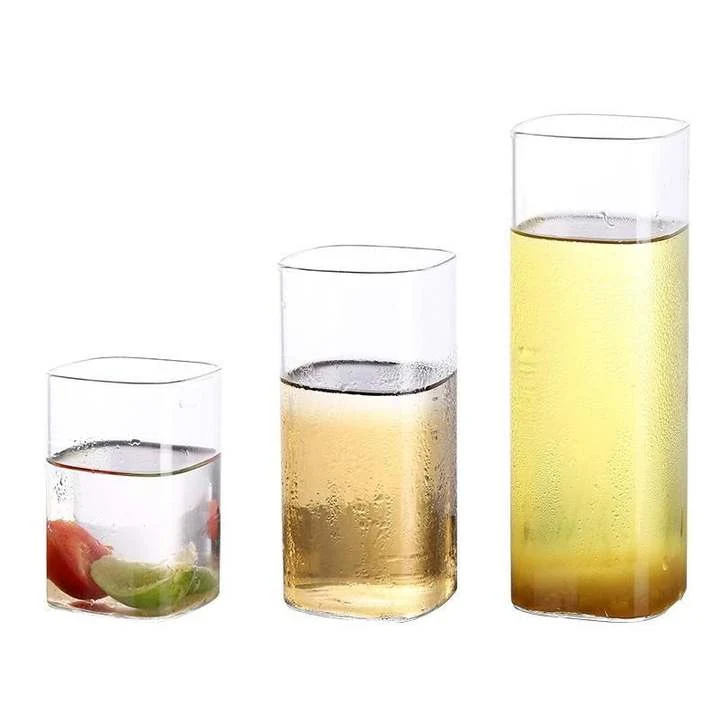
This expo takes place once a year in major cities and draws local manufacturers and service providers. Workshops and supplier exhibitions are central features.
| Event | Date | Location | Highlights |
|---|---|---|---|
| Damascus International Fair | Annual | Damascus | Trade recovery, product display |
| Syria Build & Industry Expo | Annual | Major cities | Industrial networking |
Part 4: Impact of Global Trade Policies
Global trade policies have a strong influence on Syria’s glassware industry due to restrictions and logistics challenges. Import limitations increase costs and delivery times for finished glass products. This pressure increases reliance on domestic production, even when capacity is limited.
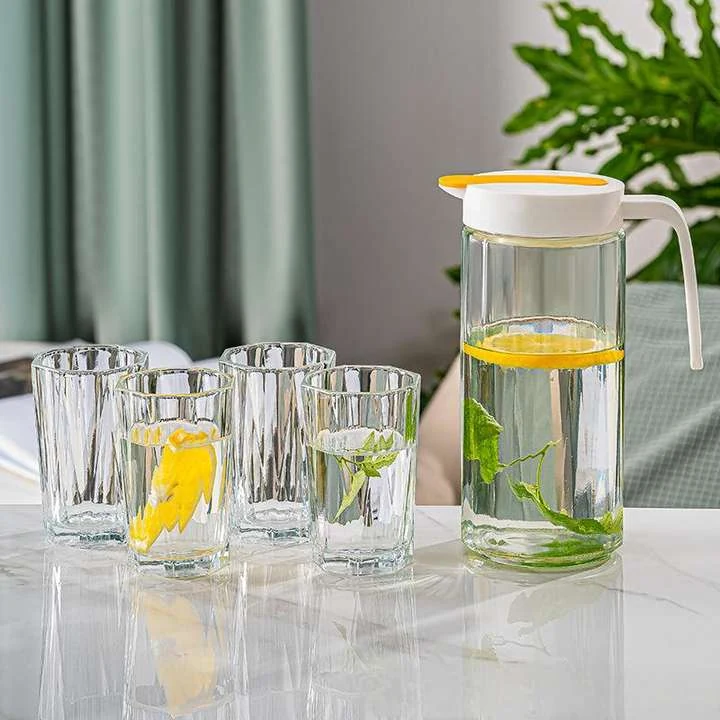
Local substitution helps cover basic needs, but supply chains face risks related to energy, raw materials, and transport. These factors limit scale and slow modernization. Manufacturers focus on essential items that can be produced with available resources.
International competition is present mainly through regional channels. At the same time, nearby markets offer potential demand if trade routes stabilize. Gradual easing of barriers could open small export opportunities, especially for basic containers and traditional glass items.
Part 5: Conclusion
The glassware manufacturing sector in Syria is shaped by tradition, necessity, and resilience. Local producers focus on everyday products that support households and small businesses. Stable domestic demand provides a foundation for slow and steady recovery.
Challenges remain linked to infrastructure, investment access, and trade limits. Design innovation and large-scale expansion are difficult in the short term. Still, the industry’s deep cultural roots and practical role keep it relevant as conditions continue to improve.