Skip to content
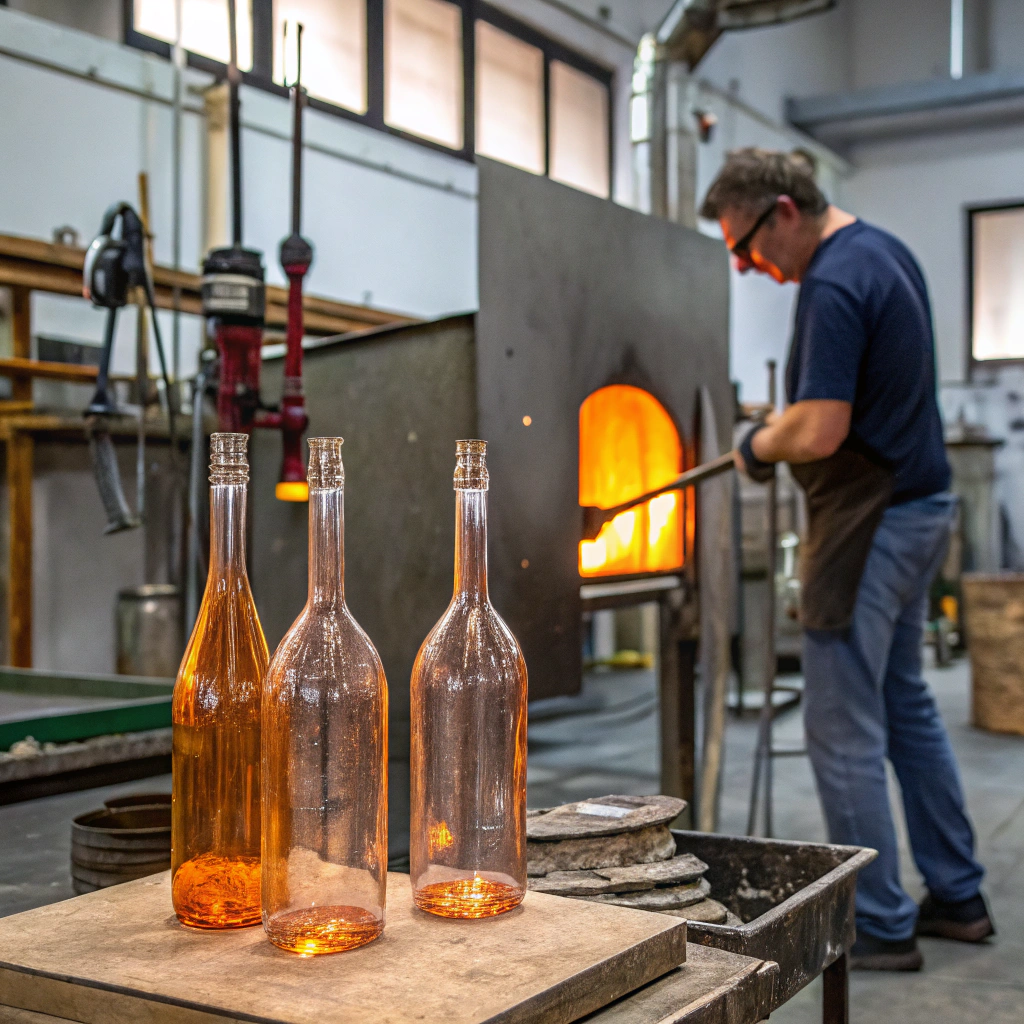
Ever wondered how something as fragile as glassware is made? From raw sand to elegant glass bottles, let’s explore this fascinating process that brings beauty and functionality into our homes.
Glassware is made by combining raw materials like silica sand, soda ash, and lime. These ingredients are melted at extremely high temperatures to create a molten liquid that is shaped into various forms, including bottles and decorative items.
The production of glass involves multiple steps that require precision and expertise. In this article, we will dive deeper into the steps involved in making glass, from melting sand to forming beautiful glassware.
How is Glass Made Step by Step?
Have you ever wondered what goes into making the glassware we use daily? Let’s break down the entire process step by step.
Glass is made by melting raw materials like silica sand, soda ash, and lime at high temperatures. Once melted, the mixture is shaped, cooled, and finished to create various glass products like bottles and jars.
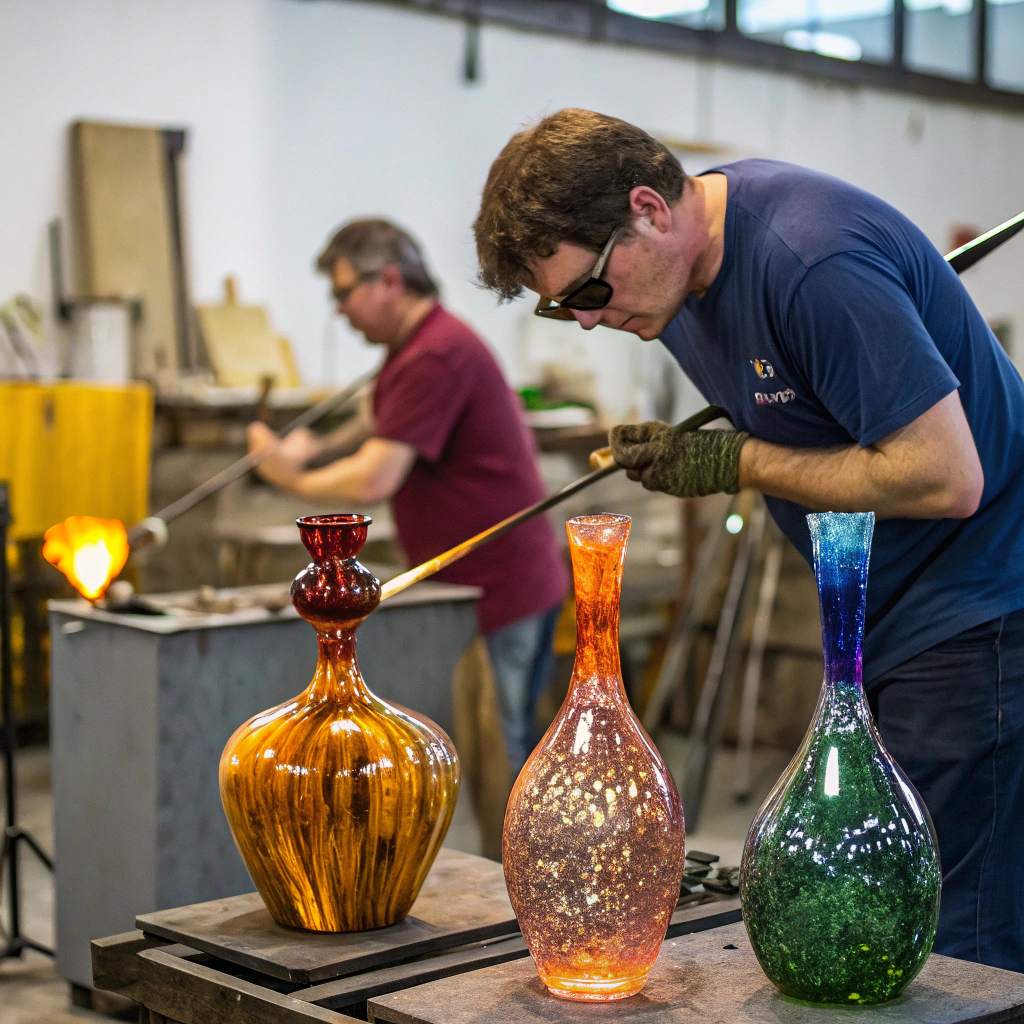
Making glass involves several key steps, each contributing to the final product’s quality. First, raw materials like silica sand, soda ash, and lime are carefully measured and mixed together. These ingredients are chosen for their specific properties that allow the formation of glass when heated.
- Silica Sand: The primary ingredient, providing the base structure of the glass.
- Soda Ash: Reduces the melting point of silica sand, making the glass easier to form.
- Lime: Adds stability and helps in making the glass durable.
Once mixed, the raw materials are placed into a furnace and heated to temperatures of 1700°C to 2000°C (3092°F to 3632°F). At these extreme temperatures, the materials melt and fuse into a molten liquid. This molten glass is then ready to be shaped into bottles, jars, or other items.
Shaping the Glass: After the raw materials melt into a liquid form, the glass can be shaped using a variety of techniques. One common method is glassblowing, where air is blown into the molten glass to form hollow shapes like bottles and ornaments. For more intricate shapes, molds are used to press the molten glass into the desired form. The glass can also be drawn into thin sheets or fibers in some cases.
Once the glass is shaped, it undergoes a crucial step known as annealing. This is when the glass is slowly cooled in a special oven called a lehr. This process ensures the glass cools evenly and prevents internal stresses, which could cause the glass to break easily.
Finally, the glass is finished through a range of processes, such as cutting, polishing, or decorating. These finishing touches give the glassware its desired look and functionality. For example, a glass bottle may undergo additional processes like frosting, printing, or spraying to achieve its final appearance.
How is Glassware Manufactured?
The manufacturing of glassware is a blend of science and artistry. Let’s dive into the methods used to produce beautiful glass products like perfume bottles and jars.
Glassware manufacturing involves shaping molten glass into desired forms using techniques like glassblowing, pressing, and molding. After cooling, the glass is finished with decorative and functional touches.
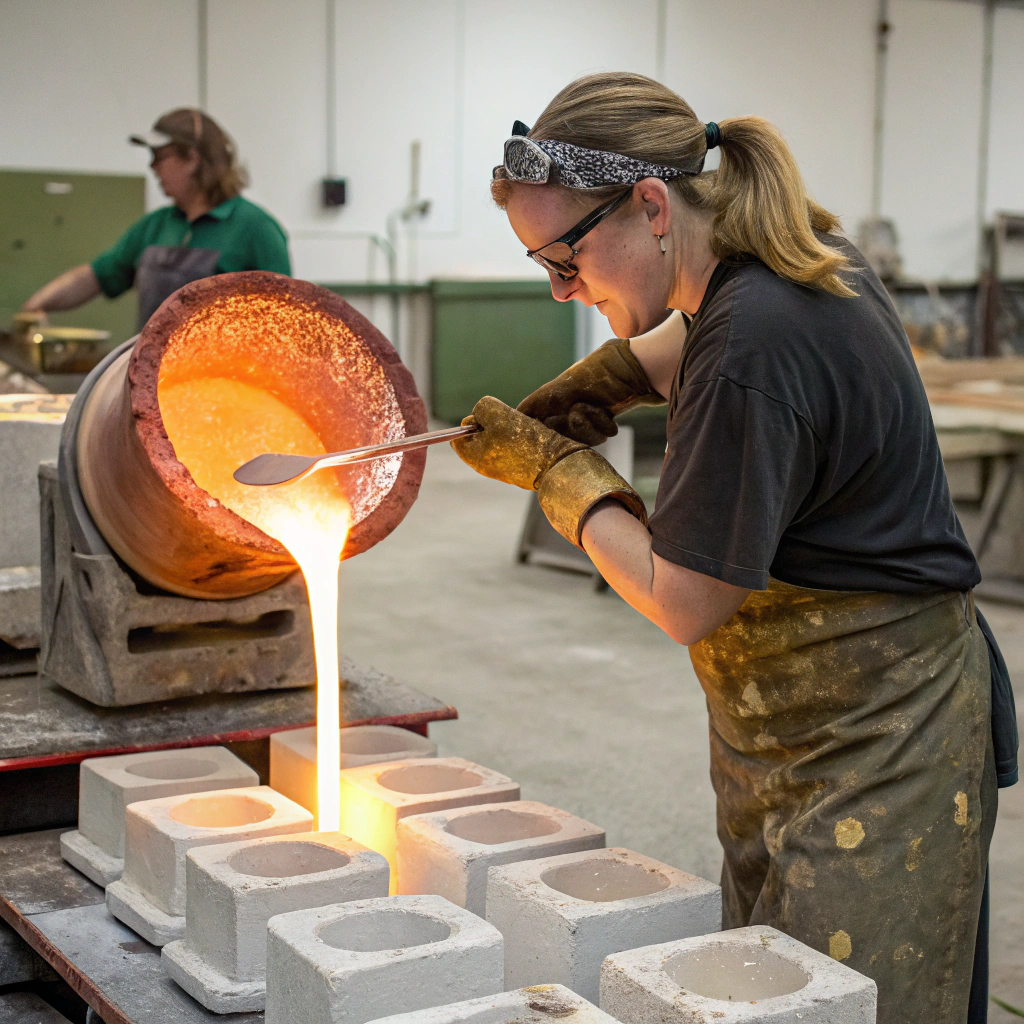
Manufacturing glassware involves a series of carefully coordinated steps. The process starts with melting raw materials in a furnace, as previously discussed. However, the methods used to form the glassware can vary based on the final product’s design and intended use.
Key Techniques in Glassware Manufacturing
- Glassblowing: A traditional method that uses air to inflate molten glass into a variety of shapes. This technique is widely used for making bottles, vases, and ornaments.
- Pressing: In this method, molten glass is pressed into molds using mechanical presses. This technique is used for making items like cups, plates, and bowls.
- Casting: Molten glass is poured into molds to create specific shapes. This method is often used for larger or more intricate pieces.
- Drawing: Molten glass is drawn into sheets or fibers, as seen in the production of glass windows or glass fiber products.
Key Considerations in Glassware Manufacturing
| Technique | Description | Common Uses |
|---|---|---|
| Glassblowing | Uses air to form hollow shapes from molten glass | Bottles, vases, ornaments |
| Pressing | Presses molten glass into molds | Cups, plates, bowls |
| Casting | Pours molten glass into molds to form solid shapes | Decorative items, sculptures |
| Drawing | Draws molten glass into sheets or fibers | Windows, glass fibers |
Once the glass is formed into the desired shape, it undergoes the annealing process to prevent breakage and ensure uniform thickness. During annealing, the glass is gradually cooled in an oven, allowing for a stress-free final product.
After annealing, the glassware enters the finishing phase. This is where the magic happens, as the glass can be decorated with techniques like painting, printing, frosting, and polishing. For instance, a glass perfume bottle may be frosted for an elegant finish, or it may be printed with a logo or pattern to add a personal touch.
Additionally, some glassware is treated for durability. For example, bottles that will hold beverages may undergo a treatment to make them resistant to high temperatures and pressure.
How is Sand Turned into Glass?
How does something as simple as sand turn into a beautiful glass bottle or vase? Let’s explore the fascinating transformation process.
Sand is primarily made of silica, which is the key ingredient in glass production. When combined with soda ash and lime and heated to extreme temperatures, sand melts and fuses to form glass.
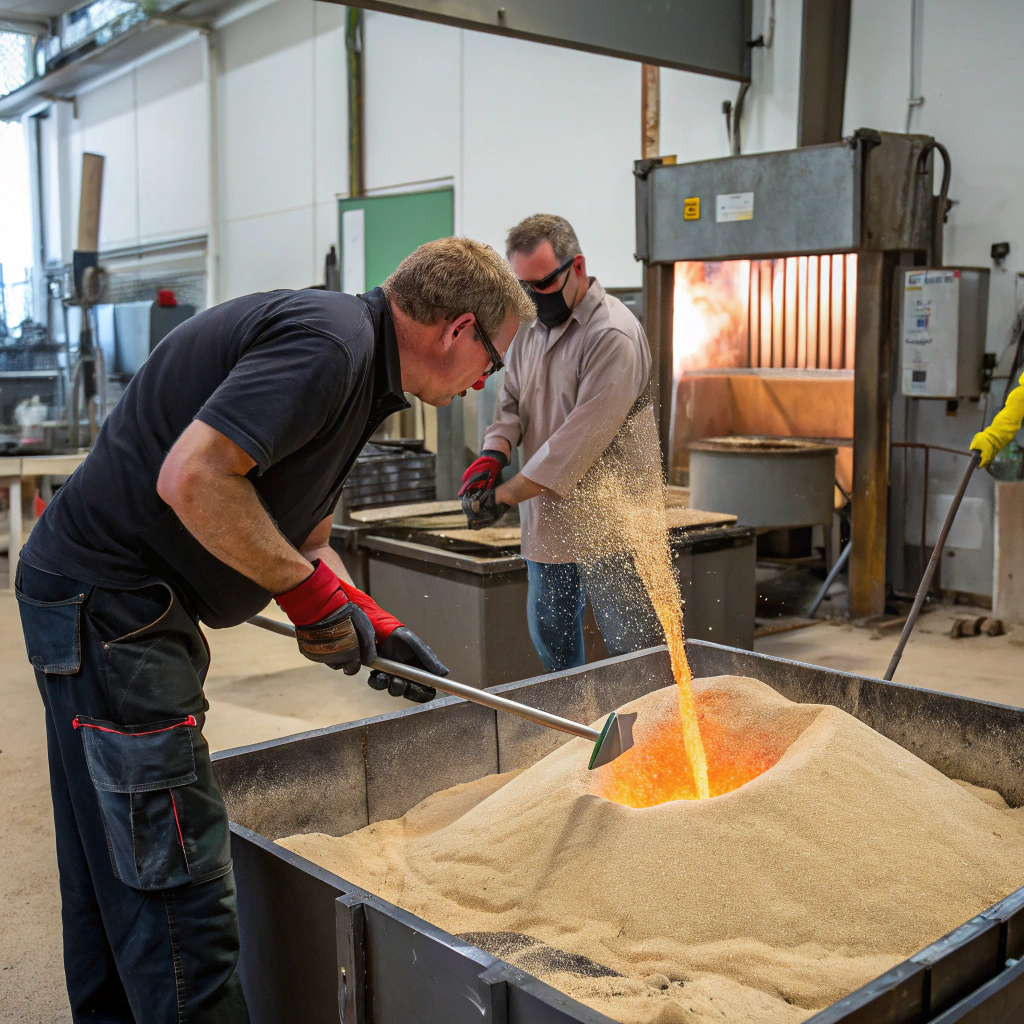
Turning sand into glass is a complex process that requires high temperatures and precise handling of raw materials. Silica sand is the main component used in making glass, but it alone cannot form glass. To create glass, silica must be combined with other materials like soda ash and lime. These materials lower the melting point of silica and help stabilize the final product.
Once the sand is mixed with soda ash and lime, the mixture is heated to a temperature between 1700°C and 2000°C (3092°F and 3632°F) in a furnace. At these extreme temperatures, the silica sand melts and combines with the other materials, forming a molten glass. The molten glass is then ready to be formed into various products, including bottles, jars, and even decorative pieces. This step may involve techniques like glassblowing, pressing, or molding to give the glass its final shape.
The process of melting sand into glass is a delicate balancing act. The exact ratios of silica, soda ash, and lime must be carefully controlled to achieve the right consistency and properties in the glass. For example, if there is too much soda ash, the glass may become too soft. If there is too little, the glass may be too brittle.
Once the sand has transformed into molten glass, it is ready to be shaped into various products, including bottles, jars, and even decorative pieces. This step may involve techniques like glassblowing, pressing, or molding to give the glass its final shape.
What is the Raw Material for Making Glass?
What goes into the creation of glass? Let’s take a closer look at the raw materials used in the glassmaking process.
The raw materials for making glass include silica sand, soda ash, and lime. Additional materials like alumina, magnesium, and metal oxides are also used to alter the glass's properties or add color.
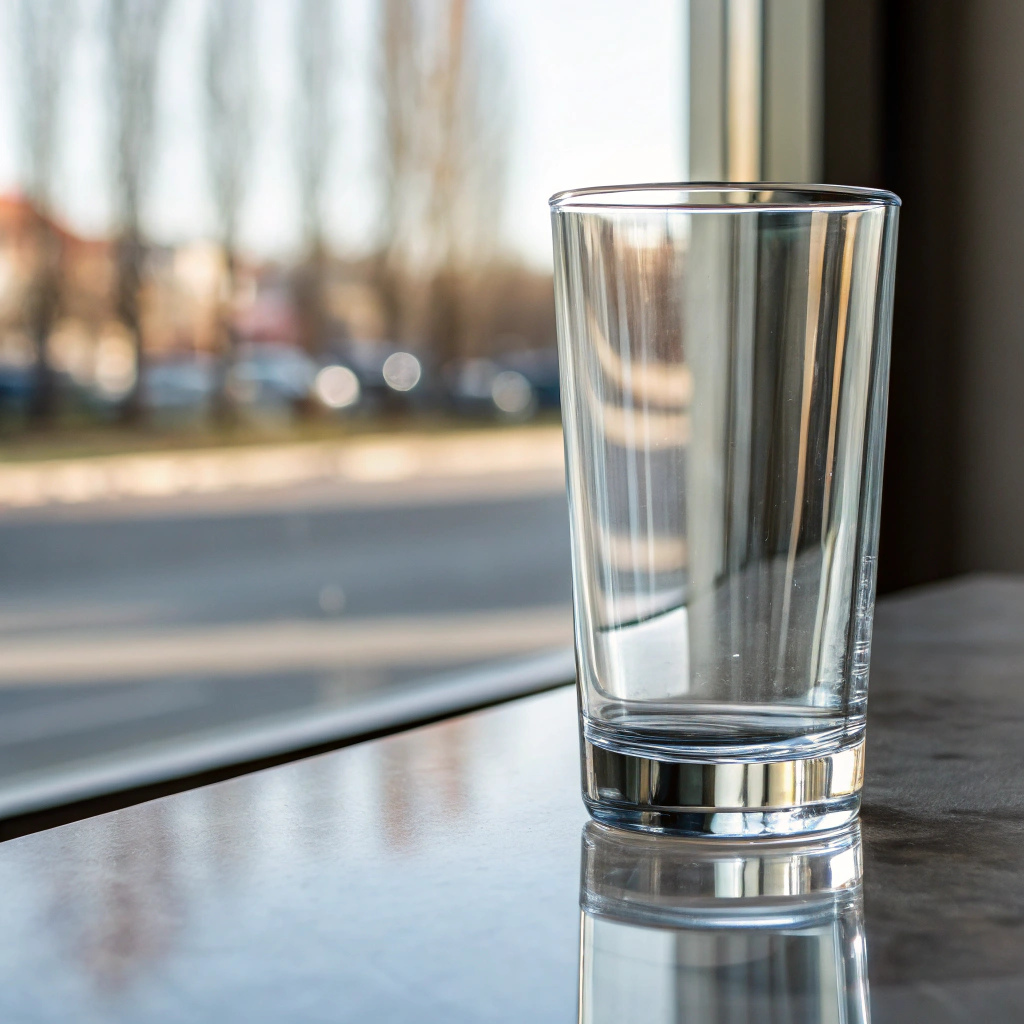
The primary raw materials used in glassmaking are silica sand, soda ash, and lime. These three ingredients are carefully mixed together to create the base composition of glass. However, depending on the desired characteristics of the final product, additional materials may be added.
Main Raw Materials in Glass Production
| Material | Purpose | Common Uses |
|---|---|---|
| Silica Sand | The main ingredient that forms the structure of glass | Foundation of all glass |
| Soda Ash | Lowers the melting point of silica | Easier melting process |
| Lime | Adds durability and stability | Strengthens the glass |
| Alumina | Increases durability and heat resistance | Used in specialty glasses |
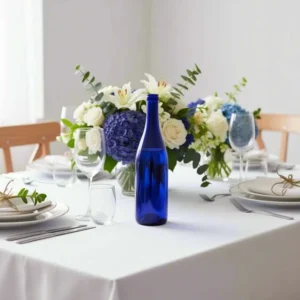
| Metal Oxides | Adds color to glass (e.g., cobalt for blue) | Decorative glass items |
Silica Sand: The most important raw material, silica sand is used to create the glass's basic structure. Without it, glass would not have its characteristic transparency and strength.
Soda Ash: Soda ash is added to lower the melting point of silica sand, making the process more efficient and energy-friendly. It allows the silica to melt at a lower temperature, saving on fuel costs.
Lime: Lime helps stabilize the glass and gives it its durable qualities. It is essential for making the glass resistant to breaking or cracking under pressure.
In some cases, additional materials like alumina or magnesium are used to give the glass specific properties, such as heat resistance or added strength. Metal oxides are often used to add color to the glass, making it more attractive and suitable for decorative purposes.
Conclusion
Making glass is a process that involves combining raw materials, high temperatures, and precise shaping techniques. Whether it's for a perfume bottle, a beverage container, or a decorative piece, glassware is created through a fascinating and intricate process that turns simple sand into a durable, beautiful product.