Skip to content
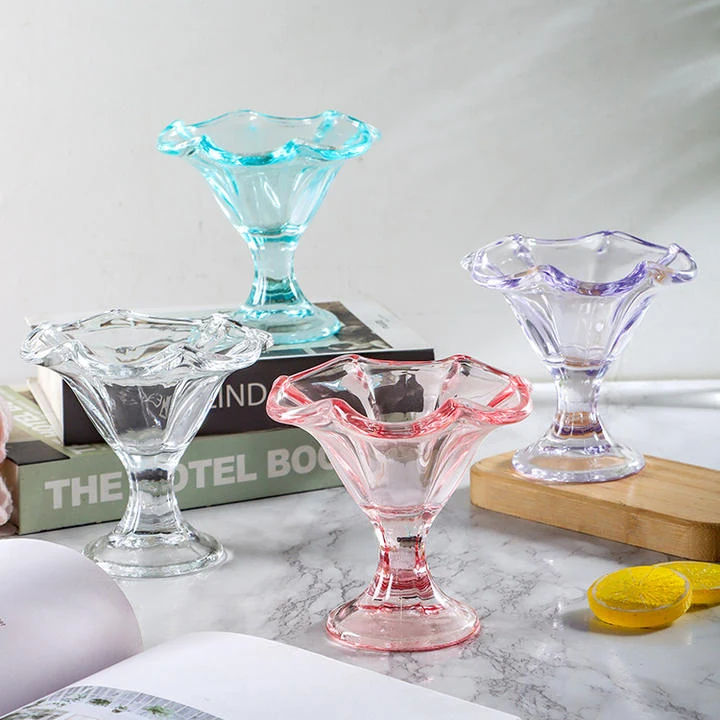
The world of drinkware can be confusing, with so many different terms used to describe vessels for beverages. So, is a cup the same as a mug or a glass? What sets these common drinkware types apart? Understanding their differences can help you know when to use each one.
A "cup" is generally smaller than a mug and often refers to a handleless vessel used for hot beverages, while a "mug" is larger, usually with a handle, and used for a wider range of drinks, including both hot and cold. A "glass," on the other hand, is typically used for cold beverages and is often larger and handleless.
The terms "cup," "mug," and "glass" are often used interchangeably, but each serves a distinct function in drinkware. Let’s dive deeper into the differences between these common vessels.
What is the difference between a cup, mug, and glass?
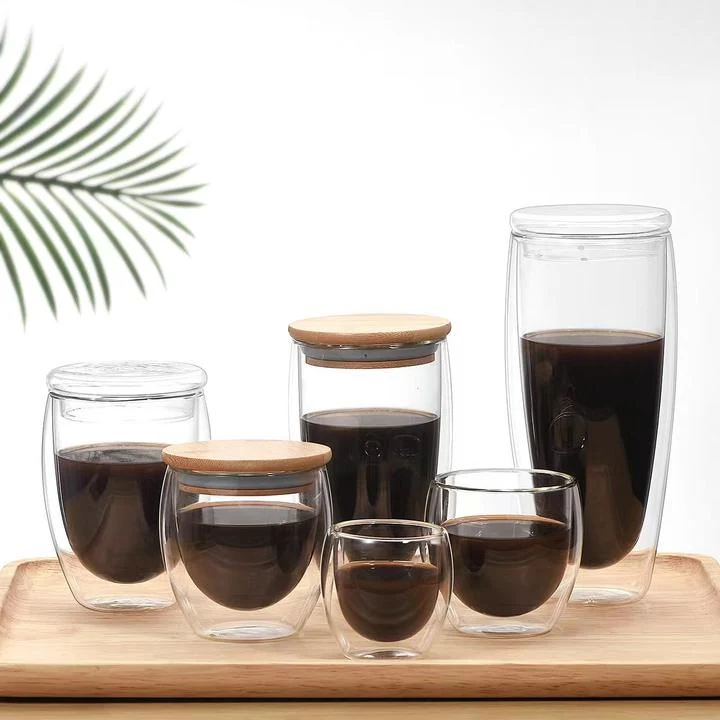
A cup, mug, and glass each have unique characteristics that make them suitable for different types of drinks. A cup is generally used for hot beverages, has a smaller size, and is often handleless. A mug is larger, comes with a handle, and is versatile for both hot and cold drinks. A glass is primarily used for cold beverages and is usually handleless and larger in size.
While the three terms are often used to describe similar items, there are distinct differences in their design and function. Let’s break down these differences.
Key Differences Between a Cup, Mug, and Glass
| Feature | Cup | Mug | Glass |
|---|---|---|---|
| Size | Smaller, usually 4-8 ounces | Larger, usually 8-16 ounces | Varies, often 8-16 ounces |
| Handle | Can be handleless (e.g., teacups) | Always has a handle | Handleless |
| Intended Use | Typically for hot drinks | For hot or cold drinks | Primarily for cold drinks |
| Material | Ceramic, porcelain, or glass | Ceramic, glass, or stoneware | Glass, plastic, or metal |
| Common Beverages | Tea, coffee, hot chocolate | Coffee, tea, hot chocolate, beer | Water, juice, soda, iced tea |
The Functions of Each Vessel
- Cup: A "cup" is typically smaller and used for hot beverages. Cups are commonly made from ceramic or porcelain, with many cultures using them for tea or coffee. Some cups may be handleless, such as teacups or espresso cups, but they still fall under the "cup" category due to their small size and intended use for hot drinks.
- Mug: A "mug" is usually larger than a cup, with a distinctive handle. Mugs are designed to hold larger servings, making them ideal for coffee, hot chocolate, or beer. They are also commonly used for both hot and cold drinks, thanks to their robust construction and heat retention properties.
- Glass: A "glass" is used for a wide range of cold drinks like water, juice, soda, and iced tea. Glasses are typically larger and handleless, offering a clean, transparent look that enhances the visual appeal of cold beverages.
How do English speakers classify drinkware types?
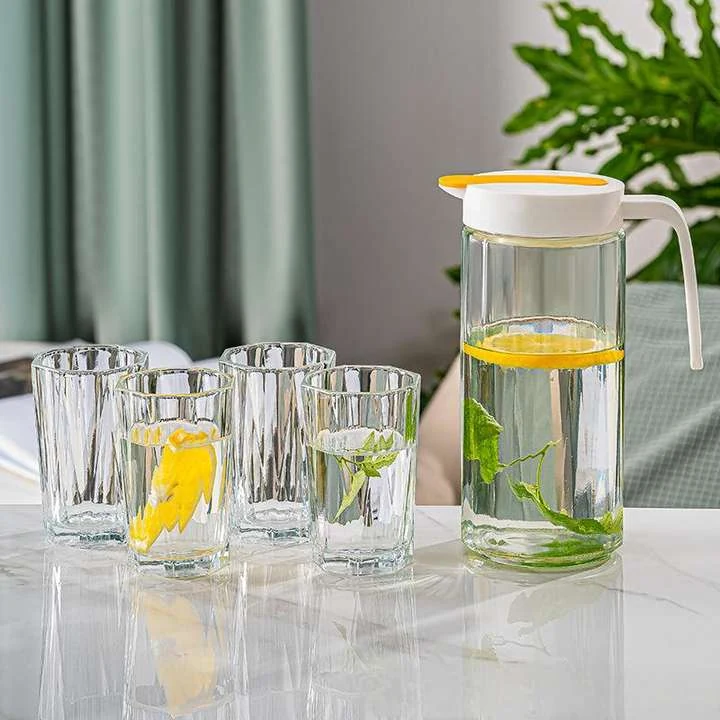
English speakers generally classify drinkware types by the size, shape, and intended use of the vessel. Drinkware terms like "cup," "mug," and "glass" are often used to describe different containers, with the key difference being whether the drink is hot or cold, and the vessel’s size.
In everyday language, the classifications of cups, mugs, and glasses help define the expectations of both the size and the beverage the vessel is meant for. Let’s take a closer look at how these terms are used in practice.
Drinkware Classifications
| Term | Intended Use | Common Beverage |
|---|---|---|
| Cup | Smaller vessel for hot drinks | Tea, espresso, small coffee |
| Mug | Larger vessel, typically with a handle | Coffee, hot chocolate, beer |
| Glass | Larger vessel, typically for cold drinks | Water, juice, soda, iced tea |
Understanding the Context
- Mugs are associated with warmth and are used for drinks that people often sip leisurely, such as coffee or hot chocolate. Their large size and handle make them perfect for drinks consumed over a longer period.
- Cups are smaller, so they're more commonly used for hot drinks consumed in smaller amounts, like tea or espresso. Cups often have a delicate or refined design, especially in fine dining.
- Glasses are the go-to choice for cold drinks. The use of glass allows you to see the drink inside, making them a favorite for refreshing beverages like water, soda, and iced tea.
Why are mugs usually larger than cups?
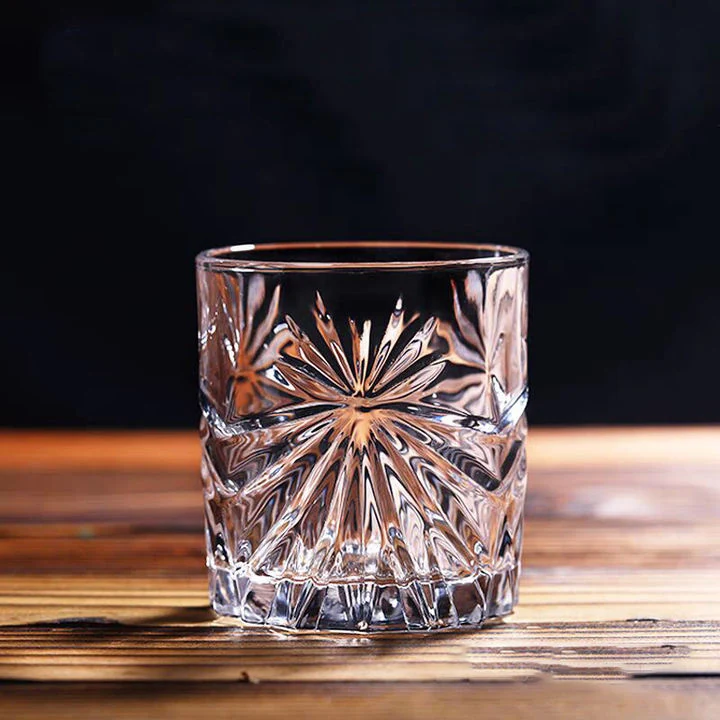
Mugs are typically larger than cups to accommodate the larger quantities of hot beverages that people typically consume. Coffee and hot chocolate, for example, are often consumed in larger portions than tea or espresso, which is why mugs are designed to hold more.
The larger size of a mug makes it ideal for beverages that are consumed slowly, allowing for a more leisurely drinking experience. Cups, being smaller, are often used for drinks that are intended to be consumed more quickly, such as tea or espresso.
The Larger Size of Mugs
| Feature | Mug | Cup |
|---|---|---|
| Typical Volume | 8-16 ounces | 4-8 ounces |
| Design | Larger with a handle | Smaller, often handleless |
| Intended Use | Coffee, hot chocolate, beer | Tea, espresso |
| Drinking Time | Longer sipping, more substantial | Quick, smaller servings |
Why Mugs Are Larger
- Leisurely Consumption: Mugs are designed for beverages that are often consumed over a longer period, such as coffee or hot chocolate. They allow you to enjoy your drink without needing frequent refills.
- Practicality: The larger size is more suited for people who drink larger portions of hot beverages. Mugs are typically used for everyday, casual drinking experiences.
- Insulation: Larger mugs often come with thicker walls, which helps retain heat. This makes them perfect for beverages that need to stay warm for longer periods.
When should you use a mug instead of a cup?
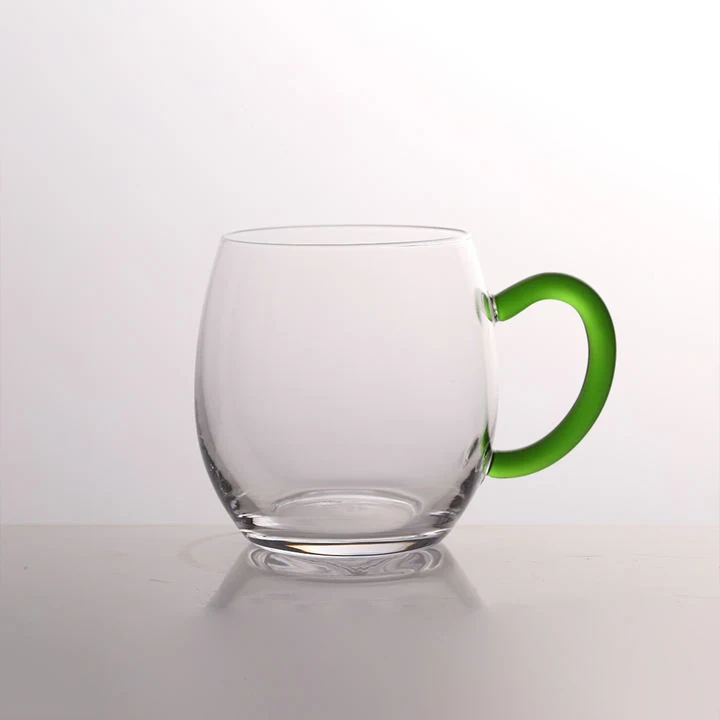
You should use a mug instead of a cup when you're drinking a larger portion of a hot beverage, such as coffee, hot chocolate, or tea. Mugs are more practical for drinks that you’ll sip over a longer period, while cups are more suitable for smaller servings.
Knowing when to use a mug versus a cup depends on the type of drink and how much of it you want to enjoy. Here's a guide to help you choose the right vessel.
When to Use a Mug
| Beverage | Reason to Use a Mug | Example Usage |
|---|---|---|
| Coffee | Mugs are larger and perfect for regular coffee servings | "I drank my morning coffee from my favorite mug." |
| Hot Chocolate | Mugs are great for keeping hot chocolate warm | "I filled my mug with hot chocolate on a cold day." |
| Tea (larger servings) | Mugs are ideal for larger servings of tea | "I prefer a mug of herbal tea when I relax." |
| Beer or Cider | Mugs are often used for beverages like beer | "We drank beer from sturdy mugs at the festival." |
When to Use a Cup
- Tea or Espresso: For smaller servings, such as tea or espresso, a cup is typically used. These drinks are consumed in smaller quantities, so a smaller vessel like a cup is more appropriate.
- Formal Settings: In formal settings like afternoon tea or fine dining, teacups are used because of their delicate design and smaller size. A cup can elevate the drinking experience and is generally used for more refined drinks.
Conclusion
In conclusion, a "cup" is generally used for smaller, hot beverages and can often be handleless, while a "mug" is larger, has a handle, and is used for both hot and cold drinks. A "glass" is typically reserved for cold beverages and is handleless. Understanding these distinctions can help you choose the right drinkware for the beverage you’re serving and ensure a more enjoyable drinking experience. Whether you're sipping hot tea from a cup or enjoying a cold drink from a glass, knowing the difference between these vessels makes all the difference.