Skip to content
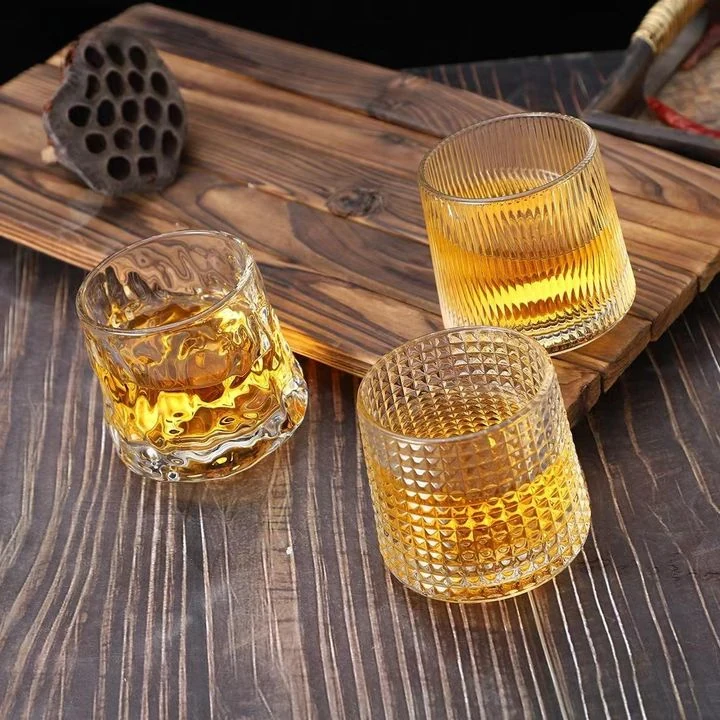
The phrase "glass cup" might seem intuitive, but is it the most accurate way to describe a drinking vessel made from glass? While we commonly refer to containers like this, the use of the term might not always be appropriate. So, is it right to say "glass cup"?
The term "glass cup" is not technically incorrect, but it’s less commonly used than other alternatives. In most cases, native speakers prefer terms like "drinking glass" or simply "cup," depending on the context.
The phrase “glass cup” has a specific meaning but is often replaced by more commonly used expressions. Understanding the nuances of language usage can help ensure clarity and correct expression.
What does the term "glass cup" mean in English?
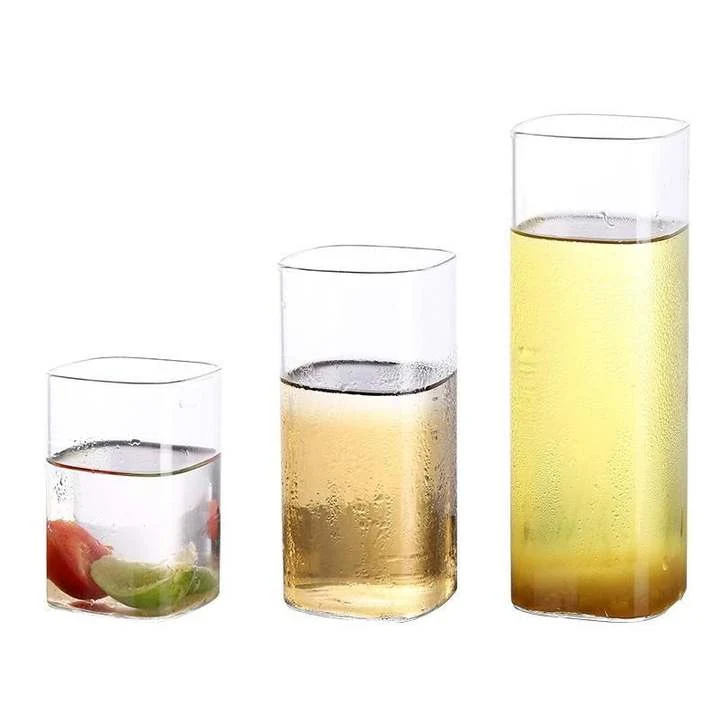
In English, a "glass cup" refers to a small drinking vessel made of glass, typically used for hot beverages like tea or coffee. However, the term is not widely used in everyday conversation.
While a "glass cup" is understood, it may cause confusion because it can be mistaken for other types of glassware. The term itself does not have a clear, widely accepted standard and can overlap with other terms, making it less preferable in many contexts.
Meaning and Context of "Glass Cup"
The term "glass cup" can refer to:
| Term | Description | Example Usage |
|---|---|---|
| Glass Cup | A small, handleless drinking vessel made of glass, often used for hot beverages | "She drank her tea from a glass cup." |
| Drinking Glass | A more common term, referring to any glass vessel used for drinking, usually larger | "I filled the drinking glass with water." |
| Tea Cup | A specific type of cup, often smaller, used for drinking tea, usually with a handle | "I poured the tea into a delicate porcelain tea cup." |
Why "Glass Cup" Is Less Common
The expression "glass cup" is not as commonly used because it can be confusing. Many people may refer to a "cup" made of glass simply as a "cup," and "drinking glass" is the more standard term for a glass container used for drinking liquids.
- Glass Cup: This could imply that the vessel is made from glass, but the term "cup" itself is often used for smaller vessels, and most cups are made from ceramic or porcelain.
- Drinking Glass: This term clearly indicates a larger vessel, typically used for cold drinks, and is the preferred term.
Why do native speakers often say "drinking glass" instead?
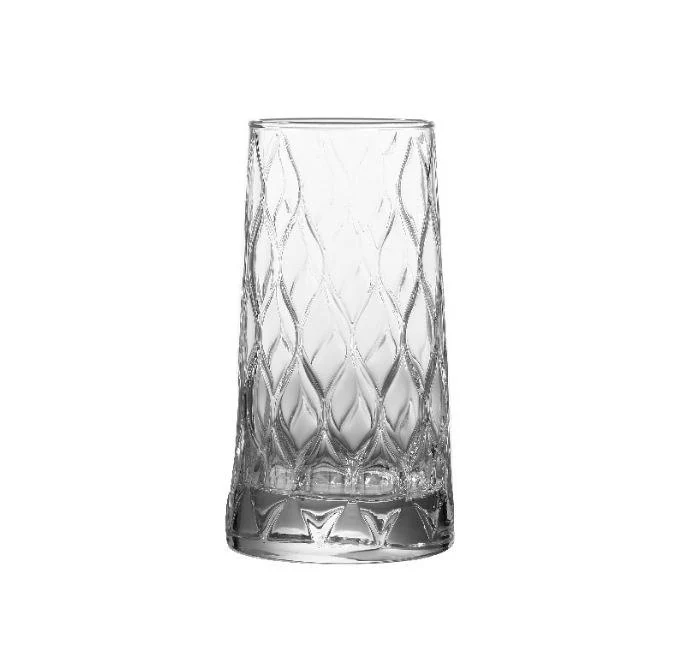
Native speakers often prefer the term "drinking glass" because it is clearer and more universally understood. The phrase “drinking glass” removes ambiguity, indicating a vessel used for drinking that is typically made of glass.
While "glass cup" is not wrong, it is not the preferred expression. Instead, people commonly say "drinking glass" when referring to a glass vessel used for beverages, particularly those served cold.
The Use of "Drinking Glass"
| Expression | Context | Example Usage |
|---|---|---|
| Drinking Glass | A glass vessel used for drinking, typically larger | "She reached for the drinking glass to pour some water." |
| Tea Cup | A small cup designed for tea, often with a handle | "She sipped her tea from the fine china tea cup." |
| Mug | A handle-equipped container for hot drinks like coffee | "I filled my mug with coffee." |
Why "Drinking Glass" is Preferred
- Clarity: "Drinking glass" is a clear, specific term used to describe a glass container for drinking liquids. It is more descriptive and avoids the confusion that comes with the term "glass cup."
- Consistency: The term "drinking glass" fits within the broader category of glassware, which includes other vessels used for drinking, such as wine glasses, tumblers, and shot glasses. By using "drinking glass," the speaker ensures the listener knows exactly what is being referred to.
When is it appropriate to use the phrase "glass cup"?
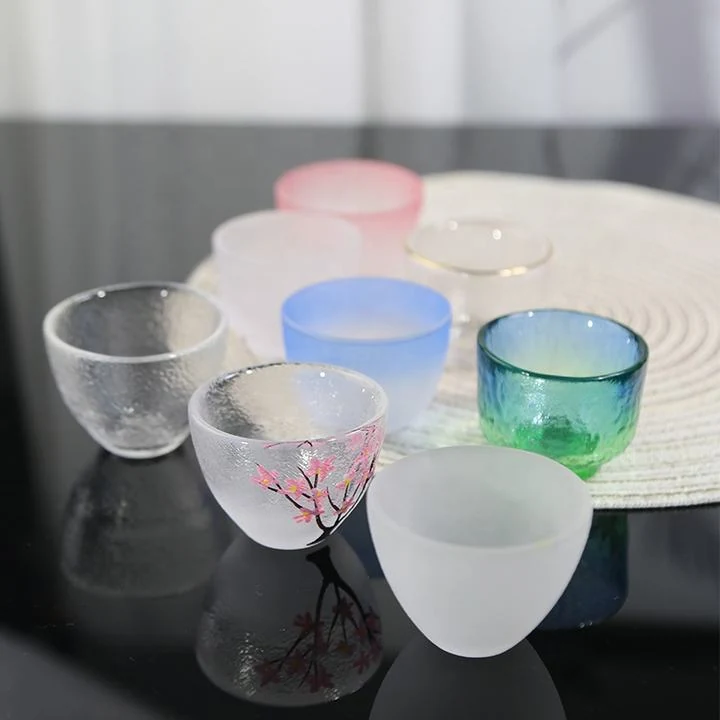
The phrase "glass cup" can be used in specific situations when referring to a small, handleless glass vessel, but it is less common and often replaced by "drinking glass" or simply "cup."
The term "glass cup" might still be used in some contexts, especially when emphasizing that the cup is made from glass rather than another material, such as ceramic. However, in many cases, it is more natural to say "cup" or "drinking glass."
Appropriate Situations for "Glass Cup"
| Scenario | Appropriate Expression | Example Usage |
|---|---|---|
| When emphasizing the material of the cup | Glass Cup | "She prefers drinking from a glass cup instead of a ceramic one." |
| When comparing to other materials or types of cups | Glass Cup | "The glass cup retained the heat of the tea longer than the ceramic one." |
| When describing a specific product or item | Glass Cup | "I bought a set of beautiful glass cups for serving coffee." |
Situations to Avoid Using "Glass Cup"
- General Use: In everyday conversation, it’s more natural to use "drinking glass" or "cup" rather than saying "glass cup."
- Larger Glass Vessels: When referring to larger drinking vessels like tumblers, it’s better to use the term "drinking glass" or the specific type of glass (e.g., "wine glass," "beer glass").
Which expressions are more common than "glass cup"?
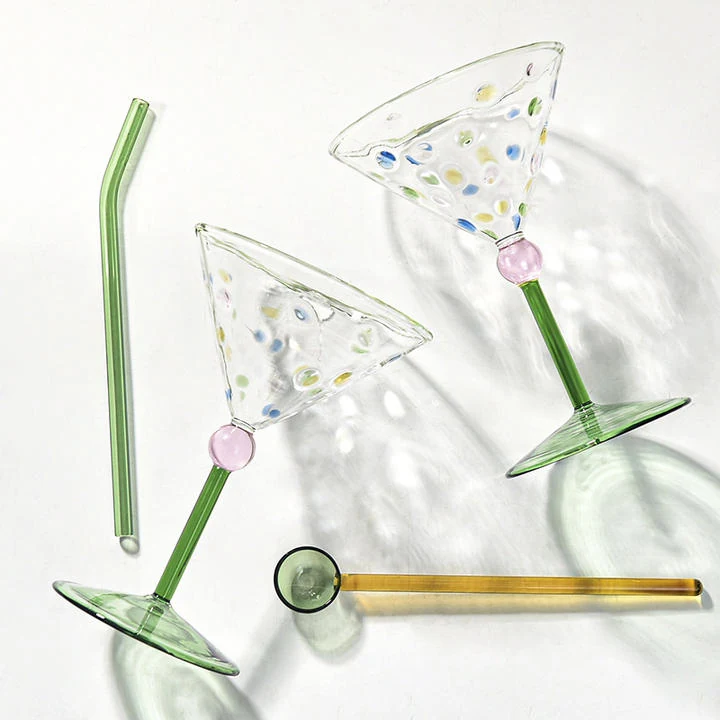
Expressions like "drinking glass," "cup," and "tea cup" are much more commonly used than the phrase "glass cup" in everyday language. These alternatives are more accurate and widely accepted.
While "glass cup" is not incorrect, it is not the go-to expression for most native speakers. Let’s take a look at which terms are more commonly used and why they are preferred.
More Common Expressions for Drinkware
| Expression | Context | Example Usage |
|---|---|---|
| Drinking Glass | A glass container used for drinking | "Fill the drinking glass with lemonade." |
| Cup | A small container for drinking, typically with a handle | "Pour the coffee into the cup." |
| Tea Cup | A small, handle-equipped cup for tea | "She enjoyed her tea from the delicate tea cup." |
| Mug | A handle-equipped vessel for hot drinks | "He drank his hot chocolate from the mug." |
Why These Alternatives Are Preferred
- Drinking Glass: This is the most commonly used term when referring to a glass container for drinking liquids, particularly for cold drinks. It's clear, accurate, and widely understood.
- Cup: The word "cup" is versatile and used for a variety of small containers for hot drinks, especially those with handles. It doesn’t specify the material, but it’s understood that cups are often made of ceramic, porcelain, or glass.
- Tea Cup: The term "tea cup" is specific and widely recognized for a type of cup designed for tea. It's much more precise than "glass cup" and widely used in both formal and casual settings.
- Mug: A "mug" is typically used for hot beverages like coffee or hot chocolate. It’s designed with a handle and is usually larger than a tea cup.
Conclusion
In conclusion, while "glass cup" is not technically incorrect, it is not the most commonly used expression in English. Terms like "drinking glass," "cup," and "tea cup" are more widely accepted and provide greater clarity. The phrase "glass cup" can be used in specific situations when emphasizing the material or comparing it to other types of cups, but in general, it's better to use the more common alternatives. Understanding the nuances of language can help ensure clear and effective communication.