Перейти к содержанию
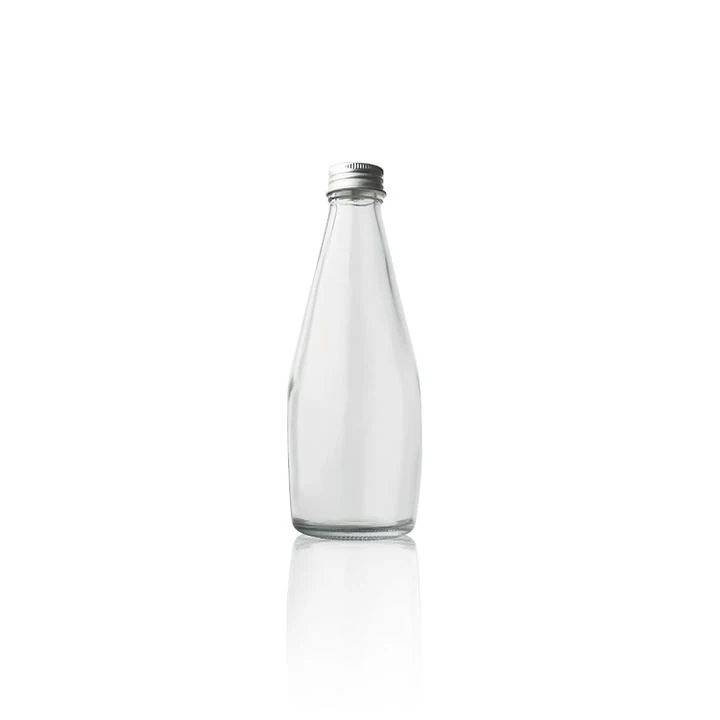
Разбитые стеклянные стаканы могут превратить обычный переезд или отправку груза в дорогостоящую проблему. Некачественная упаковка часто приводит к появлению трещин, сколов и недовольству клиентов. Хорошая новость заключается в том, что правильный способ упаковки значительно снижает эти риски.
Лучший способ упаковать стеклянные стаканы — обернуть каждый стакан отдельно, защитить его с внутренней и внешней стороны амортизирующими материалами, поместить более тяжелые стаканы на дно прочной коробки, заполнить все пустые пространства и четко обозначить посылку как «хрупкое».
Упаковывать стеклянные стаканы несложно, но здесь важна каждая мелочь. За годы работы со стеклянной тарой я пришёл к выводу, что правильная подготовка позволяет сэкономить и деньги, и время. В следующем руководстве каждый этап описан простым и понятным языком.
Как наиболее безопасно упаковать стеклянные стаканы?
Перемещение или отправка стеклянных стаканов без надлежащей защиты часто приводит к их поломке. Многие считают, что одного слоя бумаги достаточно, однако стекло может легко треснуть из-за вибрации и ударов во время транспортировки.
Самый безопасный способ упаковать стеклянные стаканы — это обернуть каждый стакан отдельно, обеспечить амортизацию как с внутренней, так и с внешней стороны, использовать прочную коробку с двойными стенками, устранить пустоты и предотвратить перемещение стаканов внутри коробки.
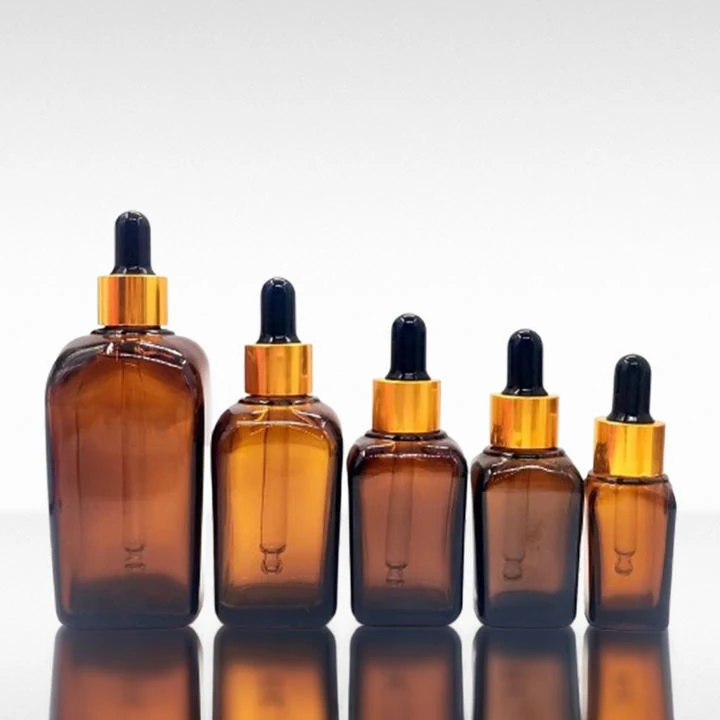
Наиболее безопасный процесс упаковки начинается ещё до того, как первая чашка попадает в коробку. Чистое рабочее место помогает предотвратить случайные падения. Каждую стеклянную чашку также следует проверять на наличие сколов или трещин. Повреждённые чашки не следует упаковывать вместе с неповреждёнными, так как вероятность их поломки гораздо выше.
Выберите подходящие упаковочные материалы
Качественные материалы играют решающую роль.
| Упаковочные материалы | Назначение | Рекомендуется |
|---|---|---|
| Упаковочная бумага | Первый защитный слой | Да |
| Пузырчатая пленка | Амортизация | Да |
| Листы пенопласта | Дополнительная защита | Да |
| Прочная картонная коробка | Внешняя защита | Да |
| Упаковочная лента | Закройте коробку | Да |
| Пенопластовые шарики или крафт-бумага | Заполните пустые места | Да |
Упаковочная бумага всегда должна сначала прилегать к поверхности стекла. Газетная бумага — не лучший вариант, так как чернила могут перенестись на стекло.
Защита как внутри, так и снаружи
Многие люди обертывают только внешнюю часть стакана. При этом край остается без опоры.
Лучший способ очень прост:
- Положите скомканную упаковочную бумагу внутрь стаканчика.
- Плотно оберните снаружи.
- Оберните чашку пенопластовой пленкой со всех сторон.
- Слегка закрепите пузырчатую пленку скотчем, не приклеивая его непосредственно к стеклу.
Это обеспечивает поддержку с обеих сторон.
Правильно расставьте чашки
Правильное расположение чашки не менее важно, чем её обертывание.
Более тяжёлую стеклянную посуду всегда следует размещать внизу. Более лёгкие чашки должны находиться ближе к верху.
По возможности держите каждый стакан в вертикальном положении. В таком положении стенки стакана более равномерно распределяют давление.
Ни в коем случае не складывайте стеклянные изделия без защитной подкладки непосредственно друг на друга.
Заполните каждое пустое место
Коробки ломаются из-за того, что предметы в них перемещаются.
После того как вы поместите каждый стаканчик в коробку, заполните все промежутки мягким материалом.
К хорошим наполнителям относятся:
- Смятая крафт-бумага
- Воздушные подушки
- Вставки из пенопласта
- Пенопластовые шарики для упаковки
Цель проста. При легком встряхивании закрытой коробки ничего внутри не должно двигаться.
Используйте сейфы
Дешёвые картонные коробки легко деформируются при транспортировке.
Двухслойные гофрокоробки обеспечивают гораздо лучшую защиту, особенно при международных перевозках. Они устойчивы к сдавливанию и помогают поглощать внешнее давление во время погрузки.
По моему опыту работы со стеклянной тарой, переход на более прочные картонные упаковки обычно обходится гораздо дешевле, чем замена поврежденной продукции.
Как правильно упаковать стеклянные стаканы для переезда?
Многие стеклянные стаканы разбиваются ещё до того, как грузовик с вещами доедет до места назначения. В большинстве случаев повреждения возникают из-за вибрации внутри коробки, а не в результате одного сильного удара.
Чтобы упаковать стеклянные стаканы, заполните их изнутри упаковочной бумагой, оберните снаружи несколькими слоями, добавьте пузырчатую пленку для дополнительной амортизации, закрепите всё скотчем и упакуйте каждый стакан отдельно, не допуская соприкосновения стеклянных поверхностей.
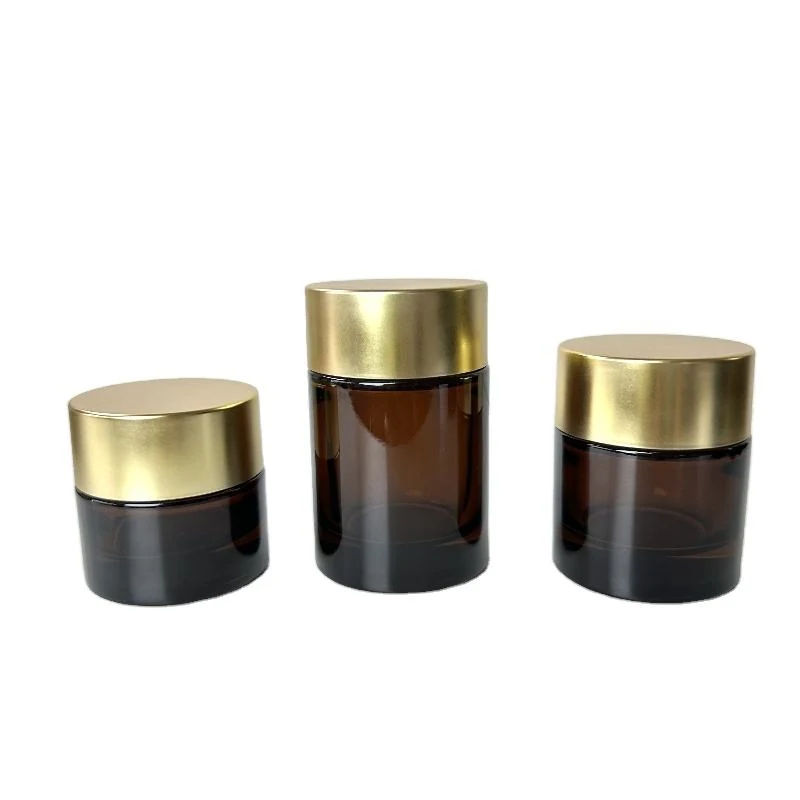
Упаковка — это первый уровень защиты. Качественная упаковка смягчает прямой удар и распределяет давление по всей поверхности.
Шаг 1: Подготовьте чашку
Начните с чистой и сухой чашки.
Влага ослабляет некоторые упаковочные материалы и может оставлять следы после длительного хранения.
Перед обертыванием осмотрите обод, ручку и основание.
Шаг 2: Наполнить внутреннюю часть
Внутренняя часть чашки нуждается в опоре.
Используйте мягкую упаковочную бумагу вместо плотно спрессованного материала.
Бумага должна заполнять пространство, не прижимаясь к стенкам.
Шаг 3: Оберните весь стакан
Разложите несколько листов упаковочной бумаги на ровной поверхности.
Поставьте чашку на один из углов.
Проведите стакан по бумаге по диагонали, при этом загибая излишки бумаги с обоих концов.
Таким образом создается несколько защитных слоев.
Шаг 4: Добавьте пузырчатую пленку
Пузырчатая пленка лучше всего подходит в качестве второго слоя.
Плотно оберните его вокруг стаканчика, обернутого бумагой.
Пузырьки должны быть обращены внутрь, к чашке, так как в этом положении они более эффективно поглощают удары.
Закрепите обертку скотчем.
Шаг 5: Защита ручки
Ручки, как правило, являются самым слабым звеном.
Перед тем как обернуть ручку пузырчатой пленкой, оберните её дополнительным слоем бумаги.
Не оставляйте стекло открытым.
Распространённые ошибки при упаковке
Многие проблемы с упаковкой возникают из-за мелких ошибок.
| Ошибка | Риск | Лучшее решение |
|---|---|---|
| Упаковка нескольких стаканов вместе | Столкновение стекла | Заверните каждый стаканчик отдельно |
| Используя только газету | Плохая амортизация | Сначала воспользуйтесь упаковочной бумагой |
| Оставление пустого места | Сдвиг элементов | Заполните все пробелы |
| Использование слабой ленты | Обертка ослабляется | Используйте качественную упаковочную ленту |
| Переполнение коробки | Повреждения от раздавливания | Следите за тем, чтобы вес оставался в пределах нормы |
Упаковать по размеру
Если сгруппировать чашки одинакового размера, это повысит их устойчивость.
Очень высокие стаканы не следует ставить рядом с низкими кофейными чашками, так как это приводит к неравномерному движению.
Для дорогих хрустальных бокалов или стеклянных изделий, изготовленных на заказ, отдельные картонные перегородки обеспечивают дополнительную защиту.
В ходе многочисленных экспортных отгрузок я пришёл к выводу, что тщательная упаковка, как правило, позволяет предотвратить больше повреждений, чем простое использование более прочных картонных коробок на более позднем этапе.
Может ли пузырчатая пленка защитить стеклянные стаканы?
Некоторые считают, что одна только пузырчатая пленка способна решить любую проблему с упаковкой. Другие полагают, что она обеспечивает лишь незначительную защиту. Истина лежит где-то посередине между этими двумя точками зрения.
Пузырчатая пленка обеспечивает отличную амортизацию для стеклянных стаканов, но наилучший эффект она дает в сочетании с упаковочной бумагой, правильным выбором коробки и достаточным количеством наполнителя, предотвращающего перемещение содержимого внутри упаковки.
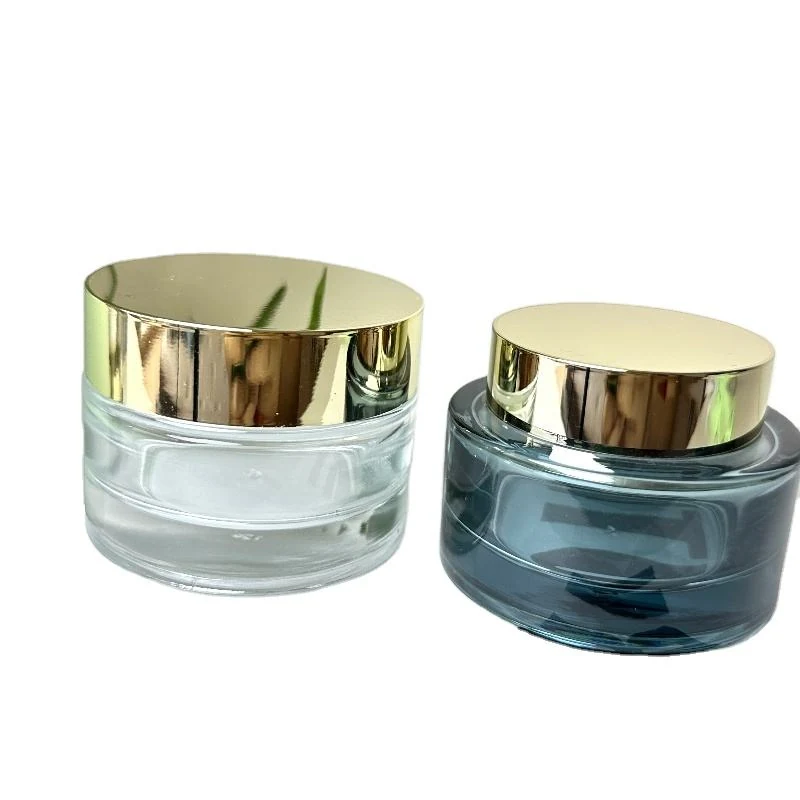
Пузырчатая пленка по-прежнему остается одним из самых популярных защитных материалов, поскольку она очень хорошо амортизирует удары.
Как работает пузырчатая пленка
Каждый воздушный пузырь действует как крошечная подушечка.
Когда посылка подвергается удару, воздух распределяет силу по множеству пузырьков, не допуская, чтобы один резкий удар пришелся непосредственно на стекло.
Это значительно снижает вероятность поломки.
Одной пузырчатой пленки недостаточно
Пузырчатая пленка не спасет от некачественной упаковки.
Например:
- Чашки по-прежнему могут сталкиваться друг с другом.
- Коробки по-прежнему могут сваливаться.
- Тяжёлые предметы по-прежнему могут раздавить хрупкие картонные коробки.
Именно поэтому специалисты всегда используют несколько защитных слоев.
Оптимальный порядок слоев
Простая упаковка обеспечивает отличную защиту.
- Мягкая упаковочная бумага
- Пузырчатая пленка
- Перегородка из пенопласта или картона
- Прочная транспортная коробка
- Заполнитель пустот
Каждый слой выполняет свою функцию.
Размер пузырька имеет значение
Мелкие пузырьки хорошо подходят для стаканов.
Крупные пузырьки обеспечивают более надежную защиту для тяжелых кружек и изделий из более толстого стекла.
Для очень хрупкого хрусталя может оказаться полезным использовать оба размера одновременно.
Хранение тоже имеет значение
Пузырчатую пленку следует хранить в прохладном и сухом месте.
Со временем из старой пузырчатой пленки выходит воздух, и она теряет свою эффективность.
Если многие пузырьки уже сплющились, замените материал перед упаковкой ценной стеклянной посуды.
Дополнительная защита при транспортировке
Международные перевозки сопряжены с дополнительными рисками.
Опыт работы с пакетами:
- Вибрация грузовика
- Укладка грузов на складе
- Перемещение контейнеров
- Погрузочное оборудование
- Несколько переводов
В связи с этими условиями многие экспортеры используют пенопластовые вставки в сочетании с пузырчатой пленкой.
За долгие годы работы со стеклянной тарой я понял, что пузырчатая пленка — важная составляющая всей системы. Она отлично справляется со своей задачей, но только в том случае, если все остальные этапы упаковки также выполнены правильно.
Сколько стеклянных стаканов помещается в коробку?
Попытка уместить слишком много стаканов в одну коробку может сэкономить место, но, как правило, приводит к увеличению количества разбитых стаканов. Сбалансированная коробка гораздо безопаснее перегруженной.
Количество стеклянных стаканов, которое помещается в коробку, зависит от размера стаканов, габаритов коробки, толщины перегородок и защитных материалов. При правильной упаковке в большинство стандартных коробках для переезда можно безопасно разместить от 12 до 24 стаканов среднего размера.
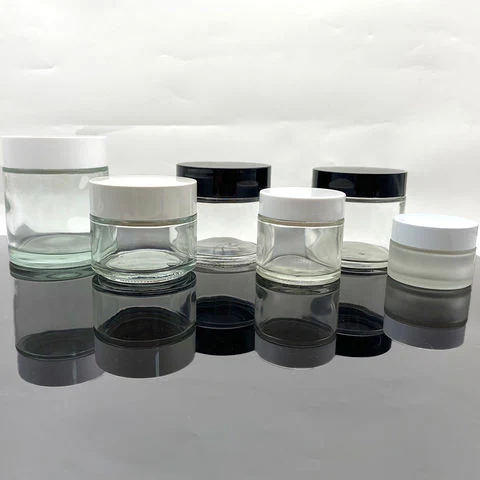
Единого ответа нет, поскольку у каждой стеклянной чашки свои размеры.
Вместо этого рассчитывайте вместимость исходя из требований безопасности, а не из максимальной площади.
Учтите размеры чашки
Единица измерения:
- Высота
- Диаметр вершины
- Диаметр дна
- Ширина ручки (если применимо)
Защитные материалы придают дополнительную толщину вокруг каждой чашки.
Чашка диаметром 8 см после обертывания может занимать более 11 см.
Рассмотрим прочность коробки
Большие коробки не всегда лучше.
Тяжелые картонные коробки становится трудно поднимать, и это повышает вероятность их падения.
Многие профессиональные грузчики отдают предпочтение коробкам среднего размера, поскольку в них удачно сочетаются защита содержимого и вес.
Системы разделителей повышают производительность
Картонные перегородки позволяют стаканчикам не соприкасаться друг с другом.
Вместо того чтобы беспорядочно расставлять обернутые стаканчики, разделители образуют фиксированные отсеки.
Это облегчает укладку в штабеля и повышает устойчивость.
Вес важнее количества
Вместо того чтобы спрашивать, сколько чашек в него помещается, спросите, насколько тяжелее станет коробка.
Практическая цель заключается в том, чтобы вес каждой коробки не превышал примерно 15–18 кг (33–40 фунтов). Это облегчает погрузочно-разгрузочные работы и снижает риск падения.
Примерная упаковочная мощность
В приведённых ниже расчётах предполагается использование стандартных стаканов с надлежащей упаковкой.
| Размер коробки | Приблизительная вместимость | Рекомендации по применению |
|---|---|---|
| Небольшая коробка | 6–12 чашек | Хрусталь или дорогое стекло |
| Картонная коробка среднего размера | 12–18 чашек | Обычные столовые стаканы |
| Большая картонная коробка | 18–24 чашки | Легкие стаканы |
| Картонная коробка с перегородками для транспортировки | 24 и более отдельных отсеков | Коммерческие перевозки |
Промаркируйте каждую коробку
После запечатывания коробки:
- Сделайте пометку "FRAGILE" с нескольких сторон.
- Добавьте надпись "ЭТОЙ СТОРОНОЙ ВВЕРХ"."
- Не кладите сверху очень тяжёлые коробки.
Правильная маркировка не может предотвратить небрежное обращение с оборудованием, но зачастую она напоминает работникам о необходимости проявлять большую осторожность.
При международной отправке стеклянных изделий я всегда предпочитаю использовать чуть больше картонных коробок, чем втискивать лишние изделия в одну коробку. Незначительное увеличение затрат на упаковку зачастую обходится гораздо дешевле, чем затраты на замену разбитого стекла и разочарование клиентов.
Заключение
Безопасная упаковка стеклянных стаканов зависит от тщательной подготовки, качественных материалов, правильной обертки и прочных картонных коробок. Каждый защитный слой способствует уменьшению смещения и поглощению ударов. Небольшая дополнительная затрата времени на правильную упаковку помогает предотвратить дорогостоящие повреждения и гарантирует, что стеклянные стаканы прибудут в отличном состоянии.