
Часть 1: Размер и рост рынка
Belgium has a long tradition in glass manufacturing. The country sits at the center of Western Europe, which makes it a natural hub for packaging production and distribution. Many beverage brands, food companies, and pharmaceutical manufacturers rely on glass packaging. Glass bottles remain a preferred option because they are recyclable, safe, and help maintain product quality.
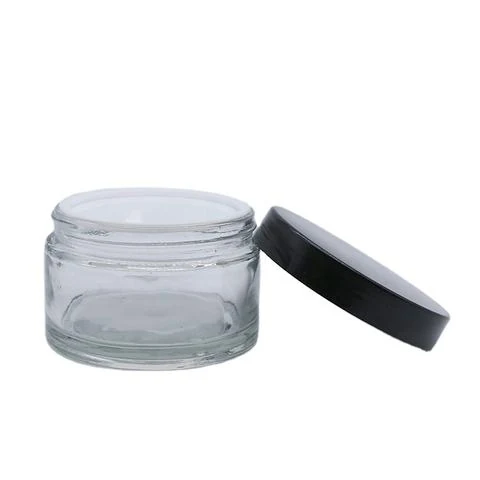
The Belgian glass bottle market serves several key sectors. Beer brewing is the most famous one. Belgium is home to hundreds of breweries, from large global producers to small craft brewers. Each of these companies needs reliable glass bottle supply. In addition, the food, cosmetics, and pharmaceutical industries also use glass containers for premium and sensitive products.
Government policy and sustainability goals strongly influence the market. European Union regulations encourage recyclable packaging and reduce plastic waste. Belgium has well-developed recycling systems that allow glass bottles to be reused as raw material. This circular system keeps glass manufacturing competitive and environmentally responsible.
Key Drivers of Glass Bottle Demand
Several forces support steady demand for glass bottles in Belgium. These drivers come from both traditional industries and modern sustainability trends.
| Драйвер | Описание | Влияние на промышленность |
|---|---|---|
| Пивная промышленность | Belgium has hundreds of breweries | High demand for beer bottles |
| Export Market | Belgian beer and food export globally | Stable packaging demand |
| Политика устойчивого развития | EU promotes recyclable materials | Glass replaces some plastic packaging |
| Premium Packaging | Glass enhances product image | Used in cosmetics and gourmet food |
The beer industry plays a central role in this market. Belgian beer brands are famous worldwide, and many products are exported to Europe, North America, and Asia. Breweries often require distinctive bottle shapes, embossing, or colored glass. Bottle design becomes part of the brand identity, especially for specialty beers and Trappist brews.
Another factor is the growth of premium packaging. Many gourmet food brands use glass bottles for sauces, oils, and specialty beverages. Glass helps preserve flavor and prevents chemical reactions with the product.
Sustainability and Recycling Systems
Belgium has one of the most efficient glass recycling systems in Europe. Public collection points allow consumers to separate clear, green, and brown glass. The collected material returns to glass factories as cullet.
| Фактор устойчивости | Влияние на промышленность |
|---|---|
| Glass Collection Points | High recycling rates |
| Recycled Cullet Usage | Снижает потребление энергии |
| Экологическая политика ЕС | Encourages circular economy |
| Brand Sustainability Goals | Companies promote eco-friendly packaging |
Manufacturers can use large amounts of recycled glass in new bottles. This reduces the need for raw materials such as sand and soda ash. It also lowers furnace temperatures and energy consumption. As sustainability becomes a global priority, glass packaging gains stronger support from both regulators and consumers.
The Role of Belgium in the European Packaging Network
Belgium's location gives it a strong advantage in packaging manufacturing. The country sits between major European markets such as France, Germany, and the Netherlands. This central position makes transportation efficient and supports export logistics.
Many glass packaging companies operate regional distribution networks from Belgium. Bottles produced in Belgian factories can reach breweries and beverage companies across Western Europe within a short time. Efficient highway systems, ports, and rail connections support this logistics advantage.
Another important factor is Belgium's strong brewing culture. The country has centuries of brewing history and many protected beer styles. Traditional breweries often require specialized bottles that match their heritage. These bottles may include unique shapes, embossed logos, and colored glass.
Manufacturers in Belgium often work closely with breweries to create custom designs. A bottle is not only a container. It also tells part of the brand story. For example, some Belgian beers use thick glass bottles with cork closures. These bottles create a premium image and support bottle fermentation.
Glass packaging also fits the premium food sector. Belgian chocolate, specialty sauces, and gourmet products often use glass containers. These products target international markets, so packaging quality must meet high standards.
The pharmaceutical sector also contributes to the demand for glass containers. Belgium hosts several pharmaceutical companies and research centers. Medical products require sterile and chemically stable packaging. Glass containers are widely used because they provide excellent protection for sensitive formulations.
In addition, Belgium participates actively in European sustainability initiatives. Many companies invest in energy-efficient furnaces and carbon reduction technologies. These improvements help reduce environmental impact while maintaining high production capacity.
All these factors together create a stable and mature glass packaging industry. Belgium combines tradition, modern manufacturing technology, and strong export connections, which allows the sector to remain competitive in the European market.
Часть 2: Ведущие компании
Saverglass Belgium
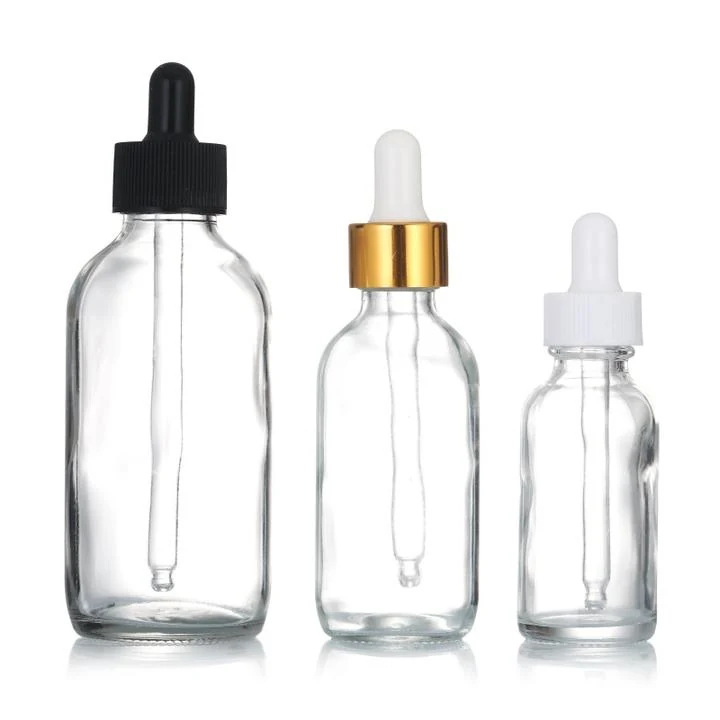
Saverglass Belgium is part of the Saverglass Group, a global manufacturer known for high-end glass bottles. The company operates facilities in Europe and specializes in premium packaging for wines and spirits.
Saverglass focuses on design-driven glass bottles. Many luxury wine and spirit brands choose Saverglass because of its ability to create distinctive shapes and decorative finishes. These bottles often include embossing, color coating, or custom engraving.
The company serves industries such as wine, spirits, cosmetics, and specialty beverages. Its production process combines traditional glass craftsmanship with modern automation. Saverglass also invests in sustainable manufacturing technologies to reduce environmental impact.
Verallia Belgium
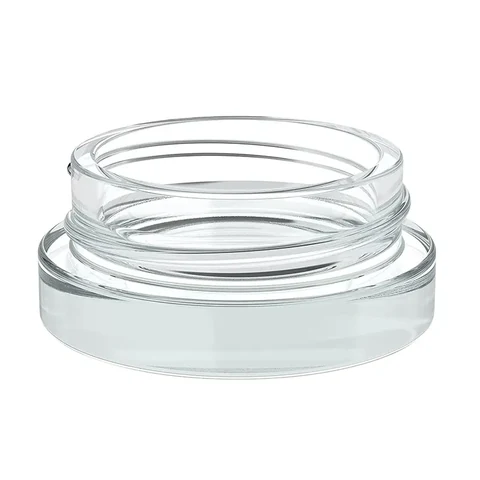
Verallia Belgium is part of Verallia Group, one of the largest glass packaging producers in Europe. The company supplies glass bottles and jars for beverage and food industries across the continent.
Verallia focuses on large-scale glass container production. Its facilities produce bottles for beer, wine, soft drinks, and food products. Many Belgian breweries rely on Verallia for stable bottle supply.
The company invests heavily in lightweight glass design and recycling technologies. By reducing bottle weight while maintaining strength, Verallia helps customers lower transportation costs and carbon emissions.
Стеклянная упаковка Ardagh
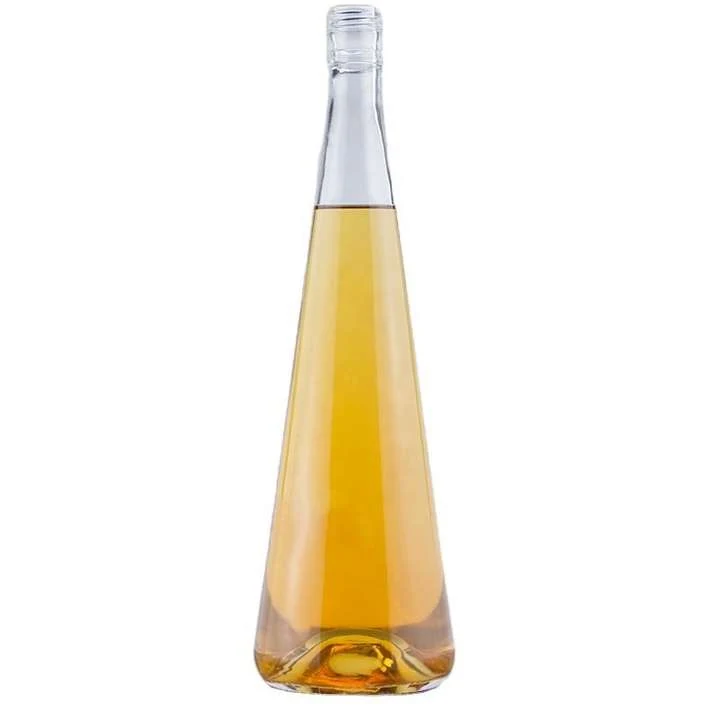
Ardagh Glass Packaging operates across Europe and North America, with strong manufacturing presence in Belgium. The company produces glass containers for food, beverage, and pharmaceutical industries.
Ardagh focuses on large-scale manufacturing and advanced furnace technology. Its facilities use automated inspection systems to ensure bottle consistency and durability. These systems help maintain quality standards for global beverage brands.
The company also promotes sustainable glass production. Ardagh integrates recycled glass into its manufacturing process and works to reduce energy consumption in its furnaces.
Сравнение компаний
| Компания | Основано | Основные продукты | Промышленность | Сертификаты |
|---|---|---|---|---|
| Saverglass Belgium | 1897 | Premium wine and spirit bottles | Wine, spirits, cosmetics | Системы качества ISO |
| Verallia Belgium | 1827 (group origin) | Бутылки для напитков, банки для пищевых продуктов | Пиво, вино, еда | Экологические сертификаты |
| Стеклянная упаковка Ardagh | 1932 | Стеклянные контейнеры | Beverage, food, pharmaceutical | Global sustainability standards |
Часть 3: Торговые выставки и отраслевые мероприятия
BrauBeviale
BrauBeviale is one of Europe's most important exhibitions for beverage production and packaging. The event attracts breweries, packaging suppliers, and equipment manufacturers from around the world.

The exhibition usually takes place in Nuremberg, Germany, but it attracts strong participation from Belgian breweries and glass packaging companies. Manufacturers showcase new bottle designs, filling technologies, and sustainable packaging solutions.
Industry conferences at BrauBeviale discuss beverage market trends, recycling strategies, and new production technologies. These discussions help packaging manufacturers understand the needs of modern breweries.
Drinktec
Drinktec is another major international trade show connected to beverage production and packaging. The event gathers thousands of industry professionals, including glass bottle manufacturers.
Drinktec takes place in Munich and focuses on beverage technology, packaging systems, and supply chain solutions. Glass bottle producers use the exhibition to present lightweight bottles, advanced forming technology, and decorative packaging solutions.
For Belgian breweries and packaging suppliers, Drinktec provides opportunities to build international partnerships. Many export-oriented beverage brands attend the event to discover new packaging ideas.
Краткое описание отраслевого мероприятия
| Событие | Дата | Расположение | Основные моменты |
|---|---|---|---|
| BrauBeviale | Двухгодичный | Нюрнберг, Германия | Beverage packaging and brewing technology |
| Drinktec | Каждые 4 года | Мюнхен, Германия | Global beverage and packaging innovations |
Часть 4: Влияние глобальной торговой политики
Global trade policies play an important role in Belgium's glass bottle industry. Many Belgian beverages, especially beer, are exported to international markets. When trade agreements reduce tariffs, exports increase and glass packaging demand grows. This relationship links glass manufacturing directly with global beverage trade.
The European Union also influences packaging regulations. EU directives promote recycling, waste reduction, and sustainable packaging. These policies encourage beverage companies to choose recyclable materials such as glass.
At the same time, manufacturers must manage cost pressures from energy prices and raw material supply. Glass production requires high-temperature furnaces, which consume large amounts of energy. Rising energy prices in Europe can affect manufacturing costs.
Торговые соглашения и экспортные возможности
Belgium benefits from EU trade agreements with many global markets.
| Соглашение | Ключевые рынки | Влияние на промышленность |
|---|---|---|
| Экономическое партнерство ЕС и Японии | Япония | Expands beer exports |
| CETA ЕС-Канада | Канада | Reduces tariffs on beverages |
| EU-South Korea FTA | South Korea | Encourages premium beer exports |
When beverage exports grow, breweries need larger volumes of bottles. This creates consistent demand for glass manufacturers.
Проблемы цепочки поставок
Glass bottle manufacturers also face several risks related to global supply chains.
| Риск | Описание | Влияние на промышленность |
|---|---|---|
| Затраты на энергию | Glass furnaces require high energy use | Production costs increase |
| Сырьевые материалы | Sand and soda ash supply fluctuations | Влияет на стабильность производства |
| Международный конкурс | Imported bottles from lower-cost regions | Price pressure on local producers |
To address these challenges, many manufacturers invest in energy-efficient furnaces and recycling systems. These technologies help reduce production costs and improve sustainability performance.
Часть 5: Заключение
Belgium remains one of Europe's most important glass packaging centers. The country's strong brewing culture, central location, and advanced recycling systems support a stable glass bottle industry. Demand from breweries, food producers, and export markets continues to drive production and innovation.
At the same time, the industry must adapt to rising energy costs, global competition, and environmental regulations. Companies respond by investing in lightweight bottle design, recycling infrastructure, and modern furnace technology. These changes help ensure that glass packaging remains a sustainable and competitive solution for global beverage and food industries.