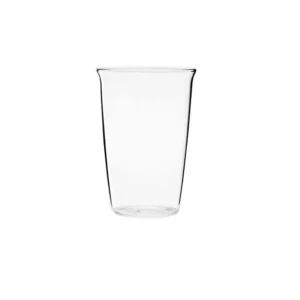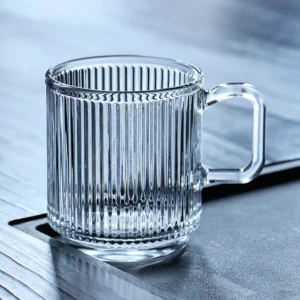
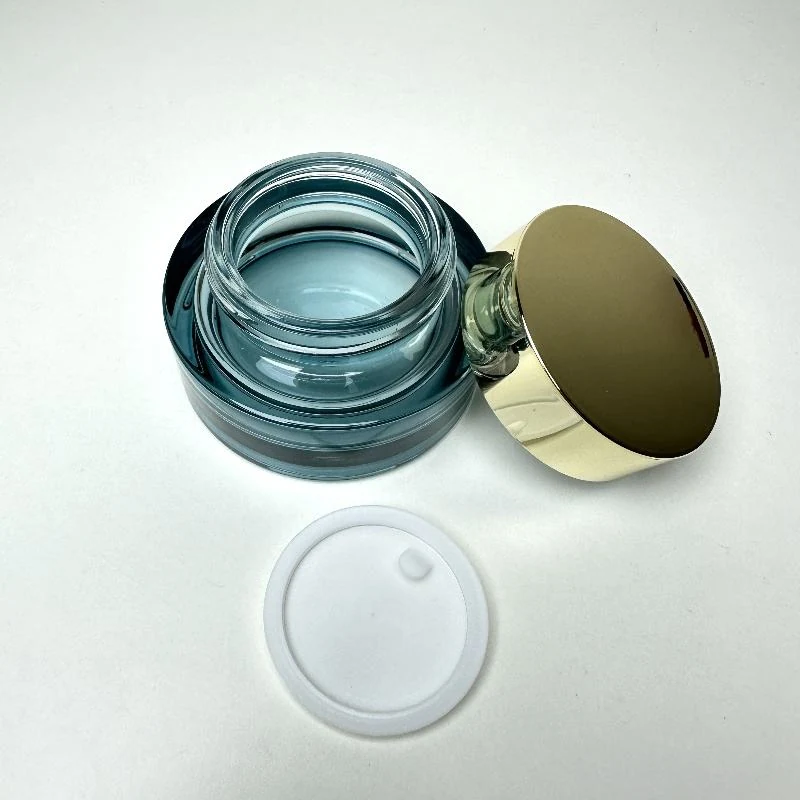
Many people use glass cups every day, but few people think about how these clear and beautiful products are created. The process involves heat, materials, machines, and careful quality control.
Glass cups are made by heating raw materials until they become liquid glass, shaping the hot glass into cup forms, cooling them slowly, and checking the final products for quality.
Making a glass cup is a detailed process. A simple-looking cup needs careful control at every stage. The quality of raw materials, production temperature, shaping method, and cooling process all affect the final result.
When I look at glass products, I see more than a container. A glass cup represents a combination of material science, production skills, and design choices. From drinking glasses to perfume bottles and beverage containers, glass manufacturing follows strict steps to create safe and attractive products.
What materials are used to produce glass cups?
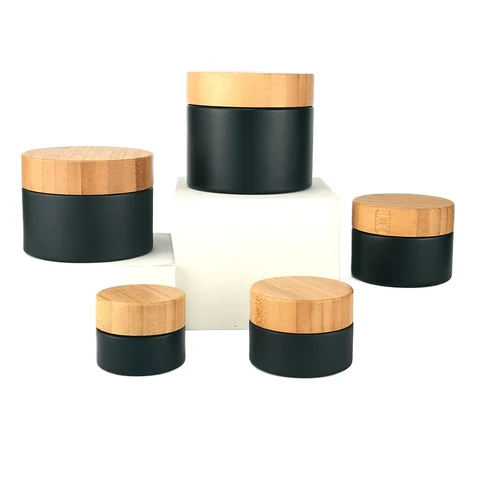
Glass cups start with natural materials that are mixed together and heated at very high temperatures. These materials create the transparent and strong glass structure that people use every day.
The main materials used to produce glass cups are silica sand, soda ash, limestone, and other additives that improve strength, color, and heat resistance.
The quality of these materials affects the final glass product. A manufacturer needs to control the material ratio carefully because small changes can affect transparency, durability, and production efficiency.
Main raw materials for glass production
| Материал | Function in glass production |
|---|---|
| кварцевый песок | Main material that creates the glass structure |
| Soda ash | Helps lower the melting temperature |
| Известняк | Повышает долговечность и химическую стойкость |
| Вторичное стекло | Reduces energy use and raw material demand |
| Additives | Adjust color, strength, and special features |
Silica sand is the most important ingredient because it provides the main structure of glass. However, pure silica requires extremely high temperatures to melt. Other materials are added to make production easier and more efficient.
How raw materials become glass
The production process usually follows these steps:
- Raw materials are measured.
- Materials are mixed evenly.
- The mixture enters a high-temperature furnace.
- The materials melt into liquid glass.
- The liquid glass is shaped into products.
The furnace temperature can reach around 1,500°C. At this temperature, solid materials become a smooth liquid that can be shaped.
Why material selection matters
Different glass products need different material performance.
Например:
| Тип продукта | Important features |
|---|---|
| Стакан для напитков | Safety, durability, clarity |
| Heat-resistant cup | Thermal resistance |
| Perfume bottle | Transparency and appearance |
| Beverage bottle | Strength and production stability |
A glass cup used for hot coffee needs better heat resistance than a decorative glass item.
Manufacturers choose materials based on the customer's needs. This is especially important for custom glass products where brands want unique shapes, colors, and surface effects.
The role of recycled glass
Many glass manufacturers use recycled glass, also called cullet, during production.
Recycled glass can:
- Reduce energy consumption
- Lower raw material use
- Support environmental goals
- Improve production efficiency
Glass is a valuable material because it can be recycled many times without losing its basic quality.
This makes glass a popular choice for companies that focus on sustainable packaging solutions.
How does the glass blowing process shape cups?
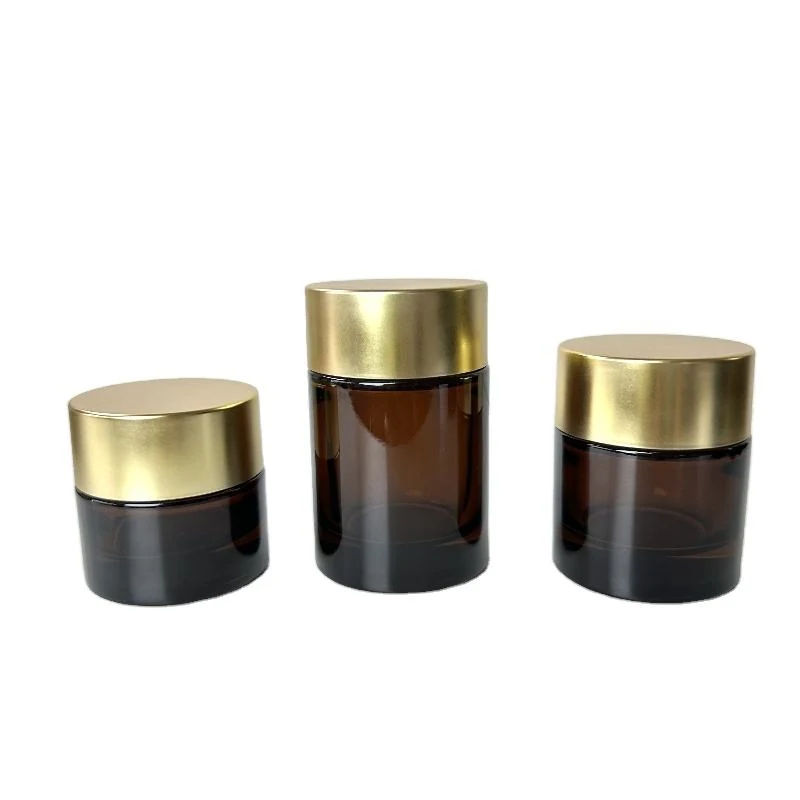
Glass blowing is one of the oldest methods used to create glass products. This process uses air pressure and skilled control to shape hot liquid glass into cups and other containers.
The glass blowing process shapes cups by collecting hot molten glass, forming it with air pressure, and adjusting the shape with tools or molds before cooling.
Today, many factories use automated machines instead of only traditional hand blowing. However, the basic idea remains the same: hot glass must be shaped while it is soft.
Traditional glass blowing steps
Traditional glass blowing includes several stages.
Step 1: Collect molten glass
A worker collects a small amount of melted glass on the end of a blowing pipe.
The glass is extremely hot and looks like a glowing liquid. At this stage, the material is flexible and can change shape.
Step 2: Add air pressure
The worker blows air through the pipe. The air creates a hollow space inside the glass.
The amount of air controls the size and shape of the cup.
Step 3: Shape the glass
Tools are used to adjust:
- Высота
- Ширина
- Thickness
- Opening size
- Base shape
The glass must stay hot during this process because it becomes hard when it cools.
Modern glass cup manufacturing
Large factories usually use automated forming machines because they can produce thousands of cups with consistent quality.
| Production method | Преимущество | Общее применение |
|---|---|---|
| Ручное выдувание | Unique designs | Handmade glass products |
| Machine blowing | High production speed | Commercial glass cups |
| Press forming | Accurate shapes | Mass-produced glassware |
Modern production allows manufacturers to create large quantities while keeping product quality stable.
How molds create glass cup shapes
Many glass cups are made using molds.
The process includes:
- Hot glass enters a mold.
- Air pressure pushes the glass against the mold walls.
- The glass takes the mold shape.
- The cup moves to the cooling process.
Molds help create consistent sizes and designs.
For businesses ordering custom glass products, mold design is very important. A unique shape often requires a specially designed mold, which affects production cost and development time.
Quality checks during shaping
Manufacturers check many details during production.
Common checks include:
- Cup thickness
- Вес
- Shape accuracy
- Surface quality
- Прозрачность
A small production error can affect the final user experience. This is why professional glass factories use strict inspection systems.
Why is annealing important in glass cup manufacturing?
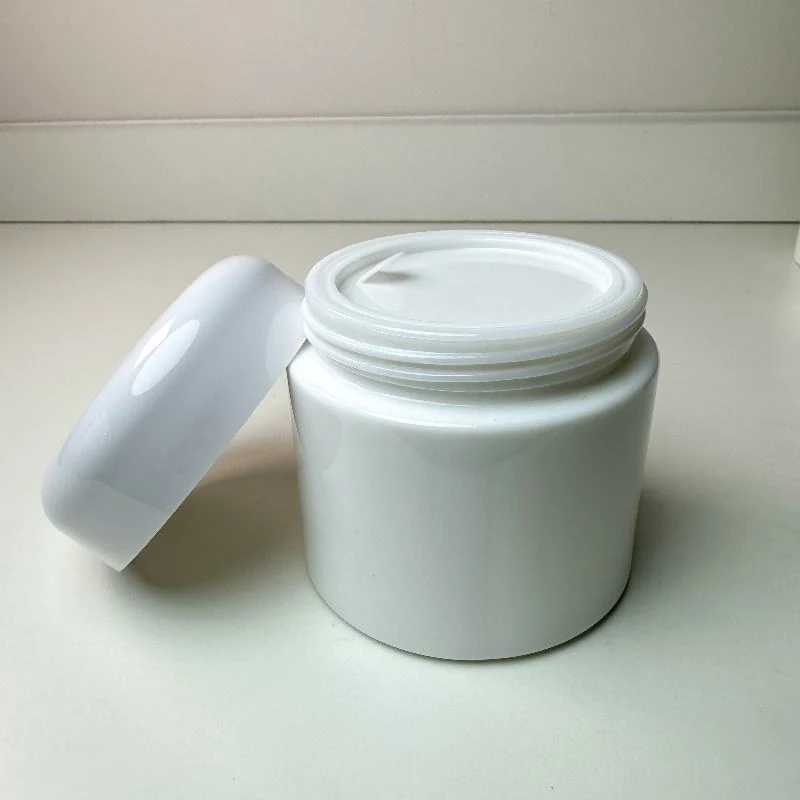
Annealing is one of the most important steps in glass cup production. Without proper cooling, glass can become weak and break easily.
Annealing is important because it removes internal stress from glass after shaping, making cups stronger, safer, and more resistant to temperature changes.
When glass cools naturally, different parts may cool at different speeds. This creates internal stress inside the material.
What happens during annealing?
During annealing:
- The hot glass enters a controlled cooling chamber.
- The temperature decreases slowly.
- Internal stress is reduced.
- The glass becomes more stable.
This process may take time, but it is necessary for product quality.
Why untreated glass can break easily
Without proper annealing, glass may have hidden weaknesses.
Possible problems include:
- Sudden cracking
- Poor heat resistance
- Reduced durability
- Unexpected breakage
A glass cup may look perfect from the outside but still contain internal stress.
Annealing compared with normal cooling
| Cooling method | Результат |
|---|---|
| Controlled annealing | Stronger and safer glass |
| Fast cooling | Higher internal stress |
| Uneven cooling | Greater risk of cracks |
This is why professional manufacturers never skip the annealing process.
How annealing improves customer experience
A well-annealed glass cup provides:
- Better daily durability
- More reliable performance
- Lower breakage rates
- Better resistance to normal temperature changes
For companies buying glass packaging, this quality factor is extremely important. Damaged products create higher costs during transportation and sales.
I understand that glass buyers often focus on appearance and price. However, production quality behind the product is equally important. A beautiful glass cup still needs strong internal structure to create long-term value.
Other finishing processes after annealing
After cooling, manufacturers may continue with additional processes.
These may include:
- Cutting edges
- Polishing surfaces
- Printing designs
- Spraying colors
- Frosting finishes
- Hot stamping
These methods help create different styles and branding options.
A simple glass cup can become a customized product through careful finishing.
Where are most glass cups manufactured today?
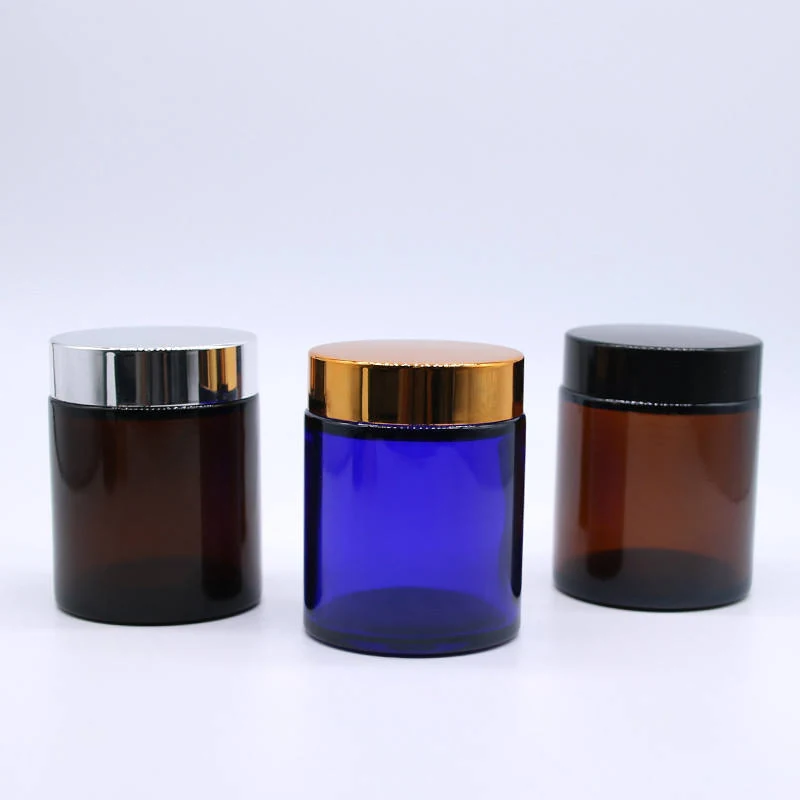
Glass cup manufacturing is now a global industry, with large production centers located in several countries. Manufacturers choose locations based on raw materials, technology, labor, and market demand.
Most glass cups today are manufactured in countries with strong glass production industries, including China, Germany, the United States, and several Asian countries.
China has become one of the world's major glass manufacturing centers because of its large production capacity, supply chain support, and ability to provide customized products.
Major glass manufacturing regions
| Регион | Manufacturing advantages |
|---|---|
| Китай | Large production capacity and customization options |
| Европа | Advanced technology and high-end glass products |
| Соединенные Штаты | Strong domestic market and industrial production |
| Юго-Восточная Азия | Growing manufacturing capabilities |
Different regions focus on different market needs.
Some manufacturers specialize in luxury glass products. Others focus on large-volume commercial production.
Why China is a major glass production country
China has developed a strong glass industry because it has:
- Large manufacturing facilities
- Experienced workers
- Complete supply chains
- Advanced production equipment
- Export experience
Many international brands source glass products from China because manufacturers can provide different designs, colors, and finishing methods.
Global demand for glass cups
The demand for glass cups continues because glass offers many advantages:
- Чистый внешний вид
- Возможность вторичной переработки
- Термостойкость
- Химическая стабильность
- Ощущение премиум-класса
Restaurants, beverage companies, hotels, and households all use glass products.
Choosing a reliable glass manufacturer
For buyers, choosing a supplier is not only about price.
Important factors include:
| Фактор | Почему это важно |
|---|---|
| Производственные мощности | Ensures stable supply |
| Quality control | Reduces defective products |
| Customization ability | Supports unique designs |
| Communication | Prevents misunderstandings |
| Delivery management | Helps meet launch schedules |
A good manufacturer helps customers create products that match their brand goals.
The glass cup manufacturing process combines science, technology, and craftsmanship. From raw materials to final inspection, every step influences the quality of the finished product.
Заключение
Glass cups are made through careful material selection, high-temperature melting, shaping, annealing, and quality inspection. Every step helps create safe, durable, and attractive glass products.