Part 1: Market Size and Growth
The glass bottle market in Venezuela has faced unique challenges lately. Even with a tough economy, the demand for glass packaging remains steady in the food and beverage sectors. People still need glass for soda, beer, and condiments because it is safe and can be recycled many times. Local production is very important because importing finished glass goods is often too expensive due to logistics. You can see that the industry is trying to modernize to meet international quality standards despite limited new investments.

Venezuela has a long history of glass making with large factories that serve the entire region. The market size is mostly driven by the beer and spirit industries which prefer glass over plastic for better preservation. Most manufacturers are focusing on lightweight glass designs to save on raw materials and shipping costs. Small businesses in the pharmaceutical sector are also increasing their demand for specialized glass vials and amber bottles. This shift shows that even in a slow economy, glass remains a staple material for professional packaging.
The government policies and local industrial clusters play a big role in how these factories operate. There are specific zones near natural resource deposits that help reduce the cost of sand and soda ash. Recent shifts in trade agreements have encouraged some factories to look for export opportunities in neighboring Caribbean countries. Many companies are joining forces to share transport costs and improve their supply chain efficiency. Investment is slowly returning as global brands look for reliable local partners to handle their bottling needs within the country.
A Deeper Look at the Venezuelan Glass Landscape
When we look closer at the Venezuelan glass sector, we see a mix of state-influenced and private enterprises. The survival of these plants depends on their ability to maintain high-heat furnaces without interruptions. For any buyer looking at this market, it is essential to understand that production capacity can vary based on energy availability. The industrial infrastructure is built for high-volume output, which means they prefer large-scale B2B orders over small custom batches. This makes Venezuela a key player for regional distributors who need millions of units per year.
| Segment | Market Share (Est.) | Growth Rate | Primary Drivers |
|---|---|---|---|
| Beverages | 65% | 2.1% | Beer and Soft Drink demand |
| Food Jars | 20% | 1.5% | Preserves and Sauces |
| Pharma/Cosmetic | 10% | 3.2% | Local healthcare needs |
| Industrial/Others | 5% | 0.8% | Specialized glass parts |
The technical side of the industry is also changing. Factories are trying to adopt more "Green Glass" initiatives by increasing the amount of cullet (recycled glass) in their mix. Using more recycled glass helps lower the melting temperature and saves a lot of energy during the manufacturing process. Most buyers like Anna or James would appreciate this focus on sustainability. It aligns with global trends where consumers want eco-friendly packaging. If you are a wholesale buyer, focusing on these sustainable practices can be a great selling point for your own brand.
Part 2: Leading Companies
Venvidrio

Venvidrio is perhaps the most well-known name in the Venezuelan glass industry. It was formerly part of a global group before becoming a state-managed entity. The company operates massive facilities in areas like Los Guayos and Valera. They have decades of experience in mass-producing glass containers for the most popular beverage brands in South America. Their history is rooted in high-output industrial manufacturing which allows them to handle very large contracts.
The product range at Venvidrio is quite extensive and covers almost every basic glass need. They produce clear, green, and amber glass bottles for beer, wine, and liquor. They also make glass jars for food products like mayonnaise, tomato sauce, and baby food. Unlike small craft shops, their service is focused on high-speed production lines that ensure uniformity across millions of pieces. They provide basic decoration services but their main strength is the raw volume of glass they can push out every day.
Their primary customers are large-scale bottling companies and food processors. Venvidrio serves the national market primarily but has the capacity to ship to international ports for bulk orders. They are known for their technical resilience and ability to keep large furnaces running under pressure. In terms of innovation, they are looking at ways to improve the durability of their glass to reduce breakage during long-distance truck transport across the country.
Their technical highlights include the use of advanced blow-and-blow and press-and-blow machinery. They follow strict quality control protocols to ensure that every bottle can withstand the carbonation pressure of soft drinks. Over the years, they have maintained various industrial certifications that prove their products are safe for food contact. While they don't focus on "fancy" designs, their utility glass is the backbone of the local consumer goods market.
Owens-Illinois (O-I) Venezuela Operations
Owens-Illinois has a long-standing historical presence in the Venezuelan market. Although the corporate structure has seen many changes, the technical DNA of O-I remains in the local plants. These facilities were built using world-class engineering standards and continue to produce some of the highest quality glass in the region. The background of this operation is tied to global glass-making expertise which is hard to replicate.
The products offered here are often seen as the premium standard for the industry. They specialize in glass containers that require precise neck finishes and specific weight requirements. Their service includes helping brands design bottles that stand out on a supermarket shelf. From sleek spirit bottles to sturdy juice containers, the variety is impressive. They focus on the B2B market, providing consistent supply chains for global brands that operate within Venezuela.
The main industries served are the premium beverage and spirits sectors. They are the go-to choice for companies that need high-end wine bottles or unique shapes for luxury liquors. The technical team is skilled at creating molds that capture intricate details in the glass. This level of detail is exactly what customers like Richard Brown are looking for when they want to sell high-end gift sets.
Innovation at these plants often focuses on "CO2 reduction" and energy efficiency. They use advanced sensors to monitor the glass melt and ensure there are no impurities in the final product. This results in glass that is incredibly clear and free of bubbles or streaks. They hold international ISO certifications and follow global safety standards for manufacturing. This makes their glass very attractive for export to markets like the USA or Europe where regulations are very strict.
Cristalería La Paz

Cristalería La Paz is a significant player that focuses on a slightly different niche compared to the giants. They have a more flexible approach to manufacturing which allows them to serve mid-sized businesses. The company has built a reputation for being more accessible to local entrepreneurs who need quality glass without the massive MOQ of state plants. They are located in a strategic industrial zone that allows for easy distribution.
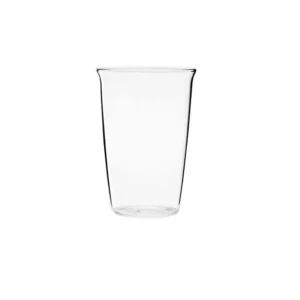
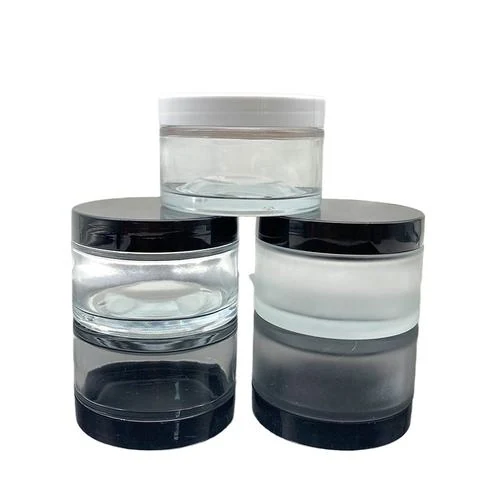
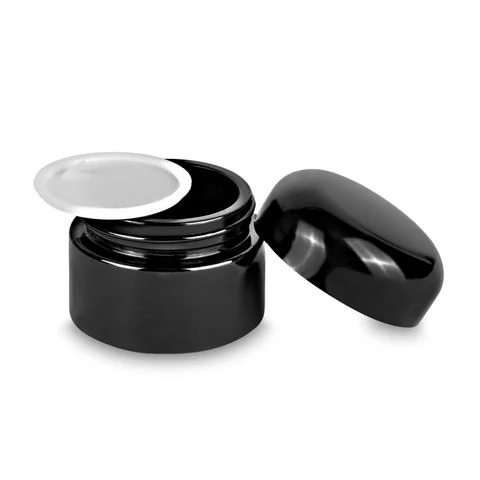
Their product line includes a wide variety of glassware beyond just bottles. They produce glass tumblers, jars, and specialized containers for the cosmetic industry. Their ability to switch between different product types makes them a very versatile partner for diverse brands. They offer both clear flint glass and colored glass options. Their services often include custom labeling and packaging solutions which adds value for smaller B2B clients.
The primary industries served include the local cosmetic, pharmaceutical, and craft beverage markets. If a company is launching a new perfume or a local hot sauce, they often turn to this manufacturer for the initial packaging. They understand the needs of the "growing brand" and provide more personalized customer service. This fits the profile of buyers who need high engagement and frequent updates on their orders.
Technically, they focus on precision and aesthetic finish. They have invested in smaller, more efficient furnaces that can be adjusted for different glass compositions quickly. This flexibility is their main innovation in a market dominated by rigid high-volume players. They have received honors for their contribution to local industrial growth and maintain high standards for workplace safety and product purity.
Comparison of Leading Manufacturers
| Company | Founded | Core Products | Industries | Certifications |
|---|---|---|---|---|
| Venvidrio | 2010 (Rebrand) | Beer/Soda Bottles | Beverage, Food | ISO 9001, Food Grade |
| O-I Venezuela | 1950s | Premium Spirit Bottles | Spirits, Wine | Global O-I Standards |
| Cristalería La Paz | 1970s | Jars, Cosmetic Glass | Pharma, Craft Food | Local Quality Awards |
Part 3: Trade Shows and Industry Events
The trade show scene in Venezuela is starting to recover and become a hub for regional networking. One major event is the Fedeindustria Expo, which brings together various manufacturing sectors including glass and packaging. This event usually takes place in Caracas and attracts hundreds of domestic and international companies. It is the best place to see the latest local glass designs and meet factory owners face-to-face.
The expo typically happens once a year, often in the second half of the year. Attendance includes government officials, private investors, and procurement managers from across South America. The highlight of this show is the "Business Roundtable" where buyers can sit down with glass manufacturers to discuss bulk pricing and custom molds. It is a very practical event focused on making real deals happen on the spot.
Another important gathering is the Venezuela Expo Packaging, which is more specific to the bottling and labeling industry. This event is smaller but much more focused on the technical side of glass. Exhibitors show off new capping technologies, labeling machines, and glass strength testing equipment. It usually moves between major industrial cities like Valencia or Maracaibo to stay close to the actual production hubs.
This event is great for discovering innovations in "Lightweighting" and sustainable packaging. The highlight is often the live demonstrations of automated packaging lines that work specifically with glass bottles. It is a must-attend for anyone in the beverage industry who wants to understand the full lifecycle of a glass bottle from the furnace to the shelf. The networking opportunities here are excellent for finding logistics partners who specialize in fragile cargo.
| Event | Date | Location | Highlights |
|---|---|---|---|
| Fedeindustria Expo | Varies (Annual) | Caracas | B2B Networking, Policy Updates |
| Venezuela Expo Packaging | Bi-annual | Valencia/Maracaibo | Tech Demos, Sustainable Design |
Part 4: Impact of Global Trade Policies
Global trade policies have a massive impact on how Venezuelan glass moves across borders. Sanctions and trade restrictions have sometimes made it difficult for local plants to get spare parts for their European or American machinery. This has forced the industry to become very resourceful, often sourcing parts from new partners in Asia or developing local solutions. However, recent adjustments in international relations are starting to ease some of these pressures for private exporters.
There is a big push for "Local Substitution" within the country right now. Because importing glass bottles from abroad involves high tariffs and shipping risks, local brands are heavily incentivized to buy from Venezuelan factories. This creates a "protected" market for local manufacturers, but it also means they must work harder to keep up with the demand. The supply chain for raw materials like soda ash is also being localized more to avoid dependency on volatile international markets.
International competition remains a challenge, especially from large manufacturers in Colombia and Brazil. To compete, Venezuelan glass companies are focusing on their price advantage and their proximity to Caribbean shipping lanes. There is a huge opportunity for growth if these companies can continue to stabilize their production and offer consistent quality. For a global buyer, the main attraction is finding high-quality glass at a lower cost basis compared to more expensive manufacturing hubs.
Part 5: Conclusion
The glass manufacturing industry in Venezuela is in a stage of "resilient transition." There are huge opportunities for B2B buyers who are looking for high-volume production at competitive price points. The established infrastructure is capable of producing millions of units, and the local expertise in glass making is top-tier. If you can navigate the local logistics, you can find very reliable partners who are eager to expand their international footprint.
However, you must stay aware of the risks related to energy stability and fluctuating trade regulations. Success in this market requires a hands-on approach and building strong, direct relationships with factory management. For those who value long-term stability, setting up clear contracts and backup logistics plans is essential. The future looks bright for those who can bridge the gap between Venezuela's industrial capacity and the global demand for sustainable glass packaging.