Skip to content
Part 1: Market Size and Growth
Albania has a developing glass packaging sector that supports the food, beverage, and pharmaceutical industries. The country sits in Southeast Europe and connects the Balkans with Mediterranean trade routes. This geographic position gives Albania access to both regional markets and European supply chains.
Glass bottles are widely used in Albania’s beverage and food industries. Wine, olive oil, mineral water, and craft spirits rely on glass packaging to preserve flavor and quality. Many producers prefer glass because it communicates premium value and supports recycling initiatives.
Government programs have also encouraged manufacturing development in recent years. Industrial zones and logistics improvements help local producers move products across the Balkans and into EU markets. Investment in infrastructure and export partnerships continues to shape the future of the glass bottle industry.
Industry Structure in Albania
Albania’s glass bottle manufacturing sector is not very large. However, it plays an important role in supporting the domestic beverage industry. Many local producers depend on reliable glass packaging for products such as wine, beer, fruit juice, and traditional spirits.
Small and medium enterprises dominate the market. Some companies focus on bottle production while others specialize in glass processing and packaging supply. These businesses often collaborate with beverage brands to design bottles that match their brand identity.
Local demand also grows alongside tourism and hospitality. Restaurants, wineries, and hotels require consistent packaging supplies for beverages and condiments. When tourism increases, the demand for bottled products also rises.
Export Potential
Albania’s location offers good export opportunities. Neighboring countries in the Balkans, such as Kosovo, North Macedonia, and Montenegro, often import packaging materials. These markets are relatively close, which reduces transportation costs.
Glass bottle manufacturers in Albania also benefit from trade agreements with the European Union. Some producers supply bottles to wineries and beverage companies across Southern Europe.
| Segment | Key Demand Drivers | Typical Products | Main Buyers |
|---|---|---|---|
| Wine & Spirits | Local wineries and distilleries | Wine bottles, spirit bottles | Beverage brands |
| Olive Oil | Mediterranean agriculture | Oil bottles | Food producers |
| Water & Soft Drinks | Growing beverage sector | Glass water bottles | Beverage companies |
| Cosmetics | Small packaging demand | Cosmetic containers | Beauty brands |
The wine industry is especially important. Albania has a long history of wine production, and many wineries prefer glass bottles for packaging. Premium wine brands often request custom bottle designs to create a distinctive market presence.
Production Process and Technology
Glass bottle manufacturing in Albania follows global production standards. Factories melt silica sand, soda ash, and limestone at extremely high temperatures. The molten glass then moves through forming machines that shape bottles using specialized molds.
Automation plays an increasing role in modern facilities. Computer-controlled systems regulate furnace temperatures and bottle molding processes. These systems help maintain consistent product quality and reduce waste.
Recycling is also an important focus. Broken glass, known as cullet, is reused in production. Using cullet reduces energy consumption and lowers environmental impact. Many factories aim to increase the percentage of recycled glass in their production process.
Industry Challenges
Although the industry has growth potential, manufacturers face several challenges. Energy costs remain a key concern because glass furnaces require continuous high temperatures.
Logistics and transportation can also affect competitiveness. Albania’s infrastructure continues to improve, but shipping costs may still be higher than those in larger industrial economies.
| Challenge | Impact | Industry Response |
|---|---|---|
| Energy consumption | Higher production costs | Furnace efficiency improvements |
| Infrastructure | Export logistics complexity | Distribution partnerships |
| Market size | Limited domestic demand | Export expansion |
| Competition | Pressure from large EU producers | Custom packaging solutions |
Despite these challenges, the industry continues to evolve. Manufacturers increasingly focus on specialized packaging and regional export markets to remain competitive.
Part 2: Leading Companies
Albania’s glass bottle industry includes a small number of manufacturers and packaging suppliers. These companies provide glass containers for wine, beverages, and food products. Many businesses combine manufacturing with regional distribution to serve Balkan markets.

Kurum Glass Packaging Albania
Kurum Glass Packaging Albania is one of the companies associated with industrial manufacturing in the country. The company developed operations as part of broader industrial investments that support packaging production in Albania.
The company manufactures glass containers used for beverages and food products. Its production lines focus on bottle designs suitable for wine, mineral water, and olive oil. Modern machinery helps ensure stable production capacity and consistent bottle quality.
The company mainly serves beverage producers, wineries, and food processing companies. Many clients operate within the Balkan region and require reliable packaging supply for export markets.
Innovation efforts often focus on improving bottle durability and reducing production waste. The company also works to meet international manufacturing standards that support export partnerships.
Albanian Glass Processing Company

Albanian Glass Processing Company specializes in glass product manufacturing and processing. The company supports the packaging needs of food and beverage producers across Albania.
Its product range includes glass bottles, jars, and containers designed for packaging liquids and preserved foods. Many local food brands depend on these products to maintain freshness and product quality.
The company serves industries such as beverages, olive oil, sauces, and specialty foods. Manufacturers in these sectors often request customized bottle shapes and sizes.
Technology development focuses on improving production precision and reducing material waste. Quality certifications also help the company meet European market requirements.
Balkan Glass Industry

Balkan Glass Industry operates as a regional supplier of glass packaging products. The company maintains connections with manufacturers and distributors across the Balkan region, including Albania.
The company provides glass bottles for wine, spirits, water, and specialty beverages. Its manufacturing process emphasizes reliable production capacity and consistent bottle quality.
The main industries served include wineries, beverage brands, and food producers. Many companies in the region rely on the company’s distribution network to access packaging materials.
| Innovation initiatives include lightweight bottle designs and improved molding technology. These developments help reduce transportation costs while maintaining packaging strength. | Company | Founded | Core Products | Industries | Certifications |
|---|---|---|---|---|---|
| Kurum Glass Packaging Albania | 2010s | Beverage bottles | Wine & Beverage | ISO quality standards | |
| Albanian Glass Processing Company | 2000s | Bottles, jars | Food & Beverage | European manufacturing compliance | |
| Balkan Glass Industry | 2000s | Glass containers | Wine, Spirits | Regional quality certifications |
Part 3: Trade Shows and Industry Events
Trade exhibitions help Albanian glass manufacturers connect with international buyers and packaging distributors. These events provide opportunities to present new bottle designs, production technologies, and sustainability initiatives. Industry exhibitions also help manufacturers build long-term partnerships with beverage brands.
Tirana International Fair
The Tirana International Fair is one of the largest business exhibitions in Albania. Companies from sectors such as manufacturing, agriculture, packaging, and food production attend the event each year.
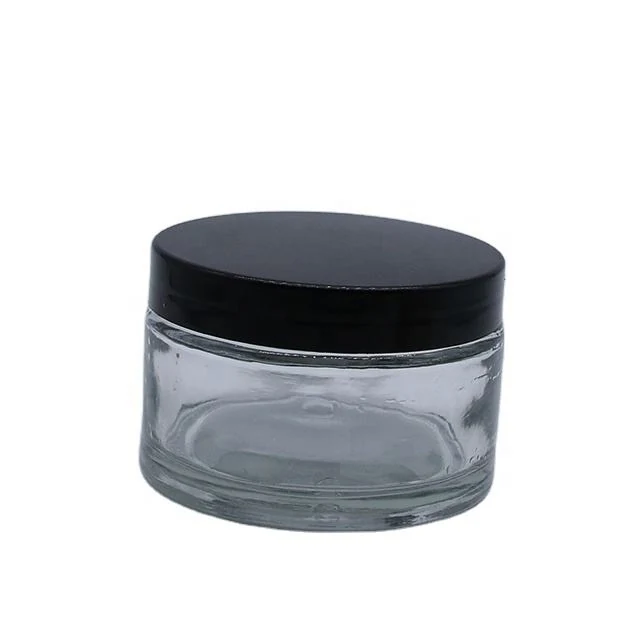
The exhibition takes place in Tirana and attracts regional visitors from across the Balkans. Packaging companies use the event to showcase glass bottle designs and manufacturing technologies.
The fair creates opportunities for beverage producers to connect with packaging suppliers. Many partnerships between local manufacturers and regional distributors begin at this event.
Drinktec
Drinktec is one of the most important global exhibitions for the beverage and liquid food industry. Although the event takes place in Germany, many Balkan manufacturers attend to connect with international beverage brands.
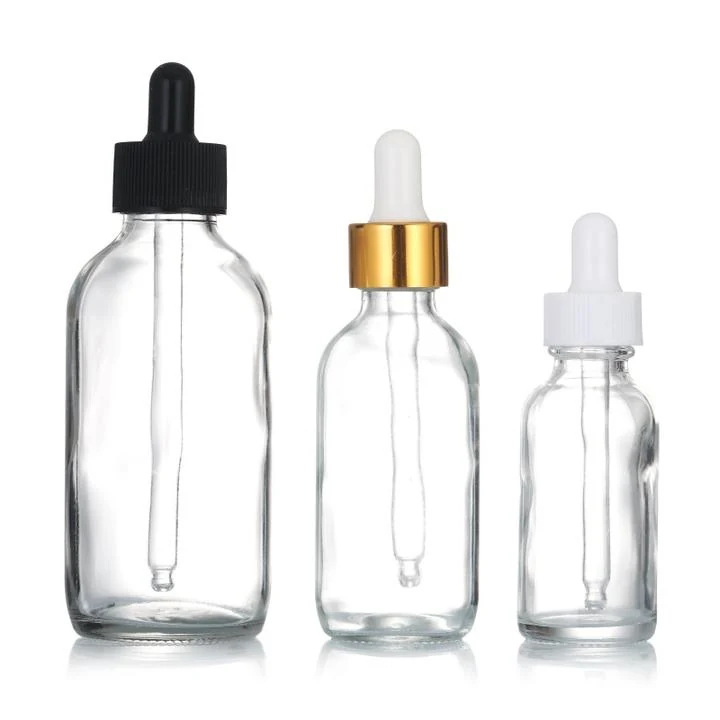
The exhibition focuses on beverage production technology, packaging innovation, and supply chain development. Glass bottle manufacturers use the event to present new container designs and sustainable packaging solutions.
| Thousands of visitors attend Drinktec from around the world. Manufacturers often use the event to expand export networks and explore partnerships with beverage producers. | Event | Date | Location | Highlights |
|---|---|---|---|---|
| Tirana International Fair | Annual | Tirana, Albania | Regional business exhibition | |
| Drinktec | Every 4 years | Munich, Germany | Global beverage technology and packaging |
Part 4: Impact of Global Trade Policies
Global trade policies influence the development of Albania’s glass bottle industry. Tariffs, trade agreements, and regional economic partnerships all shape how manufacturers compete in international markets. Trade relationships with the European Union are particularly important for Albanian producers.

Albania maintains trade agreements with several European countries through regional economic cooperation frameworks. These agreements reduce tariffs for certain industrial goods and help manufacturers export packaging materials to nearby markets.
However, the industry also faces strong competition from larger glass manufacturing countries. Nations such as Italy, Turkey, and Germany operate massive glass production facilities with advanced automation and large-scale output.
Supply Chain Considerations
Glass bottle manufacturing depends on stable supplies of raw materials such as silica sand and soda ash. These materials must be available at consistent prices for factories to maintain competitive production costs.
Energy supply is another critical factor. Glass furnaces run continuously at high temperatures, which requires large amounts of electricity or natural gas.
| Policy Factor | Industry Impact | Manufacturer Response |
|---|---|---|
| EU trade agreements | Improved export access | Regional distribution networks |
| Energy pricing | Production cost pressure | Energy efficiency upgrades |
| International competition | Price competition | Product customization |
| Environmental policy | Sustainability requirements | Recycling programs |
Many companies respond by focusing on specialized packaging designs rather than large production volumes. Custom bottles for wine and craft beverages create opportunities for differentiation.
Sustainability and Future Opportunities
Sustainability trends also influence the glass bottle industry. Governments and consumers increasingly support environmentally friendly packaging.
Glass packaging offers several advantages in this area. The material is recyclable, chemically stable, and reusable. These characteristics make glass an attractive packaging choice for brands that prioritize sustainability.
Manufacturers that invest in recycling infrastructure and energy-efficient furnaces can improve their environmental performance. This strategy also helps them meet international environmental standards.
Part 5: Conclusion
The glass bottle manufacturing industry in Albania remains relatively small but continues to grow alongside the country’s beverage and food sectors. Regional trade routes, tourism development, and the expansion of local wineries support steady demand for glass packaging. Manufacturers that focus on quality production and export partnerships are likely to benefit from this growth.
At the same time, the industry faces challenges related to energy costs, infrastructure limitations, and global competition. Companies that invest in efficiency, sustainability, and customized packaging solutions will be better positioned for long-term success. As Albania strengthens its connections with European markets, the glass packaging sector will continue to evolve and adapt to new opportunities.