Skip to content

Part 1: Market Size and Growth
The glassware industry is deeply integrated into global trade, offering an essential role in everyday life from home decor to luxury dining. As demand grows for unique, high-quality glass items, glassware manufacturers are expanding their reach across various sectors. The art of glassmaking, particularly in places like Murano, Italy, contributes to the ever-evolving landscape of this industry.

Globally, the glassware market is showing steady growth, driven by rising disposable incomes, increasing demand for premium home goods, and an expanding culinary tourism industry. In Vatican City, though not a large manufacturer of glassware itself, glass pieces from prestigious Italian regions frequently serve as religious artifacts, museum exhibits, and luxury gifts. This gives Vatican City a unique positioning in global glassware consumption, with ties to craftsmanship that resonate across the world.
Trade policies, investments, and the development of industrial clusters play a key role in shaping this market. While Vatican City itself does not have a significant glass manufacturing base, nearby areas such as Murano and Rome provide a steady supply of high-end glass pieces, reinforcing the demand for premium and artisanal products.
Part 2: Leading Companies
Murano Glass
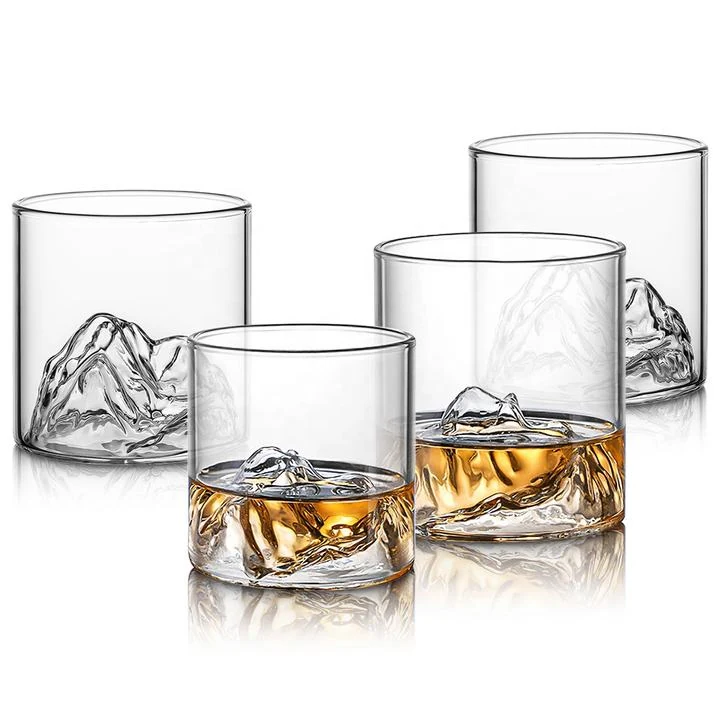
Murano Glass has been synonymous with high-quality glass craftsmanship for centuries. Located on the Murano Island near Venice, Italy, the company has been producing exquisite glass art since 1291. Murano’s artisans are known for their exceptional skills in crafting delicate glassware items, ranging from chandeliers to fine tableware.
The company specializes in the production of both functional glassware, like wine glasses and vases, and decorative pieces used in luxury interiors. Its products are sold worldwide, attracting collectors, interior designers, and tourists.
Murano Glass has become a key player in supplying Vatican City with custom, high-end glass items. In fact, pieces from Murano often make their way into religious settings, where they are displayed as symbols of art and devotion. The craftsmanship represents centuries of tradition and expertise. Murano continues to innovate with modern designs while maintaining the centuries-old techniques that made it famous.
Seguso Glass
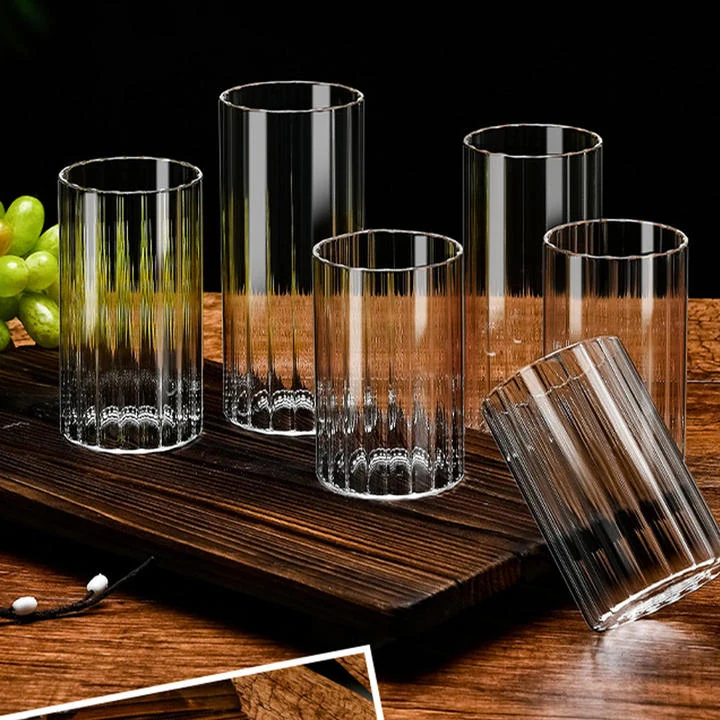
Seguso Glass is another important name in the world of Italian glass manufacturing. Founded in 1397, Seguso has upheld the tradition of making Murano glass for over 600 years. Known for its unique style and vibrant use of color, Seguso’s products have adorned the homes of royalty and art collectors alike.
Specializing in decorative glassware and glass sculptures, Seguso’s work is often showcased in fine dining establishments and art galleries. The company is highly regarded for its use of intricate techniques such as glass blowing, mold-making, and glass fusion.
Seguso’s glass pieces are frequently used in high-end hotels, churches, and private collections, including in Vatican City. The elegance of Seguso’s designs enhances the cultural significance of art displays in Vatican collections, where glass items often reflect the interplay of light, form, and religious symbolism.
Barovier & Toso
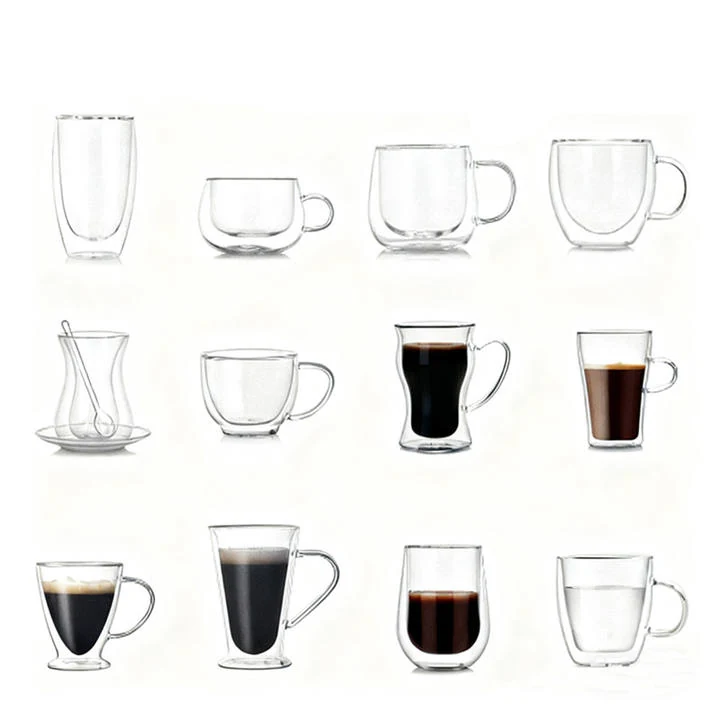
Barovier & Toso is one of the oldest and most prestigious glassmakers in the world. Established in 1295, the company specializes in producing luxurious glass items including chandeliers, vases, and bespoke glassware. Barovier & Toso is recognized for its rich heritage and its mastery of traditional glassblowing techniques.
The company has earned a reputation for innovation in glass design, blending traditional craftsmanship with modern aesthetics. Barovier & Toso’s pieces are often found in opulent hotels, prestigious private residences, and, of course, in the Vatican’s extensive art collection.
The company continues to lead in creating artistic glassware that combines functionality with stunning artistry. Vatican City’s connection to Barovier & Toso is largely through the intricate glass creations displayed in the Vatican Museums and given as special gifts to visiting dignitaries.
| Company | Founded | Core Products | Industries | Certifications |
|---|---|---|---|---|
| Murano Glass | 1291 | Glassware, Chandeliers, Vases | Luxury Goods, Art | ISO 9001:2015 |
| Seguso Glass | 1397 | Decorative Glass, Sculptures | Art, Interior Design | ISO 14001:2015 |
| Barovier & Toso | 1295 | Chandeliers, Glassware | Luxury Goods, Art | CE, ISO 9001 |
Part 3: Trade Shows and Industry Events
Glass Expo Murano
Glass Expo Murano is one of the most anticipated events for glass enthusiasts and professionals. Held annually in Venice, it attracts thousands of visitors from around the world, including artists, designers, and collectors. The expo showcases the latest trends in Murano glass, including both contemporary and traditional pieces.
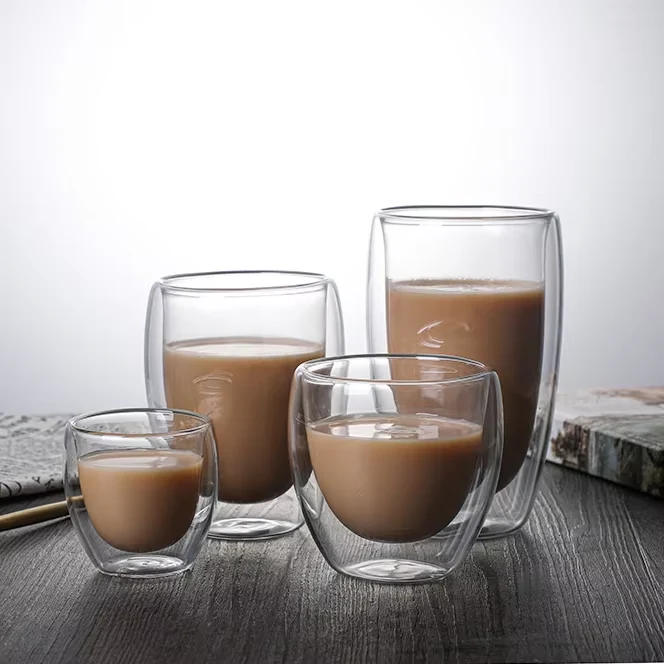
The event offers a deep dive into the craft of glassmaking, with artisans showcasing their work and demonstrating techniques. Attendees also get a chance to purchase exclusive pieces, making it a popular destination for anyone interested in high-quality glass.
The Venice Glass Week
Venice Glass Week is an exciting, week-long celebration of Venetian glass, featuring a wide range of events, exhibitions, and performances. The event brings together artisans, collectors, and manufacturers to promote glass as a medium for contemporary art.

Held each September in Venice, the festival includes workshops, live demonstrations, and exhibitions. For anyone interested in the intersection of art and glassmaking, this event is a must-see. It highlights the best of Murano's glass, which can be found in both luxury homes and historic collections like those in Vatican City.
| Event | Date | Location | Highlights |
|---|---|---|---|
| Glass Expo Murano | April | Venice, Italy | Exclusive glass pieces, live demos |
| The Venice Glass Week | September | Venice, Italy | Exhibitions, Workshops, Art Shows |
Part 4: Impact of Global Trade Policies
Global trade policies play a critical role in shaping the glassware industry. Tariffs, regulations, and import/export restrictions can significantly impact the cost of glass products and their availability in markets like Vatican City. As a result, companies must navigate complex international trade laws to ensure a steady supply of high-quality glassware.
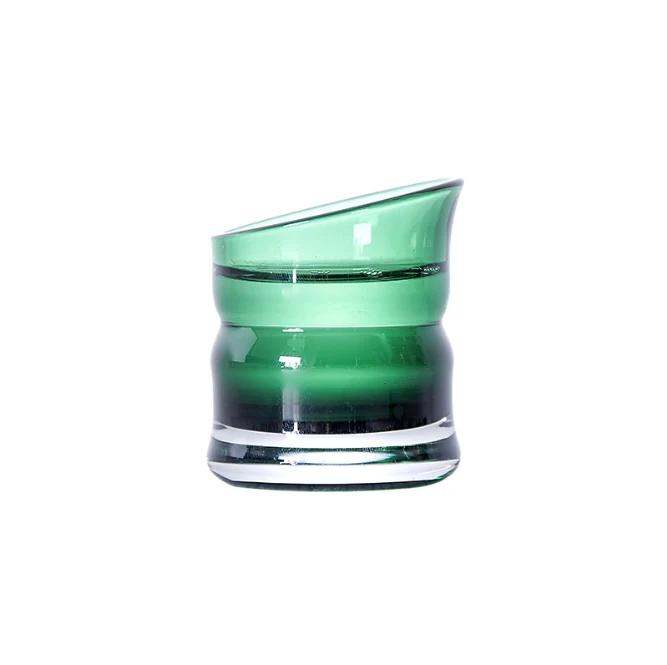
Local manufacturing may provide some buffer against supply chain disruptions, but the demand for specialized glass pieces often requires international trade. The glass industry also faces challenges related to environmental policies, such as restrictions on carbon emissions, which affect energy-intensive glass production processes.
The shift toward sustainable practices has led to the growth of local glass producers who are committed to reducing their environmental footprint. Vatican City, as a global center for religion and art, supports these initiatives, making the use of sustainable glassware increasingly popular in both sacred and secular settings.
Part 5: Conclusion
The glassware industry continues to grow, with increased demand for both functional items and decorative art pieces. Companies in Italy, particularly in Murano, have cemented their reputation as the world’s leading glass producers, supplying even prestigious locations like Vatican City. The future of this industry looks promising, with continued innovation and a rising global demand for high-quality, artisanal products.
However, challenges remain. Trade policies and environmental concerns could impact the industry’s growth and lead to supply chain disruptions. Despite these hurdles, the resilience of artisans and manufacturers ensures that glassware will remain a symbol of beauty, culture, and craftsmanship for years to come.