Skip to content
Part 1: Market Size and Growth
Israel has a relatively small but technologically capable glass bottle manufacturing sector. The country’s packaging industry supports food production, beverages, pharmaceuticals, and cosmetics. Glass bottles remain important because they preserve product quality and provide a premium appearance. Many Israeli brands prefer glass packaging when they want to highlight purity, safety, and product authenticity.
Israel’s strong innovation culture also influences the glass packaging market. Manufacturing companies often combine traditional glass production with modern engineering and automation. These improvements allow producers to maintain stable quality even with smaller production volumes compared with larger European countries.
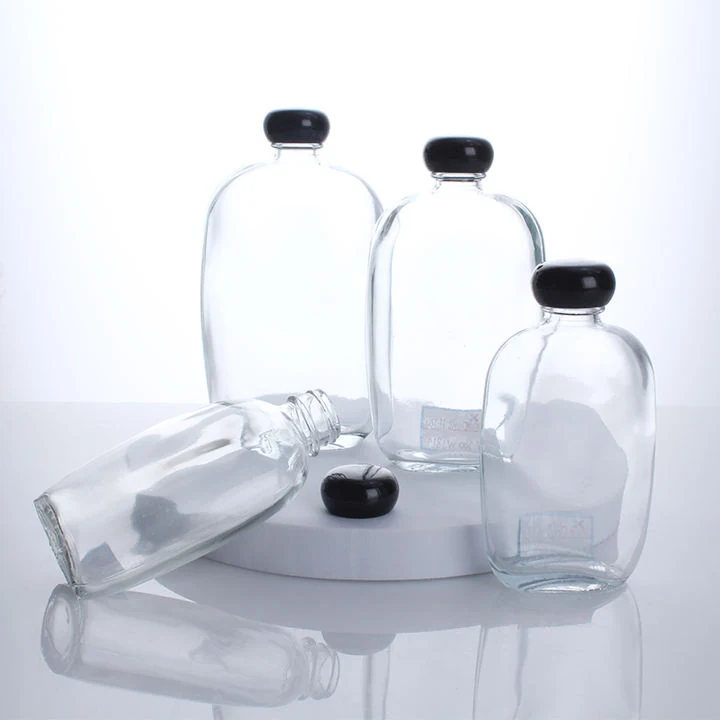
The demand for glass bottles in Israel is closely linked to the beverage and food industries. Wine production has grown steadily over the past decades, and local wineries often require high-quality glass bottles for packaging. Glass containers are also widely used for olive oil, sauces, specialty foods, and craft beverages.
Another major factor is the pharmaceutical and medical sector. Israel is known for its strong biotechnology industry. Many pharmaceutical products require chemically stable packaging, and glass bottles provide the necessary protection against contamination and chemical reactions.
Market Demand Drivers
Several key sectors support the demand for glass bottles in Israel. Food and beverage production remains one of the most important drivers. At the same time, the pharmaceutical industry increases the need for specialized glass containers.
| Demand Driver | Impact on Glass Bottle Market |
|---|---|
| Wine and craft beverage production | Growing demand for wine bottles |
| Pharmaceutical manufacturing | Need for sterile glass containers |
| Food exports | Glass jars and bottles for sauces and oils |
| Premium product branding | Custom bottle design demand |
Israel also exports many specialty food products to international markets. Glass packaging helps maintain freshness and supports the premium image of these goods. For example, olive oil producers often choose dark glass bottles to protect the product from light exposure.
Structure of the Industry
Compared with countries such as Italy or Germany, Israel has fewer large glass bottle manufacturers. Many companies focus on specialized production or packaging solutions rather than extremely high-volume manufacturing.
Some manufacturers concentrate on beverage bottles for wineries and breweries. Others focus on pharmaceutical containers or laboratory glass. This specialization allows companies to operate efficiently in niche markets.
Automation and modern quality control systems play an important role in Israeli factories. Sensors and inspection equipment check bottle thickness, weight, and shape. These systems help ensure that each bottle meets strict quality standards required by international customers.
Sustainability and Recycling
Environmental awareness is increasing across Israel. Glass recycling programs have expanded in many cities. Collection containers for glass bottles can be found in residential areas and public spaces.
Recycled glass, also known as cullet, is an important raw material in glass production. Using cullet reduces the energy required to melt raw materials. Lower energy consumption helps manufacturers reduce production costs and environmental impact.
Manufacturers also explore lightweight bottle designs. Lightweight bottles use less raw material while maintaining strength. This approach reduces shipping costs and carbon emissions during transportation.
Export and Regional Trade
Israel’s geographic location creates unique trade opportunities. The country exports food, beverages, and cosmetics to Europe, North America, and Asia. Glass packaging plays a crucial role in these exports because it protects products during long-distance shipping.
At the same time, Israel imports many glass bottles from international suppliers. Countries such as Italy, Turkey, and China supply additional bottle capacity. These imports help local beverage and food producers maintain stable supply.
Regional cooperation also affects the packaging industry. Trade agreements with international partners help Israeli companies access raw materials, machinery, and packaging technologies. This cooperation supports the development of the domestic glass container sector.
Despite its smaller size, Israel’s glass bottle market continues to grow gradually. The combination of strong food exports, advanced technology, and a thriving beverage industry supports steady demand for glass packaging.
Part 2: Leading Companies
Phoenicia Glass Industries
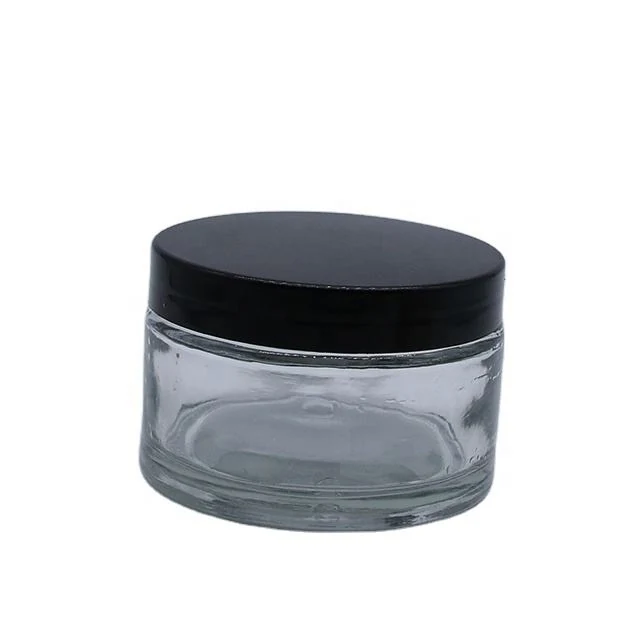
Phoenicia Glass Industries is one of the most well-known glass manufacturers in Israel. The company was founded in the 1930s and has played a major role in the country’s glass production history.
The company produces glass containers for beverages, food products, and industrial applications. Wine bottles, beer bottles, and jars for food packaging represent an important part of its product portfolio.
Phoenicia Glass works closely with Israeli wineries and beverage producers. Many local brands rely on its bottles for packaging and distribution. The company operates large furnaces and automated production lines to maintain stable supply.
Sustainability has become an important focus for the company. Investments in recycling systems and furnace efficiency help reduce environmental impact. The company also promotes the use of recycled glass in its production processes.
Carmel Glass Packaging
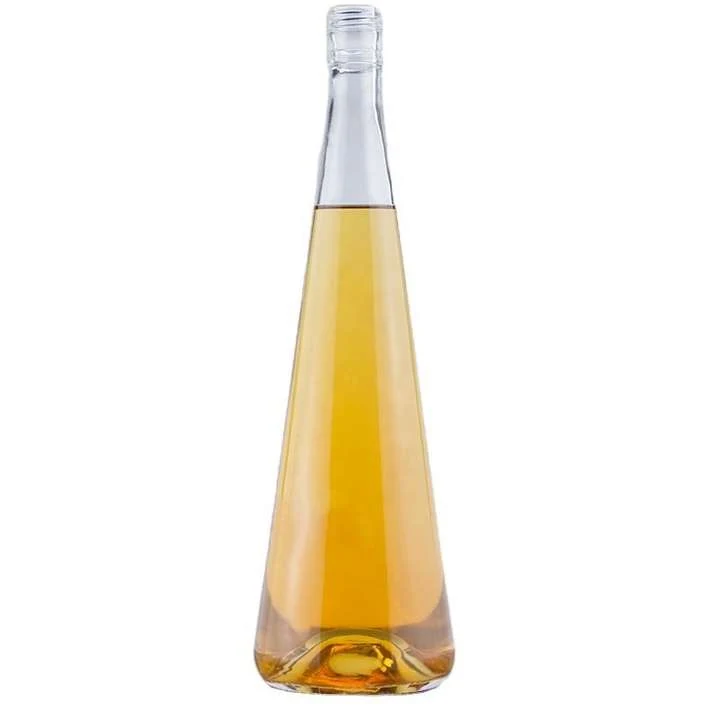
Carmel Glass Packaging is another company connected to Israel’s glass container industry. The company focuses on providing packaging solutions for beverage and food manufacturers.
The company supplies glass bottles used for wine, spirits, and specialty beverages. Many boutique wineries rely on these bottles to package small production batches. Custom bottle designs are also available for brands that want unique packaging.
Carmel Glass Packaging collaborates closely with beverage producers during product development. The company provides guidance on bottle shape, weight, and packaging compatibility with filling equipment.
Quality control plays a central role in its operations. Inspection systems help ensure that each bottle meets safety standards. These processes reduce breakage risk during transportation and storage.
O-I Israel (Owens-Illinois Operations)
O-I Israel is part of the global glass container company Owens-Illinois. The international group operates production facilities in many countries and supplies glass bottles for major beverage brands.
The Israeli operations focus on beverage containers, including bottles for beer, wine, and soft drinks. These bottles must meet strict standards for strength and consistency because they are often used in automated filling lines.
The company benefits from the technological resources of the global group. Advanced manufacturing techniques, inspection systems, and furnace technologies support efficient production.
Sustainability initiatives are also a major part of the company’s strategy. Recycling programs and energy-efficient furnaces help reduce emissions and energy consumption. These improvements align with global environmental standards.
| Company | Founded | Core Products | Industries | Certifications |
|---|---|---|---|---|
| Phoenicia Glass Industries | 1930s | Beverage bottles, food jars | Beverage, food | Environmental and quality certifications |
| Carmel Glass Packaging | 20th century | Wine and beverage bottles | Wine, beverage | Packaging safety standards |
| O-I Israel | Global group operations | Beverage glass containers | Beer, wine, soft drinks | International manufacturing certifications |
Part 3: Trade Shows and Industry Events
IsraFood Exhibition
IsraFood is one of the largest food and beverage industry exhibitions in Israel. The event connects food manufacturers, packaging companies, and equipment suppliers.
The exhibition usually takes place in Tel Aviv and attracts thousands of industry professionals. Food producers, distributors, and retailers attend the event to explore new products and packaging solutions.
Glass bottle manufacturers often participate because food packaging is a major market for their products. Visitors can see new bottle designs, packaging materials, and filling technologies.
Anuga (International Food Trade Fair)
Anuga is a major international food industry exhibition held in Germany. Israeli companies frequently attend the event to promote their food products and packaging solutions.
The exhibition attracts global buyers, retailers, and food producers. Packaging suppliers use the event to demonstrate how their containers protect food quality during global transportation.
Glass bottle manufacturers benefit from this exposure because many food brands require reliable packaging partners. Events like Anuga help connect manufacturers with new international customers.
| Event | Date | Location | Highlights |
|---|---|---|---|
| IsraFood Exhibition | Annual | Tel Aviv, Israel | Food industry and packaging innovation |
| Anuga | Biennial | Cologne, Germany | Global food trade and packaging solutions |
Part 4: Impact of Global Trade Policies
Global trade policies influence the glass bottle industry in Israel in several ways. Because the domestic market is relatively small, many companies rely on exports and international cooperation.

Trade agreements between Israel and other countries allow companies to export food and beverages more easily. These exports increase the demand for glass packaging because premium products often use glass containers.
Energy costs are another important factor. Glass production requires high temperatures, which means energy prices can strongly affect manufacturing costs. Companies must manage these costs carefully to remain competitive.
Environmental regulations also play a role in shaping the industry. Governments and international organizations increasingly encourage recyclable packaging materials. Glass fits well with these policies because it can be recycled repeatedly without losing quality.
Global competition is also increasing. Manufacturers in Asia and Eastern Europe often produce glass bottles at lower cost. Israeli companies therefore focus on quality, reliability, and specialized packaging solutions.
Despite these challenges, the country’s strong technology sector and innovative culture provide opportunities for improvement. Automation, digital monitoring systems, and efficient production processes help manufacturers maintain competitive advantages.
Part 5: Conclusion
The glass bottle manufacturing sector in Israel is relatively small but strategically important. Industries such as wine, food exports, pharmaceuticals, and cosmetics depend on reliable glass packaging. Glass bottles continue to provide excellent protection, sustainability, and premium presentation for many Israeli products.
Looking ahead, technological innovation and sustainability will likely shape the future of the industry. Manufacturers must manage energy costs, global competition, and environmental requirements. Companies that invest in recycling systems, efficient furnaces, and modern automation are more likely to maintain stable growth in the coming years.