Skip to content

Part 1: Market Size and Growth
The Republic of the Marshall Islands is a small island nation in the central Pacific Ocean. Its economy is largely supported by fisheries, tourism, government services, and international aid. Although the country does not have large-scale heavy manufacturing, glass bottle demand still exists through the beverage, food, and hospitality industries.

Beverage consumption represents the primary source of demand for glass bottles in the Marshall Islands. Imported soft drinks, beer, and alcoholic beverages dominate retail markets. Hotels, restaurants, and local stores rely on bottled beverages to meet daily consumer demand.
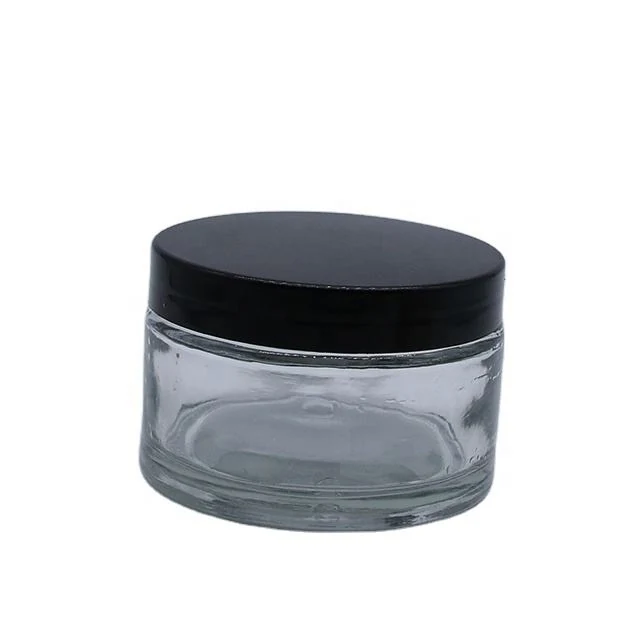
Most glass bottles used in the Marshall Islands are imported from overseas manufacturers. Packaging materials arrive through international shipping routes that connect the islands to Asia, the United States, and Australia. Because local manufacturing infrastructure is limited, import supply chains play a central role in the glass bottle ecosystem.
Tourism and Hospitality Demand
Tourism is one of the key industries influencing packaging demand in the Marshall Islands. Visitors travel to the islands for diving, marine tourism, and cultural experiences. Hotels, resorts, and restaurants require bottled beverages for guests.
Glass bottles are commonly used in hospitality venues because they provide a premium presentation. Bars and restaurants often serve imported beer and spirits packaged in glass containers.
Tourist retail stores also sell locally packaged food items and souvenirs. Products such as sauces, spices, and specialty foods are sometimes sold in glass containers to enhance product value.
Food and Beverage Distribution
Food distribution in the Marshall Islands depends heavily on imported goods. Many beverages are bottled overseas and shipped to the islands through international logistics networks.
Local distributors manage warehousing and retail distribution once products arrive in the country. Glass bottles are often reused or recycled when possible, although recycling infrastructure is still developing.
Small beverage bottling operations occasionally package drinks locally using imported bottles. These operations usually focus on flavored drinks, coconut beverages, or specialty products aimed at tourists.
Key Market Segments
Several sectors contribute to glass bottle demand in the Marshall Islands.
| Sector | Typical Products | Packaging Type |
|---|---|---|
| Beverage imports | Beer, soda, bottled drinks | Standard glass beverage bottles |
| Hospitality industry | Spirits and cocktails | Decorative glass bottles |
| Food products | Sauces, spices, specialty foods | Glass jars and bottles |
| Tourism retail | Local souvenirs and specialty items | Small decorative containers |
Glass bottles are valued because they preserve flavor and maintain product quality during long shipping routes.
Part 2: Leading Companies
Majuro Bottling Company
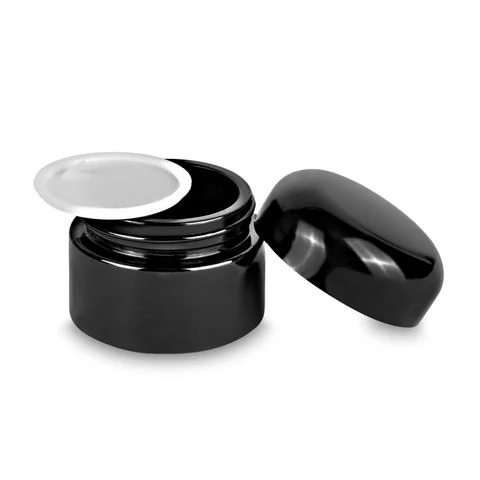
Majuro Bottling Company operates beverage distribution and bottling services in the capital city of Majuro. The company works with imported beverage brands and local drink products. Its operations rely on glass bottles to package and distribute beverages throughout the islands.
The company handles bottling, labeling, and distribution processes for various beverages. These include carbonated drinks, flavored beverages, and imported drink brands that require local packaging support.
Majuro Bottling Company primarily serves supermarkets, restaurants, and hospitality businesses. Its facilities follow food safety procedures to maintain consistent product quality.
Pacific Beverage Distributors

Pacific Beverage Distributors is involved in importing and distributing bottled beverages across the Marshall Islands. The company manages supply chains that bring beverages from international manufacturers to local markets.
Glass bottles are commonly used in the products distributed by the company. Imported beer, wine, and spirits rely on durable glass packaging that protects beverage quality during shipping.
The company supplies retail stores, hotels, and restaurants across the islands. Its distribution network helps maintain consistent availability of bottled beverages despite the geographic challenges of island logistics.
Regional Glass Packaging Suppliers

Because the Marshall Islands lacks domestic glass manufacturing facilities, regional suppliers provide most glass bottles used in the country. Manufacturers in Asia, Australia, and the United States supply packaging materials to Pacific island markets.
These suppliers produce a wide range of bottles including beverage bottles, spirit containers, and food jars. The bottles are transported via international shipping routes and distributed by local companies.
Regional suppliers often offer customization services such as unique bottle shapes, embossed logos, and decorative finishes. These features help beverage brands maintain distinctive packaging even in smaller markets.
Competitive Landscape
The glass bottle supply chain in the Marshall Islands depends on cooperation between import distributors, beverage companies, and international manufacturers. Local companies focus primarily on distribution and bottling rather than glass production.
| Company | Founded | Core Products | Industries | Certifications |
|---|---|---|---|---|
| Majuro Bottling Company | 1990s | Bottled beverages | Beverage distribution | Food safety compliance |
| Pacific Beverage Distributors | 2000s | Imported bottled drinks | Beverage and hospitality | Distribution quality standards |
| Regional Glass Packaging Suppliers | Various | Glass bottles and containers | Beverage and food packaging | International manufacturing certifications |
Competition in this market often focuses on logistics efficiency and reliable supply rather than large-scale manufacturing capacity.
Part 3: Trade Shows and Industry Events
Pacific Food & Beverage Expo
The Pacific Food & Beverage Expo connects food producers, beverage companies, and packaging suppliers across Pacific island economies. Businesses from the Marshall Islands often attend to explore new supply opportunities.

The event is typically hosted in regional hubs such as Fiji or Australia. Participants showcase products, packaging solutions, and distribution services for Pacific markets.
Glass bottle suppliers often present new packaging designs and transportation solutions suitable for island logistics.
Asia Pacific Food Expo
The Asia Pacific Food Expo is another important event for companies involved in beverage production and packaging. The exhibition attracts manufacturers, distributors, and retailers from across the region.
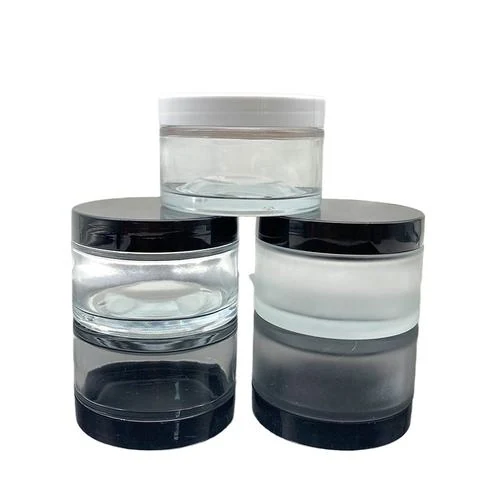
The expo rotates among major cities in Asia and the Pacific. Visitors explore innovations in food processing, beverage packaging, and logistics.
Packaging suppliers use the event to present new bottle designs and sustainable packaging materials. Businesses from Pacific island nations gain valuable insights into global industry trends.
Role of Trade Events
Trade exhibitions help companies in the Marshall Islands connect with international suppliers. These events provide opportunities to establish partnerships with packaging manufacturers and logistics providers.
Industry events also highlight new technologies in beverage bottling and packaging design. Businesses can learn about sustainable packaging practices and improved supply chain management.
| Event | Date | Location | Highlights |
|---|---|---|---|
| Pacific Food & Beverage Expo | Annual | Pacific regional hubs | Food and beverage supply networking |
| Asia Pacific Food Expo | Annual | Asia-Pacific cities | Packaging innovation and trade partnerships |
Participation in these exhibitions strengthens business connections between island markets and global suppliers.
Part 4: Impact of Global Trade Policies
Global trade policies strongly influence packaging supply chains in the Marshall Islands. Import tariffs, shipping costs, and trade agreements all affect the availability of glass bottles. Because the country relies almost entirely on imported packaging materials, international logistics conditions directly impact the local market.
Dependence on International Shipping
Glass bottles used in the Marshall Islands are transported over long distances by sea freight. Suppliers from Asia, North America, and Australia provide packaging materials and bottled beverages.
Shipping costs can fluctuate due to fuel prices and global supply chain conditions. These cost changes often affect retail beverage prices in the local market.
Local distributors must carefully manage inventory levels to ensure consistent product availability.
Regional Trade Partnerships
The Marshall Islands participates in several regional economic partnerships in the Pacific region. These agreements encourage trade cooperation and reduce barriers between island economies.
Lower tariffs and simplified customs procedures help improve access to packaging materials and bottled beverages. Regional trade networks also improve shipping routes between Pacific islands.
These partnerships help small island economies maintain stable supply chains despite limited domestic manufacturing capacity.
Global Competition and Opportunities
Glass bottle manufacturers from many countries compete to supply Pacific island markets. Large manufacturers in China, Japan, and Australia often provide packaging for beverage brands sold in the region.
However, suppliers that specialize in export packaging for island logistics maintain advantages. Strong packaging protection, efficient shipping solutions, and flexible order sizes are important factors.
Packaging design also plays a role in tourism markets. Distinctive glass bottles help beverage brands create attractive products that appeal to visitors and collectors.
Part 5: Conclusion
The glass bottle market in the Marshall Islands is shaped primarily by beverage imports, tourism demand, and international supply chains. Local companies focus on distribution and bottling services rather than large-scale manufacturing. Glass bottles remain an important packaging format because they preserve beverage quality and enhance product presentation.
Future development in this sector will likely depend on improved recycling systems and stronger regional trade cooperation. As tourism and hospitality industries grow, demand for premium bottled beverages and specialty food products will continue to support the use of glass packaging across the islands.