Skip to content
Part 1: Market Size and Growth
The glass bottle industry in Palestine is a small but very important part of the local economy. Most of the demand comes from the food and beverage sector, especially for olive oil, juices, and traditional herbal medicine. While the region faces unique challenges, the move toward sustainable packaging has pushed many local businesses to choose glass over plastic. This shift is helping the market grow slowly but steadily as consumers look for premium and eco-friendly options.
In the West Bank and Gaza, the market size is heavily linked to the agricultural cycles. For example, during the olive harvest season, the need for high-quality glass containers spikes significantly. Local manufacturers often focus on producing dark-colored glass to protect the oil from light. Beyond food, the pharmaceutical and cosmetic industries in cities like Ramallah and Nablus are also starting to use more locally made or locally sourced glass bottles for their products.
The growth of this industry is supported by a mix of long-standing family traditions and some newer investments in small-scale factories. Even though large-scale industrialization is difficult due to resource limits, many small workshops are finding success in niche markets. They often serve specialized juice brands or craft producers who want a unique look. The local industry is trying to reduce its reliance on imports by improving domestic recycling and production methods.
Key Market Segments in Palestine
| Segment | Primary Use | Demand Level | Growth Driver |
|---|---|---|---|
| Olive Oil | Storage and Export | Very High | Agricultural Exports |
| Beverages | Juices and Soda | Medium | Urban Consumption |
| Pharmacy | Traditional Medicine | Medium | Health Awareness |
| Cosmetics | Perfumes and Oils | Emerging | Boutique Brands |
The industrial landscape is also shaped by the geographical clusters found in different cities. Hebron, for instance, is world-famous for its traditional glass-blowing heritage, which attracts tourists and international collectors. This cultural history provides a strong foundation for modern glass businesses. Meanwhile, the presence of industrial zones helps larger distributors manage the supply chain and reach broader markets despite the logistical hurdles.
Part 2: Leading Companies
Hebron Glass & Ceramics Factory
This company is one of the oldest and most famous glass producers in the region, located in the heart of Hebron. It started many decades ago as a family business rooted in ancient Phoenician techniques. They are known for keeping the tradition of hand-blown glass alive while also moving into more commercial bottle shapes. The background of this factory is deeply tied to the cultural identity of Palestine, making it a landmark for both industry and tourism.
They offer a wide range of products including decorative bottles, traditional water jars, and customized glass containers. Unlike mass-produced items, their bottles often feature unique colors like "Hebron Blue" or vibrant turquoise. They serve the gift market, the hospitality sector, and specialized food producers who want their packaging to tell a story. Their focus is on the beauty of the glass as much as its function.
The technical side of their work involves using recycled glass and melting it in high-temperature clay ovens. They have mastered the art of adding specific minerals to create rich colors without using harmful chemicals. Because of their commitment to heritage, they have received numerous cultural awards and are recognized by international tourism boards. They continue to innovate by blending modern designs with their 700-year-old traditional methods.
Nablus Glass Works
Based in the industrial area of Nablus, this company focuses more on the commercial and industrial side of glass production. It was established to meet the rising demand for standardized glass bottles used by local beverage companies. The factory uses more automated processes compared to the artisan shops in Hebron. This allows them to produce larger quantities of clear and amber glass bottles for everyday use.
Their product line mainly includes bottles for water, soda, and various food preserves. They provide different sizes ranging from small 250ml bottles to large jars for pickling. Their primary customers are food processing plants and commercial bottling companies across the West Bank. They pride themselves on providing consistent quality and reliable shapes that work well with modern filling and capping machinery.
Innovation at Nablus Glass Works is centered on improving the durability of the glass to prevent breakage during transport. They have invested in better cooling processes to ensure the glass is stress-free and strong. The company holds local quality certifications and often works with international NGOs to improve their environmental standards. They are currently looking into ways to use more solar energy in their production line to lower costs.
Palestinian Glass & Mirror Co.
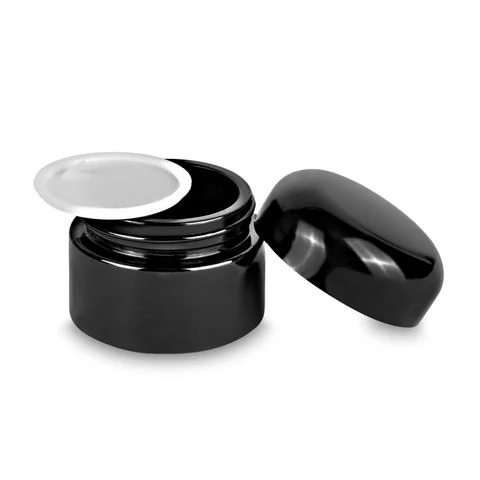
This company operates on a larger scale and covers both container glass and architectural glass. Located strategically to serve major urban centers, it has built a reputation for being a versatile supplier. They started as a small mirror shop and expanded into a full-scale glass solution provider. Their background is characterized by steady growth and a focus on the modern needs of the Palestinian construction and packaging sectors.
They produce high-quality glass bottles for the pharmaceutical industry and high-end cosmetic brands. Their services include custom molding, which is very helpful for new brands looking to create a specific identity. They serve a wide range of industries including healthcare, home decor, and food retail. Their ability to handle both large and small orders makes them a favorite for local entrepreneurs.
The company uses advanced cutting and finishing technology to ensure every bottle has a perfect neck and base. They have a dedicated quality control team that checks for clarity and thickness. Over the years, they have won several industrial excellence awards within the region. They are known for their professional approach and their ability to meet strict deadlines even when supply routes are difficult.
Comparison of Leading Glass Companies
| Company | Founded | Core Products | Industries | Certifications |
|---|---|---|---|---|
| Hebron Glass | 1960s (Modern Era) | Hand-blown Bottles | Tourism & Specialty Food | Cultural Heritage Award |
| Nablus Glass Works | 1998 | Soda & Water Bottles | Beverage & Food | Local Quality Standard |
| Palestinian Glass & Mirror | 1985 | Pharma & Cosmetic Jars | Healthcare & Decor | Industrial Excellence |
Part 3: Trade Shows and Industry Events
Palestine Food & Packaging Expo
The Palestine Food & Packaging Expo is the most important event for anyone in the glass bottle business. It brings together farmers, food processors, and packaging manufacturers under one roof. The event focuses on how to better present Palestinian products to the world market. I find this event very useful because it shows the direct link between the quality of a bottle and the success of the product inside it.
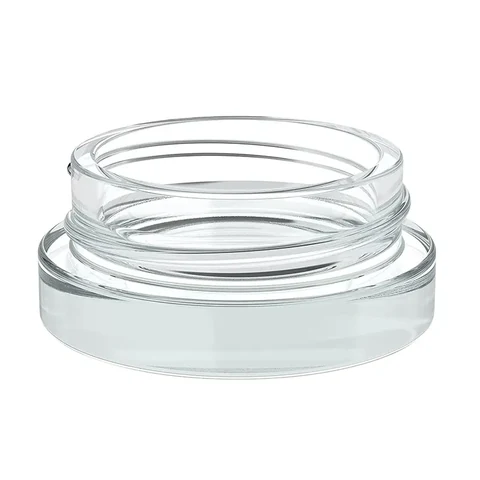
The expo usually takes place in Ramallah once a year and lasts for three days. It attracts hundreds of exhibitors and thousands of visitors from across the region and sometimes from abroad. During the event, there are many workshops about the latest trends in sustainable packaging. Manufacturers use this time to display their new bottle designs and meet with potential long-term buyers.
The highlights of the show often include design competitions for the best-packaged local product. There is a strong emphasis on "Made in Palestine" branding, which encourages local glass makers to improve their standards. You can see everything from traditional olive oil carafes to modern, sleek juice bottles. It is a great place to network and see how the industry is moving toward more modern and efficient styles.
Hebron Traditional Craft Fair
The Hebron Traditional Craft Fair is a unique event that celebrates the artistic side of glass making. While it covers many crafts, glass blowing and bottle making are always the stars of the show. This event is vital for preserving the cultural methods that make Palestinian glass unique. It reminds everyone that glass making is not just a business, but a form of art that has survived for centuries.
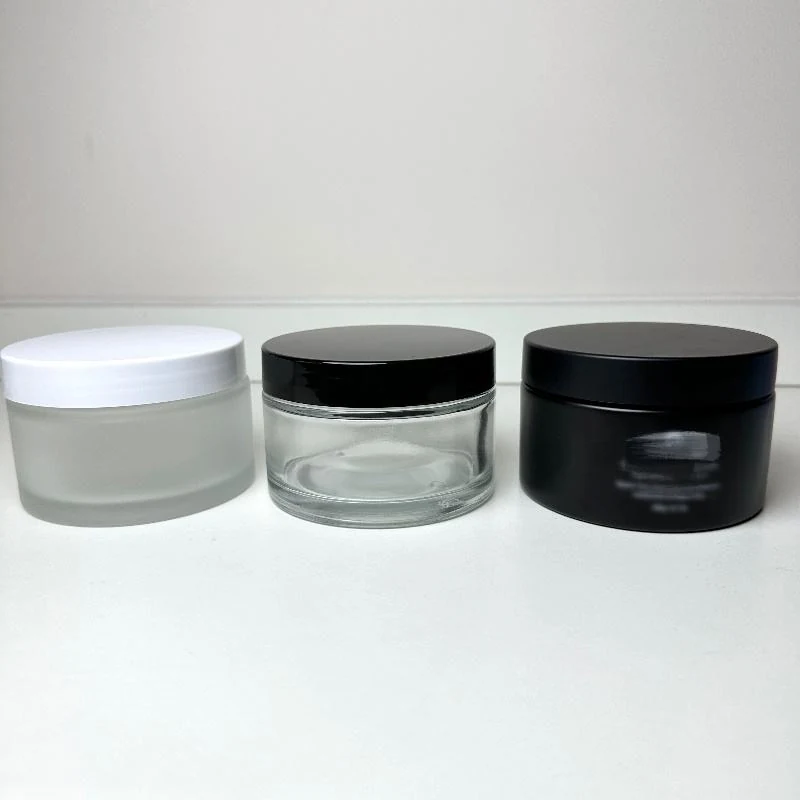
This fair happens annually in the old city of Hebron and attracts a lot of international attention. It is attended by artists, historians, and retail buyers who are looking for authentic, handmade glass items. The fair provides a platform for small family workshops to show their skills to a wider audience. It is often supported by local municipalities and international cultural organizations.
The main highlight is the live glass-blowing demonstrations where masters turn molten glass into beautiful bottles in minutes. Visitors can see the raw talent and the intense heat required to create these pieces. Many buyers use this event to commission custom, limited-edition bottles for high-end restaurants or luxury gift sets. It bridges the gap between ancient history and modern commerce perfectly.
Industry Event Summary
| Event | Date | Location | Highlights |
|---|---|---|---|
| Food & Packaging Expo | Annually (October) | Ramallah | Sustainable Tech & B2B |
| Hebron Craft Fair | Annually (Spring) | Hebron | Live Glass Blowing & Art |
Part 4: Impact of Global Trade Policies
Global trade policies have a very big impact on how glass bottles are made and sold in Palestine. Because the region has specific import and export rules, getting raw materials like silica sand or specialized soda ash can be difficult. This often leads to higher production costs compared to neighboring countries. However, these challenges have forced local manufacturers to become very creative with recycling and using local resources.
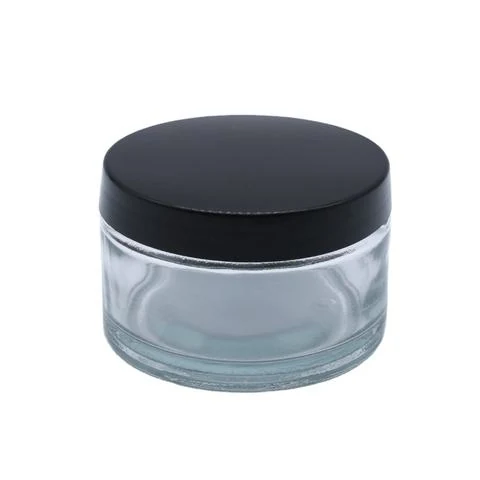
Trade agreements with the European Union and other Arab nations provide some opportunities for Palestinian glass. These agreements allow for some tax-free exports, which helps local olive oil producers ship their products in high-quality glass bottles to international markets. On the other hand, movement restrictions can sometimes delay the delivery of finished goods. This makes it hard for local factories to compete on speed, so they focus on quality and cultural uniqueness instead.
There is also a strong movement toward "local substitution" because of the risks in the global supply chain. When international prices for glass rise or shipping becomes blocked, local businesses turn to Palestinian manufacturers. This has created a more resilient local market. While competition from cheap imports is always a threat, the "Made in Palestine" label carries a lot of weight and pride, helping local factories stay in business.
Part 5: Conclusion
The glass bottle industry in Palestine is a mix of ancient tradition and modern necessity. There are many opportunities for growth, especially as the world moves away from plastic. Local manufacturers have the chance to lead in sustainable packaging for the olive oil and beverage sectors. By combining their unique artistic heritage with better technology, they can reach more international customers who value authenticity and quality.
However, the industry still faces many risks and challenges. High energy costs and difficult trade routes make it hard to keep prices low. There is also a need for more investment in modern machinery to compete with large international factories. If the local industry can overcome these logistical hurdles and continue to innovate, it will remain a vital and proud part of the Palestinian economy for many years to come.