Skip to content

Part 1: Market Size and Growth
Papua New Guinea (PNG) has a developing packaging industry that is closely connected to the country’s beverage, food, and agricultural sectors. Manufacturing capacity is limited compared with larger economies in Asia, yet the demand for reliable packaging materials continues to grow. Glass bottles play an important role because they protect product quality and provide a durable packaging solution.
The beverage industry is the main driver of glass bottle demand in Papua New Guinea. Breweries, bottled water producers, and soft drink companies all rely on glass containers for certain product lines. Glass packaging helps maintain flavor stability and carbonation, which is especially important for beer and premium beverages.
Economic development and urban population growth also influence the packaging market. As more consumers move into cities, retail demand for bottled beverages and packaged food products increases. This trend encourages distributors and manufacturers to maintain stable supplies of glass bottles.
Beverage Industry Driving Demand
The beverage industry is one of the most established manufacturing sectors in Papua New Guinea. Local breweries distribute beer across the country, and many products are packaged in glass bottles. Glass containers are often reused through return systems, which helps reduce packaging costs.
Soft drink companies also use glass bottles for certain markets. Although plastic packaging is common for large-scale distribution, glass containers remain popular in restaurants, bars, and hotels because they provide a premium appearance.
Bottled water producers represent another growing segment. Tourism and urban lifestyle changes have increased demand for packaged drinking water, which requires reliable bottle supply.
The table below shows the main industries that create demand for glass bottles in Papua New Guinea.
| Industry | Bottle Types | Main Applications |
|---|---|---|
| Beer & Spirits | Beer bottles, liquor bottles | Hospitality and retail |
| Soft Drinks | Soda bottles | Restaurants and stores |
| Bottled Water | Clear glass bottles | Premium beverage brands |
| Food Processing | Glass jars | Sauces and preserved foods |
Import-Based Supply Structure
Papua New Guinea imports a significant portion of its glass bottles from international manufacturers. Suppliers from Australia, China, and Southeast Asia provide many of the bottles used by beverage and food companies.
Importers and distributors often maintain warehouses near major ports such as Port Moresby and Lae. These facilities allow companies to store packaging materials and distribute them across the country.
Transportation logistics can be challenging because of Papua New Guinea’s mountainous terrain and island geography. Packaging distributors must carefully manage transportation to ensure that fragile glass bottles reach manufacturers safely.
Future Market Opportunities
The glass bottle market in Papua New Guinea is expected to grow alongside the beverage and hospitality industries. Tourism development and expanding urban populations will increase demand for bottled beverages.
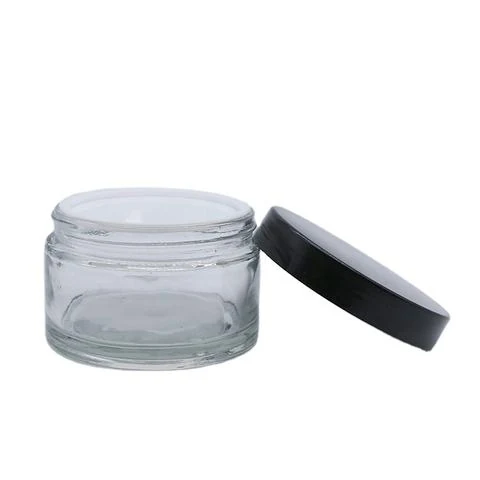
Local food producers may also create new opportunities for glass packaging. Products such as sauces, spices, honey, and coconut-based foods often use glass jars because they help maintain freshness and visual appeal.
Environmental considerations could further support glass bottle usage. Glass containers are recyclable and reusable, which aligns with global sustainability trends. Bottle return systems may become more common as businesses seek cost-effective packaging solutions.
Part 2: Leading Companies
SP Brewery

SP Brewery is one of the largest beverage producers in Papua New Guinea. The company has a long history in the country’s brewing industry and produces several well-known beer brands.
The brewery packages many of its products in glass bottles because they preserve carbonation and maintain flavor stability. Glass bottles also support the traditional presentation of beer products in restaurants and retail stores.
SP Brewery distributes its beverages across Papua New Guinea through a large logistics network. Hotels, bars, supermarkets, and small retailers all depend on the company’s products.
The company focuses on quality control and efficient production systems. Bottle return and recycling programs help reduce packaging waste and improve sustainability.
Coca-Cola Europacific Partners PNG
Coca-Cola Europacific Partners operates beverage bottling facilities in Papua New Guinea. The company produces soft drinks and distributes them across the country through an extensive retail network.
Glass bottles are used for certain product lines because they maintain carbonation and provide a familiar packaging format for consumers. These bottles are widely used in restaurants, hotels, and convenience stores.
The company’s operations include bottling, distribution, and supply chain management. Reliable packaging supply is critical to maintaining production efficiency.
International quality standards and strict manufacturing procedures guide the company’s production process.
Regional Packaging Importers

Several packaging importers operate in Papua New Guinea to supply glass bottles to local industries. These companies import containers from large manufacturing countries and distribute them to beverage producers and food companies.
Importers usually maintain inventories of standard bottle designs. This allows local businesses to access packaging quickly without ordering large international shipments.
These distributors serve breweries, beverage bottlers, food processors, and cosmetic product manufacturers. Their role is essential because local glass manufacturing capacity remains limited.
Many importers are expanding their services to include customized packaging and labeling solutions for local brands.
| Company | Founded | Core Products | Industries | Certifications |
|---|---|---|---|---|
| SP Brewery | 1950s | Beer bottles usage | Beverage industry | Beverage production standards |
| Coca-Cola Europacific Partners PNG | 1990s | Soft drink bottling | Beverage industry | International quality compliance |
| Regional Packaging Importers | Various | Imported glass bottles | Food and beverage | Import and logistics licenses |
Part 3: Trade Shows and Industry Events
Papua New Guinea Industrial & Mining Expo
The Papua New Guinea Industrial & Mining Expo is one of the country’s largest business events. Although it focuses mainly on industrial sectors, manufacturing and packaging companies also participate.
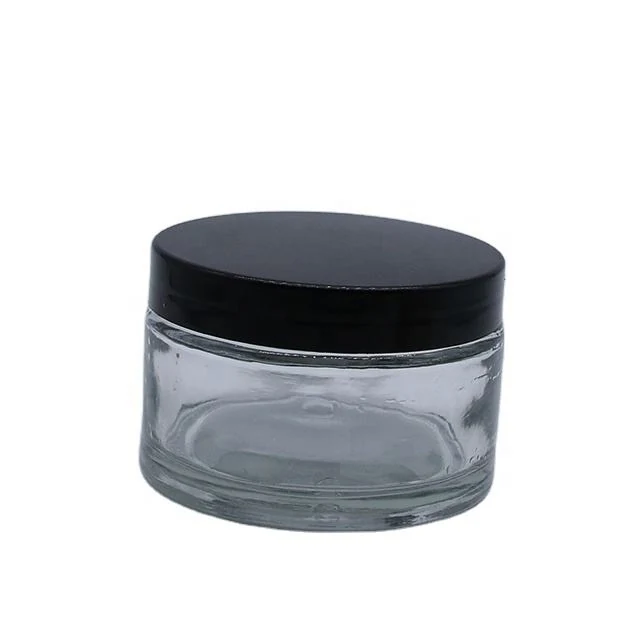
The event brings together international suppliers, technology providers, and local businesses. Packaging suppliers often display containers, packaging materials, and manufacturing equipment.
For beverage and food companies, the expo offers opportunities to explore new packaging technologies and supply chain solutions.
Pacific Food & Beverage Trade Expo
The Pacific Food & Beverage Trade Expo is a regional exhibition that highlights food production, beverage manufacturing, and packaging innovation across the Pacific region.
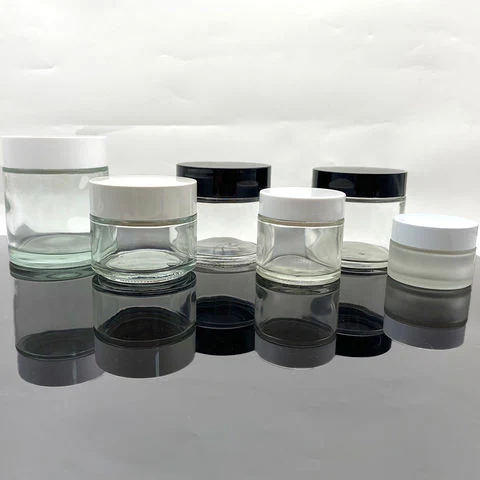
Companies from different Pacific countries attend the event to showcase products and explore partnerships. Packaging suppliers often present glass containers, labeling solutions, and processing equipment.
The exhibition helps local businesses learn about modern packaging trends and connect with international suppliers.
| Event | Date | Location | Highlights |
|---|---|---|---|
| Papua New Guinea Industrial & Mining Expo | Annual | Port Moresby | Industrial and packaging technologies |
| Pacific Food & Beverage Trade Expo | Annual | Pacific region | Food production and packaging innovation |
Part 4: Impact of Global Trade Policies
Global trade policies play a significant role in Papua New Guinea’s glass bottle market. Because many bottles are imported, international shipping conditions and trade agreements influence supply chains.

Regional trade partnerships with Australia, China, and Southeast Asian countries help ensure stable supply of packaging materials. These relationships allow beverage and food companies to access a wide range of bottle designs.
Shipping costs and logistics conditions also affect pricing. Glass bottles are heavy and fragile, which makes transportation expensive compared with other packaging materials.
Supply Chain Challenges
Papua New Guinea’s geography creates several logistical challenges. The country includes mountainous terrain and numerous islands, which makes transportation complex.
Packaging distributors must manage careful handling procedures to prevent breakage during transport. Warehousing and distribution infrastructure play an important role in maintaining stable supply.
Opportunities in Regional Cooperation
Regional partnerships provide opportunities for improving packaging supply chains. Companies in Papua New Guinea often collaborate with manufacturers in Australia and Asia to secure reliable packaging materials.
As the beverage and food sectors expand, demand for glass bottles will continue to grow. Businesses that establish strong supplier relationships will benefit from more stable packaging supply.
| Factor | Impact on Industry | Opportunity |
|---|---|---|
| Import dependence | Limited local production | International supplier partnerships |
| Logistics challenges | Higher transportation costs | Improved distribution systems |
| Tourism growth | Increased beverage demand | Premium packaging opportunities |
| Sustainability trends | Interest in recyclable packaging | Expansion of glass bottle use |
Part 5: Conclusion
The glass bottle market in Papua New Guinea is closely linked to the country’s beverage and food industries. Breweries, soft drink companies, and bottled water producers rely on glass containers to protect product quality and enhance brand presentation. Glass packaging continues to play a valuable role in retail and hospitality markets.
Although domestic glass manufacturing remains limited, international suppliers provide reliable access to packaging materials. Importers and distributors help ensure that businesses can maintain stable bottle supply.
Future growth will likely be driven by tourism development, urbanization, and expanding food production. Companies that invest in efficient logistics and strong supplier partnerships will be well positioned to succeed in Papua New Guinea’s evolving packaging market.