Aller au contenu
Partie 1 : Taille et croissance du marché
L'Ouganda connaît actuellement un changement radical dans la manière de traiter les emballages de produits, car le pays s'éloigne des plastiques à usage unique. L'industrie de la bouteille en verre se développe rapidement car les entreprises locales de boissons et les transformateurs de produits alimentaires veulent des options plus durables. La demande de récipients en verre de haute qualité a atteint de nouveaux sommets en 2026 en raison de l'essor des secteurs de l'hôtellerie et de l'exportation. Nous constatons une tendance claire : les grandes marques comme les petites entreprises choisissent le verre pour donner à leurs produits une touche haut de gamme et respectueuse de l'environnement.
La taille du marché des importations de verre en Ouganda devrait augmenter régulièrement à mesure que l'industrialisation locale s'accélère. Bien que de nombreuses bouteilles soient encore importées des voisins régionaux, la capacité de production locale se développe pour répondre aux besoins nationaux. L'accent est mis sur l'industrie des boissons, en particulier la bière, les sodas et les spiritueux, qui nécessitent des millions d'unités par an. Cette croissance est soutenue par une population jeune et un nombre croissant de consommateurs urbains qui préfèrent les boissons en bouteille aux emballages traditionnels.
L'investissement dans le secteur du verre est également motivé par la position stratégique de l'Ouganda au sein de la Communauté d'Afrique de l'Est (CAE). En produisant le verre localement, les entreprises peuvent éviter les coûts de transport élevés et bénéficier des accords commerciaux régionaux. De nouveaux parcs industriels comme celui de Namanve deviennent des pôles d'innovation en matière d'emballage et de recyclage du verre. Le gouvernement continuant à soutenir les politiques "Buy Uganda, Build Uganda" (BUBU), l'avenir des fabricants de bouteilles en verre s'annonce très prometteur.
Plongée dans la dynamique du marché du verre en Ouganda
L'industrie du verre en Ouganda ne se limite pas à la fabrication ; elle vise également à construire une économie circulaire. En 2026, nous assisterons à une collaboration accrue entre les producteurs de verre et les entreprises de recyclage afin de garantir un approvisionnement régulier en calcin. Cela permet de réduire l'énergie nécessaire pour faire fonctionner les fours et de maintenir les coûts de production à un niveau plus bas pour les acheteurs B2B. La transition vers des bouteilles en verre léger est une étape technique majeure pour le marché local cette année. Ces conceptions plus légères permettent aux entreprises de boissons d'économiser sur la logistique tout en conservant la solidité du contenant.
| Segment du marché | Type de produit primaire | Facteurs clés |
|---|---|---|
| Boissons gazeuses | Verre à silex 300ml & 500ml | Fidélité à la marque et urbanisation |
| Boissons alcoolisées | Bouteilles de bière ambrée et verte | Tourisme et expansion des brasseries locales |
| Aliments et sauces | Bocaux en verre à large ouverture | Exportation de produits agricoles transformés |
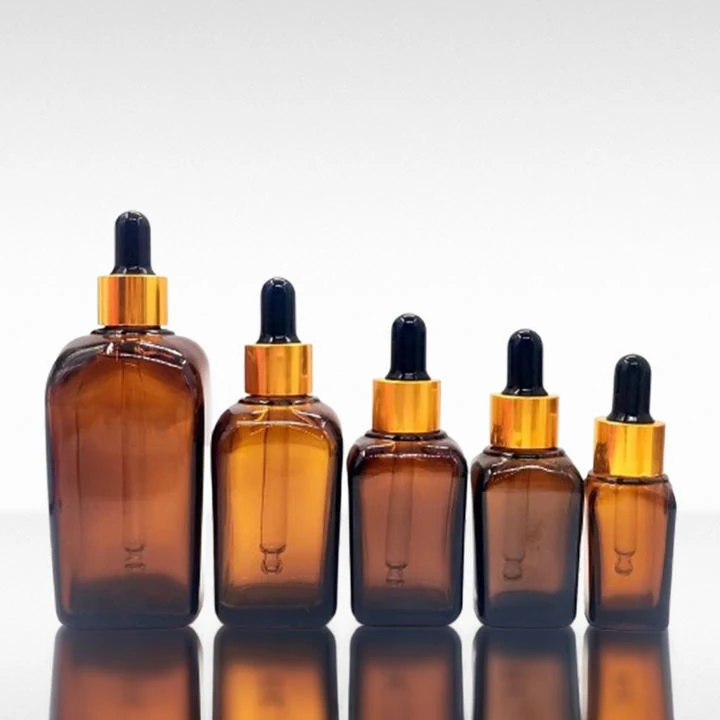
| Produits pharmaceutiques | Fioles et flacons de sirop ambrés | La fabrication de médicaments à l'échelon local est encouragée |
En outre, l'essor des marques "artisanales" spécialisées dans les secteurs du miel et des huiles essentielles a créé une niche pour le verre décoratif. Les petits entrepreneurs sont à la recherche de formes de bouteilles uniques qui peuvent aider leurs produits à se démarquer sur les étagères internationales. Répondre aux normes de qualité strictes des acheteurs européens et américains est une priorité absolue pour les exportateurs ougandais. En investissant dans une meilleure technologie de contrôle de la qualité, les fournisseurs de verre ougandais s'imposent peu à peu sur la scène mondiale.
Partie 2 : Entreprises leaders
Mukwano Industries (U) Ltd
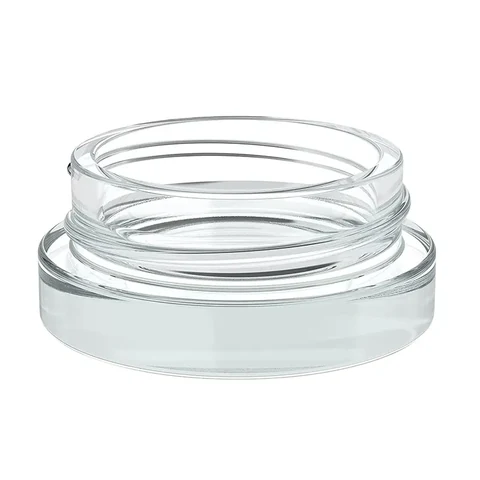
Mukwano Industries est un géant dans le paysage industriel de l'Afrique de l'Est et joue un rôle essentiel dans l'histoire de l'emballage en Ouganda depuis des décennies. Bien qu'elle soit connue pour de nombreux produits, son implication dans la chaîne d'approvisionnement des conteneurs en verre et en plastique est légendaire. Basée à Kampala, elle dispose de l'infrastructure nécessaire pour gérer d'importants réseaux de distribution dans tout le pays et dans la région. Leur présence à long terme sur le marché en fait un partenaire de confiance pour toute entreprise à la recherche d'un emballage fiable. Ils comprennent mieux que quiconque la logistique locale et les besoins spécifiques du consommateur africain.
L'entreprise propose une large gamme de solutions d'emballage destinées au secteur des biens de consommation à rotation rapide (FMCG). Il s'agit notamment de pots en verre résistants pour les huiles et les produits alimentaires qui nécessitent une longue durée de conservation et des normes de sécurité élevées. L'entreprise s'attache à créer des produits durables qui peuvent survivre au transport sur de longues distances et sur des routes cahoteuses. Leur capacité à augmenter rapidement la production est un avantage majeur pour les entreprises saisonnières telles que les fabricants de jus de fruits. Ils travaillent souvent avec des clients B2B pour s'assurer que l'emballage correspond à l'identité de la marque et aux exigences fonctionnelles.
Mukwano sert principalement les industries de l'alimentation, des boissons et des soins personnels dans tout l'Ouganda et les pays voisins. L'entreprise a joué un rôle déterminant dans la promotion de meilleures normes de fabrication et de l'approvisionnement local en matières premières. L'innovation technique chez Mukwano consiste à intégrer une logistique intelligente à ses lignes de production afin de réduire les délais. Elles détiennent plusieurs certifications de gestion de la qualité et ont reçu de nombreux prix pour leur contribution à la croissance industrielle de l'Ouganda. Leur engagement dans l'initiative BUBU en fait une pierre angulaire de l'économie nationale.
Glass Recycling Industries Ltd
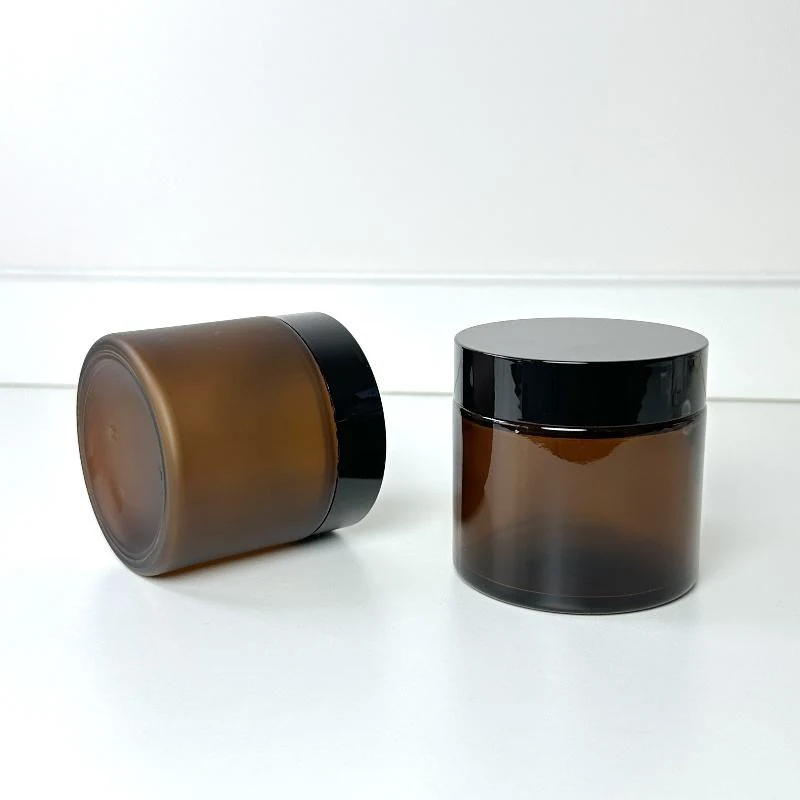
Située dans le parc industriel de Namanve, Glass Recycling Industries Ltd est un leader dans le domaine du développement durable dans le secteur du verre. Elle est spécialisée dans la collecte et le traitement du verre usagé afin de créer du calcin de haute qualité pour la fabrication. Cette entreprise est essentielle car elle fournit les matières premières dont les autres verreries ont besoin pour rester efficaces. En se concentrant sur le recyclage, ils aident l'Ouganda à gérer ses déchets tout en soutenant la production de nouvelles bouteilles en verre. Elle est un acteur clé du mouvement écologique dans le secteur industriel ougandais.
Ses produits comprennent du calcin de verre traité de différentes couleurs comme le silex, l'ambre et le vert, qui sont prêts pour le four. Ils produisent également du sable de verre utilisé dans la construction et d'autres applications industrielles. Leur service aide les grandes entreprises de boissons à atteindre leurs objectifs environnementaux en reprenant les vieilles bouteilles et en les transformant en matières premières. Cette approche circulaire devient la norme pour l'industrie du verre en 2026. Elles fournissent un service essentiel qui relie la gestion des déchets à la fabrication haut de gamme.
Cette entreprise est au service des fabricants de verre, des entreprises de construction et des exportateurs internationaux qui ont besoin de matières premières durables. Elle innove constamment dans sa technologie de tri afin de garantir que le verre qu'elle traite est exempt de contaminants. Cette précision est essentielle pour la fabrication de bouteilles en verre médical et alimentaire de haute qualité. Leur travail a été reconnu par les agences environnementales pour la réduction significative de l'empreinte carbone de l'industrie locale. Ils sont un exemple parfait de la manière dont la durabilité et les affaires peuvent aller de pair dans l'Ouganda d'aujourd'hui.
Good Glass Uganda
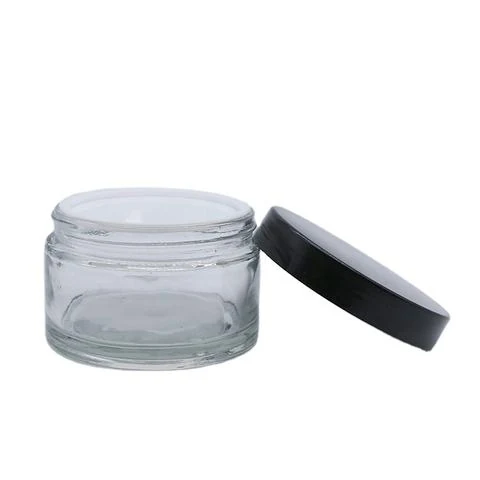
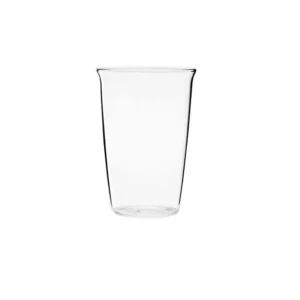
Good Glass est une entreprise sociale unique qui apporte une touche artistique et éthique à l'industrie du verre en Ouganda. Elle se concentre sur le recyclage des bouteilles en verre pour en faire de magnifiques articles de grande valeur tels que des verres à boire, des vases et des chandeliers. Bien qu'elle soit plus petite que les géants de l'industrie, son impact sur le marché des boutiques et de l'hôtellerie est très important. Ils prouvent que le verre peut être transformé en objets de luxe avec un design et un savoir-faire adéquats. Leurs produits sont appréciés dans les hôtels haut de gamme et les boutiques de cadeaux de toute l'Afrique de l'Est.
Elle propose une variété de produits en verre fabriqués à la main, parfaits pour le secteur de l'hôtellerie et de la décoration d'intérieur. Chaque pièce est unique et raconte une histoire de durabilité et de talent local. Ils proposent des services de gravure et de marquage personnalisés pour les cadeaux d'entreprise et les événements spéciaux. Pour les acheteurs B2B de l'industrie du tourisme, Good Glass offre un moyen de proposer aux clients des produits écologiques et fabriqués localement. L'accent mis sur une finition de haute qualité garantit que le verre recyclé a l'air aussi bon que le neuf.
Good Glass s'adresse à l'industrie du tourisme, aux détaillants de cadeaux et aux consommateurs soucieux de l'environnement qui apprécient la qualité du travail fait à la main. L'orientation de l'innovation est axée sur la formation des jeunes locaux au travail du verre, la création d'emplois et la préservation des techniques artisanales. En transformant les "déchets" en "trésors", ils sont à l'origine d'un changement culturel dans la manière dont les Ougandais perçoivent les produits recyclés. Ils ont attiré l'attention internationale pour leur impact social et leur approche créative de la gestion des déchets. Ils continuent d'étendre leur portée grâce à des plateformes en ligne et à des salons de design internationaux.
Comparaison des principaux acteurs du secteur du verre en Ouganda
| Entreprise | Domaine d'intervention | Produits de base | Portée du marché | Points forts |
|---|---|---|---|---|
| Mukwano Industries | Produits de grande consommation à grande échelle | Pots et bouteilles alimentaires | Afrique de l'Est et centrale | Distribution massive |
| Glass Recycling Ind. | Durabilité | Calcin et sable de verre | B2B industriel | Économie circulaire |
| Good Glass Uganda | Artisanat/Boutique | Verrerie recyclée | Hôtellerie et commerce de détail | Impact social |
Partie 3 : Salons professionnels et événements industriels
Les Interplast-Pack Africa 2026 est le premier événement pour tous ceux qui sont impliqués dans l'industrie de l'emballage et du verre en Ouganda. Organisé à l'UMA Fairs Ground à Kampala, ce salon rassemble les plus grands noms de l'industrie. C'est là que je vais pour voir les dernières machines pour le moulage du verre et les nouvelles tendances en matière d'emballage durable. Cet événement est une opportunité de mise en réseau massive qui met en relation les fabricants ougandais avec les fournisseurs mondiaux de technologie. Elle accueille généralement des exposants de plus de 20 pays, ce qui en fait une véritable expérience internationale.
L'exposition a généralement lieu en mai et attire des milliers de visiteurs professionnels de toute la région de l'Afrique de l'Est. On y trouve de tout, des fournisseurs de matières premières aux fabricants de lignes d'embouteillage à grande vitesse. Pour les acheteurs B2B, c'est le moment idéal pour comparer différents fournisseurs et négocier des accords pour l'année fiscale à venir. Les temps forts du salon comprennent souvent des démonstrations en direct de nouvelles technologies de recyclage et d'efficacité énergétique. Il s'agit d'une étape essentielle pour quiconque souhaite rester compétitif sur le marché ougandais.
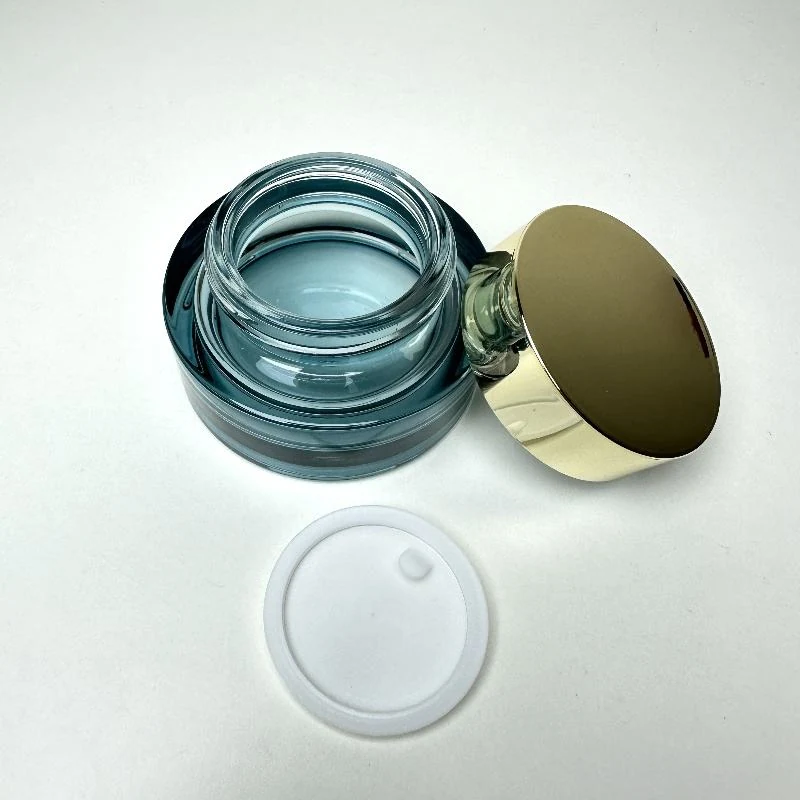
Un autre événement clé est le Foodpack Afrique de l'Est qui se concentre spécifiquement sur l'intersection de la transformation des aliments et de l'emballage. L'industrie des aliments et des boissons étant le plus gros consommateur de bouteilles en verre, cet événement est extrêmement pertinent. Je trouve que ce salon offre un regard plus approfondi sur les normes de sécurité et les innovations en matière de "durée de conservation" qui sont importantes pour les exportateurs. L'événement met en lumière la manière dont les emballages en verre peuvent aider les produits alimentaires ougandais à atteindre les marchés internationaux en toute sécurité. Il s'agit d'un événement plus restreint et plus ciblé qui permet des discussions techniques approfondies.
Cet événement se tient également à l'UMA Fairs Ground et se déroule généralement en même temps que d'autres expositions industrielles. Il attire des scientifiques de l'agroalimentaire, des directeurs de brasseries et des experts pharmaceutiques qui sont tous à la recherche des meilleurs contenants pour leurs produits. Le salon offre une plateforme aux verriers locaux pour démontrer que leurs produits sont conformes aux certifications internationales de sécurité alimentaire. L'un des principaux points forts est le "Hub de l'innovation", où des start-ups présentent de nouvelles façons d'utiliser le verre dans l'emballage des aliments biologiques. C'est un endroit idéal pour découvrir de nouveaux partenaires et s'informer sur l'avenir de l'industrie.
| Événement | Date | Localisation | Points forts |
|---|---|---|---|
| Interplast-Pack Afrique | 8-10 mai 2026 | UMA Fairs Ground | International Tech & Machinery |
| Foodpack Afrique de l'Est | 8-10 mai 2026 | UMA Fairs Ground | Sécurité alimentaire et emballage pour l'exportation |
Partie 4 : Impact des politiques commerciales mondiales
Les politiques commerciales mondiales en 2026 jouent un rôle important dans la façon dont le verre est fabriqué et commercialisé en Ouganda. Le "tarif extérieur commun" de la Communauté d'Afrique de l'Est rend plus coûteuse l'importation de verre en provenance de l'extérieur de la région, ce qui favorise les usines locales. Cette politique encourage les entreprises à investir dans des usines ougandaises, car elles peuvent vendre aux pays voisins sans avoir à payer des droits de douane élevés. L'objectif est de rendre l'Afrique de l'Est autosuffisante en matière d'emballages en verre dans les prochaines années. Si cela favorise la croissance locale, cela signifie également que les usines doivent redoubler d'efforts pour améliorer la qualité de leurs produits afin de répondre aux normes mondiales.
Les récents conflits commerciaux et l'évolution des coûts d'expédition internationaux ont fait de l'approvisionnement local la stratégie la plus importante pour 2026. De nombreuses entreprises ougandaises se détournent des fournisseurs asiatiques en raison des tarifs de fret élevés et des longs délais de livraison. Elles recherchent plutôt des partenaires sur le continent qui peuvent fournir un service plus rapide et plus fiable. La zone de libre-échange continentale africaine (AfCFTA) ouvre de nouveaux marchés pour le verre ougandais en Afrique occidentale et australe. Il s'agit d'une formidable opportunité pour les fabricants locaux de développer leurs activités et de devenir des exportateurs régionaux.
Cependant, des défis subsistent, tels que le coût élevé de l'énergie et la nécessité de disposer de techniciens plus qualifiés pour faire fonctionner les fours à verre modernes. Le gouvernement tente de résoudre ce problème en offrant des incitations aux projets d""énergie verte" dans les parcs industriels. Il s'efforce également de réduire le "dumping" de verre bon marché et de mauvaise qualité en provenance des marchés internationaux, qui peut nuire aux producteurs locaux. En protégeant l'industrie locale et en encourageant l'innovation, l'Ouganda construit un secteur du verre résistant, capable de survivre aux chocs mondiaux. L'accent est clairement mis sur des solutions en verre de haute qualité, durables et fabriquées localement.
Partie 5 : Conclusion
L'industrie de la bouteille en verre en Ouganda se trouve à un tournant très intéressant en 2026. Grâce au soutien du gouvernement et à la demande croissante d'emballages durables, de nombreuses opportunités s'offrent aux entreprises nouvelles et existantes. L'accent mis sur le recyclage et la fabrication locale n'est pas seulement bénéfique pour l'environnement, il rend également l'industrie plus rentable. Nous assistons à une nouvelle ère où le verre "Made in Uganda" devient un symbole de qualité et de durabilité dans toute l'Afrique de l'Est. Pour les acheteurs B2B, c'est le moment idéal pour établir des relations à long terme avec les fournisseurs locaux.
Bien sûr, des risques subsistent, comme la fluctuation des prix de l'énergie et la nécessité d'une meilleure formation technique. Les entreprises doivent rester flexibles et continuer à investir dans les technologies les plus récentes pour garder une longueur d'avance sur leurs concurrents internationaux. L'évolution vers une économie du verre entièrement circulaire prendra du temps et nécessitera un travail acharné de la part de toutes les parties concernées. Toutefois, la résistance et la créativité du secteur industriel ougandais laissent penser que ces défis seront relevés. L'avenir du verre en Ouganda est clair, lumineux et plein de potentiel pour ceux qui sont prêts à ouvrir la voie.