Many people use shot glasses for measuring small amounts of liquid, but they are not sure how they compare with standard cooking cups. A small measurement mistake can change a recipe or drink balance.
A standard shot glass is usually not 1/4 cup. Most shot glasses hold about 1.5 ounces, while 1/4 cup equals 2 ounces. Therefore, one shot glass is usually about 3/16 of a cup.
The difference between a shot glass and a measuring cup is easy to miss because both are small containers. However, they are designed for different purposes. A shot glass is mainly used for serving drinks, while a measuring cup is designed for accurate cooking measurements.
Understanding the relationship between these measurements helps people follow recipes, prepare drinks, and choose the right glassware. Glass size is not only about appearance. Capacity and function are also important parts of good glass design.
What fraction of a cup equals a shot glass?
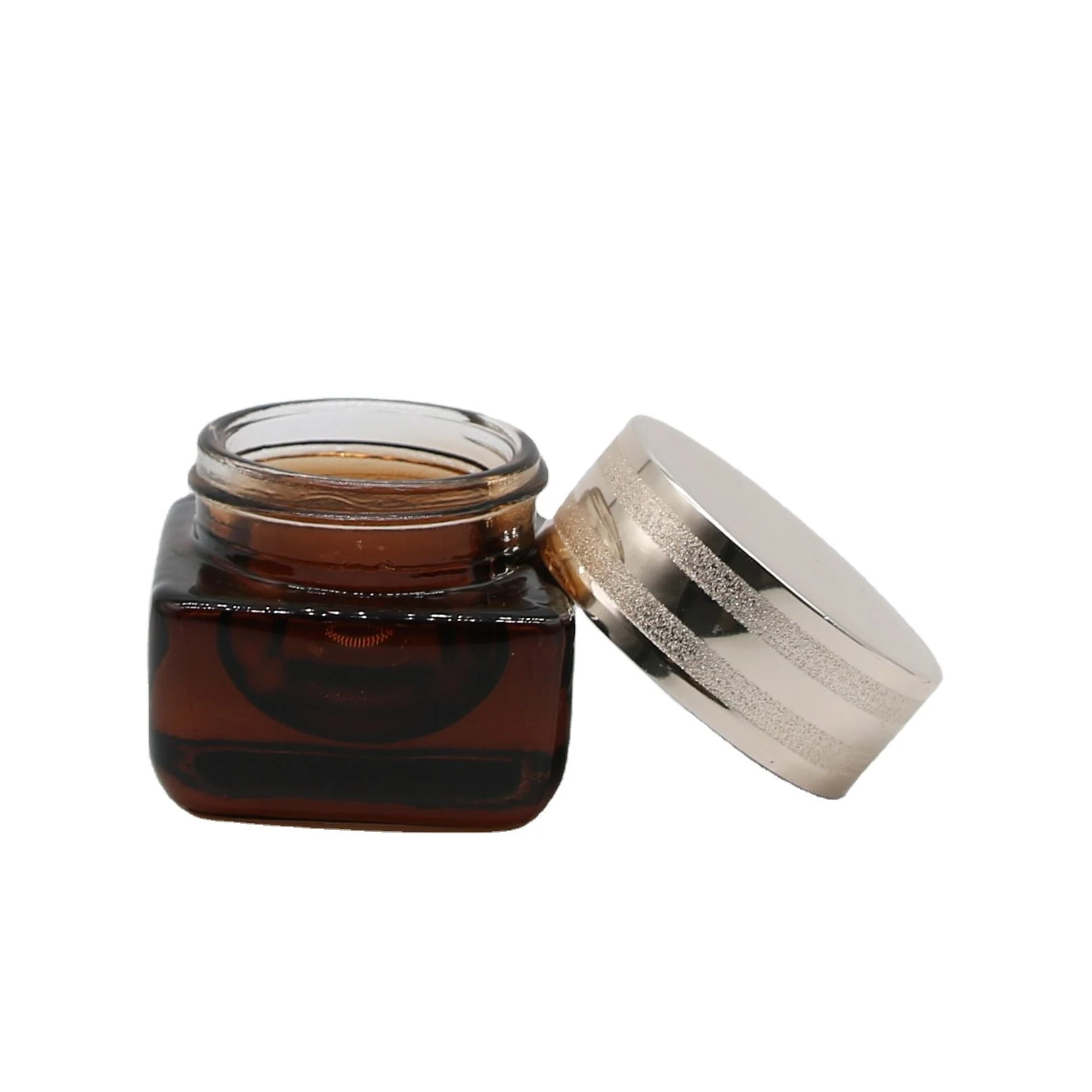
A typical shot glass holds about 1.5 fluid ounces, which is less than 1/4 cup. Since 1 cup equals 8 fluid ounces, a standard shot glass contains about 3/16 of a cup.
A normal shot glass equals around 0.1875 cups, while 1/4 cup equals 0.25 cups. This means a shot glass is smaller than one-quarter of a cup.
Many people assume a shot glass equals 1/4 cup because the sizes look similar. However, even a small difference matters when accuracy is important.
Shot glass and cup measurement comparison
The following table shows common conversions.
| Mesures | Onces liquides | Tasses |
|---|---|---|
| Half shot glass | 0.75 oz | About 3/32 cup |
| Standard shot glass | 1,5 oz | About 3/16 cup |
| 1/4 de tasse | 2 oz | 1/4 de tasse |
| 1/2 tasse | 4 oz | 1/2 tasse |
| 1 tasse | 8 oz | 1 tasse |
These measurements can vary because shot glass sizes are not exactly the same in every country.
Why shot glass sizes are different
Shot glasses come in many shapes and capacities. Some are small and narrow, while others are wider and hold more liquid.
Common factors that affect shot glass capacity include:
- Country standards
- Local drinking culture
- Glass design
- Intended use
- Brand preferences
For example, some regions use smaller shots, while others use larger serving sizes.
Glass manufacturers often create different sizes based on customer needs. A restaurant may need a traditional shot glass, while a beverage company may request a custom glass design with a specific volume.
How to measure a shot glass accurately
If someone needs an exact measurement, they should not rely only on appearance.
A simple method is:
- Fill the shot glass with water.
- Versez l'eau dans un verre doseur.
- Check the exact volume.
- Convertissez cette quantité en tasses.
This method works because glass shape can be misleading. A tall narrow shot glass may look larger than a short wide one, even when both hold similar amounts.
For cooking and professional use, accurate measurement is always better than guessing.
How many ounces are in a shot glass?
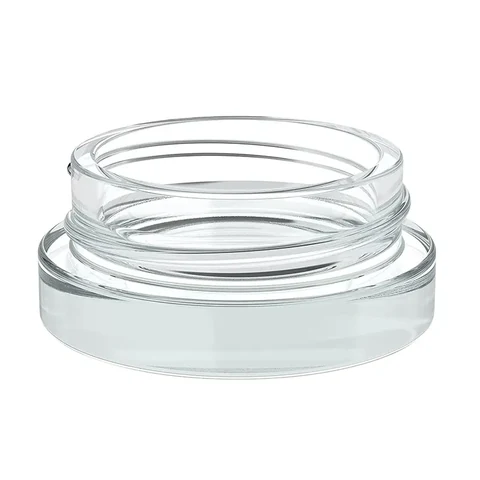
A typical shot glass contains about 1.5 fluid ounces in the United States. However, shot sizes can change depending on location, culture, and glass design.
Most standard shot glasses hold between 1 and 2 ounces. Because of this variation, a shot glass is not always an exact measurement tool.
When people talk about a “shot,” they usually mean a serving size of alcohol. However, recipes sometimes use shot glasses for measuring small liquid amounts. These two uses are different.
Common shot glass sizes
| Type de verre à shot | Volume approximatif | Cup conversion |
|---|---|---|
| Petit coup | 1 oz | 1/8 cup |
| Plan standard américain | 1,5 oz | About 3/16 cup |
| Plan large | 2 oz | 1/4 de tasse |
| Double shot | 3 oz | About 3/8 cup |
This table shows why confusion happens. Some large shot glasses can equal 1/4 cup, but many standard shot glasses cannot.
The difference between US and international measurements
Measurement systems can create confusion.
In the United States:
- 1 cup = 8 fluid ounces.
- 1 standard shot = about 1.5 fluid ounces.
In some countries, a shot may refer to a different amount. For example, bars may serve smaller or larger shots depending on local standards.
This is why people should check the measurement system when following international recipes.
Why glass capacity matters
The capacity of a glass affects how people use it. A shot glass with accurate volume helps bartenders create consistent drinks. A custom glass product with the wrong capacity can create problems for both businesses and customers.
In the glass industry, capacity control is a key quality factor. Manufacturers need accurate molds and production checks to make sure every glass matches customer expectations.
This idea also applies to perfume bottles, beverage bottles, and other glass containers. The volume needs to match the product purpose.
Why is a shot glass smaller than 1/4 cup?
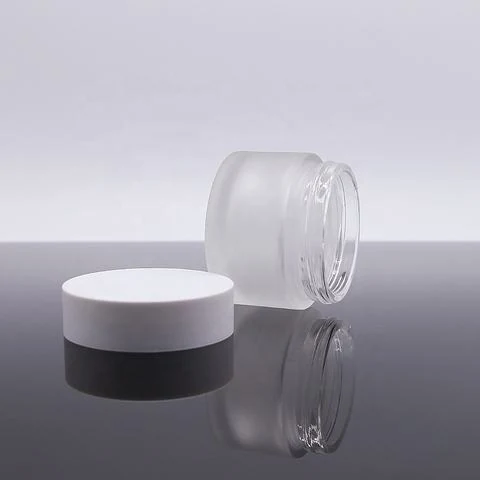
A shot glass is usually smaller than 1/4 cup because it was designed for serving small amounts of drinks rather than measuring cooking ingredients.
A standard shot glass holds about 1.5 ounces, while 1/4 cup holds 2 ounces. The difference comes from their different purposes and traditional sizes.
The design of a shot glass focuses on controlled serving, not kitchen measurement. A small volume allows people to drink strong beverages in small portions.
The purpose of shot glasses
Shot glasses are designed for:
- Serving spirits
- Measuring drink portions
- Creating cocktail recipes
- Displaying beverages
Their small size helps control the amount of liquid served.
A measuring cup has a different purpose. It needs clear markings and standardized volume because cooking depends on accuracy.
Shot glass design features
A typical shot glass has:
- Thick glass walls
- Small capacity
- Stable base
- Short height
- Strong structure
The thick glass helps improve durability because shot glasses are often used in busy environments such as restaurants and bars.
Glass manufacturers consider many factors when designing these products.
| Design factor | Importance |
|---|---|
| Glass thickness | Improves durability |
| Forme | Affects handling and appearance |
| Capacité | Controls serving size |
| Poids | Changes user experience |
| Clarté | Improves visual quality |
A good glass product balances function and appearance.
Why the 1/4 cup comparison is common
People often compare shot glasses with cups because both are used for small liquid amounts.
Une recette peut indiquer :
- Add 1/4 cup of liquid.
- Add one shot of a certain ingredient.
These instructions can appear similar, but they are not always equal.
For example, adding a shot of vanilla extract and adding 1/4 cup of milk create very different results. Understanding the actual volume prevents mistakes.
In my experience with glass products, I know that size details matter. Customers often focus on design first, but capacity is equally important. A product must match the user's real needs.
When should recipes use shot glass measures?
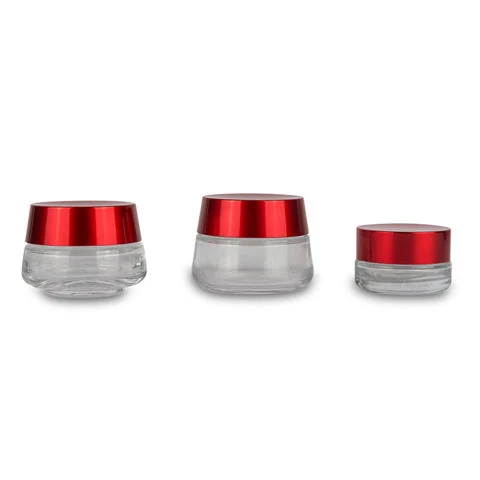
Recipes should use shot glass measurements only when the recipe is designed around small liquid portions. For accurate cooking, standard measuring cups and spoons are usually better choices.
Shot glasses can work for cocktails, sauces, and small flavor additions, but they are not ideal for recipes that require exact measurements.
Cooking requires consistency. A small difference in liquid amount can change the final result, especially in baking.
Situations where shot glasses are useful
Shot glasses can be useful for:
- Cocktail recipes
- Small amounts of alcohol
- Flavor extracts
- Quick kitchen estimates
- Restaurant drink preparation
They are convenient because many people already have them at home.
Situations where measuring cups are better
A measuring cup is better for:
- Baking
- Large recipes
- Scientific measurements
- Nutrition tracking
- Professional food production
The following comparison explains the difference.
| Outil | Utilisation optimale | Accuracy |
|---|---|---|
| Shot glass | Small drink portions | Moyen |
| Tasse à mesurer | Cooking ingredients | Haut |
| Measuring spoon | Small ingredients | Haut |
| Kitchen scale | Precise recipes | Très élevé |
How to replace a shot glass in recipes
If a recipe asks for one shot, a person can convert it into ounces or cups.
For a standard shot:
- 1 shot = about 1.5 ounces.
- 1 shot = about 3/16 cup.
If the recipe requires precision, checking the exact volume is better.
Choosing the right glass for the right purpose
Different glass products serve different needs.
A shot glass is designed for small servings. A drinking glass is designed for beverages. A measuring cup is designed for accuracy.
The same principle applies across the glass industry. A perfume bottle, beverage bottle, and laboratory container all have different requirements.
Good glass design combines:
- Correct capacity
- Suitable material
- Strong structure
- Clear appearance
- Practical function
Choosing the correct glass product helps users get better results.
Conclusion
A standard shot glass is usually not 1/4 cup. Most hold about 1.5 ounces, which equals around 3/16 cup. Always check the actual volume when accuracy is important.