Painting on glass cups can turn a simple product into a unique and attractive item. Many people try this process, but poor paint choice and weak preparation can make the design peel or fade quickly.
The best way to paint on glass cups is to choose suitable glass paint, prepare the surface correctly, seal the design, and cure the paint with enough time.
For custom glass products, painting is not only a decoration method. It is also a way for brands to create a special customer experience. Many businesses use painted glass cups and glass packaging to show brand identity and improve product value.
What Paint Works Best For Glass Cups?
The best paint for glass cups is paint that can bond with smooth glass surfaces and stay stable after drying. Glass paint, enamel paint, and some acrylic paints made for glass are common choices.
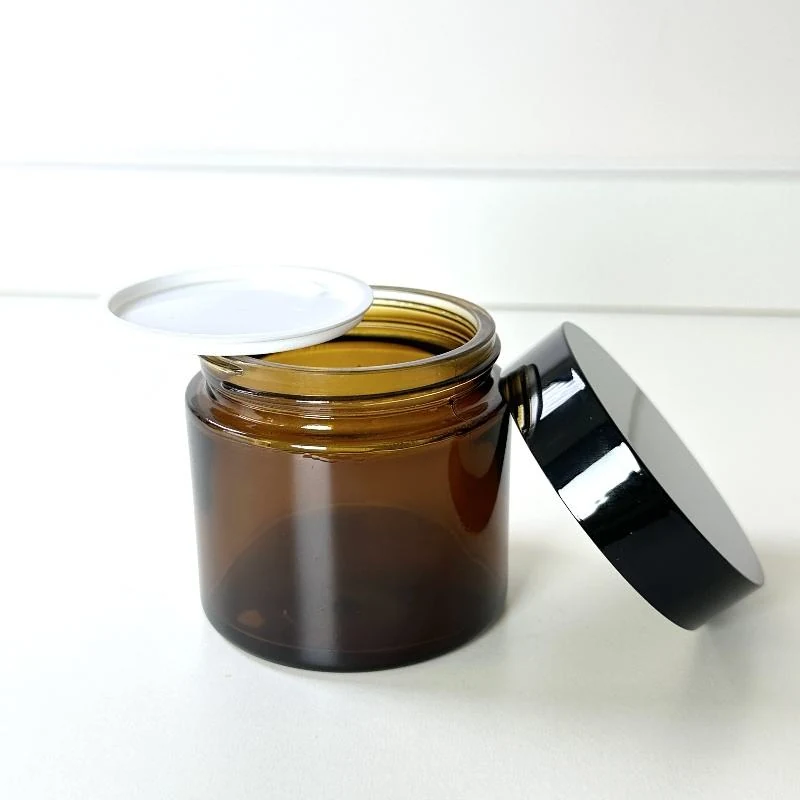
Glass is a non-porous material. This means normal paint may not stick well because there are no small holes for the paint to grip. A suitable paint needs special ingredients that improve adhesion.
For personal projects, many people choose acrylic glass paint because it is easy to use and comes in many colors. For commercial products, manufacturers often select stronger coatings that can handle washing, handling, and long-term use.
The right paint depends on the purpose of the glass cup. A decorative cup that stays on a shelf needs different paint compared with a cup used every day for drinking.
Common Paint Types For Glass Cups
| Paint Type | Vorteile | Suitable Usage |
|---|---|---|
| Glass paint | Designed for glass surfaces | Home crafts and decoration |
| Enamel paint | Strong and durable finish | Long-term decorative products |
| Acrylic glass paint | Easy to apply and colorful | DIY projects and small orders |
| Spray coating | Smooth and even surface | Large production applications |
When I work with customers who need customized glass products, I usually suggest choosing paint based on the final purpose. A beautiful color is not enough. The coating must also match the customer's usage needs.
Factors To Consider When Choosing Glass Paint
Dauerhaftigkeit
A good glass paint should resist scratches and daily wear. If the cup is handled often, weak paint may crack or disappear after repeated use.
Safety Requirements
For products that contact food or drinks, paint selection needs extra attention. The painted area should follow suitable safety requirements. Many manufacturers avoid applying decorative coatings to areas that touch the mouth or liquid.
Color Stability
A high-quality coating should keep its color after storage and normal use. Poor-quality paint may become dull because of light, heat, or moisture.
| Selection Factor | Warum es wichtig ist |
|---|---|
| Strong adhesion | Prevents peeling from glass |
| Color stability | Keeps the design attractive |
| Dauerhaftigkeit | Improves product lifespan |
| Safety control | Protects customer use experience |
For wholesale glass cup buyers, paint quality can affect brand reputation. A customer may forget the production process, but they will notice when a product looks damaged.
A reliable supplier should provide samples before mass production. Sample testing allows buyers to check color, surface feeling, and final appearance.
Painting on glass is both a creative process and a technical process. The paint needs to look good, but it also needs to work well on the glass surface.
How Should You Prepare Glass Before Painting?
Proper preparation is one of the most important steps when painting glass cups. A clean and smooth surface helps paint stick better and creates a more professional finish.
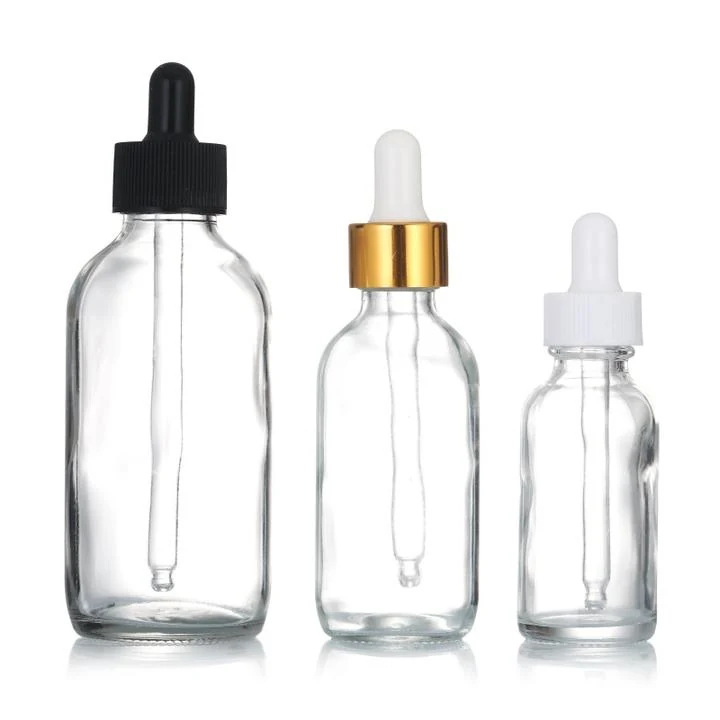
Many painting problems do not come from the paint itself. They happen because the glass surface contains dust, oil, fingerprints, or production residue.
Glass cups often look clean, but invisible oil from hands can prevent paint from bonding correctly. A simple cleaning process can improve the final result.
Basic Preparation Steps
1. Clean The Glass Surface
The first step is removing dirt and oil. A clean glass surface gives the paint a better foundation.
Many people use warm water and mild detergent first. After cleaning, the glass should be completely dry before painting.
2. Remove Remaining Oil
After normal washing, some oils may still remain. Alcohol-based cleaners are often used to remove these invisible materials.
The cleaner should not leave extra residue because residue can create uneven paint areas.
3. Avoid Touching The Painting Area
After cleaning, touching the glass surface can add new fingerprints. Using clean gloves can help maintain the surface condition.
4. Test The Surface
Before painting many pieces, it is useful to test one sample. The sample can show whether the paint sticks properly.
Glass Preparation Checklist
| Preparation Step | Zweck |
|---|---|
| Wash the glass | Remove dust and basic dirt |
| Remove oil | Improve paint adhesion |
| Dry completely | Prevent paint problems |
| Handle carefully | Avoid new fingerprints |
| Test samples | Confirm quality before production |
Preparation becomes even more important for commercial orders. When producing thousands of glass cups, small mistakes can become large quality problems.
For custom glass manufacturing, the production team needs clear control over every step. The glass surface, coating method, drying process, and inspection process all affect the final result.
Why Surface Condition Changes Painting Results
Glass has a smooth structure. Paint cannot easily attach if the surface is dirty or oily. The connection between paint and glass becomes weaker.
A properly prepared surface creates better contact between the coating and the glass. This improves appearance and durability.
For example, a painted design may look perfect on the first day. However, without proper preparation, the design may start peeling after a short period.
When I communicate with buyers about customized glass products, I always explain that decoration quality depends on both materials and preparation. Good glass alone does not guarantee a good final product.
The preparation stage may seem simple, but it creates the foundation for the entire painting process.
Why Is Sealing Paint Important On Glass?
Sealing paint on glass cups is important because it protects the design and improves durability. Without a proper seal, painted surfaces may become easier to scratch, fade, or damage.
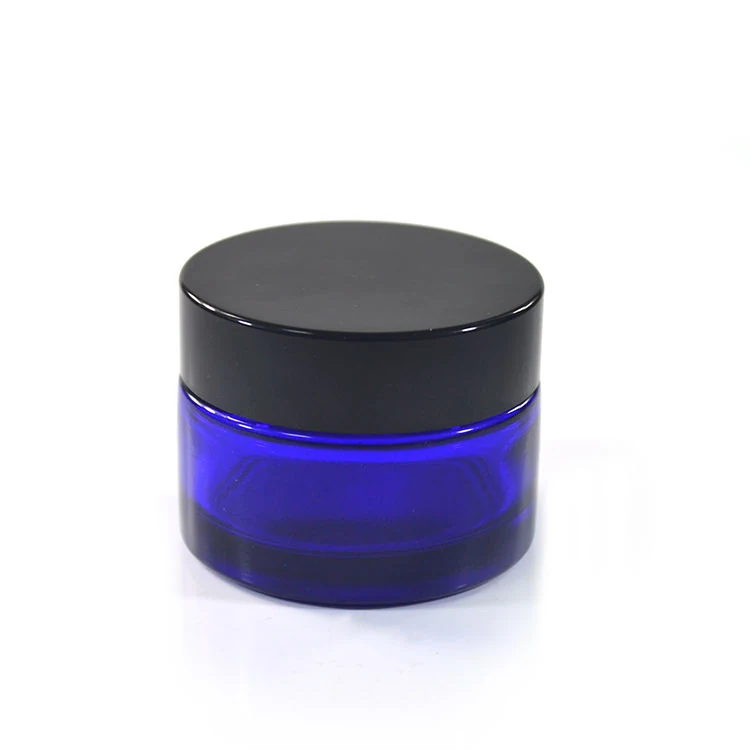
Paint creates the visual effect, but sealing creates an extra protective layer. This layer helps the design stay stable during normal use.
For decorative glass cups, sealing is especially useful because the product needs to maintain its appearance for a long time.
Main Benefits Of Sealing Painted Glass
Protection Against Scratches
Glass cups are often moved, stored, and washed. A sealed surface can reduce damage caused by daily contact.
Better Color Performance
Some sealers help improve the appearance of colors. They can make the design look smoother and more professional.
Longer Product Life
A protected coating usually lasts longer than an unprotected painted surface. This is important for businesses that want customers to enjoy the product for a long time.
| Without Sealing | With Sealing |
|---|---|
| Paint may scratch easily | Better surface protection |
| Colors may fade faster | More stable appearance |
| Shorter decorative life | Longer product lifespan |
| Higher damage risk | Höhere Haltbarkeit |
However, sealing needs careful control. The wrong sealer or incorrect application can affect the appearance of the glass.
Common Sealing Methods
Clear Coating
A transparent protective layer can cover the painted area. It keeps the original design visible while adding protection.
Heat Curing
Some glass paints become stronger after heat treatment. The heat process helps the coating bond better with the glass.
Professional Production Coating
Large manufacturers may use special coating equipment. This method creates consistent results across large quantities.
For wholesale buyers, sealing quality can influence customer reviews and repeat orders. A product that keeps its appearance creates stronger trust.
When developing customized glass products, I often recommend testing the complete process, including painting and sealing. A design that looks good before testing may perform differently after real use.
Sealing is not just an extra step. It is part of creating a reliable finished product.
When Should Painted Glass Cups Be Cured?
Painted glass cups should be cured after painting and sealing so the coating can become stable and durable. The curing time depends on the paint type, thickness, and curing method.
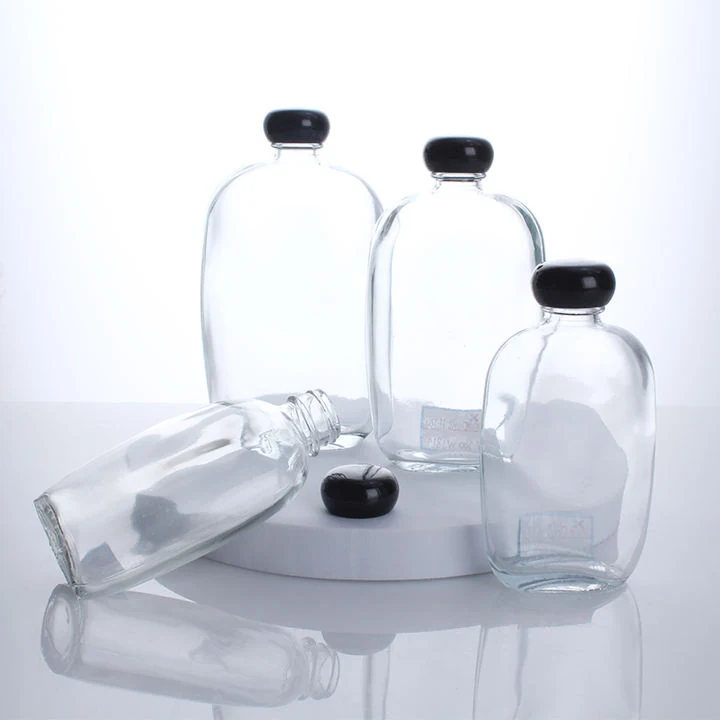
Many people make the mistake of using or washing painted glass cups too soon. Fresh paint may look dry, but the inside of the coating may still need more time to become strong.
Curing allows the paint materials to harden and create a stronger connection with the glass surface.
Different Curing Methods
Air Drying
Some paints can cure naturally at room temperature. This method is simple but usually requires more time.
Heat Curing
Some glass paints need heating after drying. Heat can improve hardness and durability.
Industrial Curing
Large production factories often use controlled curing equipment. This helps create consistent quality for large orders.
| Curing Method | Main Feature | Common Usage |
|---|---|---|
| Air curing | Simple process | Small projects |
| Oven curing | Stronger finish | Professional products |
| Industrial curing | Stable quality | Large production |
The correct curing time depends on the product requirements. A decorative cup may need less testing, while a commercial product needs stronger quality control.
Why Curing Time Matters
If curing is incomplete, several problems can happen:
- The paint may feel soft.
- The surface may scratch easily.
- Colors may change.
- The design may not last long.
For brands selling premium glass products, these problems can damage customer trust.
A professional supplier should test finished samples before shipping. Testing can include appearance checks, surface checks, and durability checks.
When producing customized glass cups, curing is the final step that connects design quality with product quality. A good painting process needs patience because rushing can reduce the final performance.
The best results come from combining suitable paint, careful preparation, proper sealing, and enough curing time.
Schlussfolgerung
Painting on glass cups requires the right paint, clean preparation, strong sealing, and proper curing. These steps help create beautiful and durable glass products for personal use and commercial brands.