Ir al contenido
Muchas personas utilizan los términos "vaso" y "taza" indistintamente en el lenguaje cotidiano. Aunque esto no suele suponer ningún problema, ambos términos tienen significados diferentes a la hora de referirse a la vajilla para bebidas, las recetas y las formas de servir.
Un vaso y una taza no son exactamente lo mismo. Por «vaso» se suele entender un recipiente para beber fabricado en cristal y sin asa, mientras que el término «taza» hace referencia a la forma o la función del recipiente y suele incluir un asa. Las tazas pueden estar fabricadas con diversos materiales, como cristal, cerámica, plástico y metal.
Entender la diferencia resulta útil a la hora de comprar vasos y tazas, seguir recetas o elegir el recipiente adecuado para una bebida concreta. Aunque ambos están diseñados para contener bebidas, tienen fines distintos y se presentan en muchos estilos diferentes.
¿Hay alguna diferencia entre un vaso y una taza?
Mucha gente se pregunta si un vaso y una taza son simplemente dos nombres para referirse a lo mismo. La respuesta depende de si nos referimos al material, a la forma o al uso previsto.
Sí, un vaso es diferente de una taza. Por lo general, un vaso es un recipiente para beber sin asa, fabricado en cristal, mientras que «taza» es un término más amplio que se refiere a cualquier recipiente para beber que suele tener asa y que puede estar fabricado con muchos materiales diferentes.
Aunque ambos envases sirven para contener bebidas, su diseño y su uso diario suelen ser diferentes.
Un vaso suele definirse por su material
La palabra "vaso" suele referirse tanto al material como al recipiente para beber.
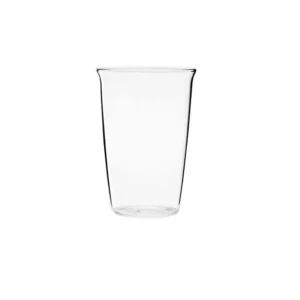
La mayoría de los vasos son transparentes y tienen las paredes lisas, rectas o ligeramente curvadas. Se suelen utilizar para:
- Agua
- Zumo
- Refrescos
- Té helado
- Bebidas frías
La mayoría de los vasos no tienen asas porque las bebidas frías no necesitan protección contra el calor.
Una taza suele definirse por su función
Una taza está diseñada para contener cómodamente bebidas, sobre todo bebidas calientes.
Muchas tazas cuentan con un asa que permite a los usuarios sujetar el recipiente sin tocar la superficie caliente.
Entre sus usos más habituales se encuentran:
- Café
- Té
- Chocolate caliente
- Sopa
- Bebidas especiales
A diferencia de los vasos, las tazas se pueden encontrar en muchos materiales.
Principales diferencias
| Característica | Vidrio | Taza |
|---|---|---|
| Material típico | Vidrio | Cerámica, vidrio, plástico, metal, papel |
| Mango | Normalmente no | Normalmente, sí |
| Ideal para | Bebidas frías | Bebidas calientes |
| Transparencia | Normalmente transparente | Puede ser transparente u opaco |
| Forma habitual | Recto o cónico | De forma redondeada con asa |
Estas diferencias explican por qué en los restaurantes suelen servir el agua en vasos y el café en tazas.
Lenguaje cotidiano
En una conversación informal, a veces la gente llama "taza" a casi cualquier recipiente para beber."
Los niños pueden pedir un vaso de agua aunque se les sirva en un vaso.
Del mismo modo, es posible que alguien diga "vaso de café" al referirse a una taza de cristal transparente.
El contexto suele aclarar el significado, pero comprender la diferencia técnica ayuda a evitar confusiones.
¿Por qué los vasos y las tazas tienen nombres diferentes?
Los nombres "vaso" y "taza" han ido evolucionando a lo largo de muchos siglos. Describen conceptos distintos, más que productos que compiten entre sí.
Los vasos y las tazas tienen nombres diferentes porque, en un principio, hacían referencia a materiales, formas y usos distintos. Con el paso del tiempo, estos significados pasaron a formar parte del lenguaje cotidiano y siguen siendo habituales hoy en día.
El lenguaje suele reflejar la forma en que las personas utilizan los objetos, en lugar de seguir normas estrictas.
El significado de "vidrio"
En un principio, la palabra "cristal" se refería al propio material.
A medida que mejoraban las técnicas de fabricación del vidrio, los recipientes transparentes para beber ganaron cada vez más popularidad.
Con el tiempo, la gente empezó a llamar a ese recipiente "vaso" porque estaba hecho de cristal.
Hoy en día, el material y el objeto comparten el mismo nombre.
El significado de "copa"
La palabra "taza" es mucho más antigua que los vasos de cristal actuales.
Las primeras tazas se fabricaban con madera, arcilla, metal, conchas e incluso piedra tallada.
La palabra se refería a un pequeño recipiente utilizado para beber, y no al material con el que estaba fabricado.
Ese sentido amplio sigue vigente hoy en día.
Diferentes fines
Los nombres también reflejan el uso habitual de cada elemento.
A menudo se eligen vasos para las bebidas frías refrescantes porque permiten apreciar el color y la transparencia de la bebida.
Normalmente se prefieren las tazas para las bebidas calientes porque sus asas aumentan la comodidad y la seguridad.
A medida que la vajilla para bebidas fue evolucionando, los fabricantes crearon muchos diseños nuevos, pero los nombres tradicionales se mantuvieron.
La cristalería moderna combina ambas cosas
Hoy en día, muchos productos combinan características de ambas categorías.
Algunos ejemplos son:
- Tazas de café de cristal de doble pared
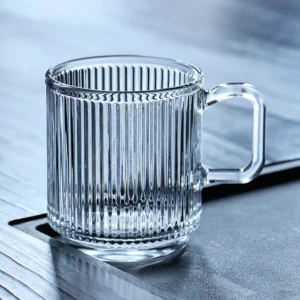
- Tazas de cristal con asa
- Tazas de viaje aislantes
- Tazas de café espresso de cristal
Estos productos demuestran que los vasos y tazas modernos no siempre encajan perfectamente en una sola categoría.
Los nombres siguen describiendo características generales, más que definiciones estrictas.
¿Se puede fabricar una taza de cristal?
Hay quien da por sentado que todas las tazas tienen que ser de cerámica, mientras que todos los vasos tienen que ser de cristal. La vajilla moderna demuestra que no es así.
Sí, una taza puede estar hecha de cristal sin ningún problema. Muchas tazas de café, de té, de espresso y vasos de doble pared se fabrican con cristal resistente al calor.
El material no determina si un objeto se denomina «taza».
Su diseño y su finalidad también son importantes.
Tipos populares de vasos de cristal
Los vasos de cristal han ganado cada vez más popularidad porque combinan un aspecto moderno con una gran funcionalidad.
Algunos ejemplos habituales son:
Tazas de café de cristal
A muchos amantes del café les encanta contemplar el intenso color del café recién hecho.
El vidrio resistente al calor lo hace posible, sin dejar de ser cómodo de usar.
Vasos de cristal de doble pared
Estos vasos constan de dos capas de vidrio separadas por una cámara de aire aislante.
Los beneficios incluyen:
- Mejor aislamiento térmico
- Exterior acogedor
- Reducción de la condensación
- Aspecto atractivo
Tazas de té de cristal
El cristal transparente resalta el color de las hojas de té mientras se infusionan.
Esto hace que las tazas de cristal sean especialmente populares para las infusiones de hierbas y los tés especiales a granel.
Vasos de café expreso
Las tazas pequeñas de cristal para café expreso permiten disfrutar tanto del aroma como del aspecto del café expreso recién hecho.
Por qué mucha gente elige vasos de cristal
El vidrio ofrece varias ventajas con respecto a otros materiales.
| Beneficio | Explicación |
|---|---|
| Transparente | Muestra claramente la bebida |
| No poroso | No absorbe olores ni sabores |
| Fácil de limpiar | Su superficie lisa se limpia fácilmente |
| Reciclable | Respetuoso con el medio ambiente |
| Con estilo | Se adapta a los diseños de cocina modernos |
Muchas tazas de cristal de alta calidad están fabricadas con cristal de borosilicato o cristal templado, lo que las hace aptas tanto para bebidas calientes como frías.
Cómo elegir un cristal de calidad
No todos los vasos de cristal tienen el mismo rendimiento.
El vidrio resistente al calor suele ofrecer una mayor durabilidad para el café, el té y el uso repetido en el microondas.
Elegir productos de fabricantes de prestigio también mejora el rendimiento a largo plazo.
¿Qué es mejor, un vaso o una taza?
Muchos compradores se preguntan qué opción es mejor, pero no hay una respuesta única. La mejor elección depende de la bebida, de la situación y de las preferencias personales.
Ni el vaso ni la taza son mejores en todos los casos. Los vasos suelen ser más adecuados para las bebidas frías porque permiten ver claramente el contenido, mientras que las tazas suelen ser mejores para las bebidas calientes porque sus asas aumentan la comodidad y la seguridad.
En lugar de decantarse por uno u otro, muchos hogares tienen ambos, ya que cada uno cumple una función diferente.
Cuando un vaso es la mejor opción
Un vaso es una buena opción cuando la presentación y la frescura son importantes.
Muchas personas prefieren las gafas porque:
- Agua
- Zumo
- Limonada
- Agua con gas
- Refrescos
El cristal transparente permite que destaquen el color y la transparencia de la bebida.
Además, aporta un toque elegante a la mesa durante las comidas.
Cuándo es mejor optar por un vaso
Las tazas dan mejores resultados con bebidas que se sirven a temperaturas más altas.
El asa evita que las manos entren en contacto con superficies calientes.
Esto hace que las tazas sean ideales para:
- Café
- Té
- Chocolate caliente
- Sopa
- Leche caliente
Muchas tazas térmicas también ayudan a que las bebidas se mantengan calientes durante más tiempo.
Comodidad y estilo
Las preferencias personales desempeñan un papel fundamental.
A algunas personas les gusta el toque clásico de una taza de café de cerámica.
Hay quien prefiere las tazas modernas de cristal de doble pared, que permiten apreciar a la perfección las bebidas de café en capas.
Ninguna de las dos opciones es incorrecta.
La mejor vajilla para bebidas es aquella que se adapta a tu rutina diaria.
Piensa en el uso diario
Antes de elegir la vajilla para bebidas, ten en cuenta estas cuestiones:
- ¿Se utilizará principalmente para bebidas calientes o frías?
- ¿Tiene que ser apto para el microondas?
- ¿Es importante la seguridad en el lavavajillas?
- ¿Debería seguir viéndose la bebida?
- ¿Es la durabilidad más importante que la apariencia?
Responder a estas preguntas facilita mucho la elección de la vajilla adecuada.
Muchas cocinas cuentan con varios tipos de vasos y tazas, ya que cada bebida requiere un recipiente distinto.
Conclusión
Aunque a veces se utilizan estos términos indistintamente, un vaso y una taza no son exactamente lo mismo. Por «vaso» se suele entender un recipiente de cristal sin asa, mientras que «taza» describe un recipiente para beber que suele tener asa y puede estar fabricado con diversos materiales, incluido el cristal. La elección del más adecuado depende de la bebida, la temperatura y tus preferencias personales.