Zum Inhalt springen
Ein Umzug kann stressig werden, wenn zerbrechliche Gegenstände im Spiel sind. Viele Menschen machen sich Sorgen, dass Gläser beim Transport zerbrechen könnten. Schon ein kleiner Fehler beim Verpacken kann zu Schäden führen und Geld verschwenden.
Am sichersten lassen sich Glasbecher für einen Umzug verpacken, indem man stabile Kartons, weiches Verpackungsmaterial, ausreichend Polsterung und eindeutige Beschriftungen verwendet. Gute Verpackungsmethoden verhindern ein Verrutschen im Karton und schützen jeden Becher vor Stößen.
Glasbecher sehen zwar robust aus, sind aber druckempfindlich und reagieren empfindlich auf plötzliche Bewegungen. Bei einem Umzug können Kartons fallen gelassen, gestapelt oder auf unebenen Straßen transportiert werden. Wenn man die richtigen Verpackungsschritte kennt, lassen sich Risse und Bruchschäden vermeiden.
Mit welchen Materialien lassen sich Gläser beim Umzug schützen?
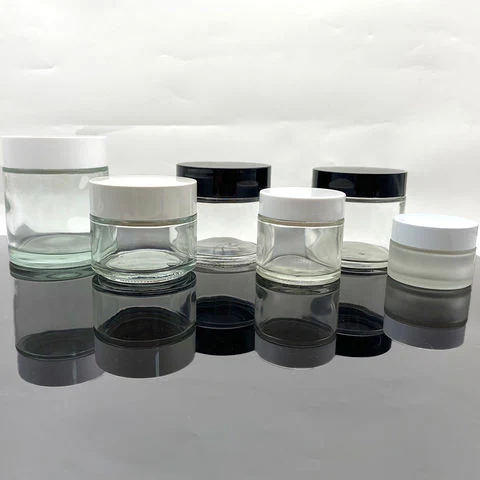
Glasbecher gehen oft zu Bruch, weil die Menschen ungeeignete Materialien verwenden oder nicht ausreichend Schutzmaßnahmen treffen. Eine dünne Papierschicht oder eine instabile Verpackung reichen möglicherweise nicht aus, um Schäden während des Transports zu verhindern.
Zu den besten Materialien zum Schutz von Glasbechern zählen stabile Kartons, Luftpolsterfolie, Packpapier, Schaumstoffplatten und Trennwände. Diese Materialien bilden eine Schutzschicht um jeden Becher herum und verringern so die Bruchgefahr.
Die Auswahl der richtigen Verpackungsmaterialien ist der erste Schritt für einen sicheren Transport von Glasbechern. Verschiedene Materialien erfüllen unterschiedliche Funktionen. Manche Materialien dämpfen Stöße, während andere verhindern, dass die Becher aneinanderstoßen.
Ein häufiger Fehler ist die ausschließliche Verwendung von Zeitungspapier oder weichen Tüchern. Diese Materialien können zwar hilfreich sein, bieten allein jedoch meist keinen ausreichenden Schutz. Glasbecher benötigen eine Kombination aus verschiedenen Materialien, um Druck und Bewegungen standzuhalten.
Die wichtigsten Verpackungsmaterialien und ihre Funktionen
| Material | Hauptfunktion | Schutzstufe |
|---|---|---|
| Luftpolsterfolie | Dämpft Stöße und schützt Oberflächen | Hoch |
| Verpackungspapier | Verhindert Kratzer und füllt Hohlräume aus | Mittel |
| Schaumstoffplatten | Bietet sanften Schutz zwischen den Gegenständen | Hoch |
| Trennwände aus Pappe | Hält die Tassen voneinander getrennt | Hoch |
| Stabiler Umzugskarton | Stützt das Gewicht und verhindert ein Zusammendrücken | Hoch |
Luftpolsterfolie ist eines der nützlichsten Materialien für Glasbecher. Die Luftblasen bilden eine weiche Schutzschicht um das Glas. Wenn der Karton einem Stoß ausgesetzt ist, hilft die Luftpolsterfolie dabei, die Kraft abzuschwächen.
Auch Packpapier spielt eine wichtige Rolle. Es eignet sich gut zum Ausfüllen des Innenraums von Gläsern. Leerräume im Inneren eines Glases können Schwachstellen bilden, da der Druck direkt auf die Glaswand wirken kann. Das Ausfüllen der Gläser mit Papier sorgt für zusätzlichen Halt.
Schaumstoffplatten eignen sich besonders für wertvolle oder maßgefertigte Glasbecher. Sie bilden eine glatte Schutzschicht und verringern den direkten Kontakt zwischen den Bechern. Bei hochwertigen Glasprodukten bietet Schaumstoff einen besseren Schutz als herkömmliches Papier.
Trennwände aus Pappe sind eine weitere praktische Möglichkeit. Sie schaffen separate Fächer für jeden Becher. Diese Methode verhindert, dass die Becher während des Transports aneinanderstoßen.
Wie wähle ich die richtige Kartongröße aus?
Die Größe der Verpackung spielt eine Rolle, da zu viel Platz zu Verrutschen führt. Eine zu kleine Verpackung kann Druck verursachen und die Körbchen beschädigen.
Eine gute Schachtel sollte genügend Platz für Verpackungsmaterial bieten, darf aber keine großen leeren Stellen aufweisen. Die Becher sollten nach dem Verschließen der Schachtel stabil stehen bleiben.
| Auswahl der Box | Ergebnis |
|---|---|
| Zu klein | Erzeugt Druck auf die Becher |
| Zu groß | Ermöglicht es den Bechern, sich zu bewegen |
| Richtige Größe | Hält die Tassen stabil und schützt sie |
Stabile doppelwandige Kartons eignen sich in der Regel besser für zerbrechliche Glasgegenstände. Sie halten mehr Gewicht aus und bieten während des Transports besseren Schutz.
Wie verpackt man Glasbecher sicher?
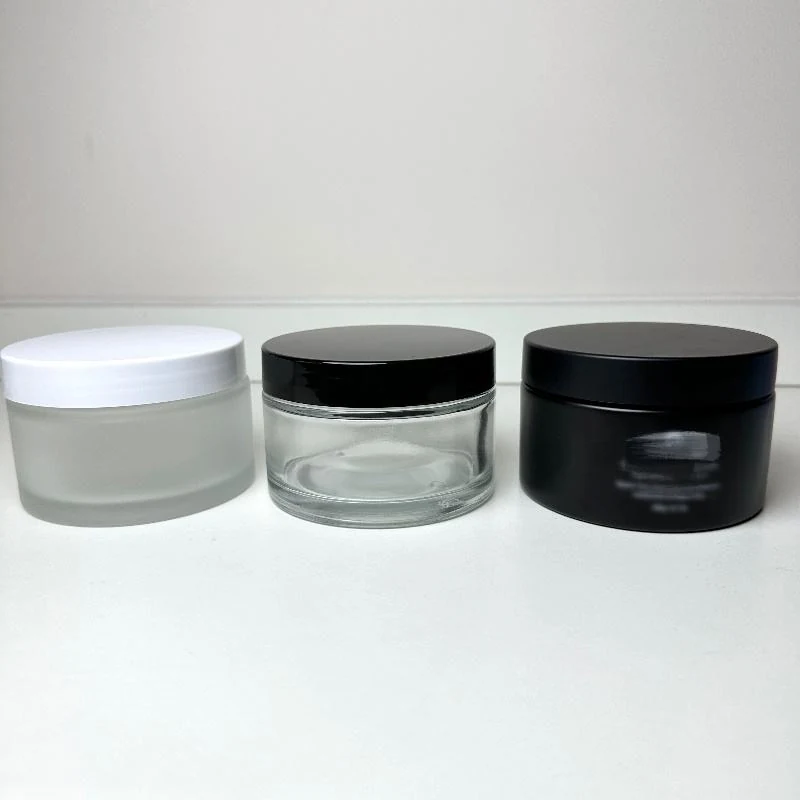
Viele Glasbecher gehen zu Bruch, weil man sie hastig einpackt, ohne die empfindlichen Stellen zu schützen. Der Henkel, der Rand und die Stellen mit dünnem Glas erfordern oft besondere Sorgfalt.
Glasbecher sollten einzeln mit Packpapier oder Luftpolsterfolie umwickelt werden, wobei jeder Becher rundum ausreichend geschützt sein sollte. Durch das richtige Einwickeln wird direkter Kontakt verhindert und das Risiko von Beschädigungen beim Transport verringert.
Ein sicherer Folienverpackungsprozess muss nicht kompliziert sein. Entscheidend ist, dass zwischen der Glasoberfläche und einem möglichen Aufprall genügend Abstand geschaffen wird.
Schritt-für-Schritt-Anleitung zum Verpacken
Reinigen und trocknen Sie zunächst jeden Glasbecher, bevor Sie ihn verpacken. Feuchtigkeit kann während der Lagerung und des Transports zu Problemen führen. Eine trockene Oberfläche sorgt außerdem dafür, dass das Verpackungsmaterial besser an seinem Platz bleibt.
Stellen Sie den Becher anschließend auf eine ebene Fläche, unter die Sie Packpapier oder Luftpolsterfolie gelegt haben. Rollen Sie den Becher langsam ab und achten Sie darauf, dass alle Seiten bedeckt sind.
Der obere Rand eines Glasbechers ist in der Regel die schwächste Stelle. Dieser Bereich sollte besonders gut umwickelt werden, da schon kleine Stöße leicht zu Rissen führen können.
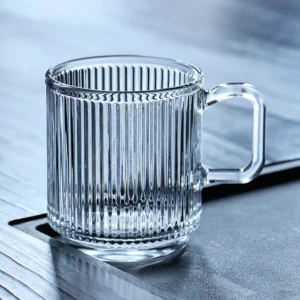
Bei Tassen mit Henkel muss der Henkel besonders sorgfältig behandelt werden. Der Henkel ist oft der erste Teil, der zerbricht, da er aus dem Hauptkörper herausragt. Eine zusätzliche Lage Luftpolsterfolie um den Henkel herum kann das Risiko verringern.
Empfohlene Verpackungsmethode
| Schritt | Aktion | Zweck |
|---|---|---|
| 1 | Reinigen Sie den Glasbecher | Feuchtigkeitsprobleme vermeiden |
| 2 | Den leeren Raum im Becher auffüllen | Interne Unterstützung hinzufügen |
| 3 | In Papier einwickeln | Schützen Sie die Oberfläche |
| 4 | Luftpolsterfolie hinzufügen | Äußere Einwirkungen abfedern |
| 5 | Mit Klebeband befestigen | Die Umhüllung an Ort und Stelle halten |
Nachdem Sie jede Tasse verpackt haben, empfehle ich, schwerere Gegenstände unten in den Karton zu legen und leichtere Glastassen oben drauf. Starker Druck kann zerbrechliche Gegenstände beschädigen, wenn das Gewicht nicht ausgewogen verteilt ist.
Die Becher dürfen sich niemals direkt berühren. Schon geringfügiger Kontakt während des Transports kann zu Rissen führen. Die Umhüllung dient als Trennschicht zwischen den einzelnen Artikeln.
Eine weitere nützliche Methode ist das doppelte Einpacken. Dabei werden teure oder besondere Glasbecher mit zwei Schutzschichten umwickelt. Diese Methode ist zwar zeitaufwendiger, bietet aber mehr Sicherheit.
Häufige Fehler beim Verpacken, die es zu vermeiden gilt
Manche Leute stapeln viele Becher auf einem großen Blatt Papier. Diese Methode spart Zeit, birgt aber ein höheres Risiko. Wenn sich ein Becher verschiebt, kann er gegen einen anderen stoßen.
Ein weiterer Fehler ist, dass die Innenseite des Bechers nicht geschützt wird. Viele Menschen wickeln nur die Außenseite ein. Das Ausfüllen der Innenseite trägt jedoch dazu bei, dass der Becher seine Form behält, und verbessert den Schutz.
Gutes Einpacken erfordert Geduld. Ein paar Minuten mehr können verhindern, dass später wertvolle Glasgegenstände verloren gehen.
Warum ist die Polsterung bei der Glasverpackung wichtig?
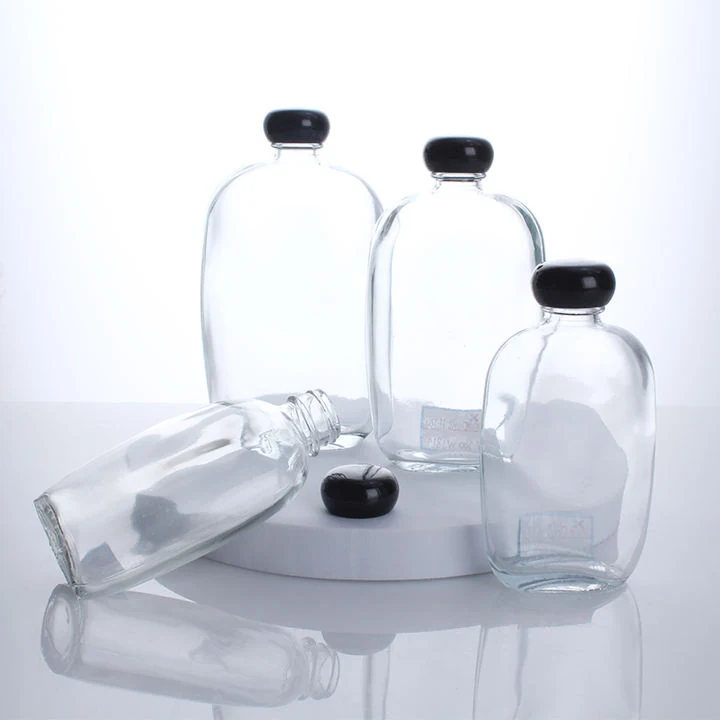
Das Polstermaterial ist einer der wichtigsten Bestandteile der Verpackung von Glasbechern. Ohne ausreichendes Polstermaterial können selbst gut verpackte Becher zerbrechen, da der Karton Bewegungen nicht abfedern kann.
Polsterung schützt Glasbecher, indem sie Stöße abfedert, Bewegungen einschränkt und eine weiche Barriere zwischen den Bechern und dem Karton bildet. Sie sorgt dafür, dass zerbrechliche Gegenstände Stürze, Erschütterungen und Druck während des Transports unbeschadet überstehen.
Während des Transports sind Kartons vielfältigen Kräften ausgesetzt. Lkw können plötzlich anhalten, die Straßen können uneben sein und die Kartons können mehrmals umgeladen werden. Eine Polsterung hilft dabei, diese Kräfte abzufedern.
Wie funktioniert das Auffüllen?
Polstermaterial schafft Abstand zwischen zerbrechlichen Gegenständen und harten Oberflächen. Wenn ein Karton einem Stoß ausgesetzt ist, absorbiert das Polstermaterial einen Teil der Energie, bevor diese das Glas erreicht.
Ohne Polsterung wird der Druck direkt auf den Glasbecher ausgeübt. Glas ist zwar im normalen Gebrauch widerstandsfähig, aber anfällig gegenüber plötzlichen Krafteinwirkungen.
Ein gutes Verpackungssystem besteht in der Regel aus drei Schutzschichten:
- Innenschutz um jede Schale herum.
- Abstand zwischen den Bechern.
- Äußerer Schutz im Inneren der Verpackung.
Dreischichtiges Schutzsystem
| Schutzschicht | Beispielmaterialien | Funktion |
|---|---|---|
| Innenschicht | Papier, Schaumstoff, Luftpolsterfolie | Schützt jeden Becher |
| Mittlere Schicht | Trennwände, zusätzliche Polsterung | Verhindert den Kontakt |
| Äußere Schicht | Stabiler Kasten, Eckstütze | Schützt vor äußeren Einwirkungen |
Der Boden des Kartons muss besonders gut gepolstert werden, da er der größten Belastung ausgesetzt ist. Viele vergessen diesen Schritt und legen die Becher direkt auf den Karton.
Eine weiche Schicht am Boden hilft, Beschädigungen zu vermeiden. Das Gleiche gilt für den oberen Teil der Schachtel. Nachdem Sie alle Becher hineingestellt haben, legen Sie noch mehr Polstermaterial ein, bevor Sie die Schachtel verschließen.
Wie viel Polsterung ist ausreichend?
Die Dicke der Polsterung hängt von der Art der Glasbecher ab. Dünne Glasbecher benötigen mehr Schutz als dicke Alltagsbecher.
Ein einfacher Test besteht darin, die geschlossene Schachtel leicht zu schütteln. Wenn Sie Geräusche hören, muss die Schachtel besser gepolstert werden. Glasgegenstände sollten darin fest sitzen.
Die Schachtel sollte jedoch nicht überfüllt werden. Zu hoher Druck kann ebenfalls zu Glasbruch führen. Das Ziel ist ein ausgewogenes Verhältnis. Die Becher sollten fest sitzen, aber nicht zusammengedrückt werden.
Eine gute Polsterung erhöht die Sicherheit und stärkt zudem das Vertrauen der Kunden, wenn Unternehmen Glasprodukte versenden. Eine sorgfältige Verpackung zeugt von Qualitätsbewusstsein und verringert die Zahl der Reklamationen aufgrund beschädigter Artikel.
Wann sollten Sie Kartons mit zerbrechlichen Gegenständen kennzeichnen?
Viele Menschen konzentrieren sich auf das Einpacken, vergessen dabei aber, wie wichtig die Beschriftung ist. Selbst ein gut verpackter Karton kann zerbrechen, wenn die Umzugshelfer ihn unsachgemäß behandeln.
Kartons, die Glasbecher enthalten, sollten vor dem Umzug mit dem Hinweis „Zerbrechlich“ gekennzeichnet werden. Deutliche Aufkleber erinnern die Menschen daran, den Karton vorsichtig zu behandeln, und verringern das Risiko einer unachtsamen Handhabung.
Etiketten sind zwar kein Ersatz für eine gute Verpackung, bieten aber zusätzlichen Schutz. Sie vermitteln wichtige Informationen während des Transports.
Wo sollten „Zerbrechlich“-Etiketten angebracht werden?
„Zerbrechlich“-Aufkleber sollten von mehreren Seiten des Kartons sichtbar sein. Ein einzelner Aufkleber auf einer Seite wird möglicherweise nicht bemerkt, wenn die Kartons gestapelt sind.
Wichtige Informationen sollten gut sichtbar sein. Verwenden Sie große Buchstaben und bringen Sie die Beschriftungen oben und an den Seiten der Schachtel an.
Nützliche Etiketten für Kartons
| Etikettentyp | Zweck |
|---|---|
| Zerbrechlich | Weist darauf hin, dass die Artikel vorsichtig behandelt werden müssen |
| Diese Seite nach oben | Zeigt die richtige Ausrichtung der Box an |
| Glas im Inneren | Gibt eine deutliche Warnung |
| Vorsicht beim Umgang | Fördert eine behutsame Bewegung |
Das Beschriften der Kartons kann auch beim Auspacken Zeit sparen. Wenn man einen Karton beispielsweise mit “Glasbecher für die Küche” beschriftet, lässt sich der richtige Aufbewahrungsort schnell finden.
Bei einem Umzug mit professioneller Hilfe helfen Etiketten den Mitarbeitern zu erkennen, welche Kartons besondere Aufmerksamkeit erfordern. Bei einem Umzug in Eigenregie helfen Etiketten Familienmitgliedern oder Freunden dabei, die Kartons richtig zu handhaben.
Sollte jede Glasverpackung beschriftet werden?
Ja, jede Schachtel mit Glasbechern sollte deutlich beschriftet sein. Selbst wenn die Becher gut verpackt sind, kann es zu unerwarteten Situationen kommen.
Ein „Zerbrechlich“-Aufkleber ist besonders bei Fernumzügen wichtig. Ein längerer Transport bedeutet in der Regel mehr Umschlagstellen. Jede zusätzliche Bewegung birgt ein weiteres Risiko für Beschädigungen.
Eine gute Beschriftung ist einfach, aber wirkungsvoll. Sie fördert den sorgfältigen Umgang mit den Waren und trägt dazu bei, den Aufwand beim Verpacken zu schützen.
Schlussfolgerung
Um Glasbecher sicher zu verpacken, braucht man die richtigen Materialien, eine sorgfältige Verpackung, ausreichend Polstermaterial und eindeutige Beschriftungen. Ein sorgfältiger Verpackungsprozess verringert das Risiko von Beschädigungen und trägt dazu bei, dass Glasgegenstände sicher am neuen Bestimmungsort ankommen.