Ir al contenido
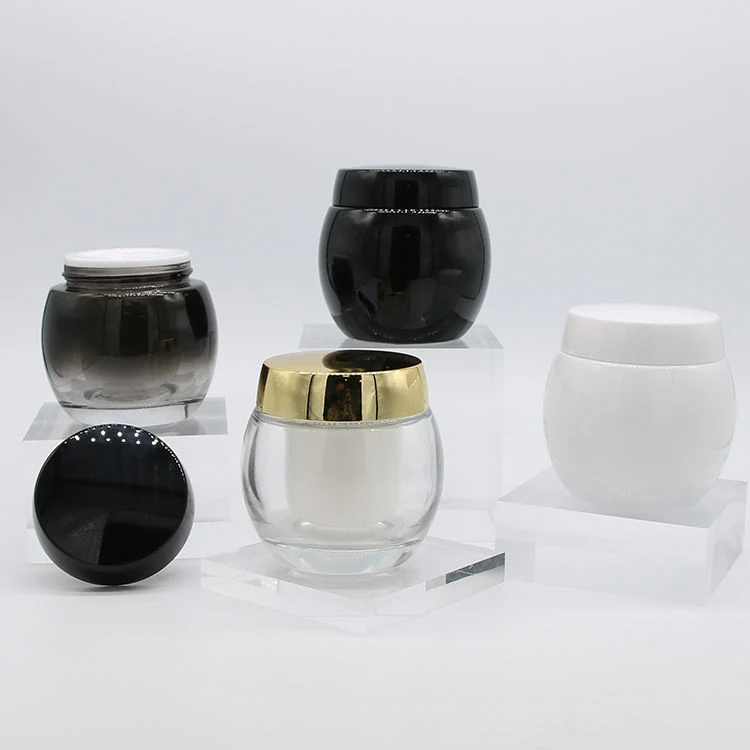
Many people ask how many cups are in a glass because recipes and drinks often use different measurements. A normal drinking glass does not always equal one standard cup.
One glass can equal different amounts depending on its size and design. A standard measuring cup is usually fixed, but a drinking glass can hold anywhere from a small amount to several cups.
When I work with glass products, I often see how different glass shapes change capacity. Understanding the difference between a glass and a cup helps people measure drinks more accurately.
What size glass equals one measuring cup?
A glass equals one measuring cup only when its capacity matches the standard cup measurement. In most cases, one measuring cup holds about 240 milliliters, while many drinking glasses are larger or smaller.
A standard measuring cup is made for accurate measurement. A regular glass is designed for drinking, so its size depends on its purpose, style, and market.
How much liquid is in one measuring cup?
The exact size of a cup depends on the measurement system being used. In many recipes, one US cup equals about 240 milliliters. Some regions use slightly different cup measurements.
A glass that holds around 240 milliliters can be considered equal to one measuring cup. However, many everyday glasses do not have this exact capacity.
Por ejemplo:
| Tipo de vidrio | Common capacity | Equal to measuring cups |
|---|---|---|
| Small water glass | 150-200 ml | About 0.6-0.8 cups |
| Vaso normal | 240-300 ml | About 1-1.25 cups |
| Vaso grande | 350-500 ml | About 1.5-2 cups |
| Juice glass | 180-250 ml | About 0.75-1 cup |
Why does glass shape affect capacity?
Glass shape changes how much liquid a glass can hold. A tall narrow glass and a short wide glass may look similar in size, but their internal volume can be different.
The thickness of the glass wall also affects capacity. A thick glass bottle or drinking glass has less internal space compared with a thin glass product of the same outside size.
Glass manufacturers consider many details when creating drinkware:
- Height of the glass.
- Diameter of the opening.
- Bottom thickness.
- Wall thickness.
- Intended beverage type.
A glass designed for water may have a different capacity from a glass designed for wine, juice, or cocktails.
How can I measure a glass capacity?
The easiest way is to fill the glass with water and pour the water into a measuring cup. This gives a clear result.
I often recommend checking the actual volume instead of guessing by appearance. Two glasses may look similar but hold very different amounts of liquid.
How do beverage glasses vary in capacity?
Beverage glasses vary widely because each drink has different serving needs. A coffee glass, wine glass, beer glass, and water tumbler are designed with different shapes and capacities.
There is no single glass size that works for every beverage. The design depends on drinking habits, appearance, function, and customer expectations.
What are common beverage glass sizes?
Different drinks usually use different glass capacities.
| Beverage type | Common glass capacity |
|---|---|
| Espresso glass | 60-90 ml |
| Juice glass | 180-300 ml |
| Water glass | 240-400 ml |
| Wine glass | 150-500 ml |
| Beer glass | 300-600 ml |
| Cocktail glass | 120-250 ml |
These numbers are general examples. Many brands create unique glass designs with special sizes for their customers.
Why do brands choose different glass sizes?
Glass size affects the customer experience. A luxury perfume brand, beverage company, or restaurant does not only think about volume. They also consider appearance and brand image.
A larger glass can create a feeling of value. A smaller glass can create a premium feeling when used for special drinks.
The shape of the glass can also influence how people see the product. A tall glass may look elegant, while a wide glass may feel more comfortable for daily use.
How does glass design influence measurement?
Glass design creates challenges when people try to convert glasses into cups.
For example, a tall glass may look like it contains a lot of liquid because of its height. However, a wider glass with the same height may hold much more.
Glass designers usually focus on:
- Visual balance.
- Comfortable handling.
- Production cost.
- Durability.
- User experience.
| Factor de diseño | Effect on glass capacity |
|---|---|
| Tall shape | May look larger but depends on width |
| Wide body | Usually increases volume |
| Thick wall | Reduces internal space |
| Narrow opening | Changes drinking experience |
When I develop glass products for customers, I need to consider both capacity and appearance. A successful glass product needs the right balance between function and design.
Why is glass size not a standard measurement?
Glass size is not a standard measurement because glasses are made for different purposes. A cup is usually a fixed unit, but a glass is a physical object with many possible designs.
This difference creates confusion in cooking, beverage preparation, and product communication.
What makes glass measurements different?
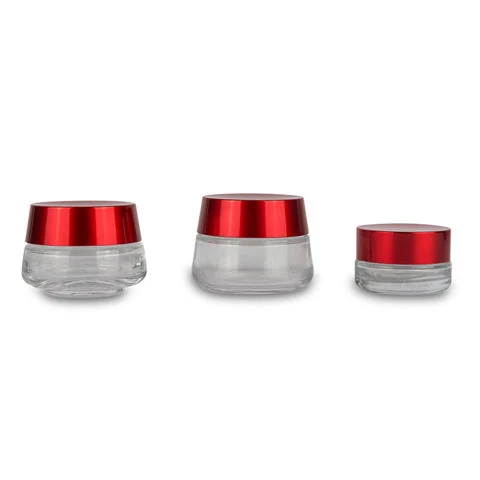
A glass does not have a universal size. Manufacturers create glasses based on market needs, customer preferences, and product functions.
A restaurant glass may focus on appearance and serving style. A household glass may focus on convenience. A promotional glass may focus on branding.
Because of these differences, saying "one glass" does not provide enough information.
For accurate communication, people should use:
- Milliliters.
- Liters.
- Fluid ounces.
- Standard cups.
These measurements create a clearer understanding.
How do countries measure cups differently?
Different countries may use different cup standards. This creates more confusion when people follow international recipes.
For example, a recipe from one country may define a cup differently from another country. If someone uses a random drinking glass instead of a measuring cup, the final result may change.
| Measurement system | Common cup size |
|---|---|
| US cup | About 240 ml |
| Metric cup | About 250 ml |
| UK traditional cup references | Can vary depending on context |
Why should manufacturers care about accurate capacity?
For glass manufacturers and beverage companies, capacity information is important. Customers need to know exactly how much a product can hold.
Clear capacity information helps with:
- Product labeling.
- Packaging design.
- Shipping planning.
- Customer expectations.
- Market approval.
A glass bottle or glass cup is not only about appearance. Capacity is also a key product specification.
When I communicate with customers, I always focus on clear measurements. This reduces mistakes during production and helps customers choose the correct glass design.
When should you convert glasses into cups?
You should convert glasses into cups when accuracy matters. This is especially important for cooking, beverage production, nutrition planning, and commercial applications.
A simple drinking glass estimate may work for casual use, but professional situations need exact measurements.
When is conversion important?
Conversion is useful in many situations:
- Following recipes.
- Creating drink formulas.
- Managing restaurant portions.
- Designing beverage packaging.
- Comparing product sizes.
For example, a home user may not care if a glass contains 220 ml or 240 ml. However, a beverage company producing thousands of bottles needs exact volume control.
How can I convert glasses into cups?
The basic method is measuring the glass volume first. After knowing the milliliter amount, it can be compared with the cup standard.
| Volumen de vidrio | Approximate cup conversion |
|---|---|
| 120 ml | 0,5 taza |
| 240 ml | 1 taza |
| 360 ml | 1,5 tazas |
| 480 ml | 2 tazas |
The conversion becomes easier when the glass has a clear capacity label.
Why do businesses need exact glass measurements?
Businesses need accuracy because small differences can create large problems. A beverage manufacturer needs consistent bottle and glass sizes for production planning.
Glass products also need correct specifications during international trade. Buyers need information about:
- Capacity.
- Weight.
- Dimensions.
- Material.
- Packaging method.
Clear communication reduces misunderstandings between suppliers and buyers.
For example, when a customer orders custom glass bottles, the volume requirement must be clear. A 100 ml bottle and a 120 ml bottle may look similar, but they serve different market needs.
Can glass size influence customer decisions?
Yes, glass size can affect buying choices. Customers often connect size with value, quality, and purpose.
A premium beverage brand may choose a special glass shape to create a stronger product image. A daily-use product may choose a practical size that fits common habits.
Glass capacity is not only a number. It is part of product design and customer experience.
Conclusión
A glass does not always equal one cup because glass sizes are different. A measuring cup provides accuracy, while drinking glasses focus on design and function. Knowing the difference helps with cooking, business, and daily use.