Ir al contenido
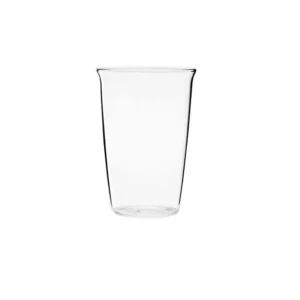
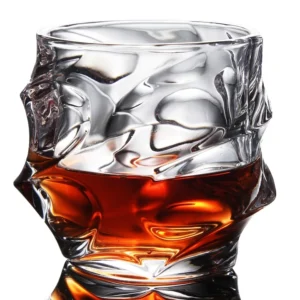
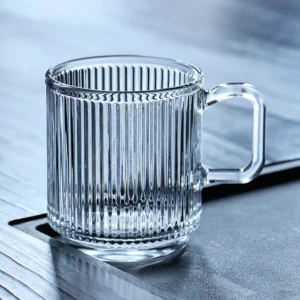
Una taza de cristal parece sencilla, pero fabricarla requiere un control minucioso. Mucha gente solo ve el producto final y desconoce los complejos pasos que hay detrás.
Para fabricar un vaso de cristal, se calientan las materias primas hasta convertirlas en cristal fundido, se moldea el cristal caliente, se controla la temperatura y se enfría lentamente para obtener un producto final resistente.
La fabricación de vidrio es un oficio ancestral que combina ciencia, calor y artesanía. El proceso requiere un equipamiento preciso, ya que el vidrio cambia rápidamente cuando se expone a altas temperaturas. Un pequeño error durante la producción puede afectar a la resistencia, la forma y el aspecto de la taza.
¿Qué herramientas se necesitan para fabricar un vaso de cristal?
La fabricación de un vaso de cristal requiere herramientas y máquinas especiales, ya que el cristal debe manipularse a temperaturas muy elevadas. Las herramientas ayudan a los trabajadores a fundir, dar forma, cortar y dar el acabado al cristal de forma segura.
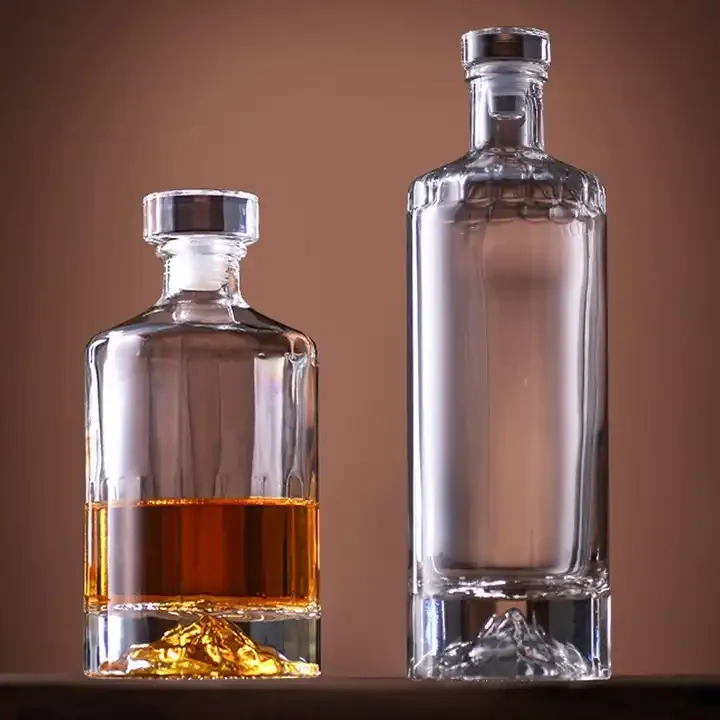
El primer paso en la fabricación del vidrio es la preparación de las materias primas. Estas se introducen en un horno, donde se convierten en vidrio líquido. A continuación, se utilizan diferentes herramientas para transformar el vidrio fundido en una taza acabada.
Principales herramientas utilizadas en la fabricación de vasos de cristal
| Herramienta o equipo | Función | Importancia |
|---|---|---|
| Horno de vidrio | Funde las materias primas a alta temperatura | Produce vidrio fundido apto para su uso |
| Crisol o cuba de fusión | Contiene vidrio fundido | Favorece una producción estable |
| Máquina de soplado o máquina de conformado | Da forma al vidrio | Crea la estructura de la copa |
| Moho | Define la forma de la copa | Garantiza un tamaño uniforme |
| Herramientas de corte | Elimina el cristal sobrante | Mejora la calidad de los bordes |
| Horno de recocido | Enfría el vaso poco a poco | Reduce la tensión interna |
Los fabricantes de vidrio tradicionales suelen utilizar herramientas manuales, mientras que las fábricas modernas emplean máquinas automatizadas. El método de producción depende del tipo de vaso, la cantidad necesaria y la complejidad del diseño.
Materias primas para la fabricación de vasos de cristal
El material principal con el que se fabrican los vasos de cristal comunes es la arena de sílice. Sin embargo, los fabricantes también añaden otros materiales para mejorar sus prestaciones.
Entre los materiales más habituales se encuentran:
| Material | Propósito |
|---|---|
| Arena de sílice | Material principal para la fabricación de vidrio |
| Carbonato sódico | Ayuda a reducir la temperatura de fusión |
| Piedra caliza | Mejora la fuerza y la estabilidad |
| Vidrio reciclado | Contribuye a los objetivos medioambientales |
La mezcla se dosifica cuidadosamente antes de introducirla en el horno. La fórmula influye en la transparencia, la resistencia mecánica y la resistencia al calor.
Vasos de cristal hechos a mano y a máquina
Existen dos métodos de producción habituales.
La fabricación artesanal de vasos de cristal depende de trabajadores cualificados. El artesano controla la forma moviendo y girando el cristal caliente. Este método permite crear diseños únicos, pero suele dar lugar a una producción más reducida.
Los vasos de cristal fabricados a máquina se producen mediante equipos automatizados. Las máquinas pueden fabricar miles de vasos de tamaños y formas similares. Este método es habitual para pedidos grandes, ya que mejora la eficiencia y la uniformidad.
En el caso de los productos de vidrio comerciales, las herramientas de producción deben garantizar tanto la calidad como la personalización. Muchas marcas necesitan colores, formas, impresiones, acabados esmerilados o decoraciones superficiales especiales. Un buen equipamiento ayuda a los fabricantes a crear diferentes diseños sin dejar de mantener una calidad estable.
¿Cómo se le da forma de vaso al vidrio fundido?
La transformación del vidrio líquido en una copa es una de las partes más interesantes de la fabricación del vidrio. El vidrio fundido, que al principio es un material blando y brillante, se va convirtiendo poco a poco en un recipiente resistente.
El proceso comienza una vez que las materias primas se funden en el interior de un horno. La temperatura alcanza un nivel lo suficientemente alto como para que la mezcla sólida pase a estado líquido. A continuación, los trabajadores o las máquinas trasladan el vidrio fundido a una zona de moldeado.
El proceso básico de conformado
| Escenario | Proceso | Resultado |
|---|---|---|
| 1 | Fundición | Las materias primas se convierten en vidrio líquido |
| 2 | Reunión | Se recoge una cantidad determinada de vidrio |
| 3 | Modelado | El cristal adopta la forma de una taza |
| 4 | Acabado | Se han mejorado los contornos y los detalles |
| 5 | Refrigeración | El vidrio se estabiliza |
La cantidad de vidrio fundido que se recoge es importante. Si se utiliza demasiado vidrio, la taza queda pesada. Si se utiliza muy poco vidrio, el producto resulta frágil.
Diferentes métodos de modelado
Los fabricantes utilizan distintos métodos en función del diseño de la copa.
Moldeo por soplado
En el soplado de vidrio tradicional, el artesano coloca el vidrio fundido en una pipa de soplar y le aplica aire a presión. El vidrio se expande y adopta la forma del molde.
Este método permite crear diseños creativos, ya que el trabajador puede controlar la forma manualmente.
Moldeo por prensado
En el moldeado por presión se utiliza una máquina para introducir el vidrio fundido en un molde. Este método permite obtener productos más gruesos y uniformes.
Se utiliza a menudo para fabricar vasos comunes, ya que ofrece una buena rapidez y uniformidad.
Moldeo por soplado y soplado
Las grandes fábricas suelen utilizar métodos automatizados en los que las máquinas controlan tanto el moldeado como la presión de aire. Este proceso permite fabricar rápidamente un gran número de vasos idénticos.
Por qué son importantes los moldes
Un molde confiere al vidrio su estructura definitiva. El molde controla:
- Altura
- Diámetro
- Espesor de la pared
- Forma de la base
- Diseño de la superficie
Un molde bien diseñado contribuye a la fabricación de productos uniformes. Un molde de mala calidad puede provocar un grosor irregular o problemas de forma.
A la hora de fabricar vasos de cristal a medida, el diseño del molde cobra aún más importancia. Una forma única puede requerir pruebas especiales antes de iniciar la producción en serie.
La fase de moldeado combina tecnología y experiencia. El vidrio solo es flexible durante un breve periodo de tiempo, por lo que la sincronización y los movimientos deben ser precisos. Una vez que el vidrio se enfría demasiado, resulta difícil volver a darle forma.
¿Por qué es fundamental el control de la temperatura en la fabricación del vidrio?
El control de la temperatura es uno de los aspectos más importantes de la fabricación del vidrio. El vidrio pasa del estado sólido al líquido y viceversa a lo largo de diferentes etapas de temperatura. Cada etapa influye en la calidad final.
La fabricación de vidrio requiere un calor extremadamente intenso durante la fusión. Sin embargo, controlar la temperatura tras el moldeado es igual de importante. Si el enfriamiento se produce demasiado rápido, el vidrio puede debilitarse o romperse.
Etapas de temperatura en la fabricación del vidrio
| Escenario | Finalidad de la temperatura | Efecto sobre el cristal |
|---|---|---|
| Fase de fusión | Crea vidrio líquido | Permite dar forma |
| Etapa de formación | Mantiene el vidrio flexible | Permite el moldeado |
| Fase de recocido | Alivia el estrés | Aumenta la fuerza |
| Enfriamiento final | Estabiliza el producto | Crea una taza terminada |
La temperatura de fusión debe ser lo suficientemente alta como para obtener un vidrio líquido homogéneo. Si la temperatura es demasiado baja, es posible que el material no se mezcle correctamente. El vidrio podría presentar burbujas o zonas irregulares.
Problemas provocados por un control deficiente de la temperatura
Una gestión inadecuada de la temperatura puede provocar varios problemas:
- Grietas
- Estructura débil
- Espesor irregular
- Aspecto descuidado
- Tensión interna
Es posible que estos problemas no siempre se detecten de inmediato. Una taza puede parecer normal, pero aún así tener defectos ocultos.
Por qué es importante el equilibrio térmico
El vidrio no se enfría de manera uniforme. La superficie exterior suele enfriarse más rápido que la interior. Esta diferencia genera tensiones en el interior del material.
Los fabricantes profesionales utilizan métodos de enfriamiento controlado para equilibrar la temperatura entre las distintas partes del vidrio.
El control de la temperatura también influye en el aspecto. El vidrio transparente requiere un calentamiento cuidadoso, ya que los cambios más mínimos pueden afectar a la transparencia y a la calidad de la superficie.
Temperatura y personalización
En el caso de los productos de vidrio decorativo, el control de la temperatura también es importante durante las fases posteriores del proceso.
Procesos como:
- Pulverización sobre vidrio
- Impresión
- Glaseado
- Estampado en caliente
- Pulido
Todos ellos requieren unas condiciones de superficie adecuadas.
Un diseño bonito solo tiene valor si la estructura de vidrio sigue siendo resistente. Una buena gestión de la temperatura ayuda a los fabricantes a crear productos que sean a la vez atractivos y fiables.
Según mi experiencia con los productos de vidrio, los clientes suelen fijarse primero en la forma y el color. Sin embargo, la estabilidad en la producción es la base. Sin un control adecuado de la temperatura, ni siquiera el diseño más creativo puede convertirse en un producto de éxito.
¿En qué momento de la producción deben enfriarse los vasos de cristal?
El enfriamiento es la última etapa importante en la fabricación de un vaso de cristal. Sin embargo, enfriar no significa simplemente dejar el cristal caliente al aire libre. Es necesario un enfriamiento controlado para proteger la estructura del cristal.
Las copas de cristal deben someterse a un enfriamiento controlado inmediatamente después de su moldeado. Este proceso se denomina recocido. Reduce la tensión interna y mejora la durabilidad.
El proceso de recocido
| Paso | Efecto refrescante | Propósito |
|---|---|---|
| 1 | Introducir el vidrio caliente en el horno de recocido | Inicia la refrigeración controlada |
| 2 | Baja la temperatura poco a poco | Previene el estrés |
| 3 | Mantener a una temperatura constante | Ayuda a eliminar el estrés |
| 4 | Continúa enfriando poco a poco | Hace que el vidrio sea más resistente |
El vidrio no se puede enfriar demasiado rápido, ya que las distintas zonas se contraen a ritmos diferentes. Esto genera una presión interna que puede provocar grietas.
Por qué el enfriamiento lento mejora la calidad
Una copa de cristal puede parecer terminada tras su moldeado, pero no está lista para su uso inmediato. La estructura interna necesita tiempo para estabilizarse.
El enfriamiento lento contribuye a mejorar:
- Fuerza
- Resistencia al calor
- Durabilidad a largo plazo
- Seguridad durante el uso
Un vaso de cristal bien enfriado soporta mejor los cambios normales de temperatura.
El tiempo de enfriamiento depende del diseño del producto
Cada tipo de taza requiere un programa de enfriamiento distinto.
Entre los factores se incluyen:
| Factor | Efecto sobre la refrigeración |
|---|---|
| Espesor del cristal | Cuanto más grueso es el cristal, más tiempo se necesita |
| Complejidad de la forma | Las formas complejas requieren un control minucioso |
| Fórmula del material | Los distintos tipos de vidrio se enfrían de forma diferente |
| Velocidad de producción | Afecta a la planificación de la producción |
Un vaso de cristal fino puede enfriarse más rápido que un vaso decorativo de cristal grueso. Un diseño personalizado de gran tamaño puede requerir una atención especial.
La refrigeración en las fábricas de vidrio modernas
Las fábricas modernas utilizan hornos de recocido automatizados para controlar el proceso. Estos sistemas supervisan los cambios de temperatura y mantienen la producción estable.
Para las empresas que encargan vasos o botellas de vidrio, la calidad del enfriamiento influye en la fiabilidad del producto. Un proveedor con un buen control de la producción puede ofrecer productos más resistentes y reducir las roturas durante el transporte.
Una copa de cristal terminada no se crea únicamente dando forma al cristal caliente. La fase de enfriamiento completa la transformación de un material blando en un producto útil.
Conclusión
La fabricación de un vaso de cristal requiere una preparación minuciosa, un moldeado a alta temperatura, un control preciso y un enfriamiento lento. Cada paso del proceso de producción influye en la calidad final, la resistencia y el aspecto del cristal.