Skip to content
Many people use the words "glass" and "cup" as if they mean the same thing. That can lead to mistakes when cooking, tracking water intake, or reading nutrition labels.
A standard measuring cup holds 8 fluid ounces (240 ml), but a drinking glass can hold anywhere from 8 to 16 ounces or even more. The exact answer depends on the size and shape of the glass.
This simple question matters more than many people think. A small difference in glass size can change a recipe, affect daily water goals, and create confusion when comparing serving sizes. Once the common glass sizes are clear, measuring water becomes much easier.
How Much Water Fits In A Glass?
Many people assume every drinking glass has the same capacity. In real life, glasses come in many shapes and sizes, so there is no single answer.
Most everyday drinking glasses hold between 8 and 16 fluid ounces (240 to 475 ml) of water. Small juice glasses may hold only 6 ounces, while large tumblers can hold 20 ounces or more.
The word "glass" describes the container instead of a fixed measurement. That is why recipes usually ask for cups, ounces, or milliliters instead of "one glass." Measuring units stay the same, but drinking glasses do not.
Common Glass Types
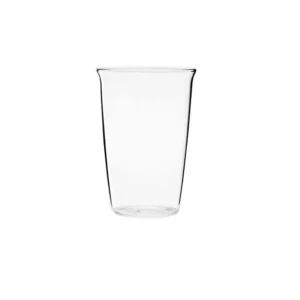
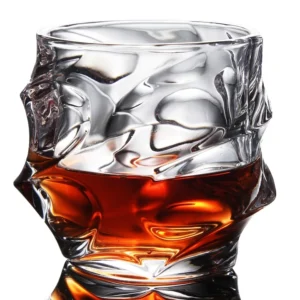
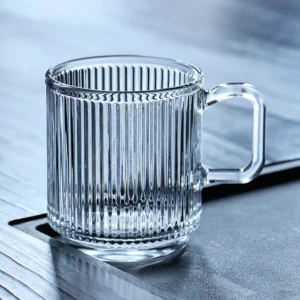
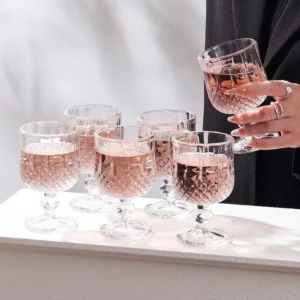
Different glasses are made for different drinks. Water glasses, juice glasses, and highball glasses all have different capacities.
| Glass Type | Typical Capacity | Best Use |
|---|---|---|
| Juice glass | 6–8 oz | Juice or small drinks |
| Standard water glass | 8–10 oz | Daily drinking |
| Tumbler | 12–16 oz | Water, soda, iced tea |
| Large tumbler | 16–20 oz | Extra-large drinks |
Many homes have several types of glasses. One family member may use a small glass while another prefers a large tumbler. Both are drinking from a "glass," but they are consuming very different amounts of water.
Why Glass Size Matters
Glass size becomes important in many situations.
For example, recipes depend on accurate measurements. A recipe asking for one cup of water expects exactly 8 fluid ounces. Pouring water from a random drinking glass could add too much or too little liquid.
Hydration tracking also depends on knowing the container size. Many health apps ask how many glasses of water someone drinks each day. If one glass holds 8 ounces and another holds 16 ounces, recording "one glass" gives very different results.
Nutrition labels create another example. A beverage bottle may list serving sizes in ounces or milliliters. Comparing that information becomes much easier when the capacity of the drinking glass is known.
A Simple Tip
The easiest way to know the capacity of a favorite glass is to measure it once.
Fill a measuring cup with water and pour it into the glass until it reaches the normal drinking level. The result becomes the actual capacity of that glass. After doing this once, there is no guessing in the future.
This small habit also helps when preparing recipes, mixing drinks, or keeping track of daily water intake.
How Many Ounces Are In A Water Glass?
People often ask how many ounces are in a water glass because recipes and nutrition facts usually use ounces instead of general descriptions.
A typical water glass usually contains 8 to 12 fluid ounces, although many modern glasses hold as much as 16 ounces. There is no official standard for a household drinking glass.
The key point is that ounces measure volume. A larger glass simply holds more liquid.
Understanding Fluid Ounces
A fluid ounce measures liquid volume, not weight. In the United States, one cup equals exactly 8 fluid ounces.
Many people become confused because bottles, recipes, and measuring cups all use ounces differently depending on the context. When measuring water, "fluid ounces" always describe volume.
Typical Water Glass Sizes
The following table shows common capacities.
| Glass Capacity | Milliliters | Equal to Cups |
|---|---|---|
| 8 oz | 240 ml | 1 cup |
| 10 oz | 295 ml | 1.25 cups |
| 12 oz | 355 ml | 1.5 cups |
| 16 oz | 475 ml | 2 cups |
A person using a 16-ounce glass drinks twice as much water as someone using an 8-ounce glass.
Does Country Matter?
Yes. Different countries use different measurement systems.
The United States commonly uses fluid ounces and cups.
Most European countries use milliliters and liters instead. Water bottles often show measurements only in milliliters, making conversions necessary when following American recipes.
Even the definition of a cup changes slightly between countries. The US measuring cup equals about 240 ml, while the metric cup used in many countries equals 250 ml.
For everyday drinking, this small difference rarely matters. For baking or cooking, however, precise measurements can improve results.
Measuring Without Guessing
If accuracy matters, use a measuring cup instead of estimating with a drinking glass.
Many kitchen measuring cups include both ounces and milliliters. This makes it easy to convert between recipes from different countries.
Over time, most people learn the capacity of their favorite glass. After that, estimating daily water intake becomes much more reliable.
What Is A Normal Glass Size?
The phrase "normal glass" sounds simple, but there is no official standard. Manufacturers design glasses for different purposes, styles, and customer preferences.
A normal household water glass is usually around 8 to 12 ounces (240–355 ml). Many newer drinkware sets include larger glasses that hold 14 to 16 ounces.
Glass size has gradually increased over the years. Restaurants, coffee shops, and beverage companies often serve larger portions than they did decades ago.
Why Glasses Have Become Larger
Consumer habits have changed.
People often prefer fewer refills, especially during meals. Larger glasses also work well for drinks served with ice.
Restaurants benefit because larger drinks improve customer satisfaction and pair well with larger meal portions.
At home, many families also purchase larger tumblers because they fit modern lifestyles.
Different Uses Need Different Sizes
A small glass works well for juice because juice is usually served in smaller amounts.
Water, on the other hand, is often consumed throughout the day, making larger glasses more convenient.
Special drinks also require unique glass shapes.
For example:
Juice Glass
Small and easy to hold.
Usually holds 6–8 ounces.
Water Glass
Balanced for daily use.
Usually holds 8–12 ounces.
Highball Glass
Designed for mixed drinks or soda.
Often holds 12–16 ounces.
Large Tumbler
Made for maximum capacity.
Can hold 16–20 ounces or even more.
Choosing the right glass depends on how it will be used rather than following one universal size.
Does Glass Shape Change Capacity?
Absolutely.
Two glasses may appear almost identical from the side, yet one can hold much more water because it is wider.
Tall glasses often look larger than short glasses, but this is not always true. Wide tumblers sometimes hold more liquid than tall narrow glasses.
Because of this, visual estimates are often inaccurate.
The safest approach is still measuring the actual capacity once instead of relying on appearance.
How Many Glasses Equal A Cup?
This question causes confusion because people often mix up measuring cups and drinking glasses.
If the drinking glass holds exactly 8 ounces, one glass equals one cup. If the glass is larger or smaller, the number of glasses needed changes.
A measuring cup is always consistent. A drinking glass is not.
Common Examples
Suppose someone owns an 8-ounce water glass.
One glass equals one cup.
Now consider a 16-ounce tumbler.
One full glass equals two cups.
A small 6-ounce juice glass works differently.
It takes about 1⅓ glasses to equal one measuring cup.
This explains why recipes avoid using the word "glass."
Why Recipes Use Cups Instead
Professional recipes need consistent results.
Imagine baking bread. Too much water changes the dough. Too little water changes the texture.
Using cups instead of glasses removes the uncertainty.
The same principle applies when mixing beverages or preparing sauces.
Daily Hydration Goals
Many people hear the advice to drink eight glasses of water every day.
This guideline becomes confusing because nobody defines the size of those glasses.
If each glass contains 8 ounces, eight glasses equal 64 ounces of water.
If each glass contains 16 ounces, eight glasses become 128 ounces, which is double the amount.
This is one reason many health professionals now recommend tracking total fluid intake instead of counting glasses alone.
The Best Way to Think About It
Instead of asking how many glasses equal a cup, ask how much your own glass holds.
Once the capacity is known, every conversion becomes simple.
An 8-ounce glass equals one cup.
A 12-ounce glass equals one and a half cups.
A 16-ounce glass equals two cups.
Knowing this single number removes nearly all of the confusion around recipes, serving sizes, and daily hydration.
Conclusion
A glass is a container, not a fixed measurement. Most drinking glasses hold between 8 and 16 ounces, while one measuring cup always equals 8 fluid ounces. Learning the capacity of your favorite glass makes cooking, baking, and tracking daily water intake much easier.