Skip to content
Part 1: Market Size and Growth
The glassware manufacturing industry in the Netherlands has evolved significantly over the years. With a rich history of glass production, the country is known for its high-quality craftsmanship and innovative designs. The global demand for glassware products, including drinkware, decorative items, and industrial glass, has spurred growth in this sector. As the world embraces sustainability and eco-friendly manufacturing, Dutch companies are aligning their production processes with these trends, meeting international standards.
The market size of the glassware industry continues to grow, driven by increased demand across various sectors, such as hospitality, retail, and e-commerce. The Netherlands is one of Europe's prominent exporters of glassware, serving a wide array of industries from fine dining to industrial packaging. Consumers and businesses alike are seeking products that offer both design excellence and functionality. As a result, the Dutch glassware market remains competitive with a focus on both traditional and innovative product offerings.
The rise of investment in the Netherlands' glassware sector has been fueled by policies that encourage sustainable practices and technology advancements. The country's strategic position in Europe also facilitates easy access to global markets, further contributing to its growth. Moreover, the emergence of glassware clusters, such as in the region of Zeeland, enables manufacturers to collaborate and drive innovations within the sector.
Part 2: Leading Companies
Royal Leerdam

Royal Leerdam is a historic glassware manufacturer founded in 1765 in the Netherlands. Known for its exquisite glass art and premium products, Royal Leerdam has been a leader in the Dutch glass industry for centuries. The company combines traditional glass-blowing techniques with modern technology to create high-end glassware items such as vases, drinkware, and ornamental pieces.
Royal Leerdam offers a broad range of glass products, catering to both luxury and everyday needs. Their glassware is renowned for its clarity, durability, and unique design. The company primarily serves the hospitality, retail, and gift industries, offering bespoke solutions for clients who demand precision and artistry. Their products are often featured in high-end restaurants, luxury hotels, and private collections.
Royal Leerdam has earned numerous accolades for its innovation in design and sustainability. The company has implemented environmentally conscious practices, including using recycled glass in many of their products. It holds certifications for eco-friendly manufacturing processes and continues to push boundaries in both product development and sustainability.
Mosa Glass

Founded in 1959, Mosa Glass is one of the Netherlands' top manufacturers, specializing in both industrial and decorative glass products. Located in the heart of the country, Mosa Glass has grown into a leading supplier of glassware for sectors ranging from food and beverage to automotive and construction. The company's expertise lies in creating both functional and artistic glass solutions, known for their strength and versatility.
Mosa Glass produces a wide range of products, from simple containers to sophisticated glassware for retail and luxury markets. Their main clients include industrial firms, packaging companies, and global retailers. The company’s innovative glass solutions have been highly sought after in the foodservice industry, where demand for high-quality, durable glassware is ever-increasing.
The company focuses on integrating new technologies and production methods that minimize environmental impact. Mosa Glass holds several certifications for quality management and sustainability. Their commitment to environmental responsibility and cutting-edge manufacturing techniques makes them a standout player in the Dutch glassware industry.
Duran Glass
Duran Glass, established in 1948, is a global leader in the production of laboratory and technical glassware. With a reputation for precision and durability, Duran Glass serves industries such as pharmaceuticals, research, and manufacturing. Their focus on high-performance glass products has allowed them to become a trusted partner for companies in science and industry worldwide.
Duran Glass specializes in providing laboratory glassware such as beakers, flasks, and test tubes, all of which are known for their resistance to thermal shock and chemical durability. The company’s products are essential in scientific research and industrial applications, where reliability is paramount. With a broad international client base, Duran Glass has cemented its position as an expert in the field of technical glass manufacturing.
Duran Glass is recognized for its continuous innovation, often introducing new products designed to improve safety and efficiency in laboratory settings. The company adheres to the strictest quality standards and holds multiple certifications for both product quality and environmental management, ensuring that their operations and products meet the highest global standards.
| Company | Founded | Core Products | Industries | Certifications |
|---|---|---|---|---|
| Royal Leerdam | 1765 | Glass art, Vases, Drinkware | Hospitality, Retail, Gifts | ISO 14001, FSC |
| Mosa Glass | 1959 | Industrial & Decorative Glass | Packaging, Retail, Hospitality | ISO 9001, Eco-Label |
| Duran Glass | 1948 | Laboratory Glassware | Pharmaceuticals, Research | ISO 13485, CE |
Part 3: Trade Shows and Industry Events
The Netherlands hosts a range of trade shows and events that play a key role in the glassware industry. These events provide opportunities for manufacturers to showcase their products, connect with buyers, and explore the latest trends in design and technology. One such prominent event is the “International Glass Symposium,” held annually in Amsterdam, which attracts glass artists, designers, and manufacturers from all over the world.
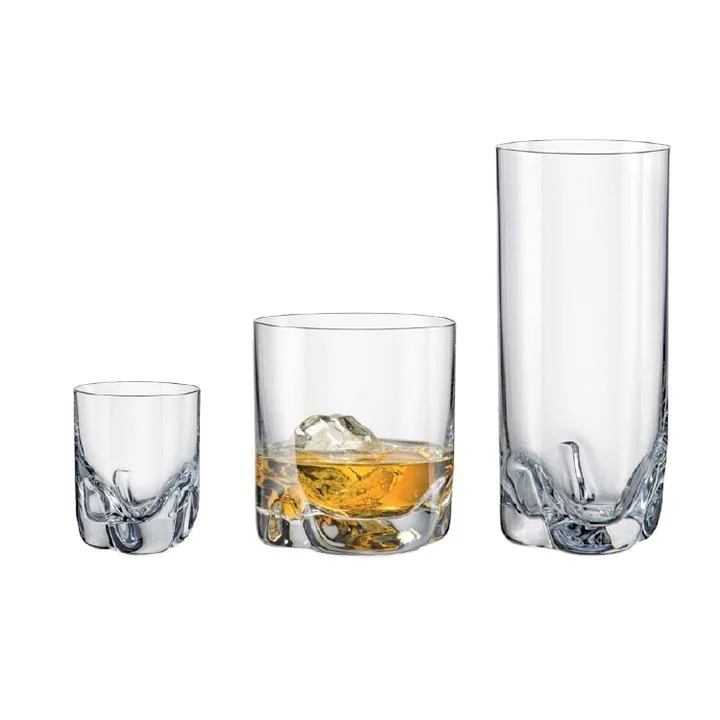
The International Glass Symposium offers a platform for companies to network and discuss innovations in glass production. Held each year, it features presentations and exhibitions by leading glassware manufacturers, as well as workshops on the latest glass techniques. For businesses in the Dutch glass industry, this event is crucial for staying ahead of global trends and expanding their reach internationally.
Another key event is the “Dutch Glass Expo,” which focuses on the industrial aspects of glass production. It brings together manufacturers of all types of glass products, from architectural glass to high-end tableware. This expo provides a venue for companies to explore new technologies, materials, and manufacturing processes that can enhance the efficiency and sustainability of their operations.
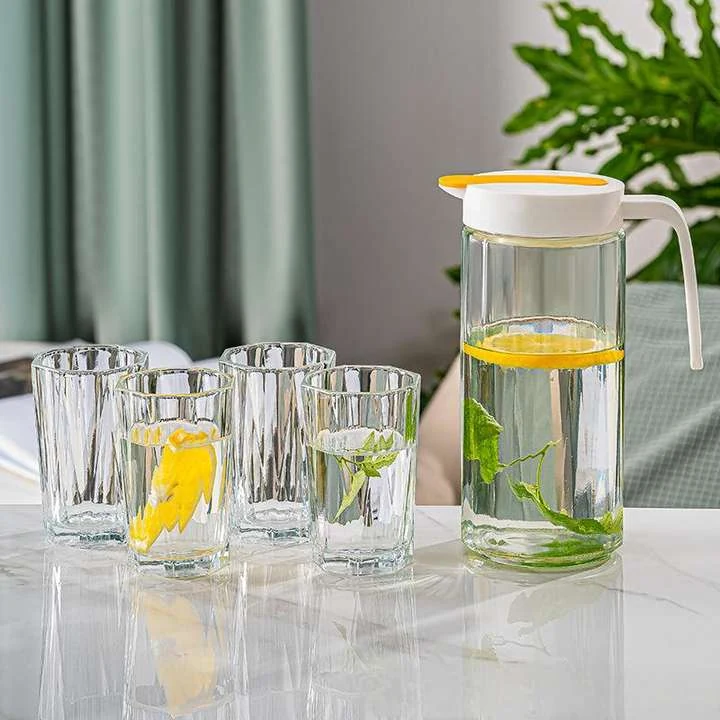
| Event | Date | Location | Highlights |
|---|---|---|---|
| International Glass Symposium | April 15-17, 2026 | Amsterdam, NL | Workshops, Exhibitions, Networking |
| Dutch Glass Expo | October 20-22, 2026 | Utrecht, NL | Industrial Glass, New Technologies |
Part 4: Impact of Global Trade Policies
Global trade policies significantly impact the glassware industry in the Netherlands. Trade agreements, tariffs, and import/export regulations influence the pricing and availability of raw materials, as well as the competitiveness of Dutch manufacturers in the global market. As international demand for high-quality glassware grows, Dutch companies must navigate these trade policies to ensure they remain competitive.
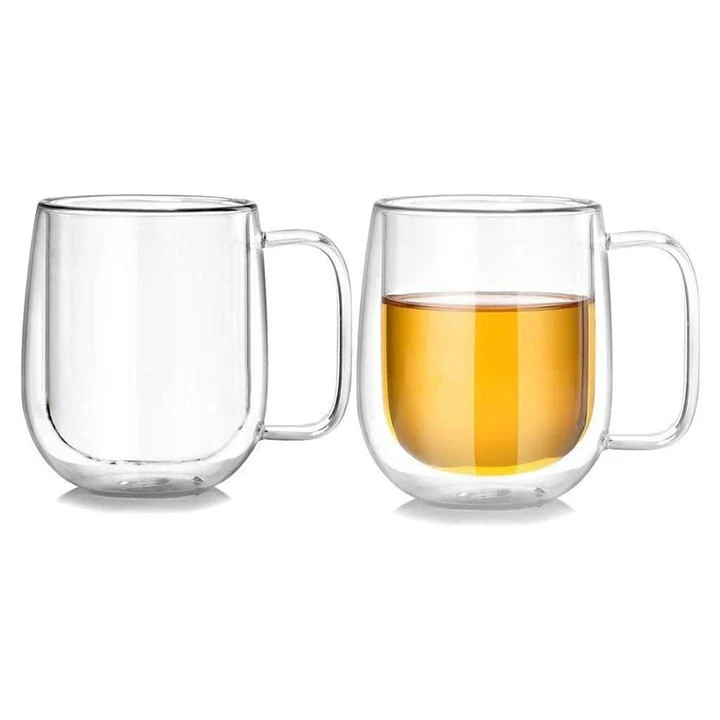
The recent trend toward local sourcing and supply chain diversification presents both challenges and opportunities for Dutch glass manufacturers. While local substitutes are increasingly favored to reduce reliance on international suppliers, this shift can also lead to higher production costs and logistical complexities. At the same time, it offers the opportunity for Dutch companies to innovate in product offerings and cater to more sustainable market demands.
The global market is also becoming more competitive, with countries in Asia and Eastern Europe ramping up glass production. For Dutch manufacturers, staying ahead of the curve means focusing on quality, sustainability, and design innovation. As these factors become more important to consumers worldwide, the Netherlands’ glassware manufacturers are well-positioned to leverage their reputation for quality.
Part 5: Conclusion
The Dutch glassware manufacturing industry has a strong foundation, built on centuries of expertise and a commitment to quality. The sector's ability to adapt to global trends, such as sustainability and innovation, will be key in ensuring continued growth. Opportunities abound, especially for companies that embrace new technologies, maintain high standards, and foster strong international partnerships.
At the same time, challenges remain, especially with fluctuating global trade conditions and increasing competition from emerging markets. By staying focused on their strengths, Dutch glassware manufacturers can continue to thrive in a competitive, globalized market.
Word count: 1537