Skip to content
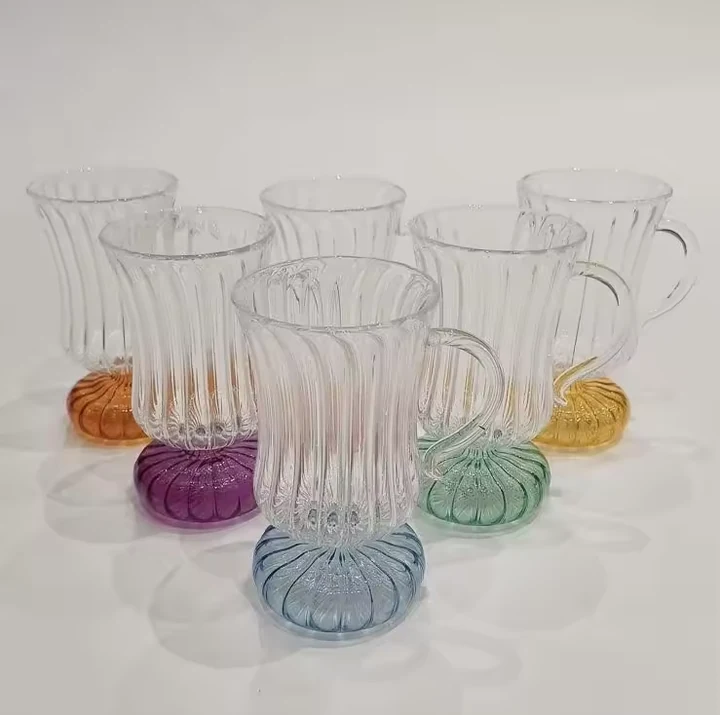
Myanmar’s glassware sector is a blend of traditional craft and emerging industrial production. For centuries, artisans in Myanmar created everyday glass objects by hand. In recent years, small factories and workshops have introduced more modern processes alongside hand‑made work. The demand for glassware comes from households, hotels, construction projects, and export traders exploring new Southeast Asian partners. Even though Myanmar’s industry is smaller than in large manufacturing countries, its local creators and producers serve many domestic needs and increasingly work with international buyers.
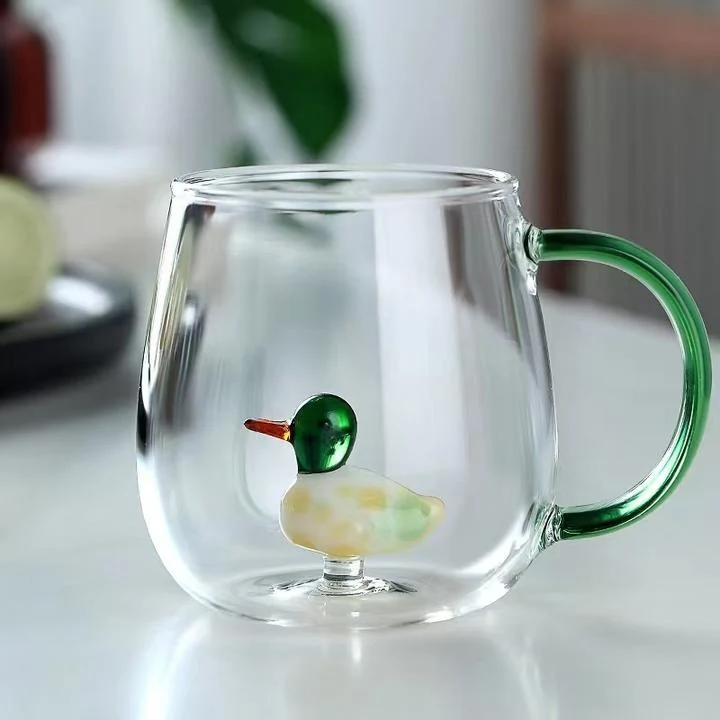
Glassware covers a wide range of uses in Myanmar, from simple drinking glasses and bottles to larger flat glass for windows and architectural projects. Some producers focus on functional glass pieces like cups and containers, while others work on industrial glass and bottle glass for beverages. The industry is shaped by the availability of raw materials, energy costs, and the blend of local craft skills with growing technological adoption. There is also a small but meaningful scene of decorative glass art that appeals to tourists and gallery buyers.
Understanding the glassmakers in Myanmar requires looking at both the craft workshops and the more formalized factories. This overview introduces several key entities, including artisan producers and industrial glass manufacturers. Myanmar’s glass sector is still developing as economic reforms open opportunities for investment and trade. The companies covered here reflect that diversity, from hand‑made studios to glass panel producers supporting construction and infrastructure projects.
Leading Glassware & Glass Product Makers in Myanmar
Yangon Glass Works
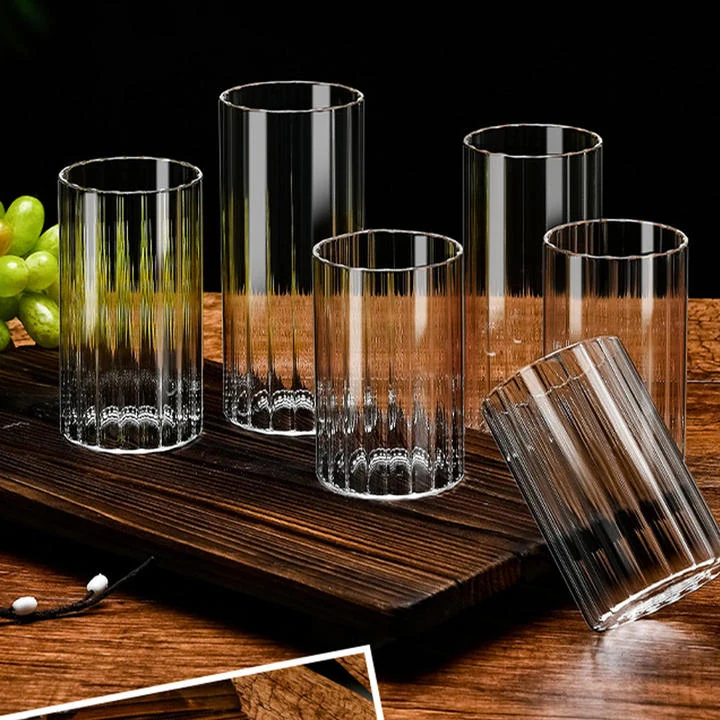
Overview: Yangon Glass Works is one of the better‑known names in Myanmar’s glass industry, located in the country’s largest city. This company mixes traditional glass‑making skills with semi‑automated processes to produce a range of glassware. Established several decades ago by local entrepreneurs familiar with glasswork, it grew from small workshop roots into a modest production facility that serves Yangon and surrounding regions.
The product range from this company includes drinking glasses, tumblers, storage jars, and simple bottle glass. They also fulfill custom orders for restaurants, cafes, and small hotels. In addition to flat panels for windows, Yangon Glass Works offers basic cut and polished glass products made to local specifications. Skilled artisans work alongside machine operators to ensure both quality and efficiency in production. Quality control focuses on consistent thickness, clarity, and durability for everyday use.
Yangon Glass Works has maintained strong relationships with local construction firms and hospitality businesses in Yangon and Mandalay. This has helped the company expand its product offerings over time. Domestic customers appreciate the balance of traditional craftsmanship and modern production reliability. Buyers from nearby countries sometimes explore partnerships for export of functional glassware, especially drinking glasses and simple containers.
Mandalay Glass Company
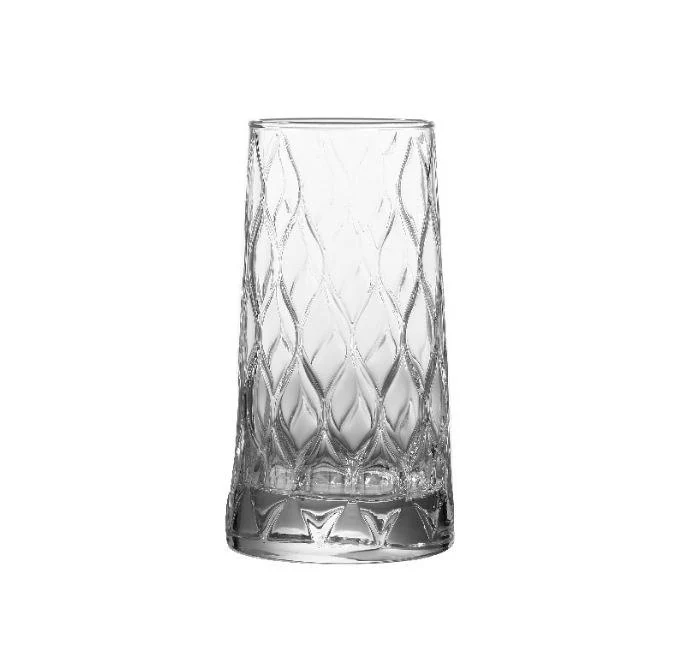
Overview: Mandalay Glass Company operates in central Myanmar and emphasizes industrial glass panels alongside consumer glassware. Originally a flat glass supplier for building and renovation projects in Mandalay, it later added household glass products to its portfolio. The company relies on imported raw materials and local labor to produce both flat glass and shaped glassware.
The industrial side of Mandalay Glass Company focuses on producing flat glass for windows, door panels, and partitions. These products are sold to builders and property developers working on residential and commercial projects. The company’s manufacturing setup includes semi‑automated cutting, tempering lines, and quality inspection to meet performance requirements. For customers needing tailored glass sizes, Mandalay Glass provides cutting and finishing services.
On the consumer side, Mandalay Glass Company produces everyday glassware items such as tumblers, jars, and bottles. These goods are distributed through local markets and independent retailers. The company has found steady demand because many households and businesses seek reliable, locally produced glass products at accessible price points. Mandalay Glass also works with packaging businesses that need standard bottle glass for beverages and consumer goods.
Bagan Glass Studio

Overview: Bagan Glass Studio is a smaller, artisan‑oriented producer located near the historic city of Bagan. While not a large manufacturer, this studio is notable for its creativity and hand‑made approach to glassware. The artisans blend traditional glass blowing and shaping methods with local cultural motifs, producing pieces that appeal to collectors, tourists, and boutique buyers.
Products from Bagan Glass Studio include decorative glass bowls, art pieces, and specialty glassware that reflect Burmese themes. Each piece is shaped by hand and finished with careful polishing, making these works unique and visually striking. The studio also offers custom commissioned pieces for interior decor projects and gallery exhibitions. Bagan Glass Studio often participates in local craft fairs and markets to reach visitors and residents who value artistic expression.
Because its production volumes are limited, Bagan Glass Studio focuses less on utilitarian glassware and more on artistic creations. The company’s work supports local tourism and contributes to the cultural identity of the region. Collectors value the studio’s pieces for their craftsmanship and the story each object represents about Myanmar’s craft heritage.
Naypyidaw Flat Glass
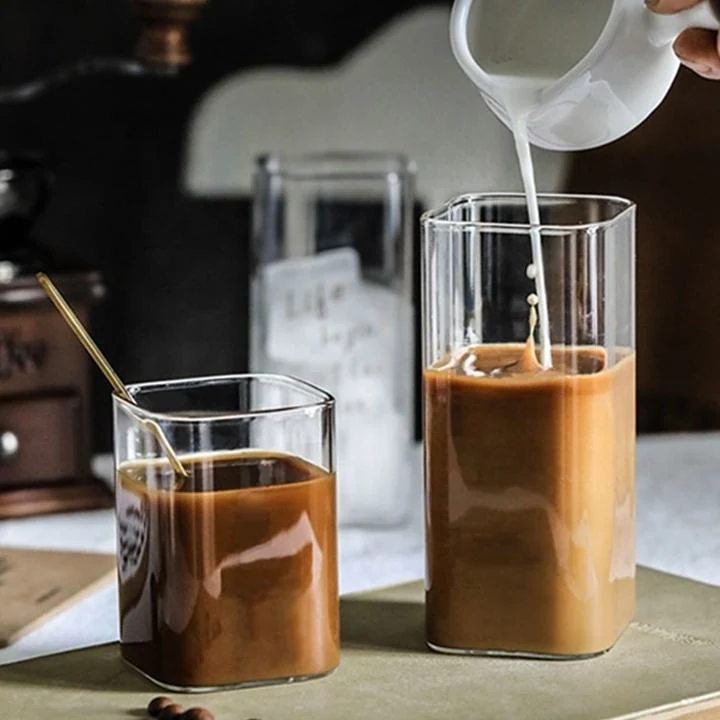
Overview: Naypyidaw Flat Glass specializes in industrial and architectural flat glass products for construction. Based near Myanmar’s capital city of Naypyidaw, this company supplies glass panels for residential buildings, offices, and public facilities. While it does not produce many drinking glasses or containers, its role in the building sector is significant for local infrastructure development.
The product line includes clear and tinted flat glass, safety laminated panels, and tempered glass options. These products are essential for windows, facades, interior partitions, and balustrade systems. The company uses semi‑automated cutting and tempering equipment, and it works with architects and builders to meet project specifications. Safety and performance are key priorities, especially for laminated and heat‑treated glass.
Although its main focus is construction, Naypyidaw Flat Glass also offers custom glass finishing services. These include edge polishing, drilling for hardware installation, and protective coatings. In a growing real estate market, this company plays an important role by providing reliable glass solutions that meet demanding performance standards.
Mandalay Bottle and Container Glass
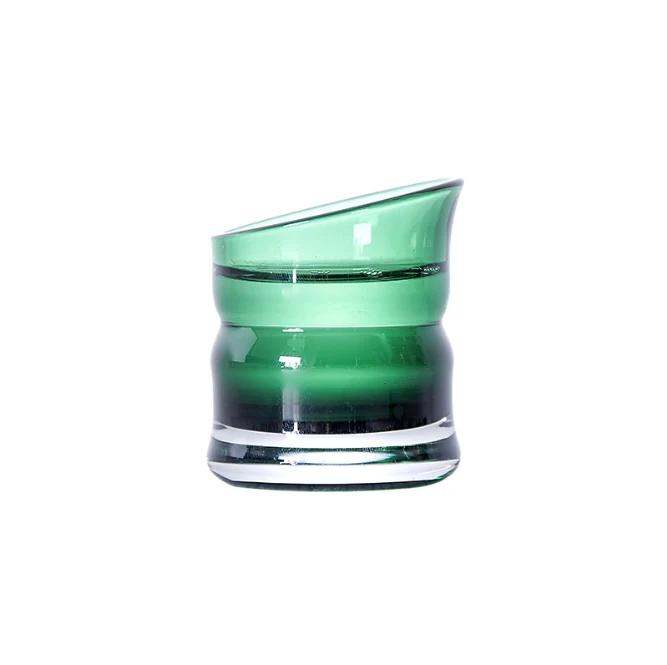
Overview: Mandalay Bottle and Container Glass is focused on supplying glass containers for beverages and consumer products. In a country where beverage production and food packaging are expanding, this producer has established a niche in manufacturing bottle glass. The company caters to local breweries, small beverage brands, and food processors.
Products include standard bottle shapes, jars with screw tops, and specialty containers for oils and sauces. Mandalay Bottle and Container Glass ensures its products meet basic sealing and durability needs required by food and beverage producers. Quality checks include thickness uniformity and resistance to thermal shock during filling processes.
The company’s production approach involves a mix of mechanized forming and manual finishing. Skilled operators maintain consistent manufacturing standards, while local partnerships help keep distribution channels efficient. As domestic brands grow, Mandalay Bottle and Container Glass has positioned itself to support packaging needs within Myanmar’s evolving consumer goods landscape.
Yangon Decorative Glass
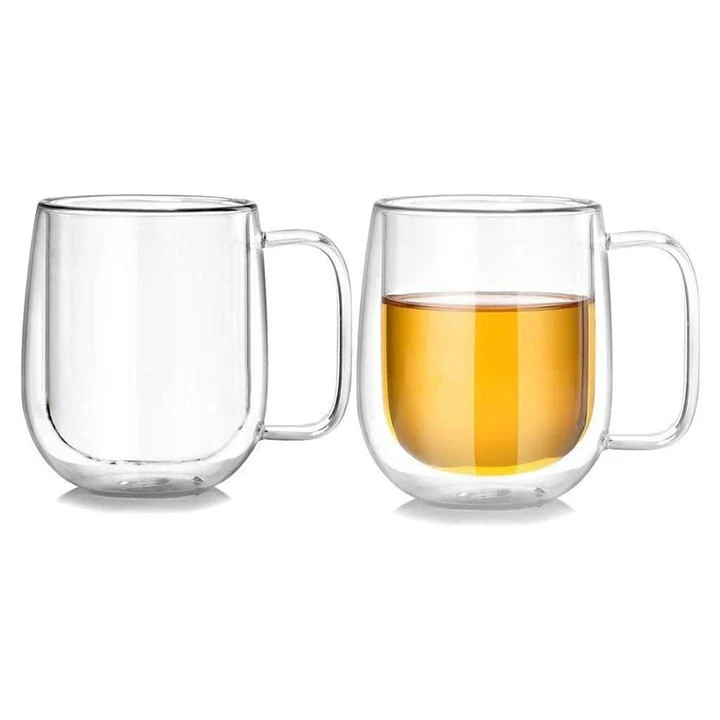
Overview: Yangon Decorative Glass is a creative producer that focuses on artwork and decorative glass pieces. This company produces stained glass panels, etched glass decorations, and artistic glassware that is used in homes, galleries, and boutique stores. Its operations combine manual artistic processes with small‑scale fabrication tools.
The decorative pieces often feature motifs inspired by Burmese culture, landscapes, and traditional designs. Yangon Decorative Glass offers handcrafted mosaic glass art as well as custom etched glass for interior design projects. While it does not compete directly with industrial glass manufacturers, it plays a vital role in nurturing creative glasswork within Myanmar.
The company’s customers include interior designers, boutique hotels, and galleries seeking unique glass creations. Each piece is crafted by artisans trained in both traditional techniques and modern decorative glass methods. Yangon Decorative Glass helps elevate the visibility of craft glass in local and regional markets.
Glass Companies in Myanmar at a Glance
| Company | Focus Area | Core Products & Services | Typical Users |
|---|---|---|---|
| Yangon Glass Works | General glassware | Drinking glasses, jars, simple panels | Households, hospitality |
| Mandalay Glass Company | Mixed industrial & consumer | Flat glass, tumblers, bottles | Builders, retailers |
| Bagan Glass Studio | Artisan decorative glass | Decorative art pieces, custom glassware | Collectors, tourists, galleries |
| Naypyidaw Flat Glass | Architectural/industrial glass | Clear/tinted panels, safety glass | Architects, construction projects |
| Mandalay Bottle & Container | Packaging glass | Bottles, jars, beverage containers | Beverage brands, food processors |
| Yangon Decorative Glass | Decorative glass art | Stained glass, etched panels, custom art pieces | Designers, boutique clients |
Trade Shows & Events in Myanmar
Myanmar’s glass sector participates in broader craft and industrial exhibitions rather than dedicated glass fairs. These events allow glassware makers to connect with buyers, designers, and regional trade partners. Attendance at these shows helps producers showcase their work to expanding audiences and build new market opportunities.
Myanmar International Trade Expo
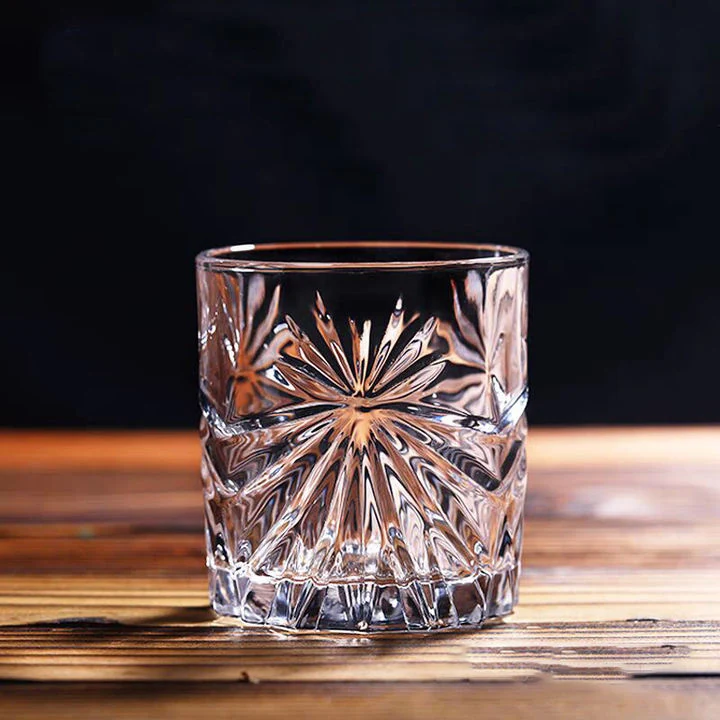
The Myanmar International Trade Expo is a major annual event that highlights products from many sectors including glassware, construction materials, and consumer goods. Glass producers display their products alongside other manufacturers, giving them a chance to attract both domestic and international interest. This event usually features hundreds of exhibitors from Myanmar and neighboring countries. It helps forge business connections and showcases innovations in materials and design.
Yangon Crafts and Design Fair
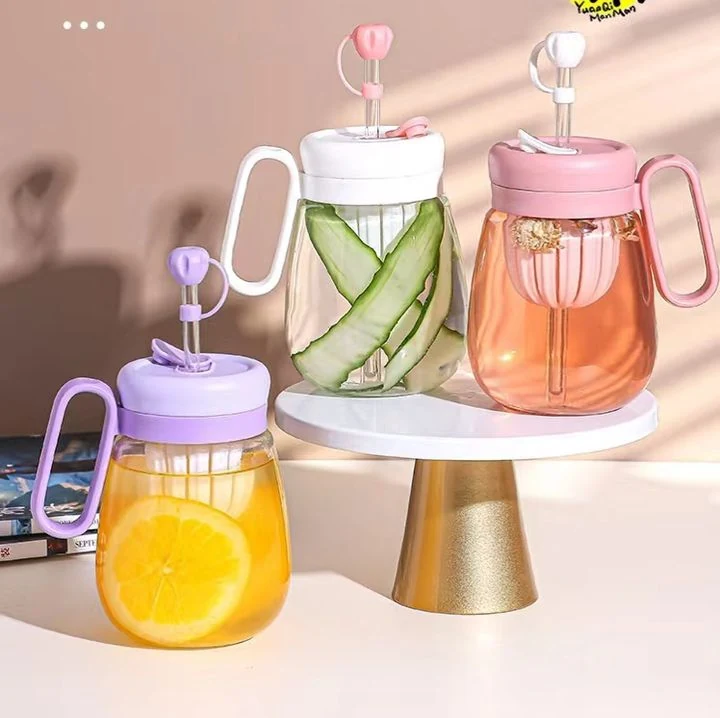
The Yangon Crafts and Design Fair brings together artisans working in a wide range of materials including glass, wood, metal, and textiles. Glass artists and small producers participate to offer hand‑made glassware, decorative pieces, and custom designs. The event draws local buyers, tourists, and collectors who value crafted goods. It also offers demonstrations and workshops where visitors can learn about glass‑making processes and design inspiration.
| Event | Timing | Location | Highlights |
|---|---|---|---|
| Myanmar International Trade Expo | Annual | Yangon | Industry displays, networking for glass and goods |
| Yangon Crafts and Design Fair | Seasonal | Yangon | Artisan glasswork, demos, creative showcases |
Impact of Global Trade Policies
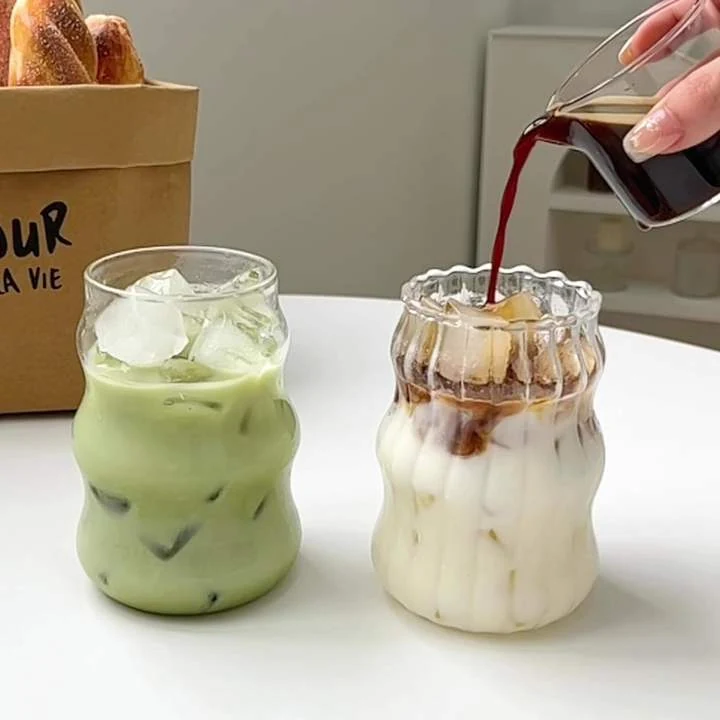
Global trade policies affect Myanmar’s glassware industry in multiple ways. Tariffs on imported raw materials such as silica, soda ash, and specialized equipment influence production costs. Trade agreements between Myanmar and other ASEAN countries help reduce barriers for exports of glass products and materials. However, policy shifts can alter export opportunities and competitiveness in regional markets. Economic sanctions and trade restrictions imposed at times on Myanmar have also influenced how companies source materials and connect with overseas buyers.
Access to foreign investment plays a role as well. When trade policies encourage investment, glass manufacturers can modernize technology and increase productivity. Conversely, complicated import regulations or weak infrastructure can slow investment flows and add costs. International quality standards affect how Myanmar glass makers position their products in export markets. Adhering to recognized safety and performance benchmarks is increasingly important for competitive participation in global supply chains.
Domestically, government programs that support industrial development can help glass factories improve efficiency. Training initiatives for artisans help preserve traditional skills while introducing new manufacturing knowledge. Regional cooperation with neighboring countries also opens pathways for knowledge exchange and joint ventures. Overall, trade policies at both global and regional levels shape the opportunities and challenges that Myanmar’s glass industry faces in a rapidly changing economic landscape.
Conclusion
Myanmar’s glassware manufacturing scene is diverse and evolving. From Yangon Glass Works producing everyday items to Mandalay Glass Company supplying both flat glass and containers, the industry spans functional products, industrial support, and artistic expression. Artisan producers like Bagan Glass Studio and Yangon Decorative Glass enrich the cultural side of glasswork. Meanwhile, Naypyidaw Flat Glass plays a critical role in providing architectural and safety glass for construction markets.
The industry’s opportunities lie in growing regional demand, expanding domestic construction, and attracting international buyers seeking unique and reliable glass products. Challenges include managing raw material costs, meeting international quality standards, and navigating global trade policies that affect export and import conditions. As Myanmar’s economic landscape continues to evolve, glassware manufacturers are finding ways to balance tradition with innovation and build connections that reach beyond local markets.