Skip to content
Part 1: Market Size and Growth
The glassware manufacturing industry in the Solomon Islands is still in its infancy, though it holds considerable potential due to the country's growing tourism and hospitality sectors. While most glassware, such as bottles, cups, and other tableware, is currently imported from neighboring countries like Australia, China, and New Zealand, local demand is gradually rising. The tourism boom, driven by increasing numbers of resorts, hotels, and restaurants, is expected to fuel demand for quality, eco-friendly glass products.

The market for glassware in the Solomon Islands is slowly expanding, particularly in segments such as decorative glass, tableware, and packaging. The increasing focus on sustainable practices and local manufacturing is driving a gradual shift toward domestic glassware production. As local businesses and industries grow, particularly in hospitality and packaging, there’s a significant opportunity for glass manufacturers to cater to these demands.
In addition, the Solomon Islands has seen a rise in imports of eco-friendly glass products, spurred by an increasing focus on sustainability in the global market. Local manufacturers are now beginning to experiment with glass recycling and eco-friendly production methods. As the industry matures, new investments in glass manufacturing technology will likely contribute to growth, creating a competitive and diverse glass market in the region.
Part 2: Leading Companies
Solomon Glass Ltd
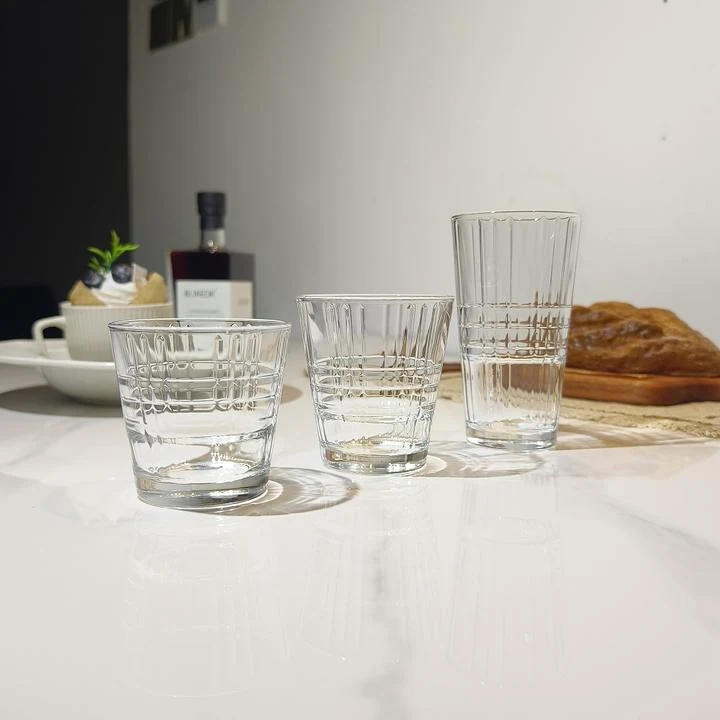
Solomon Glass Ltd, established in 2010, is the first significant glass manufacturer in the Solomon Islands. Located in the capital, Honiara, the company specializes in producing glass bottles, jars, and custom glassware for local businesses, especially those in the beverage sector. With a strong focus on quality, the company has grown steadily, supplying products to local industries like food, beverages, and hospitality.
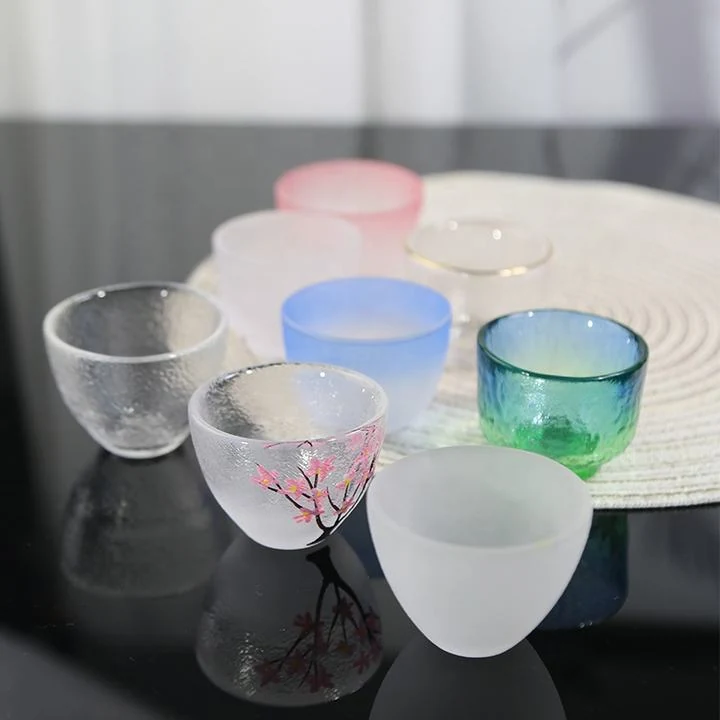
The company provides a range of products including glass bottles for alcoholic beverages, soft drinks, and sauces. Solomon Glass Ltd is well-known for providing customized packaging solutions and supports local beverage companies with tailored designs. They also offer decorative glass items, catering to the tourism and hospitality industries.
Despite its relatively small scale, Solomon Glass Ltd has made significant strides in promoting local glass manufacturing. Their products are manufactured with an emphasis on durability and sustainability, using high-quality raw materials. In addition, the company actively works to minimize its environmental impact by adopting energy-efficient production practices.
Tasi Glassworks
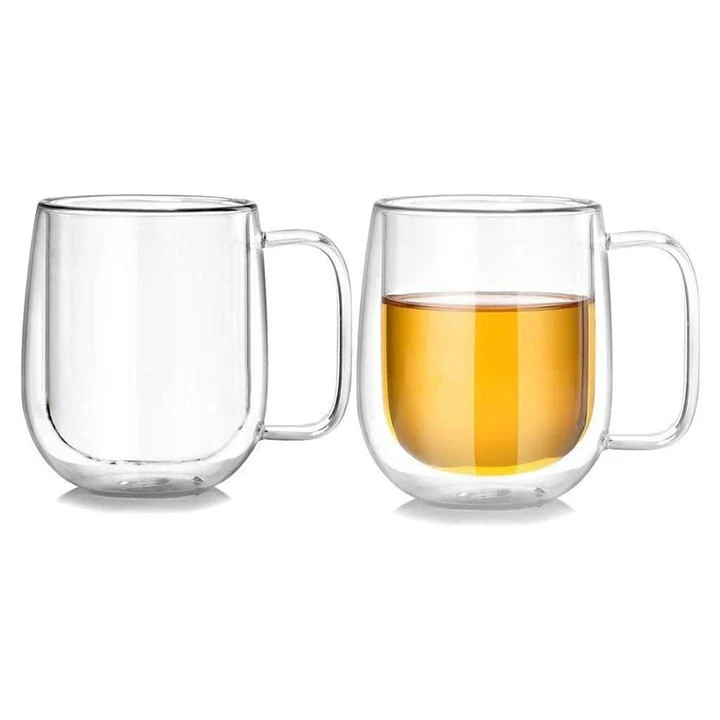
Tasi Glassworks, founded in 2015, operates as a craft glass manufacturer in the Solomon Islands. Situated near Honiara, Tasi Glassworks specializes in artisanal glass products, such as hand-blown glassware, decorative pieces, and custom glass items. With a focus on craftsmanship, Tasi Glassworks serves the high-end hospitality sector, providing unique glass products for resorts, restaurants, and boutique hotels.
The company’s product range includes personalized glass items such as vases, drinkware, and ornaments. They have also developed a line of custom glass pieces for special events and corporate gifts. Their emphasis on quality, design, and craftsmanship has made them a favorite among international clients seeking authentic, locally made glass products.
Tasi Glassworks uses a mix of traditional glassblowing techniques and modern production methods, ensuring that every piece is unique. They are also making efforts to expand their sustainable practices, particularly in sourcing raw materials and reducing waste during production. As the demand for personalized, handmade glass items grows, Tasi Glassworks is poised to tap into new international markets.
Makira Glass Factory
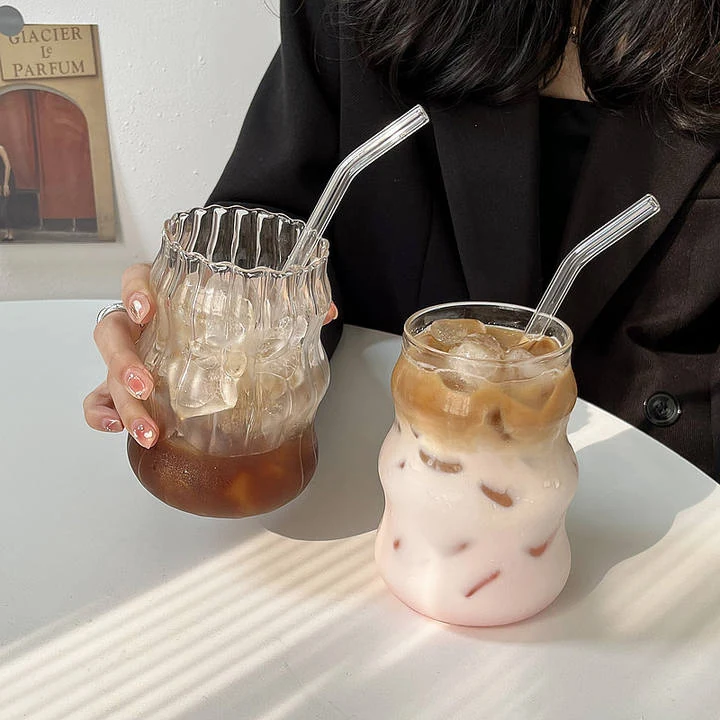
Makira Glass Factory, established in 2018, is one of the newer entrants in the glass manufacturing scene in the Solomon Islands. Located on the island of Makira, the factory focuses on producing simple yet durable glass products for local markets. Specializing in glass containers and tableware, the company has positioned itself as an affordable option for local businesses looking for high-quality glass products.
Makira Glass Factory primarily serves the packaging sector, producing glass bottles, jars, and containers for food, beverages, and cosmetics. They offer bulk production runs, which makes them a cost-effective choice for small businesses and startups. The factory’s commitment to low-cost, high-efficiency production has allowed it to cater to a growing demand for locally manufactured glass products.
The company has recently introduced sustainable manufacturing practices, focusing on the use of recycled glass and minimizing its environmental footprint. This move has helped it align with global trends toward sustainability. As demand for local glass products increases, Makira Glass Factory is expected to expand its operations and become a key player in the Solomon Islands' growing glassware market.
| Company | Founded | Core Products | Industries | Certifications |
|---|---|---|---|---|
| Solomon Glass Ltd | 2010 | Glass bottles, jars | Food & Beverage, Hospitality | ISO 9001 |
| Tasi Glassworks | 2015 | Hand-blown glassware | Hospitality, Tourism | ISO 14001 |
| Makira Glass Factory | 2018 | Glass containers | Packaging, Food & Beverage | Sustainability |
Part 3: Trade Shows and Industry Events
Solomon Islands Trade Expo
The Solomon Islands Trade Expo, held annually in Honiara, is one of the country's major events showcasing local industries, including the emerging glassware sector. The event brings together manufacturers, exporters, and buyers from the Pacific region and beyond. It provides a platform for local companies like Solomon Glass Ltd to present their products and form new business partnerships.
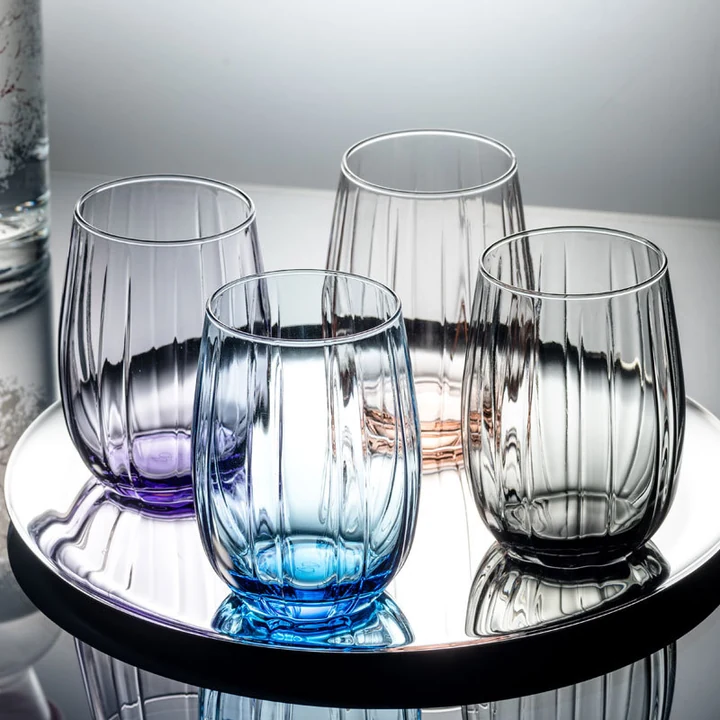
The Trade Expo highlights the growth of the glass manufacturing sector, especially with companies focusing on eco-friendly products and sustainable production methods. Attendees can explore a wide range of locally made products, from artisanal glassware to industrial packaging solutions. The Expo also features workshops on export strategies, sustainability, and innovation, helping local manufacturers expand their global reach.
Pacific Islands Trade Show
The Pacific Islands Trade Show, held in Suva, Fiji, is another important event for businesses in the glass industry from the Pacific region. The show is an excellent opportunity for manufacturers from the Solomon Islands to network with international suppliers, explore new market trends, and promote their products to potential buyers.
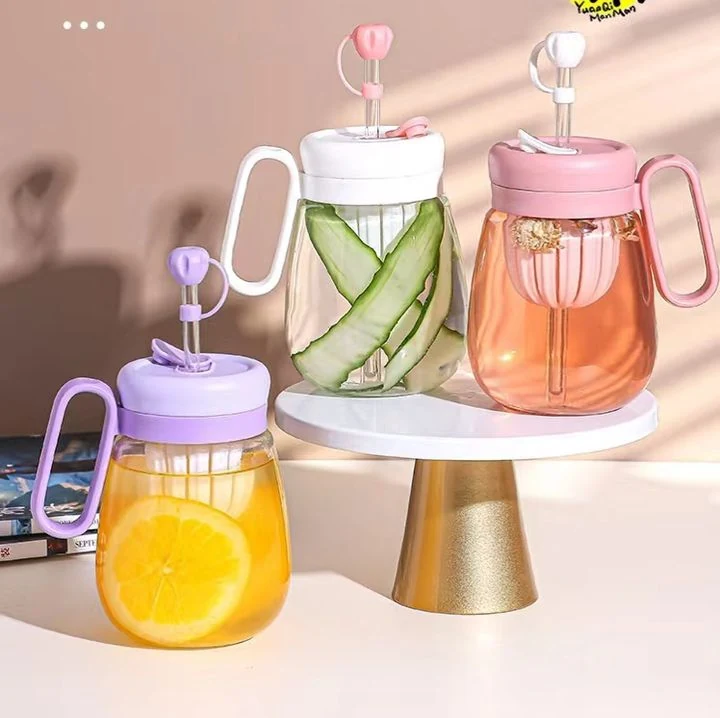
The Pacific Islands Trade Show focuses on sustainable manufacturing practices, making it an ideal venue for glass manufacturers in the region to showcase their eco-friendly initiatives. Companies like Tasi Glassworks have participated in this event to promote their handcrafted, sustainable glassware. The show serves as a stepping stone for local manufacturers to expand their influence beyond the Pacific Islands, especially with growing interest in green products.
| Event | Date | Location | Highlights |
|---|---|---|---|
| Solomon Islands Trade Expo | Annually | Honiara | Local manufacturers, eco-friendly products |
| Pacific Islands Trade Show | Biennial | Suva, Fiji | Sustainability focus, regional networking |
Part 4: Impact of Global Trade Policies
Global trade policies, sanctions, and trade agreements significantly affect the glass manufacturing industry in the Solomon Islands. As a small island nation, the Solomon Islands relies heavily on imports for raw materials, including glass. Changes in global trade agreements or the introduction of tariffs can impact the cost of these materials and the overall production cost for local manufacturers.

The recent global push toward sustainability and green manufacturing has created opportunities for local glass manufacturers in the Solomon Islands to adapt and innovate. Companies that incorporate sustainable practices are benefiting from demand in export markets where eco-friendly products are becoming increasingly popular. However, the country’s reliance on imported materials poses risks, especially when disruptions in global supply chains occur.
Moreover, local glass manufacturers must navigate the challenges of competing with low-cost imports from countries like China and Australia. To maintain a competitive edge, Solomon Islands-based manufacturers are focusing on unique, handcrafted, and eco-friendly glass products. These niche products offer differentiation in global markets, presenting opportunities for growth despite the challenges posed by international competition.
Part 5: Conclusion
The glassware manufacturing industry in the Solomon Islands is on the rise, driven by the growth of tourism and local demand for sustainable, high-quality products. With companies like Solomon Glass Ltd, Tasi Glassworks, and Makira Glass Factory leading the way, the sector is expanding steadily, offering both challenges and opportunities. The growing focus on sustainability and local production is positioning the Solomon Islands as a potential hub for eco-friendly glassware.
However, challenges such as the reliance on imported raw materials and competition from low-cost producers must be addressed. By focusing on sustainability, innovation, and local market needs, the glassware manufacturing industry in the Solomon Islands has the potential to grow and compete on the international stage. As the industry matures, more investments in technology and capacity will help to solidify its place in the global market.