Skip to content

Part 1: Market Size and Growth
Libya’s glassware manufacturing industry is an emerging sector with increasing potential. Despite the challenges of political instability, the demand for glass products in Libya is growing steadily. The hospitality industry, construction projects, and the rising demand for consumer goods are driving the local glassware market. As urbanization increases and the middle class grows, there is a significant opportunity for growth in various glassware categories, including household items, decorative products, and glass packaging.

The glassware market in Libya is not just local but also extends to regional exports. Glassware manufacturers in Libya are benefiting from the demand across North Africa and the Middle East. Libya’s geographic location makes it a strategic hub for exporting glass products. While the market has faced challenges, such as fluctuating production costs and limited local raw material access, there is still considerable potential for expansion.
The Libyan government has made efforts to foster industrial growth through investments and the encouragement of private-sector participation. These initiatives are gradually improving the infrastructure and supply chain, leading to better access to resources and markets. Recent efforts in infrastructure improvement are expected to boost the glass industry, paving the way for more competitive manufacturing operations.
Part 2: Leading Companies
Libyan Glass Industry
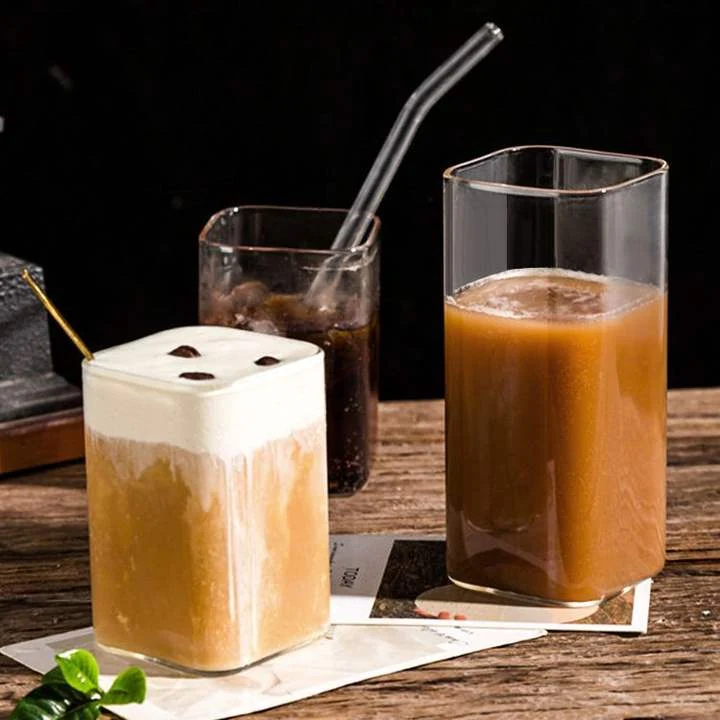
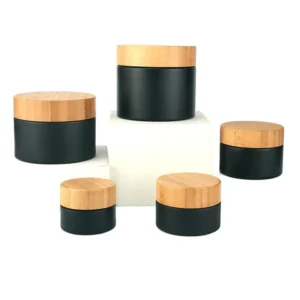
Founded in 1982, Libyan Glass Industry is one of the leading glassware manufacturers in Libya, specializing in the production of glass containers and bottles. The company is based in the city of Tripoli and is recognized for its high-quality glass products used across several industries. Libyan Glass Industry has built a solid reputation over the years, both locally and within the regional markets.
The company manufactures a wide range of glass products, including containers for food and beverages, pharmaceutical bottles, and cosmetic containers. Libyan Glass Industry’s products are known for their clarity, strength, and safety, making them highly sought after by local and international businesses. The company serves key industries such as food and beverage packaging, cosmetics, and pharmaceuticals.
Innovation in glass production is a focal point for the company. They use modern technologies to ensure their products meet international standards, particularly in terms of safety and quality. Additionally, Libyan Glass Industry has obtained several key certifications, including ISO 9001, ensuring that its products are of high quality and meet international manufacturing standards.
Al-Jawhara Glass Factory
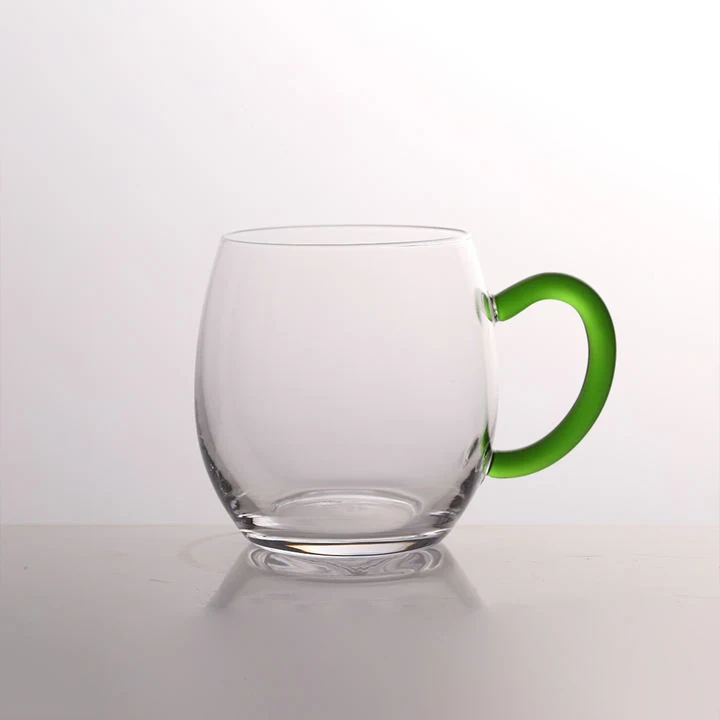
Established in 1990, Al-Jawhara Glass Factory is a major player in Libya’s glassware manufacturing sector. The factory is based in Benghazi and specializes in the production of decorative glassware, including vases, glass tables, and art pieces. Over the years, the factory has grown to become a leading name in the production of high-quality glass products that are both functional and artistic.
Al-Jawhara Glass Factory offers a variety of products ranging from everyday glassware to exquisite pieces designed for the luxury market. The company’s products are known for their intricate designs and high craftsmanship, which appeals to customers looking for unique and artistic glass items. Their glass products are in demand in both local and international markets, particularly in the Middle East.
Innovation at Al-Jawhara Glass Factory includes the use of advanced glass production techniques and the exploration of new glass designs. They emphasize aesthetic appeal and artistic expression while ensuring product durability and usability. Al-Jawhara is also focused on increasing its production capacity and expanding its product offerings to meet the growing demand for high-quality glassware.
Al-Bustan Glass Factory

Al-Bustan Glass Factory, established in 2000, is another significant player in the Libyan glass manufacturing industry. Located in the city of Misrata, Al-Bustan Glass specializes in manufacturing glass containers, bottles, and jars for food, beverages, and cosmetics. The factory has become an important supplier to local and regional markets, known for its reliable products and timely delivery.
The company produces a wide variety of glass products, including bottles for soft drinks, glass jars for food products, and cosmetic packaging. Al-Bustan Glass Factory’s products are renowned for their durability and precision in manufacturing, making them ideal for industries requiring high-quality glass packaging. The company focuses heavily on product consistency and quality control, ensuring that each product meets the highest standards.
In terms of innovation, Al-Bustan Glass Factory continuously seeks to upgrade its production capabilities to improve efficiency and reduce production costs. They have also invested in environmentally friendly production methods to reduce waste and energy consumption. Al-Bustan Glass has earned several certifications, such as ISO 9001, indicating their commitment to quality assurance.
| Company | Founded | Core Products | Industries | Certifications |
|---|---|---|---|---|
| Libyan Glass Industry | 1982 | Glass bottles, containers | Food, Beverage, Pharmaceuticals | ISO 9001 |
| Al-Jawhara Glass Factory | 1990 | Decorative glassware, art pieces | Art, Hospitality | ISO 9001 |
| Al-Bustan Glass Factory | 2000 | Glass bottles, jars | Food, Beverage, Cosmetics | ISO 9001 |
Part 3: Trade Shows and Industry Events
Libyan International Trade Fair
The Libyan International Trade Fair is an important event for manufacturers in Libya, offering an opportunity for businesses to showcase their products to a global audience. Held annually in Tripoli, the event attracts participants from various industries, including glassware manufacturing. It is a prime location for manufacturers to meet potential buyers, suppliers, and business partners from across the globe.
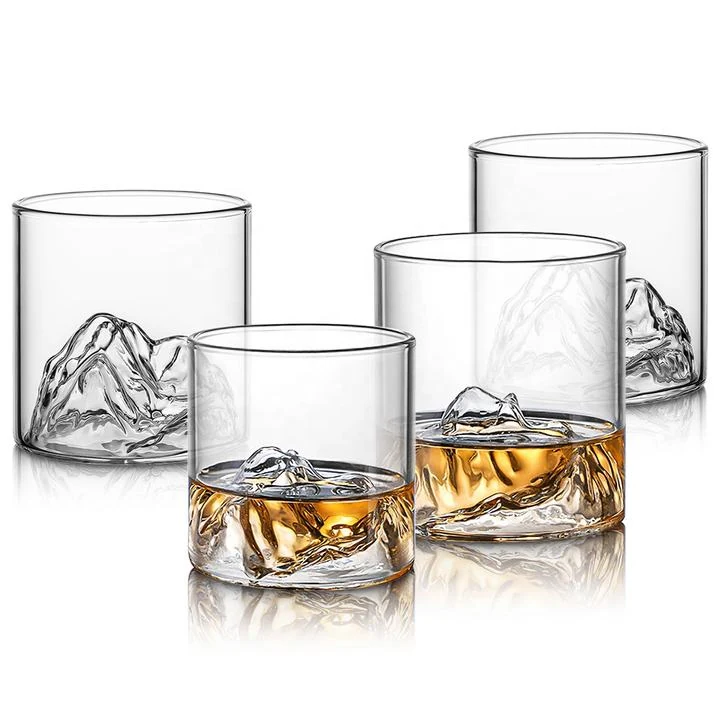
The fair is known for its wide-ranging product displays and exhibitions, including glassware manufacturers. It provides an excellent platform for networking, learning about new trends in the industry, and gaining insights into the regional market. Key highlights include product demonstrations, B2B networking sessions, and conferences on trade and investment in Libya. The fair is essential for anyone looking to tap into the North African market.
North Africa Glass Conference & Exhibition
The North Africa Glass Conference & Exhibition is one of the region’s largest gatherings of glass industry professionals. Held annually in Tunis, Tunisia, the event draws manufacturers, suppliers, and buyers from across North Africa, including Libya. The exhibition covers all aspects of the glass manufacturing process, from raw materials to finished products.
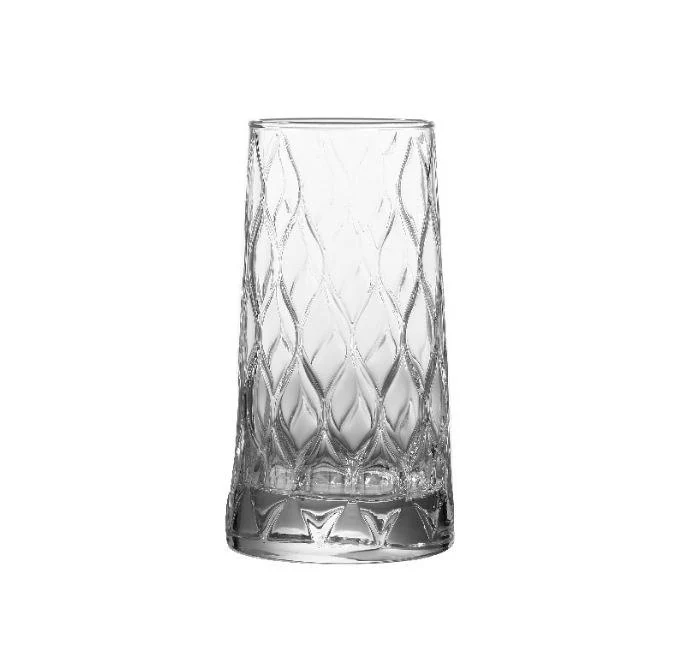
For Libyan glass manufacturers, this conference offers an opportunity to showcase products to an international audience and learn about the latest technological advancements in the glass industry. The exhibition includes networking opportunities, live demonstrations, and discussions on the future of the glass manufacturing sector in North Africa. It's an ideal event for manufacturers to build relationships and explore new business opportunities in the region.
| Event | Date | Location | Highlights |
|---|---|---|---|
| Libyan International Trade Fair | Annual | Tripoli, Libya | Product displays, B2B networking, trade discussions |
| North Africa Glass Conference & Exhibition | Annual | Tunis, Tunisia | Technological demos, networking, market insights |
Part 4: Impact of Global Trade Policies
Global trade policies and regulations play a significant role in shaping the glassware manufacturing industry in Libya. Trade agreements such as those under the Arab Maghreb Union and the wider African Continental Free Trade Area (AfCFTA) have helped Libyan manufacturers expand their market reach. These agreements facilitate the free movement of goods and services across borders, making it easier for Libyan manufacturers to export glass products to neighboring countries and regions.
However, challenges such as economic sanctions and fluctuating oil prices impact the overall economic stability of Libya. These factors can result in disruptions to the supply chain and increases in production costs, which could hinder the ability of Libyan glass manufacturers to remain competitive. The fluctuating political climate and conflict also have an impact on trade relations, making it essential for businesses to remain agile and adaptable in order to mitigate risks.
Additionally, global trends toward sustainability have increased the demand for eco-friendly products, presenting both challenges and opportunities for the Libyan glass industry. Manufacturers must adapt to these trends by innovating and introducing sustainable practices in their production processes. By doing so, they can improve their competitiveness and meet the demands of international markets for eco-friendly products.
Part 5: Conclusion
Libya’s glassware manufacturing industry has significant growth potential despite the challenges it faces. The increasing demand for glass products in both local and regional markets provides ample opportunities for businesses in the sector. Companies like Libyan Glass Industry, Al-Jawhara Glass Factory, and Al-Bustan Glass Factory are leading the way with innovative products and a commitment to quality, making them competitive players in the market.
However, the sector also faces challenges such as political instability, global competition, and changing trade policies. To remain competitive, Libyan manufacturers must focus on innovation, cost efficiency, and sustainability. By doing so, they can continue to grow and expand into new markets, ensuring a bright future for the glassware manufacturing industry in Libya.