Part 1: Market Size and Growth
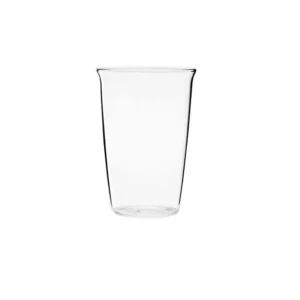
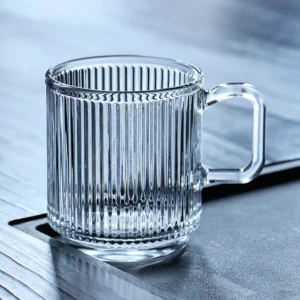
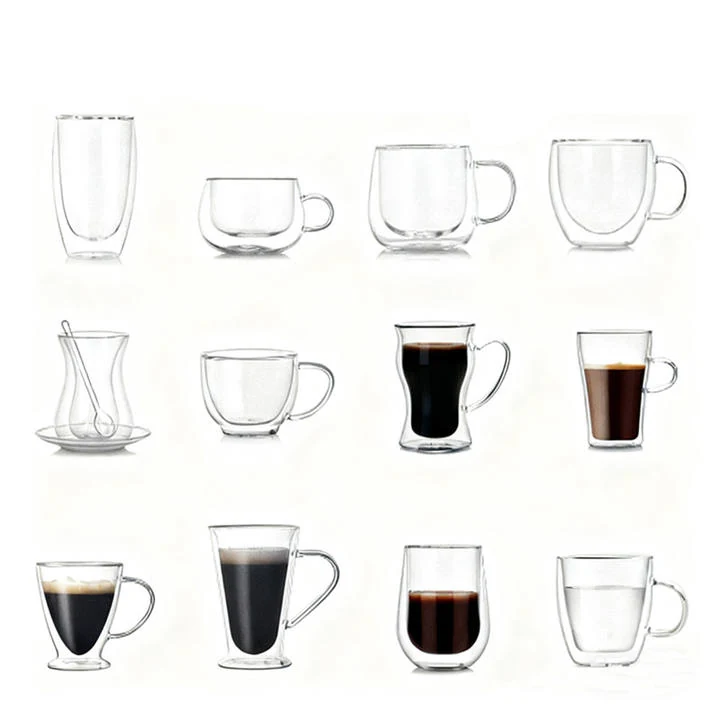
The glass manufacturing industry in Belgium has a rich history, deeply embedded in the country’s industrial backbone. Over the years, glass cup production has expanded due to a rising demand for premium, eco-friendly, and functional glassware. With advancements in technology and sustainability initiatives, Belgian manufacturers have kept pace with international demands, solidifying their place as key players in the European market. Belgium's strategic location in Europe further boosts its appeal, making it a critical hub for glass export to global markets.
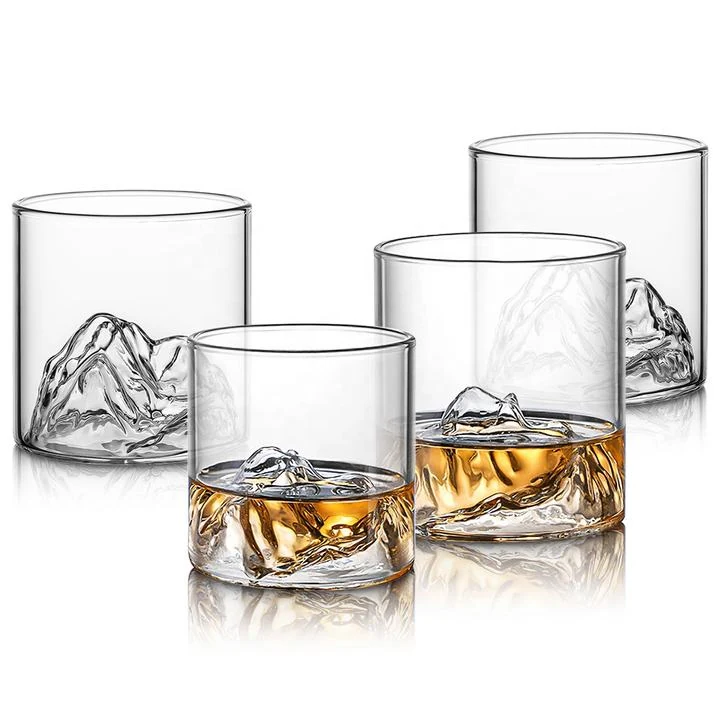
The market for glass cups has grown significantly in recent years, driven by both consumer demand and the increasing popularity of specialized glassware for beverages such as wine, whiskey, and craft beers. The demand for unique designs, higher-quality materials, and custom branding solutions has been pivotal in propelling this growth. Additionally, Belgium’s strong commitment to environmental sustainability has fostered innovation in eco-friendly glass products. As a result, manufacturers have adopted processes that reduce waste and energy consumption, making the industry both competitive and environmentally conscious.
The local market is also supported by a favorable regulatory environment and investment in research and development. Government incentives aimed at boosting innovation in manufacturing technologies, combined with increased investments in the glass production sector, have made Belgium a prominent leader in high-end glassware production. Furthermore, regional industrial clusters in cities like Antwerp and Ghent allow manufacturers to collaborate closely and expand their production capabilities.
Part 2: Leading Companies
Glasindustrie Belgium

Glasindustrie Belgium, founded in the early 20th century, is one of the leading glass cup manufacturers in the region. Located in the heart of Belgium, this company focuses on producing high-quality glassware for both the domestic and international markets. Over the years, they have built a reputation for crafting glass cups that blend traditional techniques with modern designs.
Glasindustrie Belgium offers a wide range of glass products, including drinkware, custom-made glass cups, and industrial glass solutions. Their emphasis on precision manufacturing and attention to design detail has made them a preferred choice for businesses looking for high-end glass cups. Their products are widely used in hospitality, retail, and custom gifting markets.
Their commitment to sustainability is evident in their eco-friendly manufacturing practices, including using recycled materials and reducing carbon emissions. With multiple certifications, including ISO 9001 for quality management, the company continues to innovate and stay ahead of market trends.
Verreries de Jodoigne
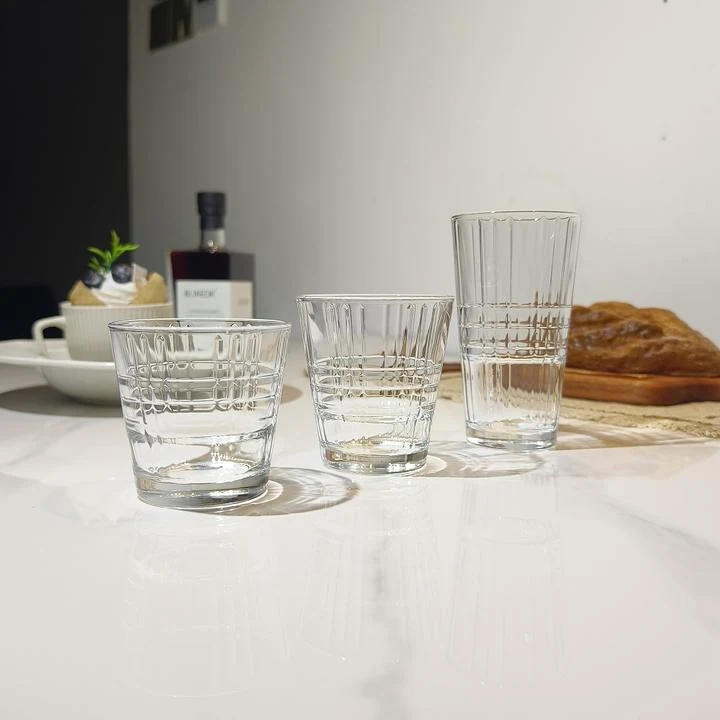
Verreries de Jodoigne, established in the late 1800s, is a well-respected glass manufacturer located in Belgium’s Walloon region. This family-owned business has grown into one of the most notable glass producers in Europe, specializing in fine glassware. Known for its elegant designs and superior craftsmanship, Verreries de Jodoigne has become synonymous with premium glass products, including high-quality glass cups.
The company produces a diverse array of glass items, ranging from luxury drinkware to functional glass cups for various industries. Their unique ability to combine traditional glassblowing techniques with cutting-edge technology enables them to create bespoke glass products that meet the highest standards. Verreries de Jodoigne’s primary clientele includes the hospitality industry, luxury retailers, and corporate gifting businesses.
Their innovation is evident in their research and development investments, particularly in sustainable glass production. The company is also known for receiving multiple industry awards for its craftsmanship and design. They are ISO 14001 certified, showcasing their commitment to environmental sustainability.
Royal Leerdam
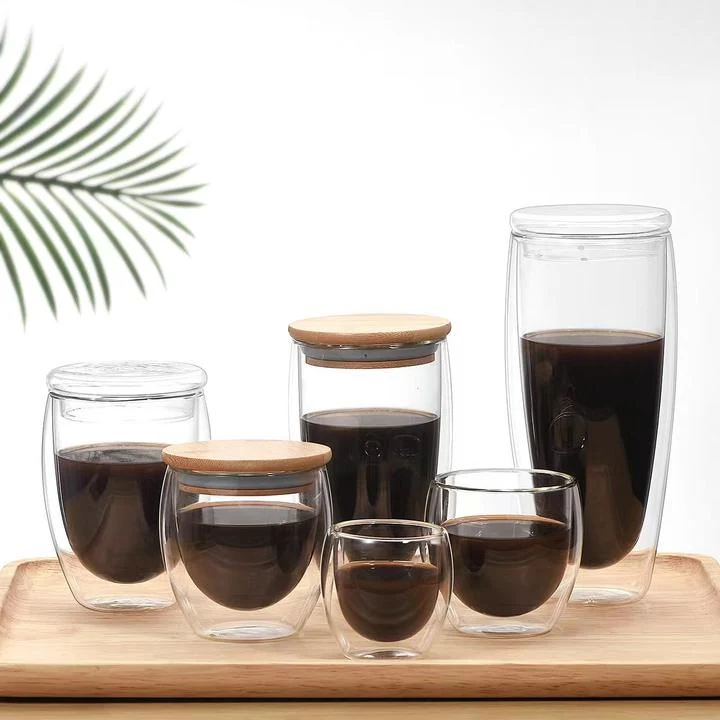
Although originally a Dutch company, Royal Leerdam has a strong presence in Belgium, especially in the production of glass cups and other premium glassware. Founded in 1878, Royal Leerdam is recognized globally for its commitment to luxury glassmaking and innovation. Their headquarters in Belgium serves as one of their key production hubs for European and international markets.
Royal Leerdam offers a wide range of glass cups, from elegant wine glasses to functional tea cups. Their craftsmanship and innovative designs have made them a top choice among luxury hotels, restaurants, and retail chains worldwide. The company is well known for creating glass products that blend beauty with durability, which is why their products are often found in upscale dining establishments and homes.
Sustainability is at the core of their mission, and they are leaders in using recycled glass in production. Royal Leerdam’s products are also crafted using cutting-edge techniques that improve the efficiency of the glass production process. The company holds multiple certifications, including ISO 9001, ensuring their commitment to quality and sustainability.
| Company | Founded | Core Products | Industries | Certifications |
|---|---|---|---|---|
| Glasindustrie Belgium | 1920s | Glass cups, drinkware | Hospitality, Retail | ISO 9001 |
| Verreries de Jodoigne | 1880s | Luxury glass cups | Luxury Retail, Hospitality | ISO 14001 |
| Royal Leerdam | 1878 | Glass cups, drinkware | Hospitality, Retail | ISO 9001, ISO 14001 |
Part 3: Trade Shows and Industry Events
Brussels Glass Show
The Brussels Glass Show is one of the premier events for glass manufacturers and enthusiasts. Held annually in Belgium, it showcases a broad range of glass products, including glass cups, decorative items, and industrial glassware. This exhibition serves as a meeting point for manufacturers, designers, and buyers from all over the world.

The event, typically held in May, attracts thousands of visitors and exhibitors. It features live demonstrations, workshops, and seminars on the latest trends in glass production and design. The Brussels Glass Show also emphasizes the growing demand for sustainable glass products, highlighting innovations in eco-friendly manufacturing techniques. Many companies use this platform to launch new products and forge international partnerships, making it a key event for industry stakeholders.
Belgian Glass Expo
The Belgian Glass Expo is another significant event that focuses on the glass industry in Belgium. It brings together manufacturers, suppliers, and distributors to showcase the latest products and innovations in glass technology. Held biennially in Antwerp, this event is a hub for business development, networking, and exploring the latest trends in glass production.
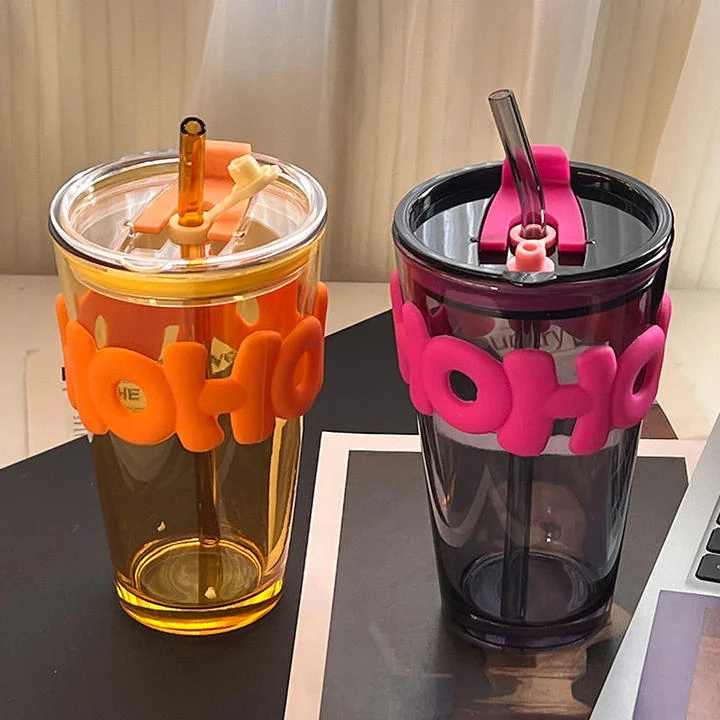
The expo features cutting-edge glass technologies, including advances in sustainability and automated production techniques. Exhibitors from around the world present their newest glass designs, which often include high-end glass cups and drinkware for both commercial and private sectors. The Belgian Glass Expo is an essential event for anyone looking to gain insights into the future of glass manufacturing.
| Event | Date | Location | Highlights |
|---|---|---|---|
| Brussels Glass Show | May | Brussels | Sustainable glass products, live demos |
| Belgian Glass Expo | Biennial | Antwerp | Glass technologies, industry networking |
Part 4: Impact of Global Trade Policies
Global trade policies have a significant impact on Belgium’s glass industry, particularly with respect to import/export regulations, tariffs, and trade agreements. The European Union’s free trade agreements with countries across the globe provide Belgian manufacturers with a competitive edge by reducing trade barriers and enabling smoother export processes. However, trade sanctions and tariffs, particularly with key markets, can pose challenges for Belgian glass companies.
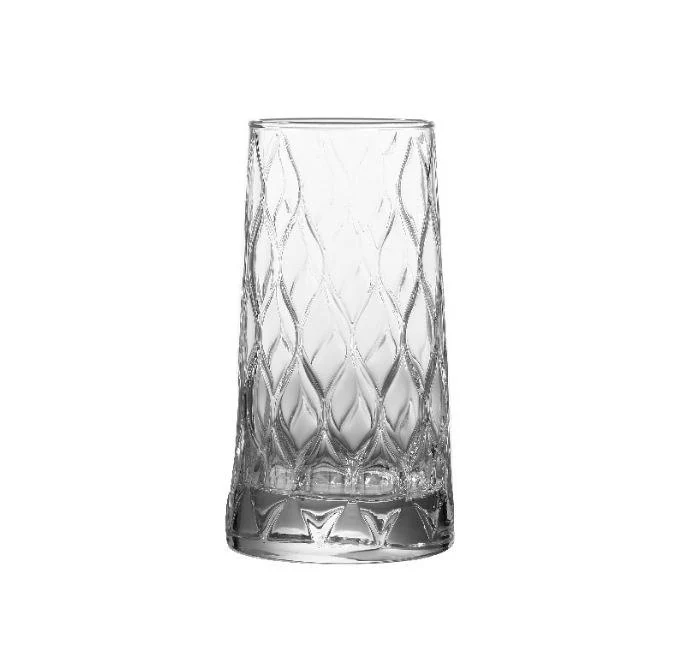
At the same time, Belgium’s position within the EU ensures that local manufacturers benefit from the EU’s internal market, which allows for easy access to over 27 countries. Local alternatives have emerged in response to global competition, as companies adopt advanced manufacturing technologies to stay competitive. This shift also minimizes the risks associated with potential supply chain disruptions.
Despite these challenges, Belgian glass manufacturers continue to innovate and capitalize on international market demand for high-quality and sustainable glass products. Supply chain risks and cost fluctuations due to global events, however, remain key concerns for the industry moving forward.
Part 5: Conclusion
The glass cup manufacturing industry in Belgium is poised for continued growth, driven by innovations in sustainability, technology, and design. The rising demand for premium glassware across both residential and commercial markets offers promising opportunities for companies in the sector. Belgium's established position in the European glass industry, along with its focus on eco-friendly practices, sets it apart from competitors.
However, challenges such as global trade uncertainties, shifting market demands, and competitive pressures must be navigated carefully. With the right balance of innovation, quality, and market adaptation, Belgium’s glass industry will continue to thrive, offering both manufacturers and clients alike new opportunities in the coming years.