Skip to content

Part 1: Market Size and Growth
The glass manufacturing industry in Austria has long been recognized for its craftsmanship and innovation. With a rich history of glassmaking, Austria continues to lead in producing high-quality glass products. The industry has evolved over the years, embracing both traditional methods and modern technologies. Today, glass production in Austria is highly regarded for its durability and design, making it an important sector in Europe.

The market for glass products, especially in the consumer goods sector, has seen steady growth. The increasing demand for eco-friendly and premium products has driven manufacturers to innovate. Glass cups, in particular, are seeing rising demand across various industries like hospitality, retail, and even in the giftware sector. Austria's glass manufacturers have catered to these markets with products that are both functional and aesthetically pleasing.
The influence of government policies, investment in green technologies, and the consolidation of local manufacturing clusters have all played a significant role in shaping Austria's glass industry. Increased focus on sustainability and the rise of e-commerce platforms have created new opportunities for glass producers to expand their reach globally.
Part 2: Leading Companies
Riedel Glass
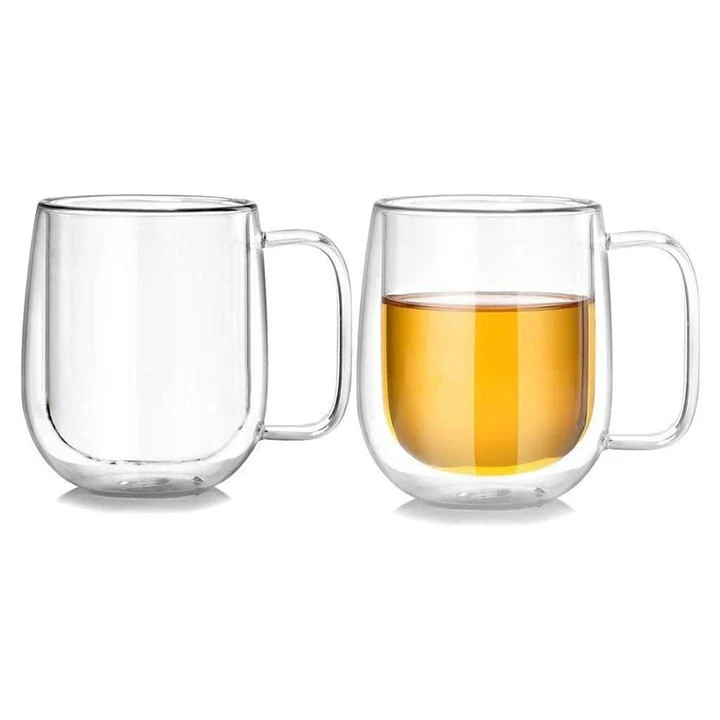
Founded in 1756 in Austria, Riedel Glass is a globally recognized leader in premium wine and glassware manufacturing. The company is known for its innovation in glass design, particularly for creating glasses tailored to enhance the flavor profiles of wines. Riedel's reputation for quality and craftsmanship has made it a household name in the glassware industry.
Riedel offers a range of glass products, from wine glasses to decanters and barware. Their unique designs are tailored for different types of wine, ensuring a perfect drinking experience. Beyond wine glasses, Riedel also produces a variety of barware, including cocktail glasses and tumblers. Their focus on design and function has made them a preferred choice for high-end restaurants and collectors worldwide.
The company primarily serves the hospitality industry, wineries, and consumers with a penchant for fine dining. Riedel is also famous for its pioneering work in custom glass designs for luxury hotels and restaurants. Technological innovations, such as machine-blown glass and precision molding, allow Riedel to achieve a level of refinement that is unmatched.
Riedel has received numerous accolades for its design and innovation, including prestigious awards such as the "Design Plus" award for product design excellence.
J. & L. Lobmeyr
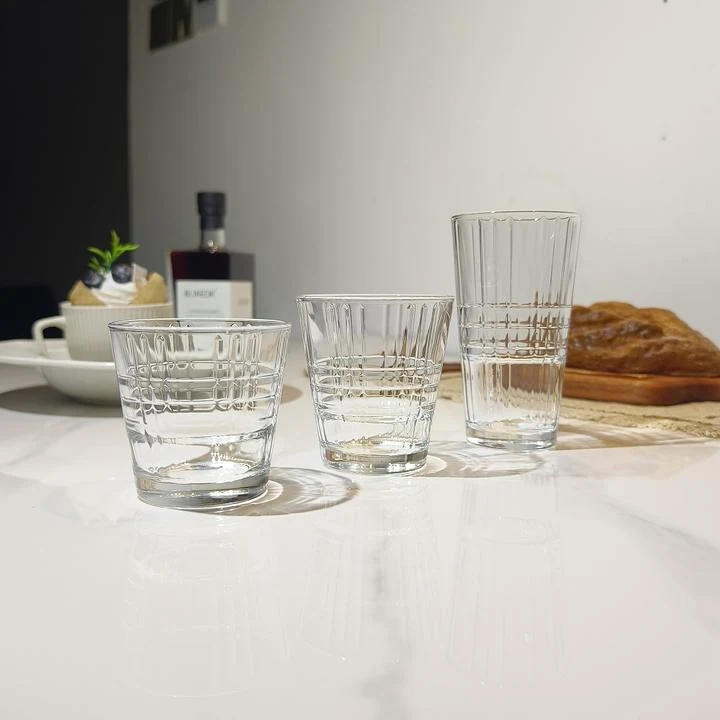
Founded in 1823, J. & L. Lobmeyr is another historic Austrian brand specializing in luxury glassware. The company, based in Vienna, is renowned for its exquisite craftsmanship and attention to detail. Lobmeyr’s glassware has graced royal tables and prestigious institutions, offering a blend of tradition and modern design.
Lobmeyr offers a wide range of products, including fine drinking glasses, chandeliers, and decorative glass items. Their glass cups and decanters are particularly sought after for their timeless designs and the quality of their materials. The company’s focus is on creating pieces that are not just functional but works of art in their own right.
Primarily serving luxury hotels, high-end restaurants, and collectors, Lobmeyr's target market is the top echelon of the hospitality industry. The brand’s attention to detail and its use of high-quality crystal make it a popular choice among discerning customers. Innovation within Lobmeyr focuses on combining old-world craftsmanship with new-age techniques, creating designs that are both intricate and functional.
Lobmeyr is known for its prestigious accolades, including awards from international design fairs and the recognition of their craftsmanship by the Austrian government.
Stölzle Lausitz

Stölzle Lausitz, founded in 1889, is a leading glass manufacturer based in Austria. With a rich history of producing high-quality glassware, the company has grown into a global player. Its reputation is built on delivering exceptional glassware for both the commercial and consumer markets.
Stölzle Lausitz offers an extensive range of glass products, from wine glasses to tumblers and decanters. Their focus is on creating products that deliver superior clarity and durability. Stölzle is especially known for producing glassware that can withstand heavy use in commercial settings, making it a preferred choice for bars, hotels, and restaurants.
The primary industries served by Stölzle Lausitz include hospitality, retail, and packaging. The company is known for its innovative production techniques, such as the use of machine-blown glass, which provides consistency and quality across large production runs. Stölzle’s technology-driven approach has made it a reliable supplier for large-scale establishments.
Stölzle has earned certifications for its environmentally friendly practices, including ISO certification for sustainable production and waste management.
| Company | Founded | Core Products | Industries | Certifications |
|---|---|---|---|---|
| Riedel Glass | 1756 | Wine glasses, Decanters | Hospitality, Retail | Design Plus Award |
| J. & L. Lobmeyr | 1823 | Glass cups, Chandeliers | Luxury, Hospitality | Multiple Design Awards |
| Stölzle Lausitz | 1889 | Tumblers, Decanters | Hospitality, Retail | ISO Certification |
Part 3: Trade Shows and Industry Events
Ambiente Frankfurt
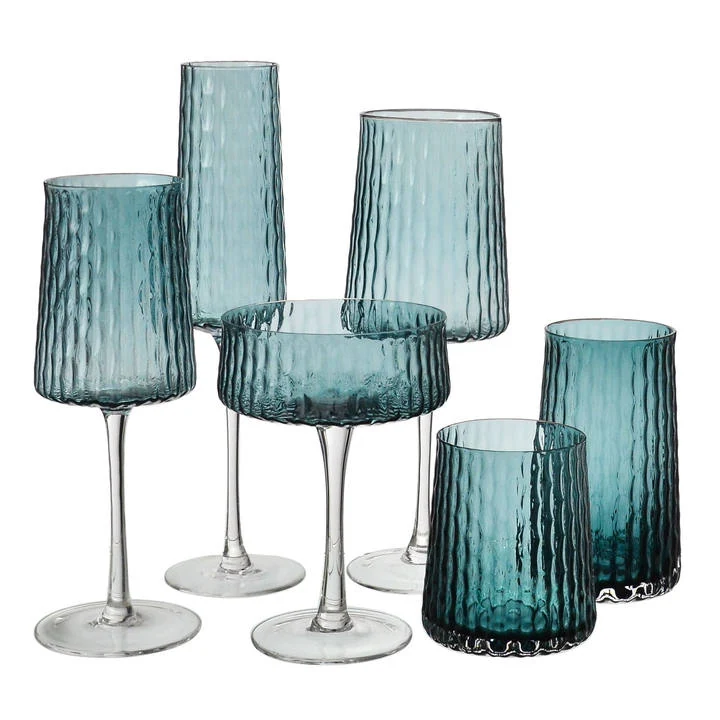
Ambiente Frankfurt is one of the leading trade fairs for consumer goods, including glassware. Held annually in Frankfurt, Germany, this event attracts glass manufacturers from around the world to showcase their latest innovations. The fair is known for its global reach, with thousands of exhibitors and attendees each year.
The fair takes place every February, with exhibitors presenting their latest designs and products. Ambiente is an excellent opportunity for manufacturers and suppliers to network with potential clients, including retailers and interior designers. The fair features a wide range of products, including home décor, glassware, kitchenware, and more.
The highlights of Ambiente include its international scope and the chance to discover cutting-edge trends in the glass industry. Many manufacturers use this event to launch new products, with live demonstrations of glassblowing and other production techniques.
Glasstec Düsseldorf
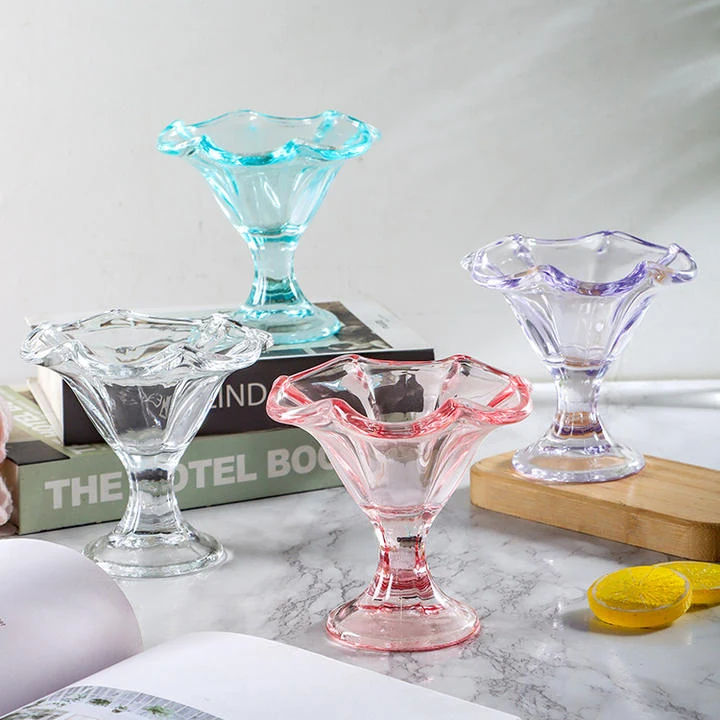
Glasstec Düsseldorf is a premier event for the global glass industry, covering everything from production technology to finished products. Held biennially in Düsseldorf, Germany, this exhibition focuses on innovations in glass manufacturing and its application in industries such as construction, automotive, and design.
The event typically takes place in October, with more than 1,000 exhibitors showcasing the latest in glass production technology, design, and applications. Exhibitors at Glasstec range from manufacturers of raw materials to producers of finished glass products. The fair also features forums and discussions on industry trends, making it a must-attend for those in the glass sector.
One of the key highlights of Glasstec is the opportunity to explore new technologies in glass production, such as advanced machinery and sustainable production methods. Many companies use the event to highlight their innovations in energy-efficient glass and smart glass technologies.
| Event | Date | Location | Highlights |
|---|---|---|---|
| Ambiente Frankfurt | February | Frankfurt, Germany | Consumer goods, global exhibitors |
| Glasstec Düsseldorf | October | Düsseldorf, Germany | Glass production technologies |
Part 4: Impact of Global Trade Policies
Global trade policies have had a significant impact on the glass manufacturing industry. Trade agreements, tariffs, and supply chain disruptions have all shaped the way glass manufacturers operate. With increasing globalization, companies must adapt to the complexities of international trade regulations, which can affect production costs and export opportunities.
Local alternatives and supply chain risks have also become a pressing issue. Manufacturers are increasingly looking for ways to source materials closer to home or diversify their suppliers to minimize risks associated with global supply chains. The recent shift towards sustainability has also influenced trade policies, with many countries introducing stricter environmental standards for imports.
International competition has been rising, especially from countries with lower production costs. This creates both challenges and opportunities for Austrian manufacturers. While they may face pressure to lower prices, there are also opportunities to innovate and differentiate through superior craftsmanship and high-quality products.
Part 5: Conclusion
The glass industry in Austria presents significant opportunities for growth, driven by increasing demand for high-quality and sustainable products. With leading manufacturers like Riedel, Lobmeyr, and Stölzle Lausitz, Austria continues to set the standard for premium glassware. The industry is well-positioned to expand its global footprint, especially with advancements in technology and a focus on sustainability.
However, challenges such as global competition, supply chain risks, and evolving trade policies remain. Manufacturers must continue to innovate while navigating these complexities to maintain their competitive edge. The future of the glass industry in Austria looks promising, with ample opportunities for those willing to adapt to the changing market dynamics.