Skip to content

Part 1: Market Size and Growth
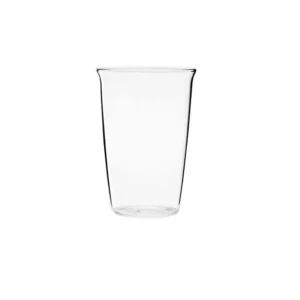
The glass manufacturing industry in Nigeria has been on a steady rise, reflecting the overall growth of the manufacturing sector in the country. With an increasing demand for both domestic and industrial glass products, Nigeria is poised to become one of the key players in the global glass market. The demand for glassware, especially cups, has seen a notable surge, driven by sectors like hospitality, e-commerce, and retail.

The market for glass products in Nigeria spans various applications, including household items, commercial tableware, and even industrial uses. Glass cups are particularly in demand in both the domestic market and international export channels. The Nigerian market has embraced more modern glassware designs, with growing interest in sustainability and eco-friendly production.
The government’s policies around industrialization and manufacturing have also encouraged investments in the glass manufacturing sector, with a focus on creating a more robust local production ecosystem. This move is not only helping to reduce reliance on imports but also positioning Nigerian manufacturers to cater to a larger regional market.
Part 2: Leading Companies
Nigerian Glass Industries Limited (NGIL)

Nigerian Glass Industries Limited (NGIL) is one of the leading glass manufacturers in Nigeria. Founded in 1979 and based in Agbara, Ogun State, NGIL has been at the forefront of the Nigerian glass industry. The company produces a wide range of glass products, including cups, bottles, and jars, serving both domestic and international markets.
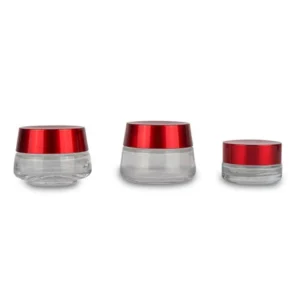
NGIL specializes in the production of high-quality glass containers, and its products are used in various industries, including food and beverage, cosmetics, and pharmaceuticals. They are renowned for their ability to provide both standard and customized glass products.
The company also invests heavily in innovative technologies to improve production efficiency. They focus on sustainability and energy-efficient manufacturing processes, ensuring that their products meet international quality standards. NGIL is certified by the Standards Organization of Nigeria (SON), ensuring that its products meet the highest quality criteria.
Benue Glass Industries

Benue Glass Industries is another significant player in Nigeria’s glass manufacturing sector. Located in Gboko, Benue State, it was founded in the early 1980s. The company has specialized in producing glass containers and is known for its commitment to producing high-quality glassware for local and international markets.
Their product line includes glass bottles, jars, and cups, catering mainly to the beverage, cosmetics, and pharmaceutical industries. The company offers customization options and prides itself on its large-scale production capacity, which allows it to meet the demands of both small and large-scale clients.
Benue Glass Industries employs modern techniques in glass production and focuses on expanding its product offerings by incorporating advanced technologies. Their commitment to quality and innovation has earned them various industry certifications, such as ISO certification, which guarantees adherence to global manufacturing standards.
St. Racheal Glassworks

St. Racheal Glassworks is a fast-growing glass manufacturing company based in Lagos, Nigeria. Established in 2001, the company has carved out a niche for itself by producing custom glassware, including cups, wine glasses, and other tableware. The company serves both the domestic and export markets.
The company offers a wide array of glass products with a focus on unique designs and personalization. St. Racheal specializes in both mass-produced and custom-made glass items, which are used in hospitality, retail, and e-commerce sectors. They also provide specialized glassware for events and gift sets.
Innovation and design are at the heart of St. Racheal Glassworks' business. The company uses advanced glass-blowing technology and ensures that its products maintain a high level of craftsmanship. Their commitment to offering products with superior design and quality has earned them a loyal client base in Nigeria and abroad.
| Company | Founded | Core Products | Industries | Certifications |
|---|---|---|---|---|
| Nigerian Glass Industries Limited | 1979 | Glass bottles, jars, cups | Food & beverage, Cosmetics, Pharmaceuticals | SON, ISO |
| Benue Glass Industries | 1980s | Glass containers, cups, jars | Beverage, Cosmetics, Pharmaceuticals | ISO, SON |
| St. Racheal Glassworks | 2001 | Custom glassware, cups, wine glasses | Hospitality, Retail, E-commerce | ISO, SON |
Part 3: Trade Shows and Industry Events
Nigeria Glass Expo
The Nigeria Glass Expo is a premier trade show in the glass manufacturing industry, showcasing innovations in glass production and processing. This event brings together key players from the local and international glass industry to discuss trends, technology, and opportunities in the glass sector.
The event is typically held annually in Lagos, attracting a wide range of exhibitors and attendees from various industries such as construction, interior design, and packaging. Nigeria Glass Expo is an excellent platform for networking and discovering the latest technological advancements in glass manufacturing.

The Nigeria Glass Expo highlights innovations such as energy-efficient glass production methods, automated production lines, and sustainable glass solutions. Participants can also attend seminars and workshops on glass technologies, providing invaluable insights into the future of the industry.
International Glass Association Conference (IGA)
The International Glass Association (IGA) Conference is another significant event in the global glass industry. Held annually in different parts of the world, the conference gathers industry leaders, manufacturers, and researchers to discuss the latest trends and technologies in the glass industry.
The event typically features technical sessions, panel discussions, and exhibitions, where manufacturers can showcase their products and innovations. This conference is known for its high-quality content and diverse participant base, making it an essential event for networking and business development in the glass sector.

The IGA conference highlights trends such as the growing demand for sustainable glass products and the integration of digital technologies in glass production. It also provides insights into global trade policies affecting the glass industry and opportunities for international collaboration.
| Event | Date | Location | Highlights |
|---|---|---|---|
| Nigeria Glass Expo | March (Annual) | Lagos, Nigeria | Networking, Technological Advances |
| IGA Conference | July (Annual) | Varies (Global) | Sustainability, Digital Integration |
Part 4: Impact of Global Trade Policies
Global trade policies significantly influence the glass manufacturing industry, including changes in tariffs, international trade agreements, and environmental regulations. In particular, trade agreements between African countries and international partners have opened new opportunities for Nigerian glass manufacturers to expand their export markets. However, increasing tariffs and trade restrictions in some regions also present challenges for local producers.
Local manufacturers must navigate the complexities of international trade while addressing supply chain disruptions and increasing competition from overseas manufacturers. The impact of global trade policies on Nigeria's glass industry is mixed, as the country must find ways to capitalize on open markets while protecting its local industries from unfair competition.

At the same time, there is a growing emphasis on sustainable production practices, with countries implementing stricter environmental standards that glass manufacturers must comply with. This has created both challenges and opportunities for Nigerian companies to innovate and meet these demands while ensuring that their products remain competitive in the global marketplace.
Part 5: Conclusion
The glass manufacturing industry in Nigeria is on a positive trajectory, fueled by demand in both domestic and international markets. With companies like Nigerian Glass Industries, Benue Glass, and St. Racheal Glassworks at the forefront, the future looks bright for Nigeria’s glassware production. The sector is poised to grow, driven by innovation, export opportunities, and government policies encouraging local production.
However, challenges such as global trade restrictions, competition from international manufacturers, and supply chain issues remain significant. Despite these risks, Nigerian manufacturers have the potential to continue innovating and positioning themselves as key players in the global glass industry.
Word Count: 1,628