Skip to content
Part 1: Market Size and Growth
The glass manufacturing industry in Lithuania has shown steady growth, supported by both domestic demand and increasing export activities. Over the years, Lithuania has become an important player in Europe, especially in the production of glass containers and consumer goods. The market's steady growth can be attributed to the increased demand for glass packaging in the food, beverage, and pharmaceutical industries.

Lithuania's glass industry is driven by several factors, including technological advancements in glass production, rising environmental awareness regarding sustainable packaging, and the continuous expansion of industries such as food and beverage. The trend toward eco-friendly packaging has notably increased the demand for glass bottles, jars, and cups, which are recyclable and provide a high-quality aesthetic appeal.
The government's support through favorable policies and investments in infrastructure has boosted the sector’s potential. Moreover, Lithuania's strategic location in the European Union has made it a hub for both the production and distribution of glass products. The ease of logistics and trade agreements within the EU further enhance the market's growth prospects.
Part 2: Leading Companies
Glassbel Baltic
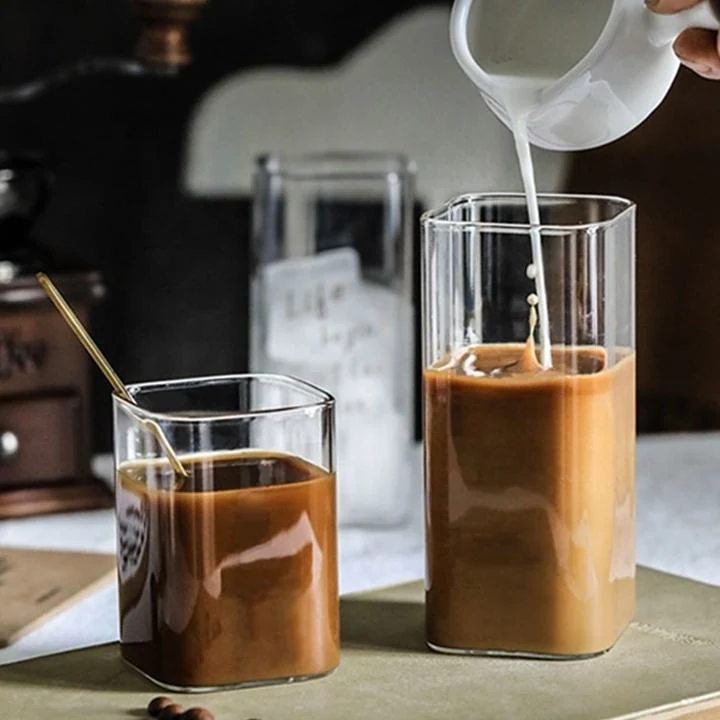
Glassbel Baltic is a major glass manufacturer located in the port city of Klaipėda, Lithuania. Founded in 2003, it has rapidly expanded its operations, becoming one of the region’s leading producers of glass products. Specializing in glass containers for the food and beverage industry, the company serves international clients with a wide range of high-quality products.
Glassbel Baltic’s product lineup includes glass bottles, jars, and consumer packaging solutions. The company also offers tailored solutions to meet the unique needs of its clients. Its focus on high-quality production, sustainable practices, and customer satisfaction has earned Glassbel Baltic a strong reputation in both the local and international markets.
The company’s environmental responsibility is one of its key strengths. With ISO 9001 and ISO 14001 certifications, Glassbel Baltic ensures that its production processes meet international standards for quality and environmental management. The company is constantly innovating to improve its energy efficiency and reduce its carbon footprint.
GLASS LT
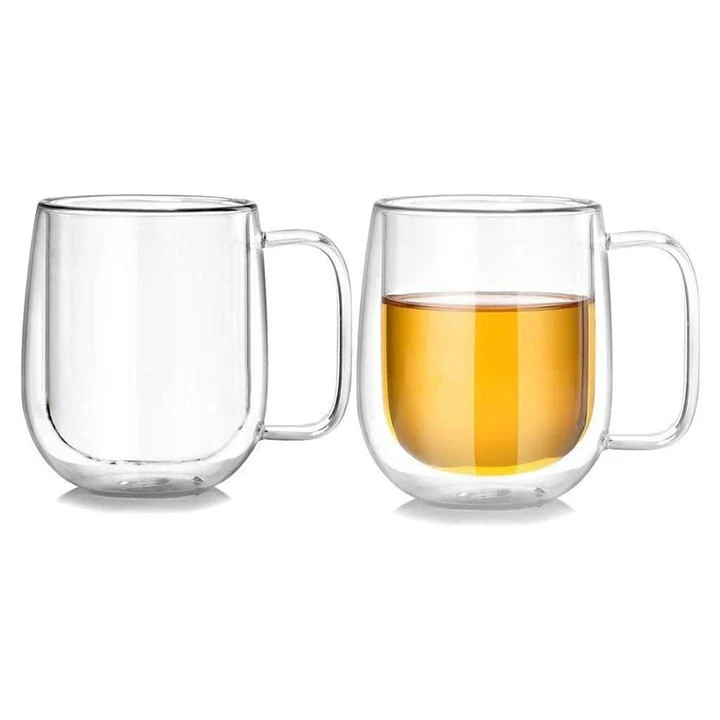
Founded in 2005, GLASS LT is a leading glass processing and manufacturing company based in Alytus, Lithuania. The company produces glass products for a wide range of industries, from architecture and construction to consumer goods. With a focus on high-quality glass, GLASS LT is known for its expertise in creating durable and aesthetically appealing glass products.
The company’s products include architectural glass, decorative glass, and glass furniture. GLASS LT is particularly recognized for its ability to create custom glass solutions for both residential and commercial properties. Their team of skilled professionals works closely with architects and designers to deliver unique products tailored to specific project requirements.
Innovating in energy-efficient glass technologies, GLASS LT integrates modern production techniques with sustainable practices. It is a prominent player in the sustainable glass market, with a focus on producing products that meet the stringent environmental standards required by both local and international markets. GLASS LT holds ISO 9001 and CE Mark certifications.
Press Glass Kaunas
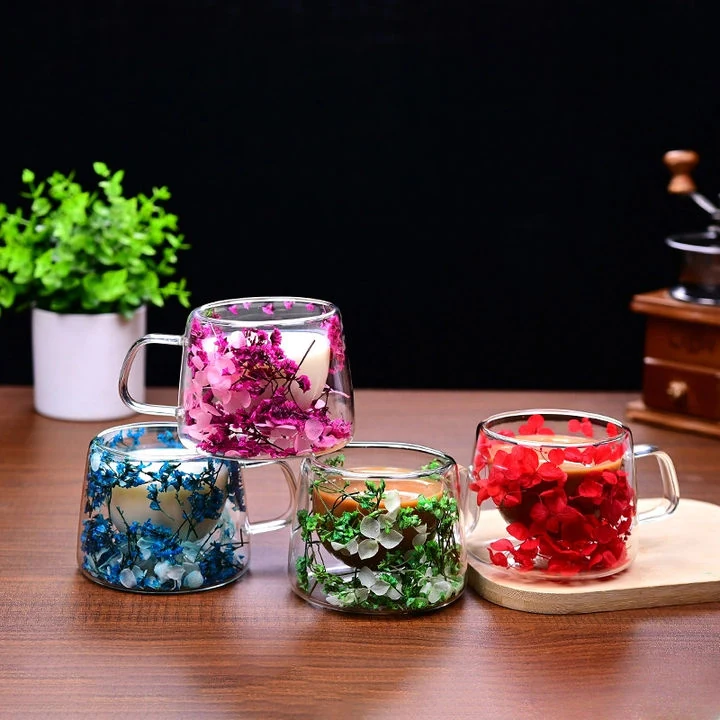
Press Glass Kaunas, a subsidiary of Press Glass Group, has established itself as a leading manufacturer of flat glass products in Lithuania. Established in 2007, the company has become a key player in the market by providing high-quality glass products for the construction and automotive industries. The company’s main production facility is based in Kaunas, Lithuania.
Press Glass Kaunas specializes in architectural glass and energy-efficient glass solutions. They provide a range of products, including insulated glass units, laminated glass, and tempered glass for commercial buildings, windows, and facades. Press Glass Kaunas is also renowned for its ability to offer customized glass solutions for large-scale projects.
With a focus on innovation, the company integrates cutting-edge technology into its production processes to ensure consistent quality and sustainability. Press Glass Kaunas is committed to meeting the growing demand for energy-efficient glass solutions, contributing to the development of greener buildings. It holds numerous quality certifications, including ISO 14001 and ISO 9001.
| Company | Founded | Core Products | Industries | Certifications |
|---|---|---|---|---|
| Glassbel Baltic | 2003 | Glass containers, bottles | Food & Beverage, Packaging | ISO 9001, ISO 14001 |
| GLASS LT | 2005 | Architectural glass, furniture | Architecture, Interior Design | ISO 9001, CE Mark |
| Press Glass Kaunas | 2007 | Insulated glass, laminated glass | Construction, Automotive | ISO 9001, ISO 14001 |
Part 3: Trade Shows and Industry Events
Glass Performance Days (GPD)
The Glass Performance Days (GPD) is one of the most influential events for the glass industry worldwide. It is held every two years in Finland but attracts attendees from across the globe, including many from Lithuania. This event serves as a platform for professionals to discuss the latest trends, technologies, and innovations in the glass industry.
Held in June, GPD covers various aspects of glass technology, including energy-efficient glass, sustainable glass production, and innovative design techniques. The event features keynote speakers, technical sessions, and an extensive exhibition where companies can showcase their latest products and services. The conference offers a unique opportunity for networking and learning about industry advancements.
The Glass Expo
The Glass Expo, held annually in Berlin, is one of the major trade shows for glass professionals in Europe. The expo features exhibitors from across the continent, with a significant presence from Lithuania's leading glass manufacturers. This event serves as an excellent opportunity for companies to promote their products, especially in the construction and automotive sectors.
The Glass Expo attracts a diverse group of participants, including manufacturers, suppliers, architects, and designers. It showcases the latest in glass processing technologies and architectural glass solutions, offering a platform for product demonstrations, workshops, and networking events. The exhibition is vital for those seeking to expand their reach in the European market.
| Event | Date | Location | Highlights |
|---|---|---|---|
| Glass Performance Days | June (biennial) | Finland | Keynote speakers, workshops, exhibition |
| The Glass Expo | March | Berlin, Germany | Product demos, networking, glass technology |
Part 4: Impact of Global Trade Policies
Global trade policies play a significant role in shaping the future of Lithuania's glass industry. EU trade agreements and international sanctions directly influence the flow of materials and finished goods, as well as the pricing strategies of manufacturers. Lithuania's access to European markets and its location within the EU enable it to export glass products easily, benefiting from reduced tariffs and trade barriers.
The shift toward sustainable manufacturing practices has also been driven by global trade policies, which increasingly demand eco-friendly products. Glass, with its recyclable properties, is well-positioned to benefit from this shift. However, challenges such as supply chain disruptions due to global political tensions and raw material shortages can create volatility in production costs.
Despite these challenges, the growing trend of local production and alternatives has led to more innovative approaches in the glass industry. Lithuanian manufacturers are adapting by focusing on local sourcing and developing more cost-effective solutions to mitigate these risks. At the same time, the global glass market is highly competitive, and Lithuanian companies have opportunities to tap into emerging markets, especially in Asia and the Middle East.
Part 5: Conclusion
The glass industry in Lithuania presents exciting opportunities for growth, driven by its robust manufacturing base and expanding global market. With increasing demand for sustainable packaging and innovative glass products, companies have the potential to thrive by focusing on high-quality, eco-friendly solutions. The country's strategic location and favorable trade policies position it as a key player in Europe.
However, the industry must address several challenges, such as the impact of global trade fluctuations, the need for consistent innovation, and the volatile cost of raw materials. As the market becomes more competitive, companies must remain agile and adapt to new consumer preferences while ensuring their sustainability practices are in line with global standards.