Skip to content
Part 1: Market Size and Growth
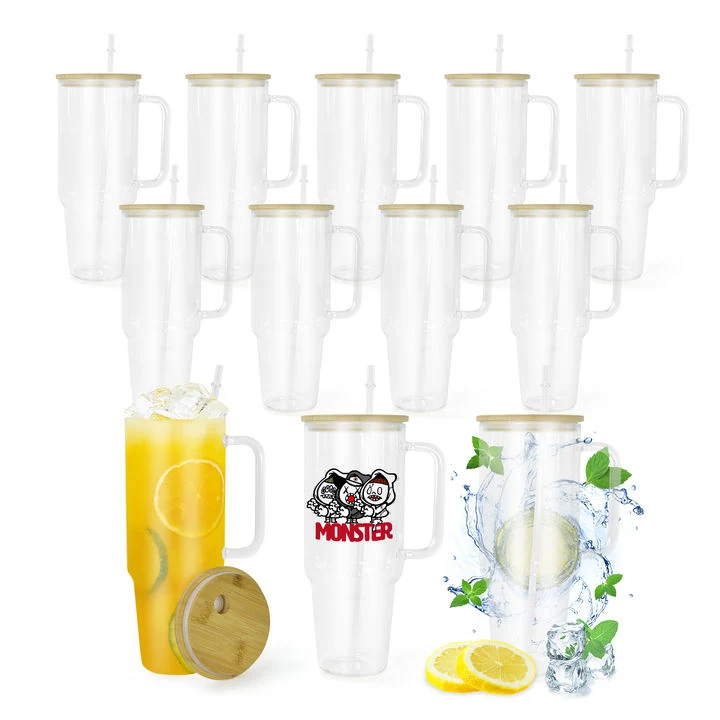
The glassware industry in Sri Lanka has been growing steadily over the past few years, driven by increasing demand in both local and international markets. With Sri Lanka’s strategic location and access to various raw materials, local manufacturers have capitalized on cost-effective production and high-quality standards. This market is expected to expand further as global demand for glass products, especially in hospitality and homeware sectors, continues to rise.
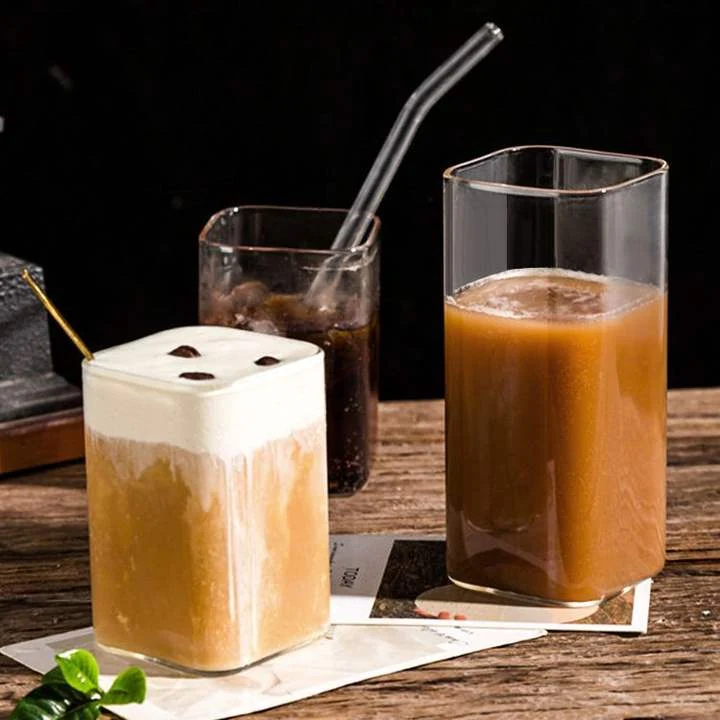
The market size for glassware, including cups, in Sri Lanka is largely influenced by the growing trends in hospitality, home decor, and e-commerce. The demand is not just limited to local consumption but extends to exports, with several companies targeting international markets such as the Middle East, Europe, and Asia. Manufacturers in Sri Lanka have established a strong foothold in these regions, offering a wide range of glass products that cater to diverse customer needs.
As the global economy strengthens, investments in the glass industry are also on the rise, encouraged by favorable trade policies and local industrial clusters. Local manufacturers are benefiting from technology adoption and supply chain efficiencies, making them competitive on the international stage.
Part 2: Leading Companies
-
S-lon Lanka Pvt Ltd
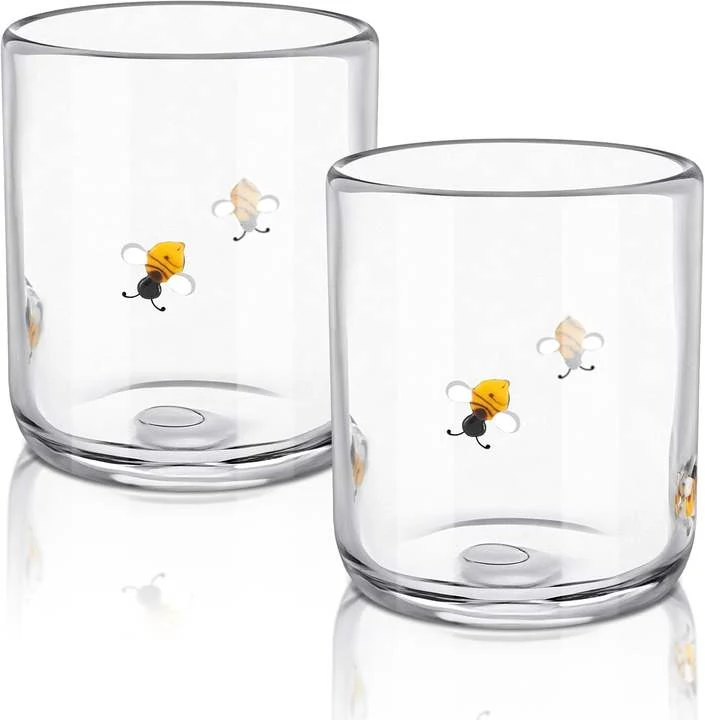
S-lon Lanka Pvt Ltd is a significant player in Sri Lanka's glass manufacturing sector, established in 1985. The company operates from its state-of-the-art facility in Colombo and has built a reputation for producing high-quality glass products. They offer a variety of glassware including cups, mugs, and decorative glass items.
Their product range includes both functional and decorative glassware, which are designed for both domestic and commercial use. The company is particularly known for innovation in design and offering unique customized glassware solutions.
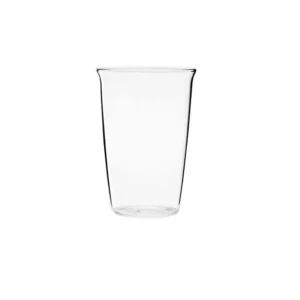
The key industries they serve include hospitality, retail, and home decor. Their glass cup collection is highly popular among cafes and restaurants. The company also invests heavily in sustainability and green manufacturing practices.
S-lon Lanka holds multiple certifications, including ISO 9001 for quality management systems, and they continue to innovate in both manufacturing and product design.
-
Ceylon Glass Company Limited
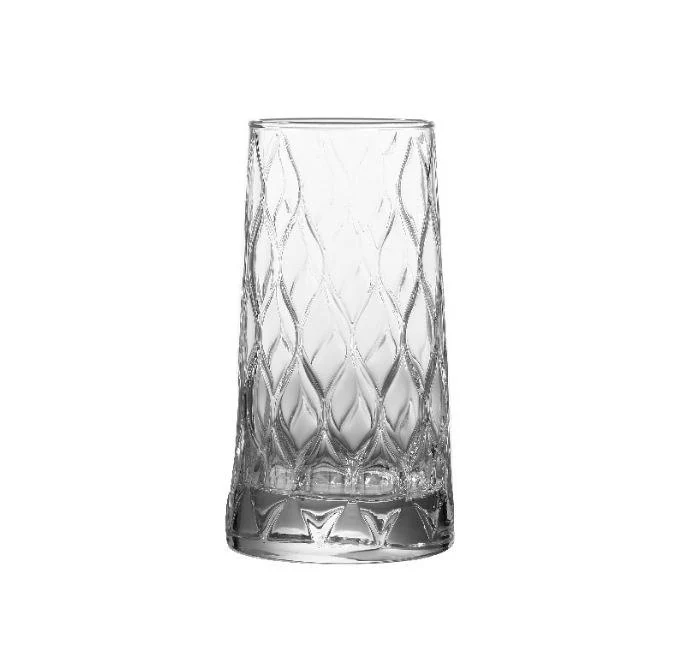
Established in 1975, Ceylon Glass Company Limited is one of the oldest glass manufacturers in Sri Lanka. With a rich history and a commitment to craftsmanship, the company has positioned itself as a leader in glass production. Their facility, located in the heart of Colombo, houses cutting-edge technology.
The company's core products include a wide array of glassware such as cups, bowls, and vases, primarily aimed at both retail and export markets. They are known for producing handcrafted glass items with meticulous attention to detail, especially their popular glass cups and decorative pieces.
Hospitality, retail, and home goods are the main sectors served by Ceylon Glass Company. Their products are highly sought after for their elegant and durable design. Ceylon Glass is also known for its strong emphasis on sustainability.
The company holds various international certifications, including ISO 14001 for environmental management, ensuring they remain at the forefront of responsible manufacturing.
-
Kahawatte Glass
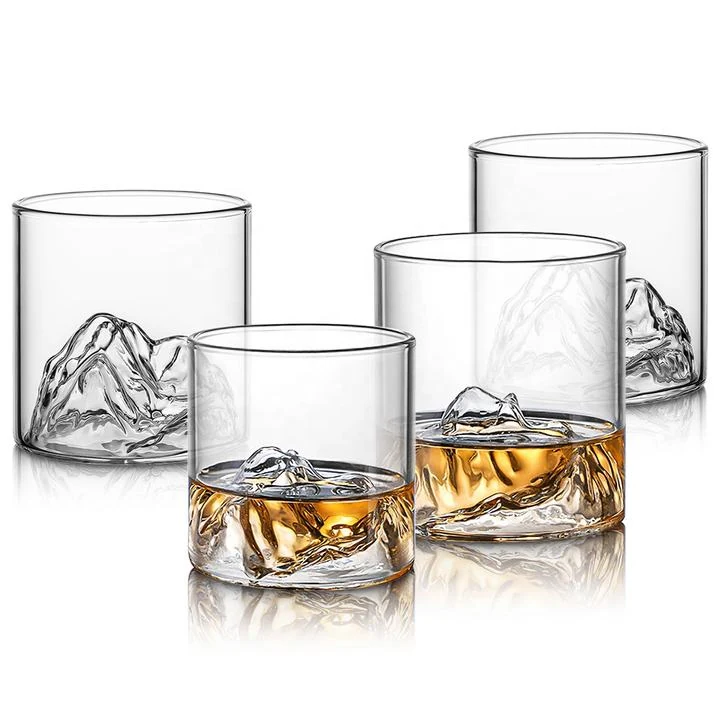
Kahawatte Glass, founded in 1990, is a well-established glassware manufacturer in Sri Lanka. Based in the town of Kahawatte, the company specializes in creating a diverse range of glass products, including high-quality cups and mugs, catering primarily to the domestic market.
Known for its wide product range, Kahawatte Glass produces glassware that is both functional and stylish. From basic drinking glasses to premium, hand-blown glass cups, their products are designed for everyday use as well as for upscale settings like hotels and fine dining restaurants.
Their target industries include homeware, hospitality, and foodservice. Kahawatte Glass is highly regarded for its craftsmanship and quality assurance throughout the production process.
The company’s commitment to sustainable production has earned it recognition in the market, with several environmental management certifications that help to maintain the brand's excellent reputation.
| Company | Founded | Core Products | Industries | Certifications |
|---|---|---|---|---|
| S-lon Lanka Pvt Ltd | 1985 | Glass cups, mugs, decor items | Hospitality, Retail | ISO 9001, ISO 14001 |
| Ceylon Glass Company | 1975 | Glass cups, bowls, vases | Retail, Home Decor | ISO 14001 |
| Kahawatte Glass | 1990 | Glass cups, mugs, decorative | Homeware, Hospitality | ISO 14001, Environmental |
Part 3: Trade Shows and Industry Events
One of the key platforms for Sri Lankan glass manufacturers to showcase their products is the Sri Lanka International Trade Exhibition. This event, held annually in Colombo, attracts global buyers from the hospitality and homeware industries. It provides a great opportunity for manufacturers to network with potential clients and suppliers from different countries.

The event is typically scheduled for September, with exhibitors from across South Asia and beyond. The exhibition's highlight is its focus on sustainable products, where many companies, including glass manufacturers, showcase eco-friendly glassware and manufacturing processes.
Another important event is the South Asia Glass Expo, which takes place in March every year in Colombo. This expo brings together industry leaders and innovators from the global glass industry. For Sri Lankan manufacturers, it is an excellent opportunity to share technological advancements and expand their export markets.
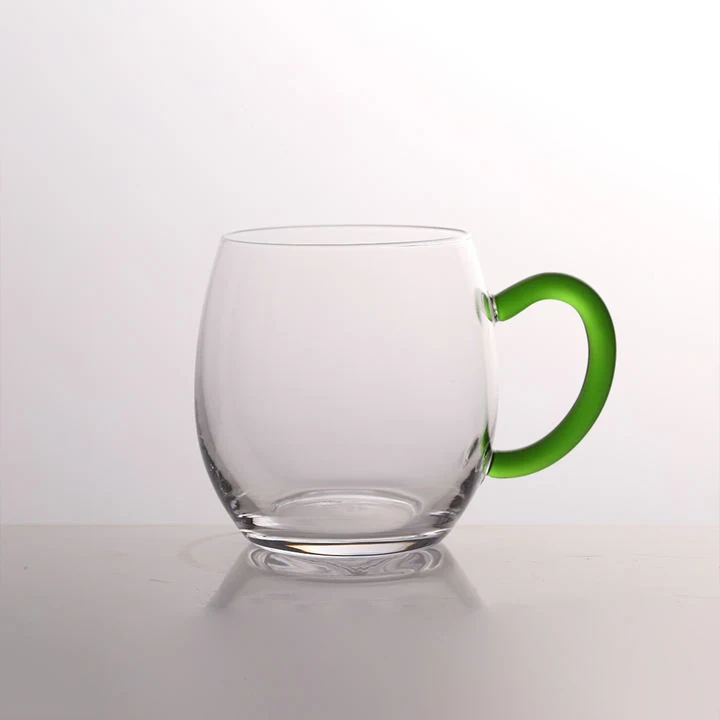
The South Asia Glass Expo emphasizes innovation in design, including customized glass products and smart manufacturing technologies. It offers a unique chance for networking and business expansion across Asia and Europe.
| Event | Date | Location | Highlights |
|---|---|---|---|
| Sri Lanka International Trade Expo | September | Colombo, SL | Focus on eco-friendly glass products |
| South Asia Glass Expo | March | Colombo, SL | Innovation in design and glass technology |
Part 4: Impact of Global Trade Policies
Global trade policies have a significant impact on Sri Lanka's glass industry. Tariffs and trade agreements play a pivotal role in shaping the market dynamics. For instance, the EU's environmental regulations have led to increased demand for eco-friendly glass products, a shift that Sri Lankan manufacturers are keen to tap into.
Supply chain risks are also a concern, especially in terms of raw material availability and international transportation challenges. Trade tensions between major economies have the potential to disrupt supply chains and delay production schedules. However, these risks also present opportunities for local manufacturers to strengthen their production capacity and develop domestic alternatives.
Sri Lanka’s glass manufacturers have to continuously adapt to international competition and evolving market demands. The key for success lies in being agile, innovative, and capable of scaling production in response to changing global trade policies.
Part 5: Conclusion
The glassware industry in Sri Lanka holds significant promise, particularly in the export market. As global demand for glass products grows, Sri Lankan manufacturers are well-positioned to benefit from these trends. However, sustainability and innovation will be key to ensuring long-term success in a competitive global market.
Despite the growing opportunities, challenges like trade regulations, supply chain disruptions, and shifting consumer preferences could present hurdles. Manufacturers will need to remain adaptable and responsive to these challenges in order to sustain growth and profitability in the future.