Skip to content

Part 1: Market Size and Growth
Latvia’s glass manufacturing industry has a rich history, with craftsmanship being passed down through generations. Over the years, the country has gradually established a niche in glass production, combining traditional methods with modern technology. While the glass industry here doesn’t rival major European producers, it holds strong potential in specific markets. The demand for high-quality, bespoke glass products continues to grow, particularly in the tableware and decorative glass sectors.
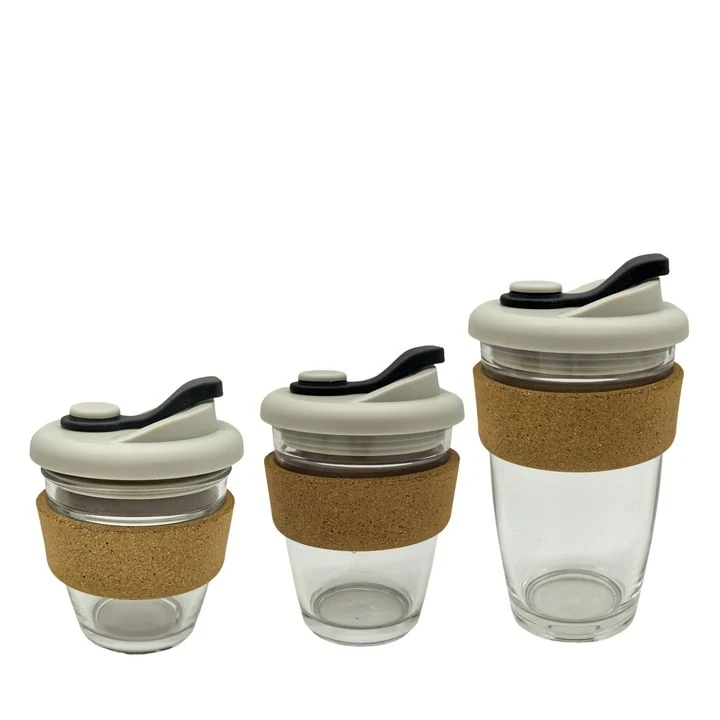
The market for glass cups and similar products in Latvia, though not huge, has expanded due to growing local and international demand. Thanks to its focus on artisanal, high-quality products, Latvia has found a place in the global market for bespoke and unique glassware. The local glass production industry has steadily developed and adapted to meet the needs of customers who seek distinctive designs, particularly in hospitality and home decor sectors.
Latvia’s position in the European Union has also helped fuel its growth in the global glass manufacturing sector. EU membership means easier access to export markets and the ability to comply with higher design and sustainability standards. Investment in modern production equipment, as well as the formation of industrial clusters, has further helped Latvian glass companies remain competitive in the global market. The future of this industry looks promising as more brands turn to Latvia for specialized glass products.
Part 2: Leading Companies
Rīgas Stikls

Rīgas Stikls has been a key player in the Latvian glass industry since its founding in 1992. With a strong legacy in glass production, the company has managed to preserve traditional techniques while integrating modern technology. Based in Riga, this company specializes in both decorative and functional glassware, serving various sectors from hospitality to home decor.
Rīgas Stikls offers a broad range of products, including custom glassware, decorative items, and tableware. One of the company’s key strengths lies in its ability to tailor products to meet specific client requirements. The company is known for producing high-quality glass cups, which can be customized to include logos, patterns, and engravings. This focus on customization has helped Rīgas Stikls establish long-term relationships with architects, designers, and hospitality businesses.
The company’s commitment to craftsmanship and quality has earned it numerous certifications and industry recognition. Rīgas Stikls remains a leader in the Latvian glass manufacturing industry, known for providing reliable, high-quality glassware solutions that meet the evolving demands of modern customers.
SIA Glāzeri BT
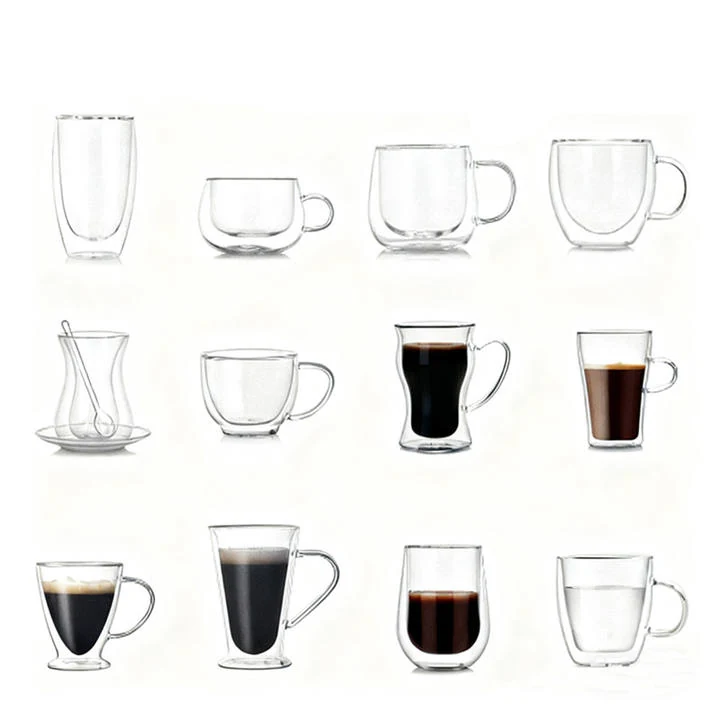
Founded in 1998, SIA Glāzeri BT is another important player in Latvia’s glass manufacturing sector. This company specializes in glass cutting, processing, and finishing, offering a wide variety of glass products for both industrial and consumer markets. Located in Riga, SIA Glāzeri BT serves clients in construction, homeware, and retail sectors, providing precision glass components.
SIA Glāzeri BT’s expertise lies in the precision of its manufacturing process. Whether it’s custom glass cutting for decorative purposes or providing components for glass cups and other tableware, the company ensures high standards of quality. They also provide various treatments for glass, including polishing and surface finishing, to enhance both the durability and aesthetic appeal of their products.
The company’s focus on reliable production and timely deliveries has allowed it to build a strong reputation in the Latvian market. Their ability to deliver high-quality glass products with flexible customization options makes them a key supplier for both local and international clients, particularly in Europe.
Groglass
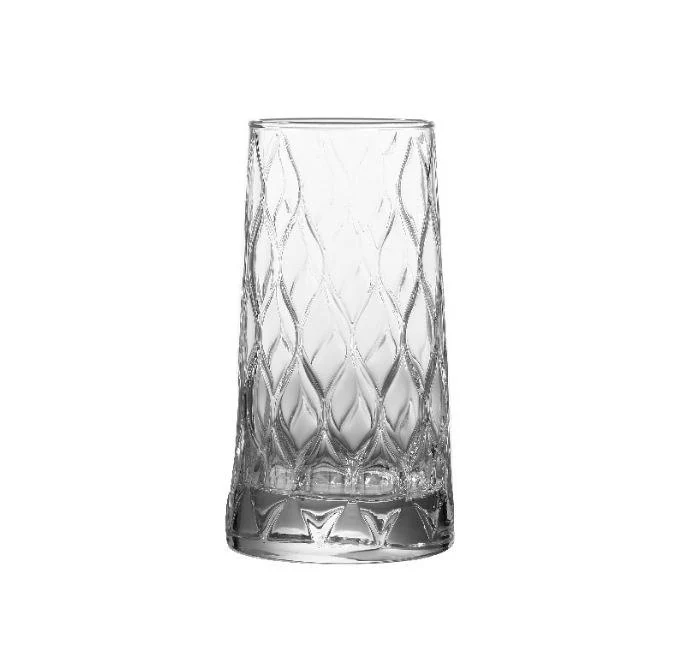
Groglass, founded in the early 2000s, is a leading Latvian company known for its innovative glass coating technologies. Based in Riga, Groglass specializes in high-performance coatings for glass, including anti-reflective and UV-blocking finishes. While it doesn’t produce traditional glass cups, its technology has a significant influence on the broader glass industry, offering enhanced performance and clarity for glass products.
The company’s expertise in optical coatings makes it a valuable partner for glass manufacturers looking to enhance their products. Their coatings are used in a variety of applications, from display technology to art exhibitions, but Groglass’s work has influenced the way glass tableware is produced, particularly in premium and luxury markets. Their innovative technology improves the clarity and durability of glass, making it a useful resource for manufacturers looking to elevate the performance of their products.
Groglass’s impact on the Latvian glass industry is undeniable. The company continues to push boundaries in glass technology, helping position Latvia as a hub for cutting-edge glass solutions. The company’s dedication to research and development has garnered international recognition and certifications, making it a key player in the global glass market.
| Company | Founded | Core Products | Industries | Certifications |
|---|---|---|---|---|
| Rīgas Stikls | 1992 | Custom glass & processing | Homeware, design, architectural | European glass quality standards |
| SIA Glāzeri BT | 1998 | Glass treatment & finishing | Construction, custom glass | ISO aligned production systems |
| Groglass | 2000s | Coated optical glass | Display, technology, design | Optical performance certifications |
Part 3: Trade Shows and Industry Events
Baltic Design and Glass Fair – Riga
The Baltic Design and Glass Fair, held annually in Riga, is a prominent event that brings together glass manufacturers, designers, and buyers from across Europe. This event showcases the latest trends in glass design and offers a platform for both emerging and established manufacturers to present their products. It’s a fantastic place for anyone in the glass industry to explore innovations and network with potential partners.

The fair is held each spring at major exhibition centers in Riga, attracting thousands of visitors. It’s a vibrant space where attendees can see live glass-blowing demonstrations, attend workshops, and participate in discussions about the latest trends in glass production. For manufacturers of glass cups and other tableware, this fair presents an opportunity to connect with designers and clients looking for unique glassware solutions.
The Baltic Design and Glass Fair is not only a showcase for products but also a gathering place for professionals in the industry. With an emphasis on sustainable materials and new technologies, this fair provides insight into the future direction of the glass industry, particularly in terms of eco-friendly practices and design innovation.
Northern European Craft and Material Expo – Vilnius
The Northern European Craft and Material Expo, held annually in Vilnius, Lithuania, is another major event in the Baltic region that focuses on craftsmanship and material innovations. Though it is not located in Latvia, it attracts a significant number of Latvian glass manufacturers. This expo is a great opportunity for companies to display their glass products and connect with international buyers and designers.

Held in late summer, this event sees participation from a wide range of exhibitors showcasing materials such as glass, ceramics, and metal. For Latvian manufacturers, it offers a chance to connect with regional and international clients, particularly those from Scandinavia and Central Europe. The expo is an excellent platform for businesses to gain exposure and expand their reach across European markets.
One of the standout features of this event is its focus on sustainability. As the global market places increasing importance on environmentally friendly products, this expo provides valuable insights into sustainable production methods and packaging solutions for glass manufacturers. It also fosters collaboration among craftsmen and designers to create innovative, eco-friendly products.
| Event | Date | Location | Highlights |
|---|---|---|---|
| Baltic Design and Glass Fair | Spring annually | Riga, Latvia | Live glass demos, design trends, buyer networking |
| Northern European Craft Expo | Late summer | Vilnius, Lithuania | Regional showcase, sustainability forums, market access |
Part 4: Impact of Global Trade Policies
Global trade policies have a significant influence on Latvia’s glass manufacturing sector. As part of the European Union, Latvia benefits from free trade agreements with many countries, providing access to international markets. However, these policies also come with challenges, such as tariffs and regulations that can affect the cost and competitiveness of Latvian glass products abroad.
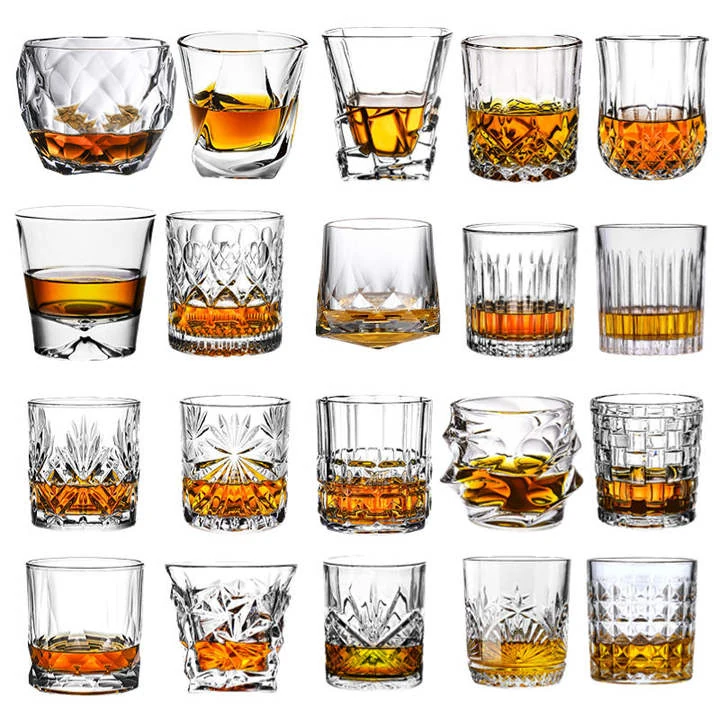
The global market for glass products is highly competitive, and international trade agreements can influence the demand for Latvian products. While EU trade policies allow for easier access to European markets, changes in tariffs or regulations in non-EU countries can make it harder for Latvian companies to expand their reach. Additionally, the increasing focus on sustainability and environmental standards means that companies must adapt to stricter regulations, especially regarding production processes and packaging.
Supply chain risks also affect the glass industry. For example, disruptions in global supply chains can delay production or increase costs for manufacturers. However, Latvia’s strategic location in Europe allows its glass producers to tap into regional supply networks, which helps mitigate some of these risks. The country’s growing emphasis on innovation and sustainability could also offer opportunities for Latvian manufacturers to stand out in the international market.
Part 5: Conclusion
Latvia’s glass manufacturing sector presents significant opportunities, particularly for companies focused on producing high-quality, bespoke glass products. As demand for custom glassware continues to rise, Latvian manufacturers are well-positioned to capitalize on this trend. The growth of the export market, combined with innovations in design and sustainability, creates a strong foundation for future growth in the industry.
However, challenges remain. International competition, fluctuating trade policies, and supply chain disruptions are ongoing concerns for Latvian glass producers. Maintaining high standards of quality, while adapting to changing global market conditions, will be crucial for long-term success. The ability to balance innovation with cost-efficiency will determine the future trajectory of the glass industry in Latvia.