Skip to content

Part 1: Market Size and Growth
The glassware industry in Burundi is still in its early stages, but it holds significant potential for growth. Burundi's economy is steadily developing, and with it comes a rising demand for high-quality glass products, including glass cups. The domestic market for glassware is expanding, driven by local consumption as well as increased investments in tourism, hospitality, and retail sectors. Burundi's glass cup manufacturing market, while still in its infancy, shows promising signs of growth due to the country's increased focus on infrastructure and local manufacturing.
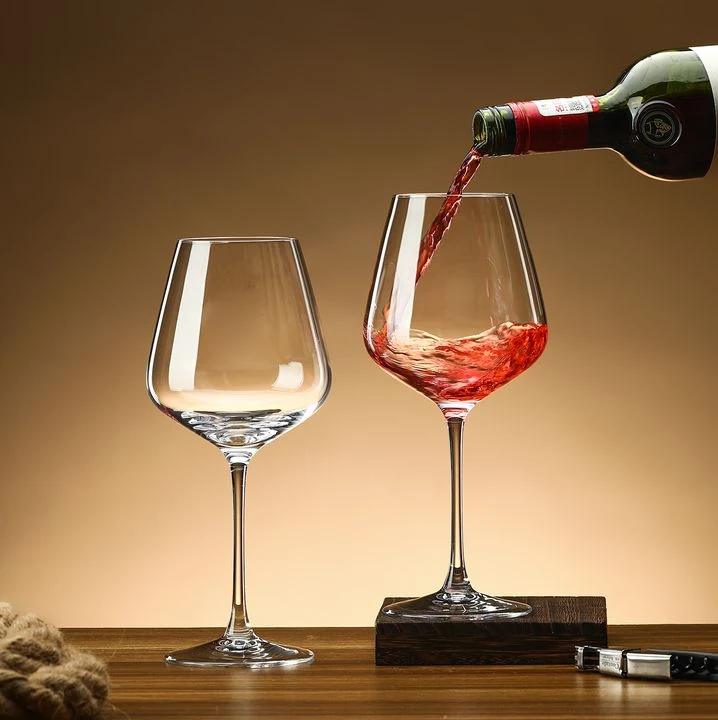
The local market for glass cups in Burundi has been steadily growing, driven by both an increase in local demand and an expanding export potential. As Burundi’s tourism sector begins to pick up pace, there is a growing need for elegant and durable glassware for restaurants, hotels, and cafes. The focus on both functionality and aesthetics in product design has enabled local manufacturers to carve a niche in the market. Additionally, as the global market increasingly demands sustainable and eco-friendly products, Burundi's glass manufacturers are adopting green practices to align with international trends.
Despite the promising growth, the industry faces challenges related to limited access to high-quality raw materials, outdated manufacturing technologies, and insufficient infrastructure. However, these barriers are gradually being addressed through government policies aimed at encouraging local manufacturing and improving the overall business environment.
Part 2: Leading Companies
-
Burundi Glassworks Ltd.

Burundi Glassworks Ltd., established in 2010, is one of the leading glass manufacturers in Burundi. Located in Bujumbura, the company specializes in producing a variety of glass products, including glass cups, bottles, and containers. Over the years, Burundi Glassworks Ltd. has built a solid reputation for producing glassware that meets both local and international standards.
The company offers a wide range of glass cup designs that cater to different customer needs, from simple drinking glasses to more elaborate decorative pieces. Burundi Glassworks Ltd. focuses on high-quality production methods and works closely with both local suppliers and international partners to ensure that their products meet global quality standards.
Burundi Glassworks Ltd. serves industries such as hospitality, retail, and beverage packaging. The company also supplies glassware for local restaurants, hotels, and cafes. As part of its commitment to sustainability, Burundi Glassworks Ltd. uses environmentally friendly production practices and is working to expand its capacity to meet growing demand.
-
Great Lakes Glass Manufacturing
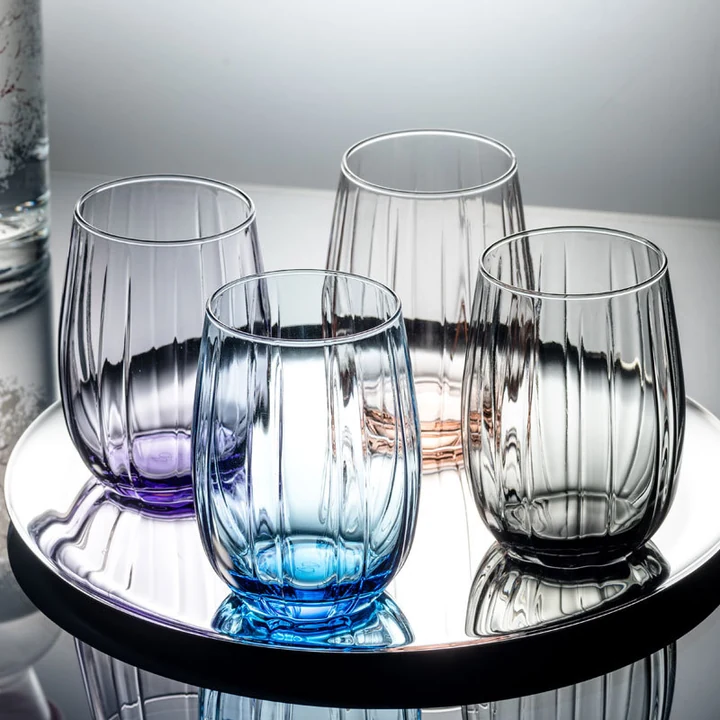
Great Lakes Glass Manufacturing, founded in 2015, has quickly become a prominent name in Burundi’s glass manufacturing sector. Based in the capital city of Gitega, the company produces a wide array of glass products, including glass cups, bottles, and other glassware for local and international markets.
Great Lakes Glass Manufacturing is known for its innovative designs and sustainable production processes. The company focuses on creating functional yet aesthetically pleasing glass cups that are popular with both local businesses and tourists. Their glassware is particularly popular for custom designs, which cater to restaurants, bars, and hotels looking for unique glass products.
The company serves industries such as hospitality, retail, and the beverage industry, providing glass products that are both durable and visually appealing. Great Lakes Glass Manufacturing has made significant strides in incorporating green technologies into their production processes, aligning with global sustainability goals. Their products are certified to meet international standards, allowing them to compete in the global market.
-
Lake Tanganyika Glass Co.
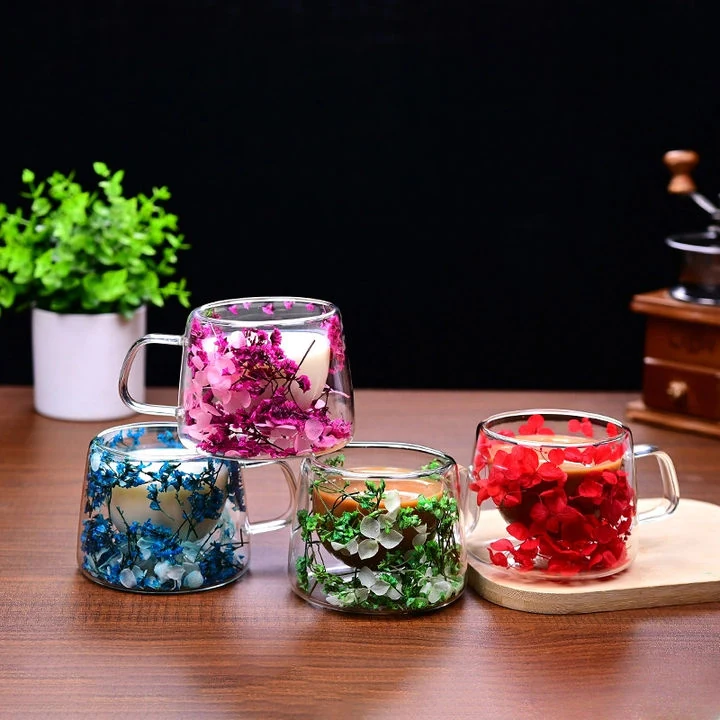
Lake Tanganyika Glass Co., established in 2018, is a rising star in the glass manufacturing industry in Burundi. The company is located near the shores of Lake Tanganyika in the city of Rumonge, a prime location that offers access to raw materials and favorable trade routes. Lake Tanganyika Glass Co. produces a range of glassware, including glass cups, vases, and decorative pieces.
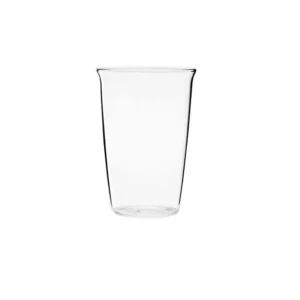
The company focuses on creating high-quality glass products that meet the needs of both the domestic and international markets. Lake Tanganyika Glass Co. is known for its clear, durable glass cups that are both functional and visually appealing. Their products are often sold through local retailers and online platforms, making them accessible to a wide range of customers.
Lake Tanganyika Glass Co. primarily serves the hospitality, retail, and tourism sectors. The company’s products are especially popular among tourists who visit the region and seek high-quality, locally made glassware. With a strong commitment to quality and customer satisfaction, Lake Tanganyika Glass Co. is quickly establishing itself as a leader in the Burundian glassware market.
| Company | Founded | Core Products | Industries | Certifications |
|---|---|---|---|---|
| Burundi Glassworks Ltd. | 2010 | Glass cups, bottles | Hospitality, Retail, Beverage | ISO 9001 |
| Great Lakes Glass Manufacturing | 2015 | Glass cups, bottles | Hospitality, Retail, Beverage | ISO 9001, Eco-Friendly |
| Lake Tanganyika Glass Co. | 2018 | Glass cups, vases | Hospitality, Retail, Tourism | ISO 9001, Green Seal |
Part 3: Trade Shows and Industry Events
-
Bujumbura Craft & Design Expo
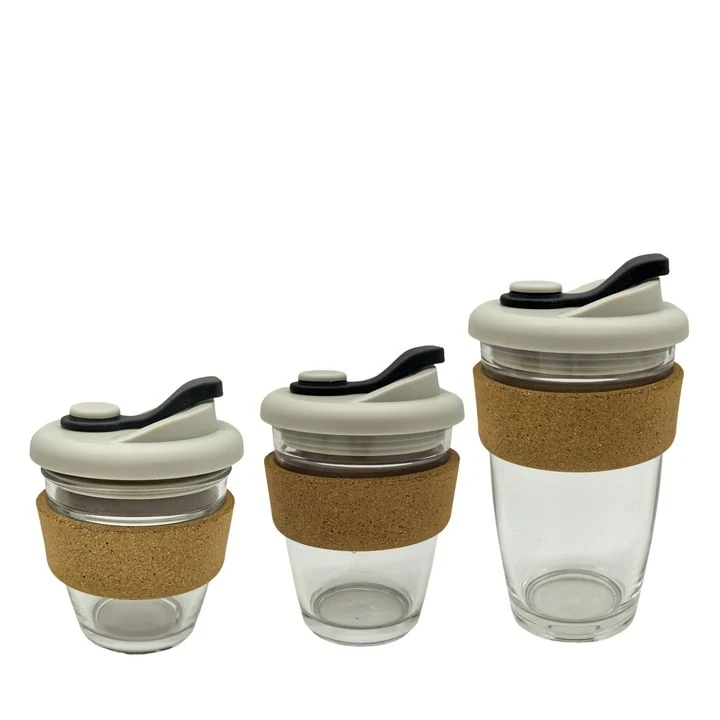
The Bujumbura Craft & Design Expo, held annually in the capital city of Bujumbura, is an important event for local artisans and manufacturers to showcase their products. Glass manufacturers such as Burundi Glassworks Ltd. and Great Lakes Glass Manufacturing use this expo to display their latest glass cup designs. The expo attracts both local and international buyers, providing manufacturers with the opportunity to build new partnerships and expand their customer base.The expo features a wide range of handcrafted and locally made products, with a strong focus on sustainable practices. Glassware, including elegant drinking glasses and decorative pieces, is one of the main attractions of the event. It also provides a platform for buyers to discover unique, locally crafted products that they may not find elsewhere.
-
East African Glass & Ceramics Show
The East African Glass & Ceramics Show is a biennial event that brings together glass manufacturers from across East Africa, including Burundi. This exhibition focuses on the latest trends in glass and ceramics production, with manufacturers showcasing their newest glass products. The event serves as a key platform for networking and exploring business opportunities in the region.The East African Glass & Ceramics Show is attended by manufacturers, suppliers, and buyers from across the region, making it an essential event for companies like Great Lakes Glass Manufacturing and Lake Tanganyika Glass Co. to build international business relationships. The event highlights innovations in glass manufacturing, including sustainability and eco-friendly production methods.
| Event | Date | Location | Highlights |
|---|---|---|---|
| Bujumbura Craft & Design Expo | Annual | Bujumbura, Burundi | Handcrafted glass products, local crafts |
| East African Glass & Ceramics Show | Biennial | Nairobi, Kenya | Glass and ceramics trends, networking |
Part 4: Impact of Global Trade Policies
Global trade policies have a considerable influence on Burundi’s glass cup manufacturing industry. Tariffs, trade agreements, and global economic conditions can impact the price and availability of raw materials, which are crucial for local manufacturers. While Burundi's government is working to enhance trade relations with regional partners, the high cost of imports and limited access to advanced manufacturing technologies remain key challenges for the local glass industry.

The East African Community (EAC), of which Burundi is a member, has the potential to enhance trade within the region, allowing local manufacturers to access more affordable raw materials and expand their markets. However, Burundi’s glass manufacturers are still largely dependent on imports for specific raw materials, which can increase production costs.
As global competition intensifies, Burundi's manufacturers need to continue improving production processes and invest in sustainable practices to maintain competitiveness. International trade policies that favor green production and sustainable manufacturing practices could provide opportunities for local companies to grow and tap into international markets.
Part 5: Conclusion
The glass cup manufacturing industry in Burundi is in its early stages but shows strong potential for growth. With the increasing demand for locally-made glass products in the hospitality, retail, and tourism industries, companies like Burundi Glassworks Ltd., Great Lakes Glass Manufacturing, and Lake Tanganyika Glass Co. are well-positioned to meet both local and international demand. The future of the industry looks promising, provided that manufacturers continue to innovate, embrace sustainability, and leverage trade opportunities in the region.
However, challenges such as limited access to raw materials and the need for better infrastructure remain. As the industry matures, Burundi’s glass manufacturers will need to adapt to changing global trends and market demands to stay competitive in an increasingly interconnected world.