Skip to content

Part 1: Market Size and Growth
The glass cup manufacturing industry has seen steady growth over the years. It is a sector influenced by various factors such as the rise in consumer demand for home decor and hospitality products. With an increase in disposable income globally, people are more inclined to purchase high-quality glassware for both everyday use and special occasions.
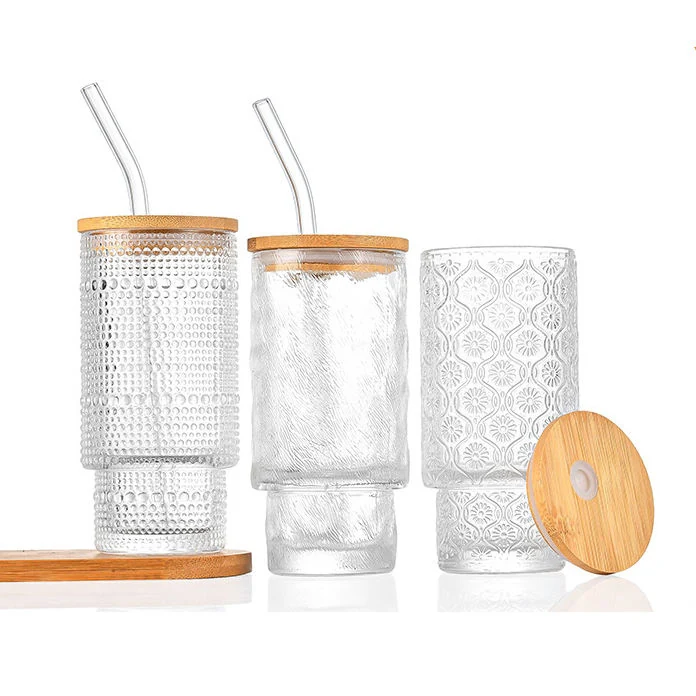
As demand grows, it is evident that glass cup production is not limited to large manufacturers alone. In fact, local artisans and small-scale producers contribute significantly to the industry, particularly in countries with a rich glass-making heritage. Countries like China, India, and Italy lead the market, offering a mix of traditional craftsmanship and modern designs that cater to diverse consumer needs. The versatility of glass cups makes them appealing across various industries, from beverage serving to home decor.
The global market for glassware, especially cups, is expected to continue its upward trajectory as consumers prioritize both functionality and aesthetic value in their purchases. Governments and industries are introducing new regulations and investment opportunities that support the growth of the glass manufacturing industry. This shift towards eco-friendly and sustainable production methods will further accelerate growth.
Part 2: Leading Companies
Company 1: Arc International

Arc International, established in 1825, is one of the largest glassware manufacturers globally. Based in France, the company has expanded its reach across various continents with a focus on both retail and B2B markets. Known for its diverse glassware products, Arc International offers everything from simple drinking glasses to elaborate wine glasses and decanters.
Arc International's product range is vast, with a significant focus on both everyday consumer items and premium glass products for the hospitality industry. Their glass cups are highly sought after for their durability and elegant design, appealing to a broad range of customers. The company uses cutting-edge technology to maintain high-quality standards and consistently innovate in product design.
Arc's core industries include foodservice, hospitality, and retail. The company is particularly well-regarded in the hotel industry, providing bulk supplies to major chains and boutique establishments worldwide. With sustainability being a priority, Arc International has focused on reducing its carbon footprint and introducing eco-friendly glass products.
| Company | Founded | Core Products | Industries | Certifications |
|---|---|---|---|---|
| Arc International | 1825 | Glass cups, wine glasses, decanters | Hospitality, Retail | ISO 9001, ISO 14001 |
Company 2: Bormioli Rocco

Founded in 1825 and headquartered in Italy, Bormioli Rocco has established itself as a leader in glass manufacturing. The company has a long history of producing premium glass products that cater to both the consumer market and professional sectors. They are known for creating sophisticated glassware used in bars, restaurants, and homes worldwide.
Bormioli Rocco offers a wide range of glassware, from delicate wine glasses to more robust drinkware for everyday use. Their glass cups are a popular choice for businesses looking for both quality and style. Their designs combine aesthetics with functionality, making their products suitable for both high-end dining experiences and casual gatherings.
The company serves industries such as retail, foodservice, and packaging. They pride themselves on their ability to blend traditional craftsmanship with modern techniques to create innovative products. Bormioli Rocco continues to push the envelope in design and sustainability.
| Company | Founded | Core Products | Industries | Certifications |
|---|---|---|---|---|
| Bormioli Rocco | 1825 | Glass cups, wine glasses, packaging | Retail, Foodservice | ISO 9001, FSC certified |
Company 3: Libbey

Founded in 1818 in the United States, Libbey has a strong presence in the glassware market. The company’s product line includes a wide variety of glass cups, tumblers, and drinkware used by both consumers and businesses. Libbey is particularly well-known for producing glassware that is both durable and stylish.
Libbey's glass cups are favored in commercial settings such as bars and restaurants, offering both practicality and elegance. The company’s products are manufactured with the latest technologies to ensure consistency in design and quality. Libbey’s innovations in glass strength and clarity make it a preferred choice for many industries.
Libbey caters to the hospitality, retail, and foodservice industries. The company has recently made significant strides in sustainability, focusing on creating eco-friendly glass products. Libbey has earned various certifications, including those for sustainability and product safety.
| Company | Founded | Core Products | Industries | Certifications |
|---|---|---|---|---|
| Libbey | 1818 | Glass cups, drinkware, tumblers | Hospitality, Retail | ISO 9001, LEED certified |
Part 3: Trade Shows and Industry Events
Trade shows and industry events provide valuable opportunities for networking, discovering new trends, and exploring innovative products in the glass cup manufacturing industry.
Event 1: Glass Expo 2026

Glass Expo 2026 is a major international event focusing on the glass manufacturing industry. It will take place in Berlin, Germany, offering a platform for companies to showcase their latest innovations in glass production. The expo will feature a wide range of exhibitors, from large manufacturers to innovative startups, showcasing the latest trends in glass cup production, sustainability, and design.
Glass Expo is a great event for those involved in the glassware production sector. Key industry players will be present, offering new business opportunities and a chance to form partnerships. The event also hosts workshops on glass technology and sustainable manufacturing practices.
| Event | Date | Location | Highlights |
|---|---|---|---|
| Glass Expo 2026 | May 2026 | Berlin, Germany | Glass innovations, sustainability, networking |
Event 2: International Glassware Conference 2026

The International Glassware Conference 2026 will be held in Milan, Italy, and is set to be a key event for those in the glass manufacturing industry. The conference will focus on the latest advancements in glass design, production technologies, and sustainable practices. This event is ideal for anyone interested in learning about the future of glass production and the impact of new technologies on the market.
The conference will offer a variety of sessions, panel discussions, and exhibitions, where manufacturers can explore the future of glass cups and other glass products. Networking opportunities will be abundant, providing attendees the chance to discuss innovations with industry experts and suppliers.
| Event | Date | Location | Highlights |
|---|---|---|---|
| International Glassware Conference 2026 | June 2026 | Milan, Italy | Future technologies, sustainable manufacturing, networking |
Part 4: Impact of Global Trade Policies
Global trade policies significantly affect the glass manufacturing industry, especially when it comes to raw material sourcing, import/export duties, and international competition. Recent shifts in tariffs and trade agreements have changed the landscape for manufacturers in different parts of the world.
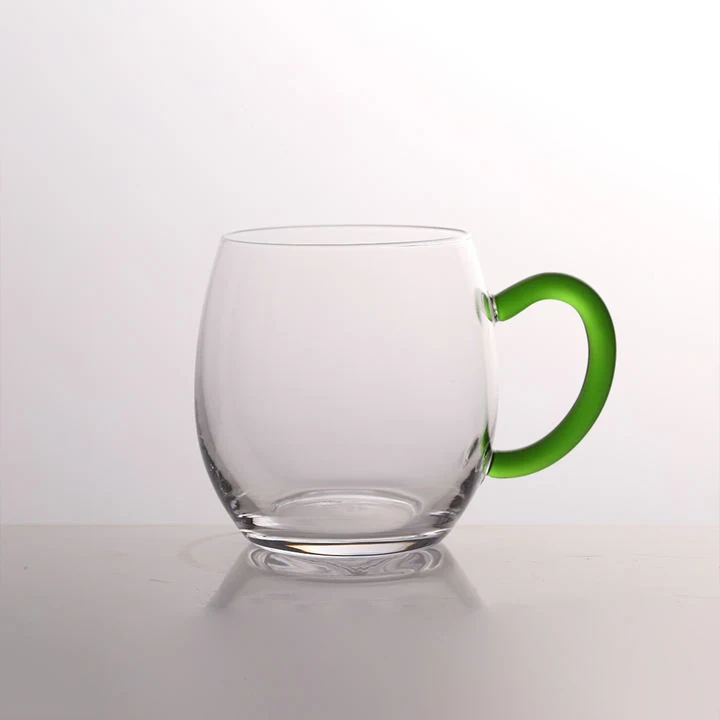
In recent years, many countries have implemented policies to promote local manufacturing, while also restricting the import of certain goods to protect domestic industries. These policies have led to a push for more localized production, which affects the global supply chain of glass cups. As a result, companies in countries like China are increasingly focusing on expanding their export capabilities while adapting to new trade regulations.
Supply chain disruptions and raw material shortages have been a challenge in the industry, particularly during the COVID-19 pandemic. Glass cup manufacturers have had to find new suppliers or adjust production methods to address these challenges. Meanwhile, local manufacturers have started to take advantage of protectionist measures by producing more domestically, reducing their dependency on global supply chains.
Part 5: Conclusion
The glass cup manufacturing industry holds vast potential for growth, driven by both consumer demand and innovations in sustainable practices. With global economies recovering, the demand for high-quality glassware will continue to rise, providing opportunities for businesses to expand and reach new markets. Companies that invest in innovative designs and sustainable practices will be well-positioned to lead the market in the coming years.
However, the industry faces several challenges, such as supply chain risks, environmental concerns, and the impact of global trade policies. As competition intensifies and consumer preferences evolve, glass cup manufacturers will need to adapt quickly to stay competitive. The focus will likely shift toward greater customization, durability, and eco-friendly production methods.