Skip to content
Part 1: Market Size and Growth
The glass manufacturing industry in Djibouti is still emerging, but it holds significant potential for expansion. Djibouti's strategic location, with access to both the Red Sea and the Gulf of Aden, has attracted international businesses to the region. While the country primarily imports glass products, local manufacturers are beginning to make their mark, especially in the hospitality and consumer goods sectors.

The demand for glass products, including glass cups, is growing steadily in Djibouti, particularly as the country develops its tourism and service industries. Hotels, restaurants, and cafes in Djibouti are driving demand for high-quality glassware, creating opportunities for local manufacturers to supply the market with durable and eco-friendly products. As the population becomes more affluent and environmentally conscious, glass products are increasingly seen as a preferable choice over plastic alternatives.
Although Djibouti's manufacturing sector is still in its early stages, the government's initiatives to support local industries through investment incentives and trade partnerships are laying a strong foundation for growth. This favorable environment will likely drive the development of a local glass manufacturing industry in the coming years.
Part 2: Leading Companies
Djibouti Glassworks

Djibouti Glassworks, founded in 2015, is one of the first local companies focused on glass production in the country. Located in the industrial area near the port, Djibouti Glassworks aims to provide high-quality glass products, including glass cups, to both domestic and international markets. The company prides itself on producing glassware with a combination of modern technology and traditional craftsmanship.
Djibouti Glassworks specializes in creating glass cups that cater to both commercial and residential markets. Their products are known for their durability, clarity, and elegance, making them a popular choice for local hotels, restaurants, and retail outlets. The company has embraced sustainable manufacturing practices, reducing waste and minimizing energy consumption in its production processes.
Serving industries such as hospitality, retail, and foodservice, Djibouti Glassworks also offers custom glassware options for businesses looking to brand their glass cups with logos or unique designs. With an emphasis on quality and customer satisfaction, the company has begun to build a reputation for reliability in the Djiboutian market.
Red Sea Glass Factory
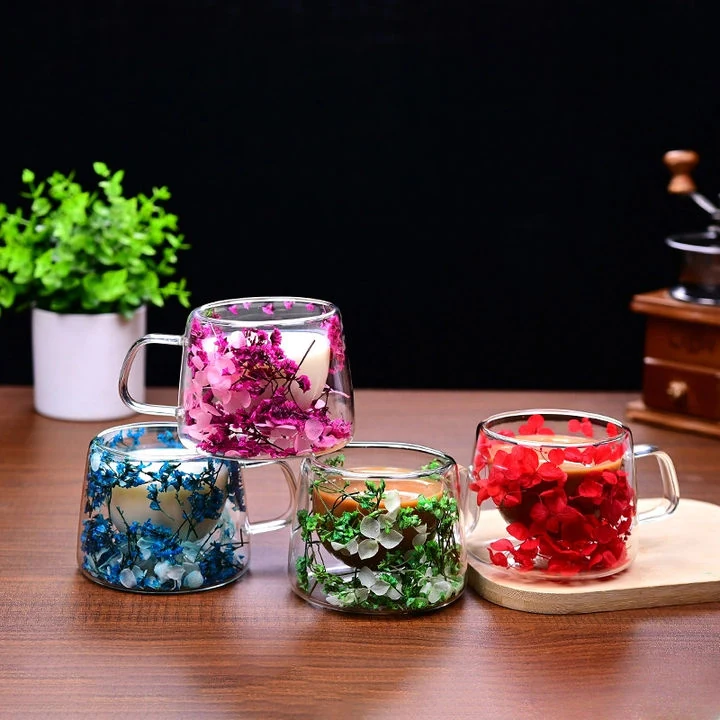
Founded in 2017, Red Sea Glass Factory is a rapidly growing manufacturer in Djibouti, producing a variety of glass products, including glass cups. The factory is strategically located close to Djibouti's busy port, allowing for easy export and import of raw materials. The factory uses advanced production methods to create glass products with consistent quality and high precision.
Red Sea Glass Factory offers a range of glass cups, suitable for both everyday use and upscale hospitality settings. Their glass cups are renowned for their strength, clarity, and appealing designs. The company also produces customized glassware, catering to the growing demand for branded glass products in restaurants, hotels, and retail businesses.
Red Sea Glass Factory primarily serves the hospitality, foodservice, and retail industries, offering high-quality, durable glassware. Their commitment to sustainability, including the use of recycled glass materials and energy-efficient manufacturing processes, has helped them establish a strong presence in the local market. The company also benefits from Djibouti's free trade agreements, facilitating smoother exports to neighboring countries.
Djibouti Crystal Glass
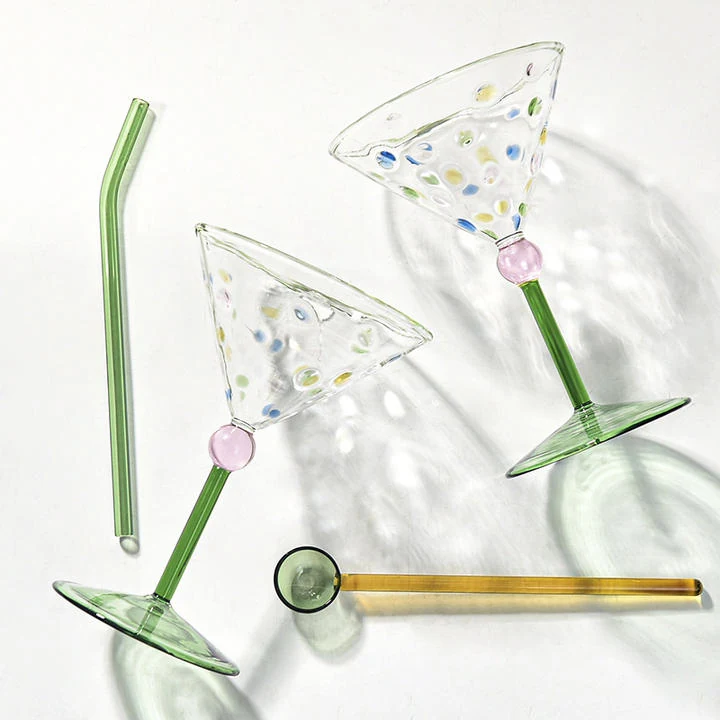
Djibouti Crystal Glass, established in 2019, is a newer but rapidly expanding manufacturer in Djibouti's glass production sector. The company produces high-end glassware, including luxury glass cups, for both local and international clients. Located in Djibouti City, Djibouti Crystal Glass is committed to combining innovative production techniques with artistic craftsmanship to produce elegant and durable glass cups.
Djibouti Crystal Glass specializes in producing decorative and luxury glassware, including glass cups that are highly sought after for upscale dining and gifting purposes. Their products are known for their fine craftsmanship and unique design, making them a popular choice for high-end restaurants and gift shops.
The company caters to the hospitality and retail industries, offering both standard and custom-designed glass cups. Djibouti Crystal Glass is also recognized for its commitment to sustainability, using eco-friendly practices such as reducing energy consumption and utilizing recycled materials in its production processes.
| Company | Founded | Core Products | Industries | Certifications |
|---|---|---|---|---|
| Djibouti Glassworks | 2015 | Glass cups, drinkware | Hospitality, retail, foodservice | Sustainable manufacturing |
| Red Sea Glass Factory | 2017 | Glass cups, custom glassware | Foodservice, retail, hospitality | Energy-efficient production |
| Djibouti Crystal Glass | 2019 | Luxury glass cups, decorative glassware | Hospitality, retail, gifting | Eco-friendly production |
Part 3: Trade Shows and Industry Events
Trade shows and industry events are an important part of Djibouti’s growing glass manufacturing sector. These events allow local manufacturers to showcase their products, connect with international buyers, and learn about the latest trends in the glass industry. Participation in such events helps Djiboutian manufacturers expand their market reach and stay competitive.
Djibouti International Trade Fair
The Djibouti International Trade Fair, held annually in Djibouti City, is one of the largest trade events in the country. The fair attracts businesses from a variety of industries, including glass manufacturing. For local glass manufacturers, it’s an important event to showcase their products, network with international clients, and learn about new opportunities in the global market.
The fair takes place each year in late spring and features a variety of industries, including manufacturing, trade, and retail. For Djibouti’s glass manufacturers, it offers a chance to demonstrate their latest products and innovations, while also forging new business partnerships both locally and internationally.
African Glass and Ceramics Expo
The African Glass and Ceramics Expo is a key event for the glass manufacturing industry in Africa. Held every two years, the expo brings together glass manufacturers, suppliers, and buyers from across the continent. This event serves as an excellent platform for Djiboutian glass manufacturers to explore new markets, network with industry leaders, and showcase their high-quality glass products.
Taking place in the fall, the African Glass and Ceramics Expo provides valuable insights into the latest trends in glass and ceramics production. For Djibouti’s glass manufacturers, attending this event allows them to stay ahead of the competition and build lasting relationships with suppliers and customers across Africa.
| Event | Date | Location | Highlights |
|---|---|---|---|
| Djibouti International Trade Fair | Late Spring | Djibouti City | Local market networking, product showcase |
| African Glass and Ceramics Expo | Fall (every 2 years) | Various African cities | Regional networking, glass industry trends |
Part 4: Impact of Global Trade Policies
Global trade policies have a significant impact on the glass manufacturing industry in Djibouti. International trade agreements, tariffs, and shipping regulations all influence the cost of raw materials and finished goods, making it crucial for Djiboutian manufacturers to adapt to global market shifts. Djibouti’s free trade agreements with regional and global partners provide opportunities for local manufacturers to expand their reach.
The implementation of the African Continental Free Trade Area (AfCFTA) presents an opportunity for Djibouti’s glass manufacturers to access new markets across Africa with fewer barriers. This can lead to greater opportunities for local manufacturers to expand their reach, reduce trade costs, and enhance competitiveness.
At the same time, the global market for raw materials, including silica and soda ash, can be volatile, affecting the cost structure for manufacturers. Djiboutian glass manufacturers must remain agile to address changes in raw material prices, trade regulations, and international competition. By focusing on sustainability and leveraging regional trade agreements, Djibouti’s glass manufacturing industry can remain competitive in a challenging global market.
Part 5: Conclusion
The glass cup manufacturing industry in Djibouti is still in its early stages but offers substantial growth potential. With the growing demand for high-quality glassware, local manufacturers have an opportunity to establish themselves as key players in the regional market.
While challenges such as fluctuating trade policies and raw material costs persist, the future is promising for Djibouti’s glass manufacturers. By focusing on innovation, sustainability, and regional trade agreements, the industry can overcome obstacles and grow into a significant contributor to the country’s economy.