Skip to content
Part 1: Market Size and Growth
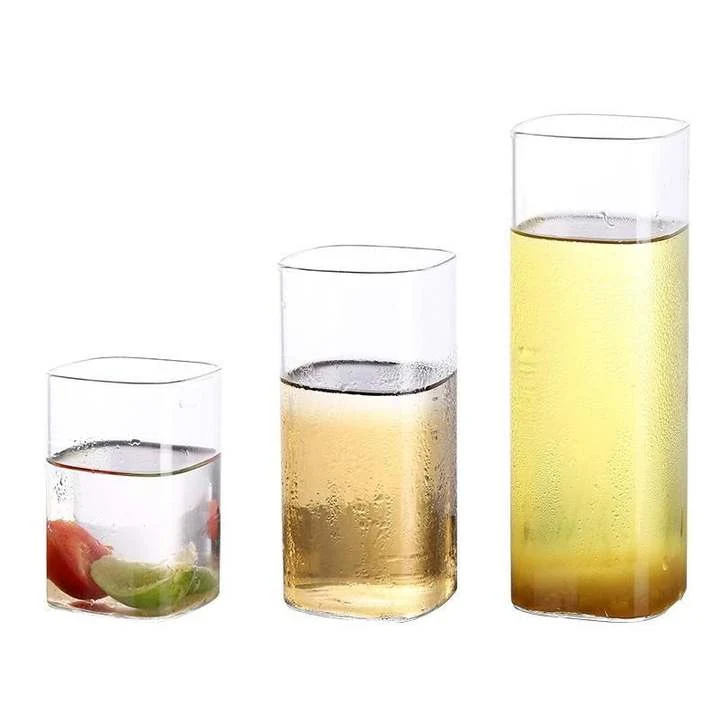
Mauritania’s glass manufacturing sector, especially glass cup production, is still in its infancy. The country’s glass industry has historically focused on glass containers, including bottles, primarily for local consumption and regional exports. The increasing demand for premium quality glass products, including glass cups, has been partially met through imports from neighboring countries, making local glass cup manufacturing a growing opportunity.
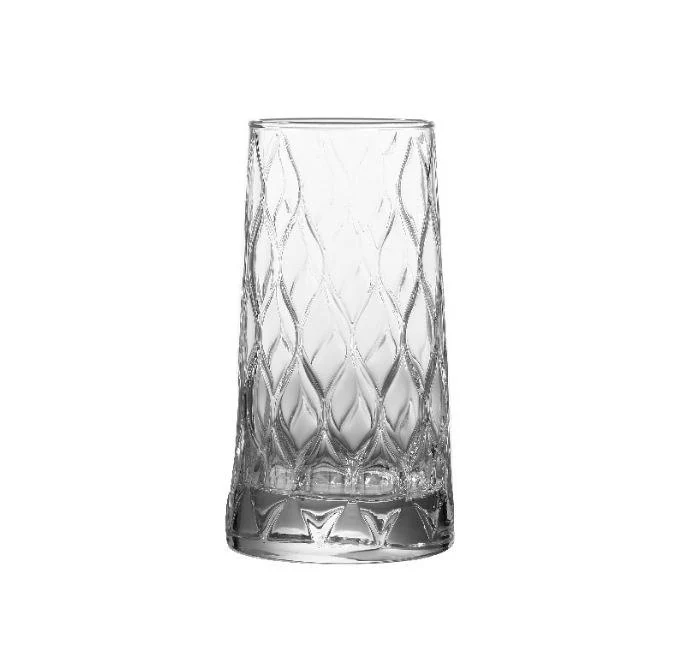
Despite the modest scale, Mauritania's glass industry is gradually expanding, with growing awareness around sustainable materials and designs. Market demand for high-quality glass cups may rise, especially as the region sees an increase in demand for more customized and aesthetically appealing tableware. Local producers may have opportunities to tap into both domestic and regional markets by diversifying into this product category.
Government policies and private investments are pushing for industrial development, particularly in manufacturing and exports. The rise of industrial clusters and regional trade agreements, such as those within the ECOWAS framework, are expected to support glass manufacturers in Mauritania, increasing production capabilities and boosting glass product exports, including cups and other drinkware.
Part 2: Leading Companies
Mauritanian Glass Factory
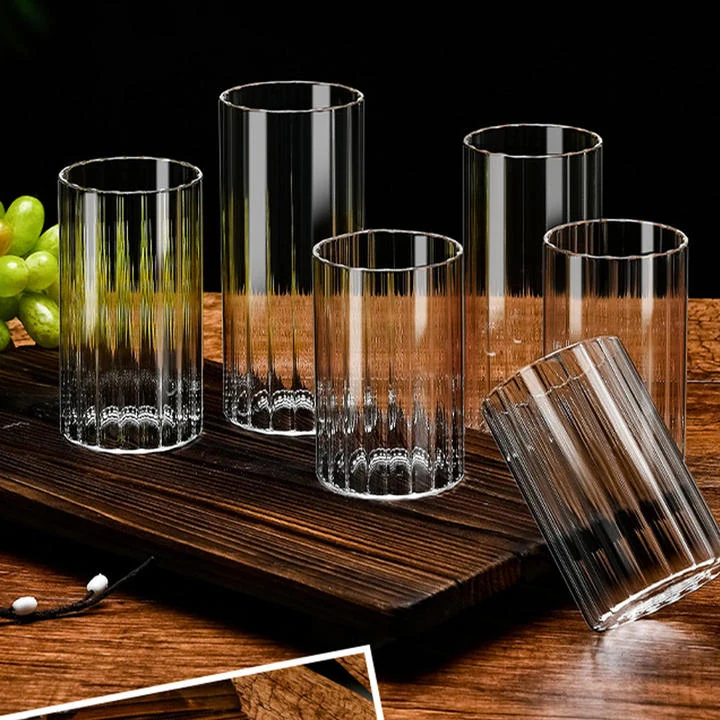
The Mauritanian Glass Factory, founded in 1998 and located in Nouakchott, is one of the leading manufacturers of glass containers in Mauritania. While the factory’s primary focus is on packaging, it is well-positioned to expand into drinkware production, including glass cups, as the market demand for such products rises.
They specialize in producing high-quality glass bottles and jars, offering solutions for industries like food and beverage packaging. The factory uses advanced glass production techniques, ensuring the durability and aesthetic quality of its products. As demand for glass cups grows in Mauritania, the factory may adapt its existing infrastructure to include drinkware, leveraging its experience in glass manufacturing.
In addition to beverage packaging, Mauritanian Glass Factory supplies various glass products to sectors like retail, food processing, and industrial packaging. Their reputation for quality control and sustainability may give them a competitive edge if they choose to expand into glassware like cups and tumblers in the future.
Nouadhibou Glass Works
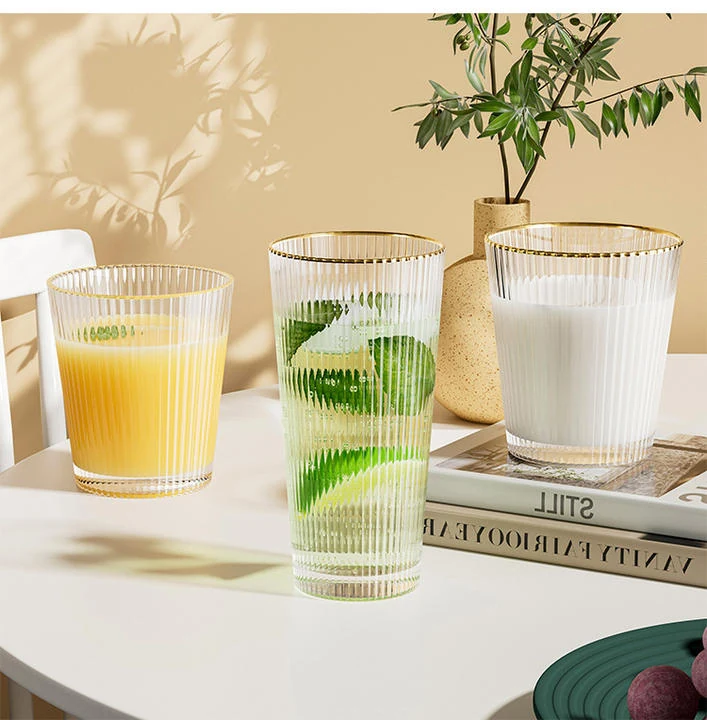
Nouadhibou Glass Works, established in 2004, is a manufacturer located in the northern coastal city of Nouadhibou. The company primarily focuses on the production of amber glass bottles and specialty containers. While glass cups are not a primary product line, the company's extensive experience in glass manufacturing positions it as a potential player in the Mauritanian glassware market as demand increases.
Nouadhibou Glass Works produces a wide variety of glass containers used in beverage bottling and cosmetic packaging. Their focus on eco-friendly production and customization could provide a solid foundation for transitioning into drinkware production. The company’s commitment to using environmentally safe glass production methods is a highlight in its manufacturing process.
Their primary industries include beverage packaging, pharmaceuticals, and cosmetic packaging. If the market for glass cups and drinkware grows in Mauritania, Nouadhibou Glass Works is well-positioned to expand its offerings by leveraging its existing infrastructure and innovation in sustainable packaging.
Atar Glass Center

Founded in 2010, Atar Glass Center specializes in producing high-quality glass containers for beverages and other goods. Based in the central region of Atar, the company has been an integral part of the Mauritanian glass industry. Though their focus is primarily on bottle production, Atar Glass Center's advanced technology and production capacity could allow them to diversify into the glass cup market.
Atar Glass Center is known for its specialized glass production, including the creation of clear glass containers and eco-friendly bottles for local and regional markets. The company's technological expertise, combined with its efficient production processes, makes it a strong candidate for expanding into custom-made glass cups, particularly for local restaurants and cafes.
The industries served by Atar Glass Center include beverage production, food packaging, and consumer goods packaging. With the growing interest in glass drinkware, Atar Glass Center’s advanced capabilities and commitment to quality make it a potential leader in Mauritania’s future glass cup market.
| Company | Founded | Core Products | Industries | Certifications |
|---|---|---|---|---|
| Mauritanian Glass Factory | 1998 | Glass Bottles, Jars, Packaging | Beverage Packaging, Retail | — |
| Nouadhibou Glass Works | 2004 | Glass Bottles, Specialty Containers | Beverage Packaging, Cosmetics | — |
| Atar Glass Center | 2010 | Glass Containers, Bottles | Beverage Packaging, Food Packaging | — |
Part 3: Trade Shows and Industry Events
West Africa Packaging Expo
The West Africa Packaging Expo is a major regional event that gathers glass manufacturers, packaging suppliers, and distributors from across West Africa. Held annually, this expo focuses on showcasing the latest packaging technologies and innovative glass products. Mauritanian manufacturers can find inspiration and potential collaboration opportunities to explore glassware production, including glass cups.
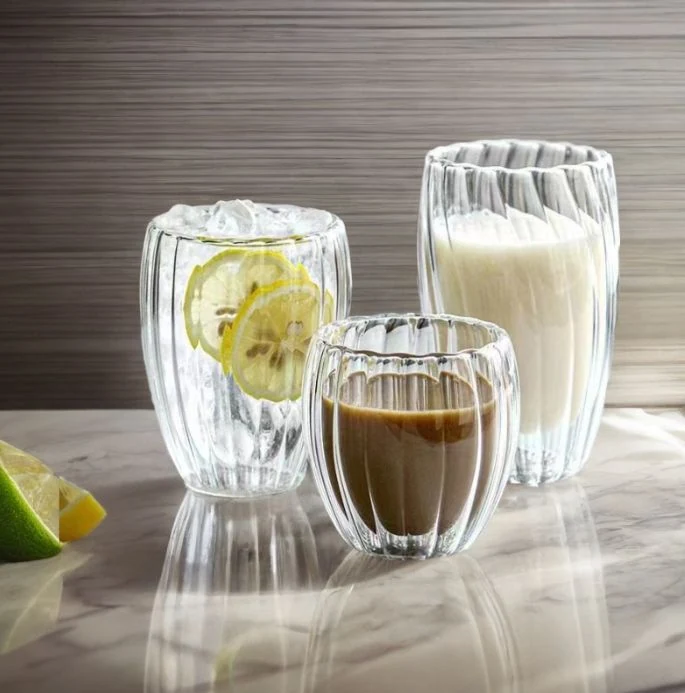
This event typically takes place in cities like Lagos or Accra and offers a platform for networking and learning about sustainable packaging solutions. Exhibitors display new trends in glass packaging, and Mauritanian manufacturers can benefit from the knowledge shared by international glass producers. The expo highlights advanced glass production techniques, which could inspire Mauritanian companies to expand their offerings to include glass cups.
Africa Glass & Packaging Summit
The Africa Glass & Packaging Summit is a continent-wide event that brings together glass producers, suppliers, and industry leaders to discuss market trends, supply chain challenges, and new technologies in the glass manufacturing sector. This summit plays an important role in connecting companies from Mauritania to global suppliers and potential partners in the glassware production industry.

Typically held in major African cities like Johannesburg, this event attracts top manufacturers who focus on sustainable glass production. Mauritanian manufacturers attending this event can explore new technologies, market insights, and strategies for expanding into glass drinkware, including custom-designed glass cups.
| Event | Date | Location | Highlights |
|---|---|---|---|
| West Africa Packaging Expo | Annual | West Africa (varied) | Packaging Innovation, Networking |
| Africa Glass & Packaging Summit | Mid-Year | Johannesburg/Nairobi | Sustainability, Technology, Market Trends |
Part 4: Impact of Global Trade Policies
Trade policies in Mauritania, such as import tariffs and trade agreements, significantly affect the cost of materials and manufacturing equipment. Global tariffs on glass materials can increase production costs for Mauritanian manufacturers, particularly those looking to incorporate foreign technology or materials into their operations.
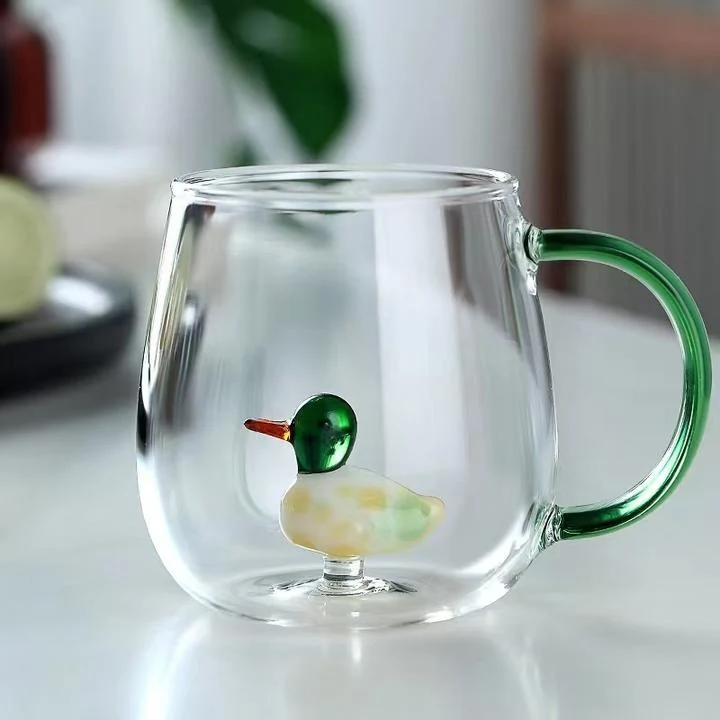
Furthermore, trade agreements such as the ECOWAS framework help facilitate regional trade, providing Mauritanian manufacturers with easier access to neighboring markets. However, international sanctions or fluctuations in global markets could affect raw material availability, forcing local producers to find alternative suppliers or adjust their production techniques. Mauritanian glass manufacturers can seize opportunities to reduce costs through local material sourcing and innovative recycling practices.
Global competition also plays a role in shaping the local market. As lower-cost competitors from other African nations and Asia gain market share, Mauritanian manufacturers will need to focus on quality differentiation and sustainable production methods to remain competitive in both local and international markets.
Part 5: Conclusion
Mauritania’s glass manufacturing industry is well-positioned to grow, especially in areas like glass packaging and potential diversification into glass drinkware. With a growing market demand for high-quality glass cups, companies such as Mauritanian Glass Factory, Nouadhibou Glass Works, and Atar Glass Center could lead the charge in expanding production to meet consumer needs. By investing in technology and sustainable manufacturing practices, these companies can cater to a growing local and regional market for premium glass products.
However, challenges remain, including navigating supply chain disruptions and trade policy uncertainties. Mauritanian glass manufacturers will need to overcome these challenges while keeping costs competitive and maintaining high-quality standards. By focusing on innovation and market adaptation, Mauritania’s glass industry can continue to evolve and succeed in the global marketplace.