Skip to content
Part 1: Market Size and Growth
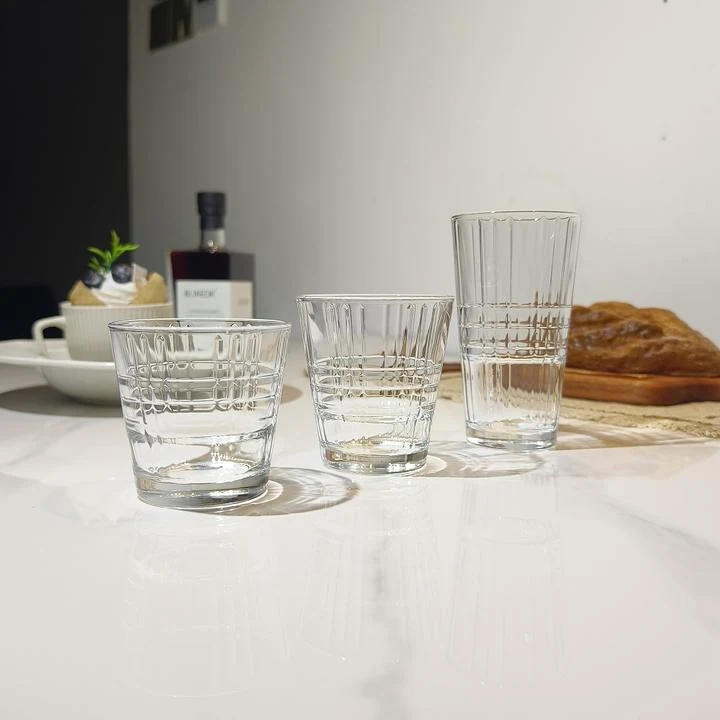
The glass cup manufacturing industry in Sudan is showing positive trends as the country’s consumer market grows and global demand increases. This industry is not only catering to the domestic needs but also positioning itself for international exports. With increasing demand for high-quality glassware, manufacturers in Sudan have started to invest in modern production techniques and design innovation.

Sudan’s glass cup industry is gaining traction with the rise in local businesses and restaurants seeking durable, aesthetic glassware. The market is expected to grow steadily, driven by both domestic consumption and a growing export market. Key sectors include hospitality, retail, and industrial packaging, all showing strong demand for glass cups.
Policy changes, investments in industrial hubs, and trade policies will play a significant role in shaping the future of Sudan’s glassware industry. Sudan’s government has been working on policies to encourage manufacturing and exports, while international trade agreements have opened doors for new markets.
Part 2: Leading Companies
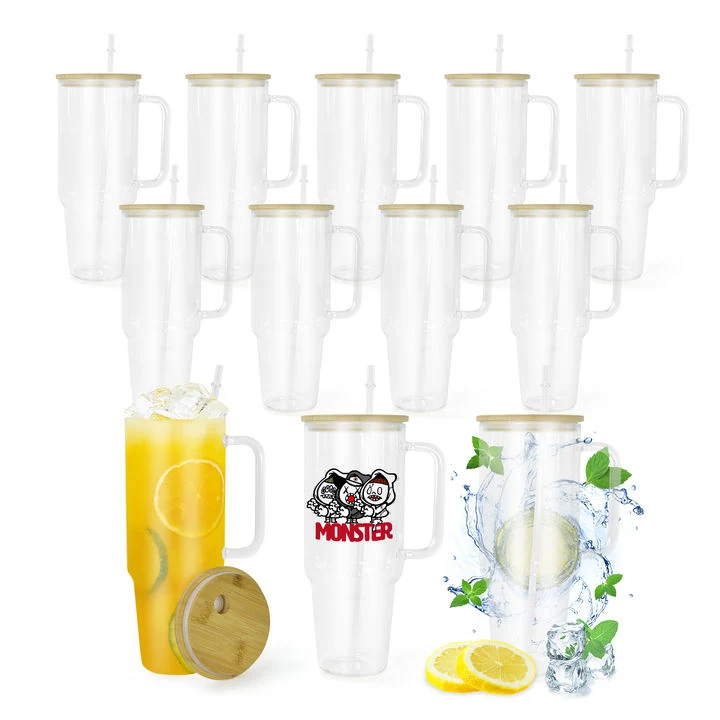
Al-Amin Glassworks, founded in 1985 and located in Khartoum, is one of Sudan's pioneers in glass manufacturing. Known for its craftsmanship and innovation, the company has expanded its production facilities to meet rising demand both locally and internationally. The company focuses on producing high-quality glassware, including cups, mugs, and other kitchen essentials.
Al-Amin Glassworks offers a wide range of glass products, catering primarily to the hospitality industry, retail chains, and private consumers. The company prides itself on its eco-friendly production methods, ensuring each product adheres to international standards. The glass cups produced by Al-Amin Glassworks are known for their durability and aesthetic appeal.
Their expertise in manufacturing is enhanced by the adoption of cutting-edge technology that ensures consistency in quality. The company holds several certifications in environmental sustainability, which add to its reputation as a responsible manufacturer.
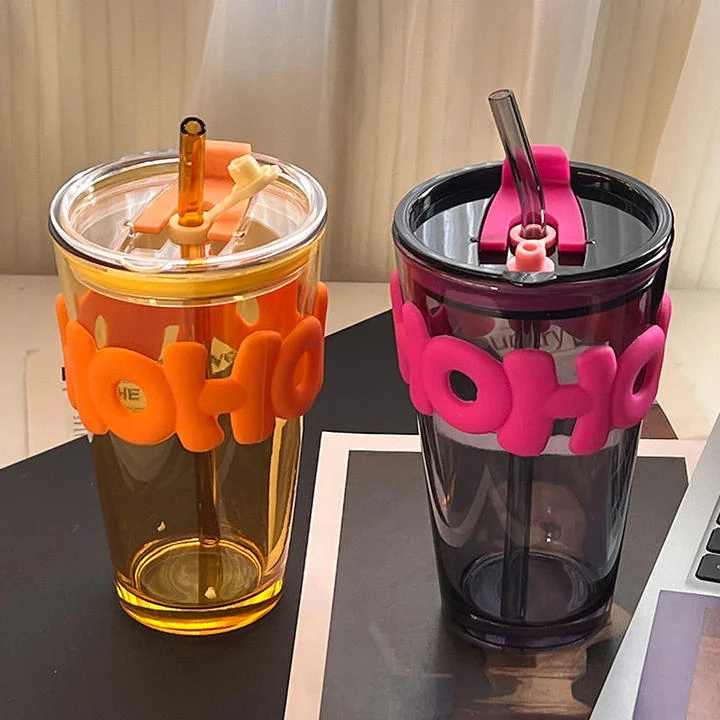
Sudan Glass Co., established in 1992, is located in the heart of Sudan’s industrial zone. The company has built a strong reputation for producing elegant and functional glass cups, catering to a variety of industries, from hospitality to retail and manufacturing. Sudan Glass Co. has positioned itself as a leader in the regional market, with a focus on both innovation and tradition.
The company specializes in a wide variety of glass products, such as decorative cups, drinking glasses, and high-end tableware. Sudan Glass Co. is known for providing bespoke designs, particularly for hospitality clients looking to personalize glassware with logos or custom designs. Their commitment to quality is reflected in their extensive use of advanced glass-blowing techniques.
Additionally, Sudan Glass Co. has expanded its export market, sending products to neighboring countries and global markets. The company’s adherence to international manufacturing standards has earned them several certifications, including ISO 9001.

Founded in 2000 and based in Omdurman, Nile Glassworks is a significant player in the Sudanese glassware sector. Known for its innovation and customization, Nile Glassworks produces a variety of glass products, including specialized cups and drinkware for both residential and commercial clients. The company has invested heavily in advanced glassmaking equipment, enabling them to deliver high-quality glass cups with unique designs.
Nile Glassworks caters to a diverse market, offering products for hotels, restaurants, and retailers, as well as direct sales to consumers. They have a reputation for designing products that blend traditional Sudanese craftsmanship with modern design elements. The company's products are recognized for their aesthetic appeal and functional quality.
Nile Glassworks is dedicated to sustainability, using energy-efficient methods to reduce its carbon footprint. They have received multiple environmental certifications, underscoring their commitment to responsible manufacturing.
| Company | Founded | Core Products | Industries | Certifications |
|---|---|---|---|---|
| Al-Amin Glassworks | 1985 | Glass Cups, Mugs, Kitchenware | Hospitality, Retail | ISO 14001, CE |
| Sudan Glass Co. | 1992 | Drinking Glasses, Tableware | Hospitality, Retail | ISO 9001 |
| Nile Glassworks | 2000 | Custom Glass Cups, Drinkware | Hospitality, Retail | Environmental Certification |
Part 3: Trade Shows and Industry Events
The glassware industry in Sudan is still relatively new, and it continues to grow in prominence with the help of international trade shows. These events provide an opportunity for manufacturers to showcase their products and network with potential clients.
One of the key events is the Sudan International Trade Fair, held annually in Khartoum. This event brings together manufacturers from various sectors, including glassware. The fair showcases Sudanese glass manufacturers' capabilities, offering networking opportunities with buyers and investors. It also features discussions about the future of Sudanese manufacturing and trade.
Another major event is the East Africa Glass Manufacturing Expo, which takes place in Nairobi, Kenya, but attracts numerous Sudanese manufacturers. This expo focuses on the glass manufacturing sector across East Africa and provides a platform for Sudanese companies to expand their presence in the regional market.
| Event | Date | Location | Highlights |
|---|---|---|---|
| Sudan International Trade Fair | April 2026 | Khartoum, Sudan | Networking, showcasing local products |
| East Africa Glass Expo | July 2026 | Nairobi, Kenya | Regional glass manufacturing focus |
Part 4: Impact of Global Trade Policies
The glassware industry in Sudan has been significantly impacted by global trade policies, especially as the country seeks to position itself as an exporter. Trade agreements with neighboring countries and global markets have opened doors for Sudanese manufacturers. However, global sanctions and trade restrictions have also made it difficult for some manufacturers to access international markets.
Supply chain disruptions, particularly during global trade wars, have exposed vulnerabilities in Sudan's glassware sector. To mitigate these risks, local manufacturers are increasingly focusing on domestic alternatives and developing more self-sufficient supply chains. However, Sudanese glass manufacturers still face competition from larger, more established global players.

Despite these challenges, there are significant opportunities in the global market. As Sudan improves its manufacturing capabilities and infrastructure, the demand for its high-quality glass products is expected to rise, creating long-term growth potential for the industry.
Part 5: Conclusion
The glass cup manufacturing industry in Sudan holds promising opportunities, particularly as the country continues to develop its industrial base and trade relationships. With increasing local demand and expanding export opportunities, Sudanese manufacturers are well-positioned to thrive. However, to fully capitalize on this potential, ongoing improvements in technology, manufacturing practices, and trade relations will be essential.
Challenges remain, particularly in terms of competition from international manufacturers and the risks posed by global trade policies. While the industry has made great strides, local manufacturers must remain agile and continue to innovate in order to stay ahead in a competitive global market.