Skip to content

Part 1: Market Size and Growth
Timor-Leste’s manufacturing sector, though still emerging, has a growing interest in glass products, especially within its expanding hospitality and consumer goods markets. With its rising tourism and evolving local economy, there’s an increasing demand for glassware like cups, wine glasses, and other tableware. This trend mirrors the broader regional growth, particularly in Southeast Asia.
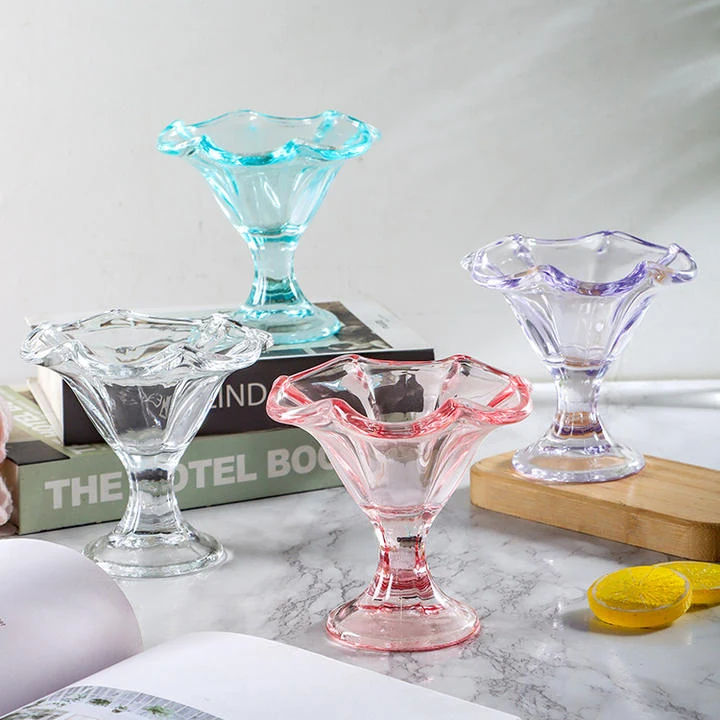
The glass manufacturing market in Timor-Leste is small but showing signs of potential. Due to its proximity to major glass producers in Southeast Asia, like Indonesia, the market often depends on imports. However, local businesses are tapping into the opportunity to produce glassware for local restaurants, hotels, and growing retail needs. Moreover, Timor-Leste's government has been creating policies to boost small to medium-sized enterprises, which could benefit the glass industry.
The growth of this industry is further influenced by favorable trade policies, emerging investment in infrastructure, and a growing consumer market. With global brands eyeing Timor-Leste's unique market and the rising need for sustainable products, local glass producers may find more opportunities in the near future.
Part 2: Leading Companies
Company 1: Timor Glassworks

Timor Glassworks, founded in 2015, is one of the pioneers in local glass production. Based in Dili, the company focuses on handmade glass products. As an early player in this niche market, it combines artisanal skills with modern techniques to cater to both local and export markets.
Timor Glassworks specializes in high-quality glass cups, vases, and custom designs. Their products are known for their unique designs that reflect local culture. The company also prides itself on using sustainable practices, such as recycling materials to reduce environmental impact.
The company primarily serves the hospitality industry, supplying glassware for restaurants and hotels. Their products are popular among customers looking for unique, eco-friendly glass items. Timor Glassworks is committed to quality control and the development of new techniques for glass production.
In terms of innovation, Timor Glassworks focuses on incorporating local artistic traditions into modern glass designs. They’ve also made strides in improving energy efficiency during production. Their work has been recognized by local industry groups for its blend of tradition and innovation.
Company 2: East Timor Crystal Co.

East Timor Crystal Co. was established in 2012 and is located in the capital, Dili. The company began as a small glass production workshop and has gradually grown into one of the most recognized names in the region. The company’s focus is on producing high-end glassware for luxury dining and gifting purposes.
Their product range includes premium glass cups, fine wine glasses, and bespoke gifts. They cater to both individual clients and businesses seeking custom glass items for special occasions. The company’s signature products include limited-edition crystal glasses, often personalized with intricate designs.
East Timor Crystal primarily serves high-end restaurants, hotels, and gift shops, providing products that are both functional and decorative. They’ve made significant investments in machinery to enhance their production capabilities, enabling them to produce more detailed and complex designs.
A key innovation from East Timor Crystal is their focus on custom glass etching techniques, which allows them to produce intricate designs on glass cups and other products. They also have certifications for environmental sustainability, which helps them maintain a competitive edge in a global market.
Company 3: Dili Glassworks
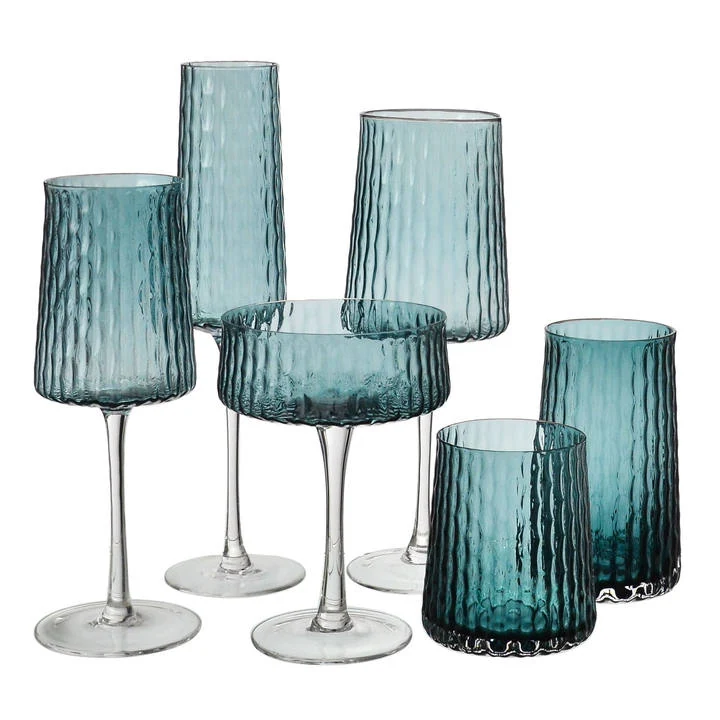
Dili Glassworks was founded in 2018, and it operates out of the Timor-Leste capital. Known for its traditional craftsmanship, Dili Glassworks specializes in glassware that incorporates both modern designs and local cultural elements. The company is relatively young but has quickly made a name for itself in the local market.
Their core products include glass cups, bowls, and decorative pieces. Dili Glassworks also offers bespoke glassware services, where customers can request unique designs for specific events or businesses. Their dedication to using locally sourced materials and sustainable practices has made them popular among environmentally-conscious customers.
The company serves a wide range of industries, from local restaurants and cafes to export clients looking for authentic Timorese glassware. Dili Glassworks is working towards expanding its capacity by investing in more advanced production equipment.
Dili Glassworks has earned recognition for its craftsmanship in both local and regional glass art communities. They are working on expanding their presence in international markets, focusing on the United States and Europe, where their unique products could find a solid customer base.
| Company Name | Founded | Core Products | Industries Served | Certifications |
|---|---|---|---|---|
| Timor Glassworks | 2015 | Handcrafted Glassware | Hospitality, Retail | Sustainability Certification |
| East Timor Crystal | 2012 | Premium Wine Glasses, Crystal | Hospitality, Gifting | Environmental Standards |
| Dili Glassworks | 2018 | Custom Glassware, Decorative | Hospitality, Export | Artisanal Recognition |
Part 3: Trade Shows and Industry Events
Timor-Leste Trade and Export Exhibition
This event, held annually in Dili, showcases the best of local craftsmanship, including glass products. It's a great place for local glassware manufacturers to connect with potential clients and international buyers. The exhibition emphasizes sustainable products and the unique heritage of Timor-Leste.

The event usually takes place in September and features a wide array of products, from handcrafted goods to more modern manufactured items. For glass cup manufacturers, it's an important event to network and showcase their latest designs. Attendees are mainly from hospitality, retail, and export industries.
The Timor-Leste Trade and Export Exhibition provides a platform for businesses to promote Timorese products and to explore opportunities for collaboration. With increasing interest in Timor-Leste’s local products, it's becoming one of the key events for manufacturers in the country.
Southeast Asia Glass Expo
The Southeast Asia Glass Expo, held in Bali, Indonesia, is one of the region’s largest events dedicated to glass manufacturing and products. Glass companies from all over Southeast Asia, including Timor-Leste, participate in this prestigious event. The expo is a key moment for companies to introduce new products and innovations.
The expo is typically held in June and serves as a hub for both manufacturers and buyers. Visitors can explore the latest trends in glass design, production technologies, and sustainability practices. For Timorese manufacturers, it's an excellent opportunity to meet international buyers and gain insight into global trends.
The Southeast Asia Glass Expo is well-known for its workshops and product demonstrations. It's a key event for networking and expanding a business’s international reach. Many Timorese manufacturers use this event to build relationships with suppliers and international distributors.
| Event | Date | Location | Highlights |
|---|---|---|---|
| Timor-Leste Trade Exhibition | September | Dili, Timor-Leste | Local craftsmanship, Sustainable Products |
| Southeast Asia Glass Expo | June | Bali, Indonesia | Product Innovation, Networking Opportunities |
Part 4: Impact of Global Trade Policies
Global trade policies, including trade agreements and sanctions, play a significant role in shaping the glass manufacturing industry in Timor-Leste. As a small economy, Timor-Leste benefits from regional agreements that allow easier access to neighboring markets like Indonesia and Australia.
The country is also subject to global trade tensions and regulations, which can affect raw material imports and exports of finished products. For instance, any changes in tariffs or international trade agreements can have an impact on the pricing and availability of glass manufacturing materials. This makes it essential for local companies to stay adaptable to changes in the global trade landscape.
Additionally, Timor-Leste’s domestic manufacturing industry faces growing competition from more established manufacturers in nearby countries. However, the increasing focus on sustainability in global trade presents an opportunity for local manufacturers to carve out a niche by emphasizing eco-friendly products and processes.
Part 5: Conclusion
Looking ahead, Timor-Leste’s glass industry is filled with opportunities. As demand for sustainable and locally-produced goods grows, Timorese manufacturers have the chance to establish a strong foothold in both domestic and international markets. The hospitality sector, in particular, offers a rich avenue for expansion, as the country’s tourism industry continues to thrive.
However, challenges such as limited access to advanced manufacturing technologies and competition from larger regional players remain. Timorese manufacturers will need to invest in innovation, quality control, and marketing to maintain a competitive edge. Despite these hurdles, the country’s growing infrastructure and developing economy present a bright future for local glass manufacturers.