Skip to content
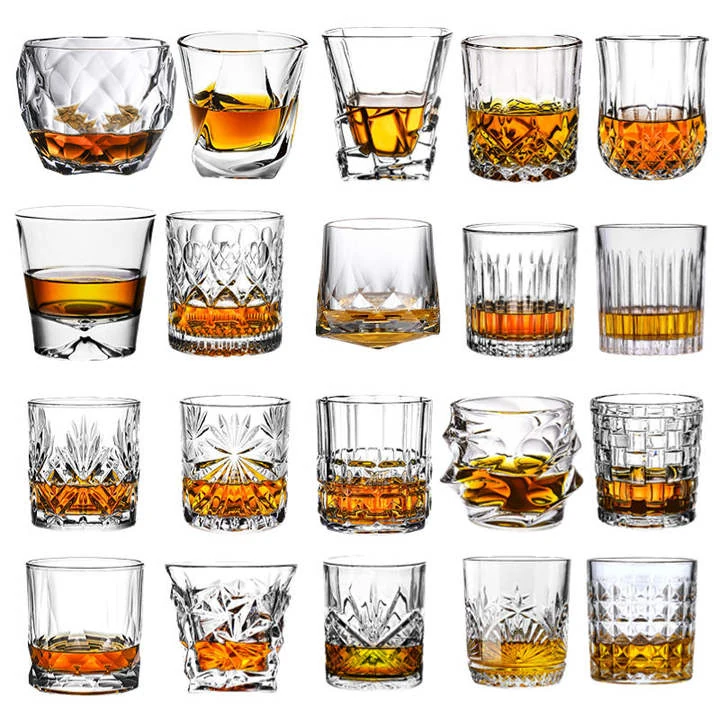
When it comes to choosing drinkware or containers, the material matters. Glass and ceramic are two popular choices, but which one is healthier? Both materials offer unique benefits, but understanding the potential health impacts can help you make the right choice for your daily use. So, which is the healthier option: glass or ceramic?
Glass drinkware is often considered the healthier option due to its non-reactivity, ability to maintain purity, and ease of cleaning. Ceramic also offers advantages, especially in terms of insulation, but certain types of ceramic may contain materials that affect health.
Both materials have their advantages, and depending on your needs, you may prefer one over the other. Understanding the health benefits of each can help you decide which is better for your lifestyle.
What health benefits does glass drinkware offer?
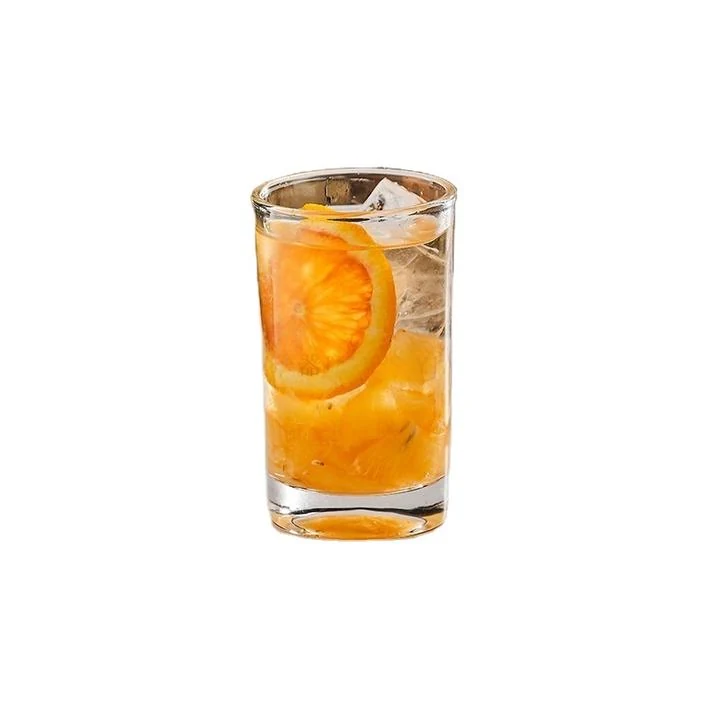
Glass drinkware is often considered healthier due to its non-toxic nature, non-reactivity with food and beverages, and ease of cleaning. Glass does not leach chemicals or alter the taste of your drink, making it a safe choice for daily use.
When you drink from a glass, you're using a material that does not interact with your beverages. This is important when it comes to preserving the purity of your drinks. Additionally, glass is very easy to clean and doesn’t absorb odors or stains, which can be a concern with other materials.
Health Benefits of Glass Drinkware
| Benefit | Explanation | Example of Glass Drinkware Use |
|---|---|---|
| Non-toxic | Glass is made from natural materials and does not leach chemicals. | Water glass, wine glass |
| Non-reactive | Does not interact with beverages, ensuring they taste as intended. | Juice glass, coffee glass |
| Easy to clean | Can be easily washed without retaining odors or stains. | Glass cups, drinking tumblers |
| Long-lasting | Glass does not degrade over time and does not pose health risks. | Reusable water bottles |
Why Glass is a Healthier Choice
- Non-toxic and Non-reactive: Glass is made from silica, soda, and lime, and doesn’t contain harmful chemicals like BPA, lead, or phthalates that may be found in plastics or some ceramics.
- Purity: Glass won’t alter the taste of your drinks, ensuring you get the full flavor of your beverages without any unwanted aftertaste.
- Easy to Clean: Glass can be thoroughly washed without retaining residues or odors, preventing any bacterial growth or contamination.
This makes glass an excellent option for anyone concerned about the potential health impacts of their drinkware.
How does ceramic compare with glass for daily use?
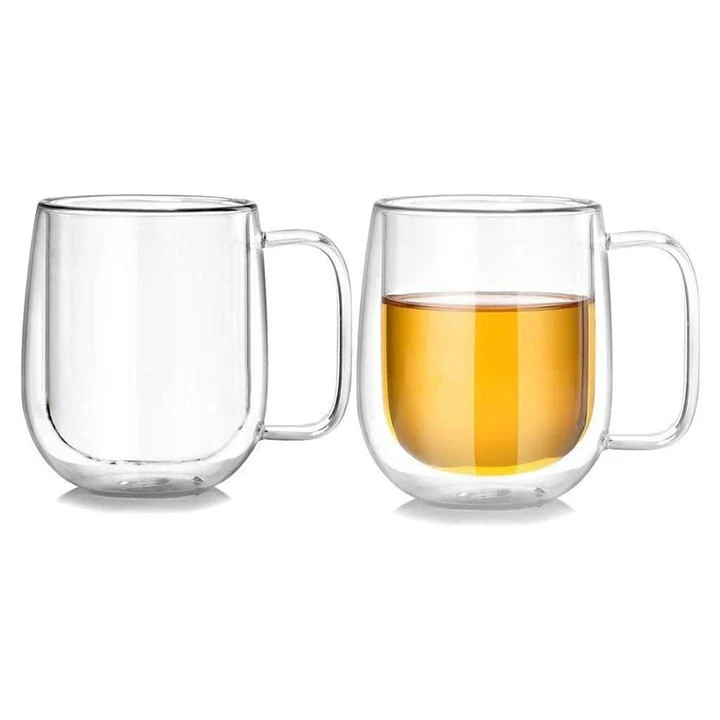
Ceramic containers have their own advantages, such as insulation properties and aesthetic appeal, but they are not without their concerns. When compared to glass, ceramic drinkware might pose potential health risks depending on the materials used in its production.
Ceramic is known for its ability to retain heat, making it an ideal material for mugs and cups used for hot beverages. However, ceramic drinkware can vary in quality, and not all ceramics are created equally. While many ceramic mugs are safe, some can contain lead or other harmful chemicals, especially if not properly glazed.
Pros and Cons of Ceramic Drinkware
| Benefit | Explanation | Example of Ceramic Drinkware Use |
|---|---|---|
| Insulation properties | Keeps hot drinks warm for longer periods. | Ceramic mugs, teacups |
| Aesthetic appeal | Ceramic drinkware often comes in artistic and varied designs. | Hand-painted mugs, decorative cups |
| Durability | Ceramic is durable and can last a long time with proper care. | Coffee mugs, ceramic pitchers |
| Porosity risk | Poorly glazed ceramics may absorb liquids and odors. | Unfinished ceramic mugs |
Why Ceramic Can Be a Good Option
- Insulation: Ceramic does a better job of retaining heat, which makes it ideal for drinks like coffee and tea. If you enjoy sipping your hot beverage slowly, a ceramic mug may keep it warm longer than a glass cup.
- Durability: Ceramic drinkware is generally sturdy and can last for years. Properly maintained, ceramic mugs and cups retain their beauty and functionality over time.
- Aesthetic Appeal: Ceramic offers a wide variety of designs, from hand-painted mugs to custom-made cups, providing a more personal touch to your drinkware.
However, ceramic drinkware may have health concerns if not properly produced.
Why do experts often recommend glass containers?
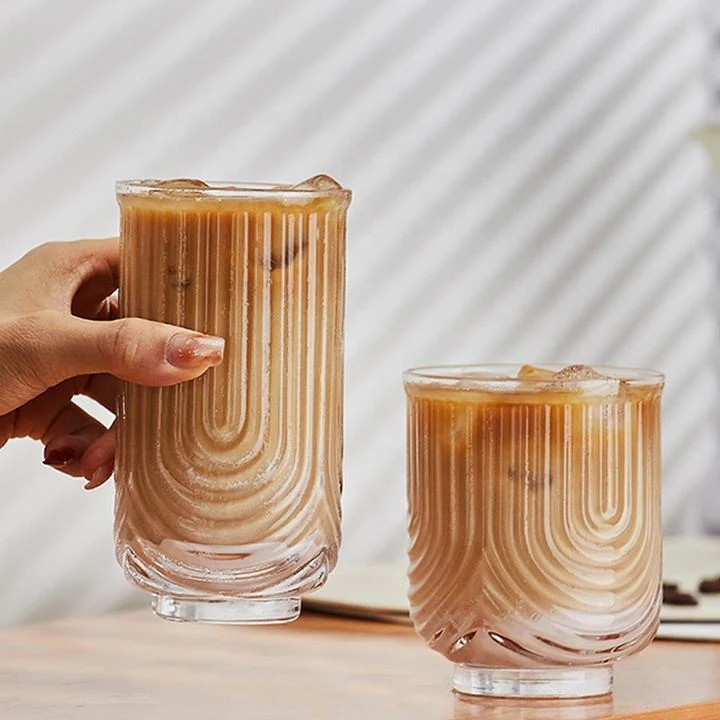
Experts often recommend glass containers over ceramic or plastic because glass is non-reactive, does not leach chemicals, and does not impact the taste of food or beverages. Glass containers are also easier to clean, making them a healthier choice for both drinkware and food storage.
Many health experts prefer glass containers for food and beverages because of their purity. Unlike some plastics or ceramics, glass doesn’t interact with its contents, ensuring that nothing harmful leaches into your food or drink. This is especially important for those concerned about chemical exposure from materials like BPA or lead.
Why Experts Recommend Glass Containers
| Reason | Explanation | Example Uses |
|---|---|---|
| Non-reactive | Glass does not interact with food or beverages. | Food storage, beverage containers |
| Healthier alternative | Glass does not leach chemicals, unlike plastic. | Water bottles, food jars |
| Easy to clean | Glass does not absorb odors or stains, making it more hygienic. | Jars, water containers, baby bottles |
| Eco-friendly | Glass is 100% recyclable and does not degrade. | Reusable containers |
Health Considerations with Glass
- Non-reactivity: Glass containers do not alter the chemical composition of food or drinks, ensuring that nothing toxic is introduced into your diet.
- BPA-Free: Unlike plastic containers, glass does not contain BPA, a chemical that can disrupt hormones and impact health.
- Recyclability: Glass is 100% recyclable, making it an eco-friendly option. Choosing glass helps reduce waste and conserves resources.
These factors make glass an ideal choice for both health-conscious individuals and environmentally aware consumers.
When should you choose ceramic instead of glass?
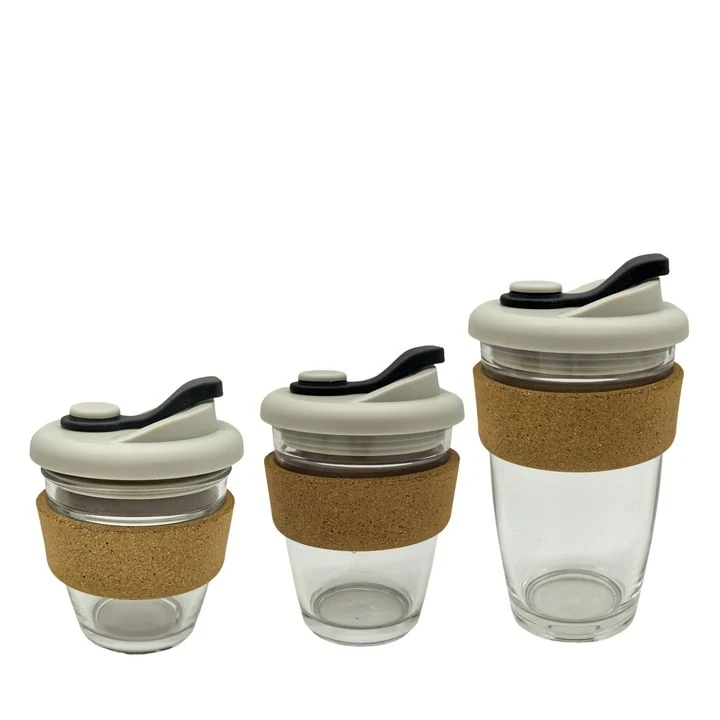
While glass has many health benefits, there are times when ceramic might be the better choice. Ceramic drinkware is great for insulation, aesthetics, and durability. If you are looking for a material that keeps your drink hot longer or prefer the aesthetic of handmade pottery, ceramic could be the ideal choice.
In some situations, ceramic may be the better option. If insulation and heat retention are your priorities, ceramic mugs are perfect for holding hot drinks like coffee and tea. Ceramic also offers a unique, handmade touch that can add to the overall experience of drinking a hot beverage.
When to Choose Ceramic
| Scenario | Reason to Choose Ceramic | Example of Ceramic Use |
|---|---|---|
| For Hot Beverages | Ceramic helps retain heat longer than glass. | Hot coffee, tea mugs |
| For Aesthetic Appeal | Ceramic can be hand-painted and more visually appealing. | Decorative mugs, tea cups |
| For Personal Use | Ceramic offers unique, customized designs. | Personalized mugs, custom cups |
Ceramic for Special Occasions
- Heat Retention: If you like to sip your coffee or tea slowly, ceramic mugs are a better option because they keep the drink warm longer than glass. The thicker material insulates the heat better.
- Aesthetic Value: Ceramic drinkware is available in various styles and designs, including hand-painted and artisanal pieces that make for a beautiful and personalized experience.
However, it's essential to choose ceramic drinkware that is properly glazed to avoid issues with toxins or unclean surfaces.
Conclusion
In conclusion, glass is often considered the healthier choice for drinkware due to its non-reactivity, ease of cleaning, and ability to maintain the purity of your beverages. Ceramic can be an excellent option for hot drinks because of its insulation properties and aesthetic appeal, but it's important to choose well-glazed ceramics to avoid potential health risks. Both materials have their benefits, and the best choice depends on your specific needs—whether it's heat retention, non-toxicity, or personal preference.