Part 1: Market Size and Growth
The glass packaging market in Tajikistan is entering a vital phase of development as the nation seeks to modernize its food and beverage sectors. While the country has historically relied on imports from neighboring regional giants, there is a growing push to establish a more robust domestic supply chain. The rise in local mineral water production and the expansion of the juice industry are the primary engines of this growth. Tajikistan’s unique geographical position in Central Asia makes the durability and safety of glass an essential factor for long-distance inland transport.
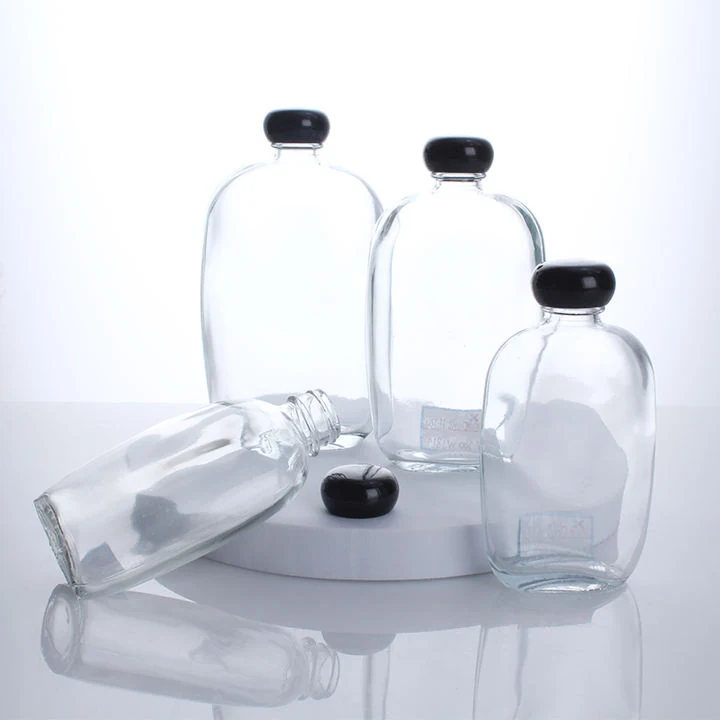
The market size for glass containers is currently dominated by the demand for preserving jars and beverage bottles used in the agricultural sector. As Tajikistan increases its exports of dried fruits, honey, and organic oils, the need for premium glass packaging that meets international standards has skyrocketed. Glass remains the preferred material for high-end exports because it preserves the purity and flavor of Tajik products. The shift toward sustainable packaging is also gaining momentum as urban centers like Dushanbe adopt more modern retail habits.
Strategic government initiatives under the "National Development Strategy" are focused on attracting foreign investment to the manufacturing sector. Recent trade agreements within the region are helping to lower the costs of raw materials and energy, which are critical for the energy-intensive glass-making process. New industrial zones are being equipped with better infrastructure to support the large-scale production of glass containers. These policy shifts are designed to reduce the country’s trade deficit by replacing expensive imported packaging with locally produced alternatives.
Deep Dive into Tajikistan's Packaging Evolution
The transformation of Tajikistan's packaging landscape is closely tied to its goal of becoming a regional hub for agro-industrial processing. By moving away from plastic and toward recyclable glass, the country is aligning itself with global environmental trends that appeal to international buyers. This is particularly important for the nation's burgeoning wine and spirit industry, which requires specialized glass designs to compete on the global stage. The transition to local manufacturing is not just a logistical necessity but a strategic move to add value to Tajikistan's natural resources.
| Feature | Market Requirement | Impact on Local Industry |
|---|---|---|
| Durability | High thermal shock resistance | Essential for hot-fill juice processing |
| Transparency | Ultra-clear flint glass | Enhances visual appeal of premium exports |
| Sustainability | 100% recyclability | Reduces long-term waste in mountain regions |
| Customization | Embossed branding | Drives brand recognition in Central Asian markets |
Furthermore, the integration of advanced logistics networks is allowing Tajik manufacturers to source high-quality molds and raw materials more efficiently than ever before. This connectivity is fostering a new generation of local packaging experts who understand both the technical and aesthetic requirements of the global market. Access to modern glass-forming technology is helping small-scale Tajik producers scale up their operations for international trade. As the domestic market matures, the focus is shifting toward specialized glass types, such as amber glass for pharmaceuticals and lightweight containers for the carbonated drink sector.
Part 2: Leading Companies
The glass supply landscape in Tajikistan is supported by a mix of regional distributors, international manufacturers with local footprints, and specialized packaging agencies.
Siyoma Water & Beverage (Packaging Division)
Siyoma is a flagship brand in Tajikistan’s beverage industry, known for its high-tech bottling plant located in the Varzob district. While they are a major water producer, their advanced glass bottling lines represent the pinnacle of packaging technology in the country. They have invested heavily in European machinery to produce premium glass-bottled water for both domestic and export markets. Their facility serves as a benchmark for high-volume glass packaging excellence in the region.
The company specializes in producing sleek, high-transparency glass bottles that emphasize the purity of Tajik mountain water. They use sophisticated filling and capping systems that ensure the highest levels of hygiene and product safety. Their glass product line includes various sizes designed for the hospitality and high-end retail sectors. By maintaining a closed-loop system for glass handling, they minimize breakage and maximize operational efficiency.
Siyoma primarily serves the premium retail market, luxury hotels, and international airlines operating within Central Asia. Their distribution network is designed to handle fragile glass products across challenging mountainous terrain. They have successfully positioned "Made in Tajikistan" as a mark of quality in the regional beverage market. Their work has been instrumental in raising the standard for glass packaging aesthetics in the country.
Technologically, they utilize automated inspection systems that check every bottle for structural integrity before it reaches the consumer. They are also pioneers in the use of lightweight glass to reduce the carbon footprint of their export logistics. This focus on modern manufacturing helps them stay competitive against imported brands from Europe and Russia. Innovation and quality control are the core values that drive their production success.
The company holds several international certifications, including ISO 22000 for food safety and multiple quality awards from regional trade bodies. These honors reflect their commitment to maintaining world-class standards in a developing market. They are frequently recognized by the Tajik government as a leader in industrial modernization. Stability and technological leadership make them a cornerstone of the local glass industry.
KMC Glass (Regional Distribution Network)
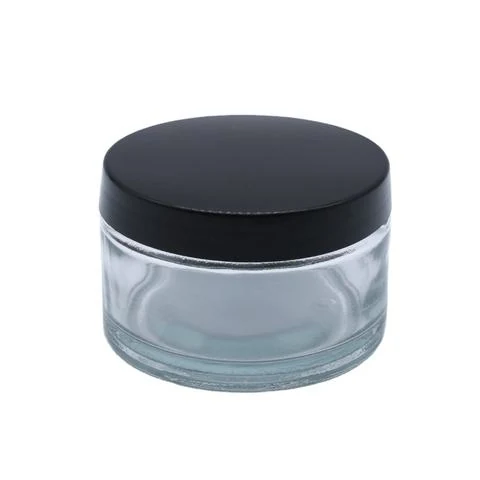
KMC Glass is a vital regional distributor that supplies a wide variety of glass containers to the Tajik market from its production partners. They specialize in bridging the gap between large-scale international glass factories and the specific needs of local Tajik producers. With a deep understanding of the Transcaucasian and Central Asian logistics, they provide a reliable supply of jars and bottles. They are a key partner for many Tajik food processors who require specialized preserving jars.
Their product range is exceptionally broad, covering everything from standard wine bottles to complex pharmaceutical vials. They provide high-quality flint and amber glass that meets the strict requirements of the healthcare and food industries. This variety allows Tajik entrepreneurs to find the exact packaging solution they need without having to manage complex international imports themselves. They offer flexible ordering options that are essential for the country’s growing SME sector.
The company serves a diverse range of industries in Tajikistan, including the wine, spirit, and traditional preserve sectors. They help local honey and oil producers select the right glass thickness to ensure product safety during long-haul transit to Europe or China. By maintaining strategic inventory levels, they help their clients avoid the delays common in landlocked trade routes. Their expertise in regional customs and trade regulations is a major asset for their Tajik customers.
Innovation for KMC comes through their advanced logistics and warehousing systems that track every shipment in real-time. They offer technical consultancy on glass chemistry and design to help local brands improve their product shelf-life. This support is crucial for companies looking to move into high-value export markets. Their commitment to customer service and supply chain reliability has earned them a strong reputation in Dushanbe.
The distributor is known for its high ethical standards and its ability to source eco-friendly glass options for modern brands. They work closely with manufacturing partners to ensure all products are free of heavy metals and meet global safety codes. Their long-term partnerships with Tajik businesses are a testament to their reliability and market expertise. Consistency and regional connectivity are the hallmarks of their service.
PGP Glass (Regional Partner)
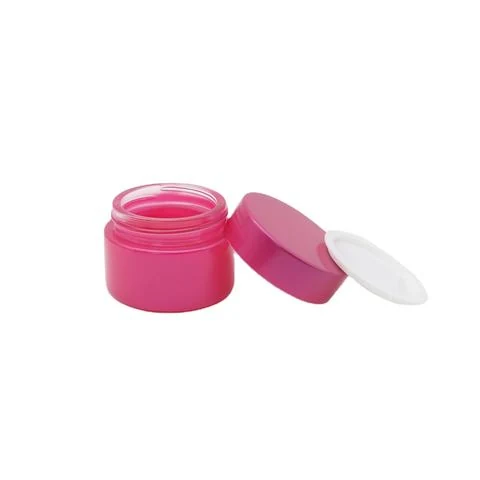
PGP Glass is a global leader in glass packaging that serves the Tajik market through specialized regional partnerships and distribution hubs. They provide high-end, customized glass solutions for the cosmetics, perfume, and specialty spirit industries. Their background in sophisticated glass engineering allows them to offer designs that are otherwise unavailable in the local market. They bring world-class glass design and digital innovation to the Tajik packaging sector.
The services they facilitate include the creation of unique bottle shapes and advanced decoration techniques like frosting and silk-screening. This is particularly valuable for Tajik cosmetic brands and luxury spirit producers looking to create a premium identity. They use state-of-the-art AI for demand forecasting and quality control, ensuring a smooth supply even in complex markets. Their focus is on helping brands tell a story through the physical design of their glass packaging.
They serve the high-end segments of the beauty, wellness, and beverage industries in Tajikistan. By providing access to global trends and high-performance glass, they help local firms elevate their product presentation. Their network ensures that even premium, specialized glass can be delivered efficiently to the Central Asian region. They are the preferred choice for companies that view their packaging as a core part of their brand value.
In terms of innovation, they lead the way in sustainable "green glass" production and the use of digital tools for rapid prototyping. They help clients visualize their products in 3D before a single bottle is manufactured, which saves time and resources. This level of technical sophistication is helping to modernize the way Tajik businesses approach product development. Their dedication to digital transformation makes them a forward-thinking partner for the local industry.
The company is globally recognized with numerous awards for design and sustainability, including accolades from The Economic Times and various packaging forums. Their certifications for environmental and quality management are among the highest in the world. Their presence in the Tajik market provides local businesses with a gateway to international excellence. Quality, creativity, and digital precision are the pillars of their global and regional success.
| Company | Founded | Core Products | Industries | Certifications |
|---|---|---|---|---|
| Siyoma Packaging | 2019 | Premium Water Bottles | Beverage, Tourism | ISO 22000, HACCP |
| KMC Glass | 2013 | Preserve Jars, Vials | Food, Pharma | Regional Trade Certs |
| PGP Glass | 1984 | Cosmetic/Spirit Glass | Luxury, Beauty | ISO 14001, US-FDA |
Part 3: Trade Shows and Industry Events
Trade shows are a critical component of Tajikistan’s industrial strategy, allowing local manufacturers to connect with international technology providers. These events provide a platform for showcasing local talent and discovering the latest global trends in glass manufacturing and sustainable packaging. Because Tajikistan is a developing market, these gatherings are essential for building the professional networks needed for growth. Active participation in international expos helps Tajik firms stay updated on global quality standards.
The "International Universal Exhibition-Fair: Tajikistan" is the most significant annual event in Dushanbe, drawing hundreds of participants from across Eurasia. It features a wide range of industrial equipment, including the latest glass-forming and bottling machinery. Local companies use this stage to showcase their new glass-packaged products to international trade delegations. The fair is a major catalyst for regional trade and investment in the manufacturing sector.
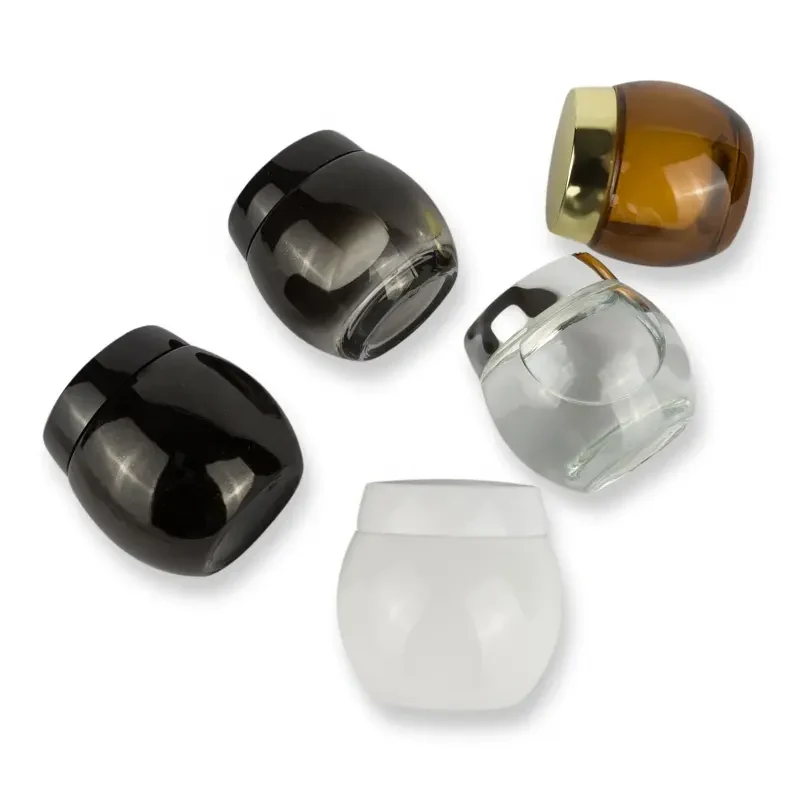
Another vital event is the "Tajikistan Food & Beverage Expo," which focuses on the entire lifecycle of food production, from raw materials to final packaging. Here, glass manufacturers and distributors demonstrate how modern container designs can improve product shelf-life and export potential. The highlights include specialized workshops on food safety certifications and the transition to eco-friendly packaging materials. This event is instrumental in bridging the gap between local producers and global packaging technology.
| Event | Date | Location | Highlights |
|---|---|---|---|
| Tajikistan-2026 Fair | October 2026 | Dushanbe | Multi-sector trade, machinery |
| Food & Beverage Expo | Annual | Manezh Complex | Bottling tech, export standards |
Part 4: Impact of Global Trade Policies
Global trade policies and Tajikistan’s membership in international organizations like the WTO have a profound impact on the glass industry. These policies are designed to reduce barriers to trade, making it easier for local companies to import the high-tech machinery needed for glass production. However, the country’s landlocked status means that maritime trade policies in neighboring transit nations can affect the cost of raw materials. Strategic regional cooperation is essential for maintaining a stable and affordable glass supply chain.
The push for local substitution is a key government priority to protect the economy from global supply chain shocks. By encouraging the development of local glass manufacturing and recycling hubs, the government aims to create a more resilient industrial base. This policy not only creates jobs but also ensures that local food and beverage producers have a reliable source of packaging regardless of international tensions. Building local capacity is seen as a matter of national economic security and sustainability.
International competition from larger regional economies like Uzbekistan and Kazakhstan drives Tajik companies to innovate and improve their quality. While this competition is intense, it also provides opportunities for Tajik firms to specialize in high-value niche markets, such as organic food packaging. By meeting international standards for glass quality and safety, Tajik manufacturers can successfully export their products to the wider Silk Road region. Global competition acts as a powerful motivator for local industrial excellence and modernization.
Part 5: Conclusion
The glass bottle industry in Tajikistan is on a clear path toward modernization and increased local production. There are significant opportunities for businesses that can provide high-quality, sustainable, and aesthetically pleasing packaging solutions. As the nation’s export sectors for honey, oils, and beverages continue to grow, the demand for premium glass will remain a central part of the economy. Investing in advanced glass technology today will define the success of Tajik brands in the global marketplace of tomorrow.
However, the industry must still navigate challenges related to logistics, energy costs, and the need for specialized technical training. Success in this market requires a long-term vision and a commitment to building strong regional and international partnerships. By focusing on efficiency and sustainability, the Tajik glass sector can become a key pillar of the country’s industrial future. The clarity and resilience of glass represent the bright future of Tajikistan's manufacturing ambitions.