Skip to content
Part 1: Market Size and Growth
Saudi Arabia has become one of the most important industrial hubs in the Middle East. The country has invested heavily in manufacturing as part of its long-term economic transformation plan. Packaging materials such as glass bottles play a key role in this strategy. Glass packaging supports industries like beverages, food processing, pharmaceuticals, and cosmetics, which are all growing rapidly in the region.
The demand for glass bottles in Saudi Arabia continues to expand. Local beverage companies, dairy brands, and food producers all require reliable packaging. Glass is often preferred because it protects flavor, preserves product quality, and supports recycling initiatives. Many manufacturers and brand owners see glass packaging as a sustainable alternative to plastic.
Government policies also encourage domestic manufacturing. Saudi Arabia promotes local production through industrial zones and financial incentives. Investment programs attract both international companies and regional investors. These policies help create strong supply chains and encourage the development of modern glass manufacturing facilities.
Industrial Development and Vision 2030
Saudi Arabia’s Vision 2030 strategy aims to diversify the economy beyond oil. Manufacturing, logistics, and advanced materials industries receive strong government support. Glass production fits well within this strategy because it supports many consumer and industrial sectors.
New industrial cities and economic zones have been developed to host manufacturing plants. These zones provide infrastructure, energy access, and export logistics. Many packaging manufacturers choose these areas to build production facilities.
Glass bottle manufacturers benefit from these policies because they serve multiple industries. Beverage companies, food producers, and pharmaceutical firms all rely on glass containers. This creates a stable demand for locally produced bottles.
Application Fields for Glass Bottles
The beverage industry represents the largest market for glass bottles in Saudi Arabia. Carbonated drinks, juices, dairy beverages, and specialty drinks use glass packaging for premium products. Glass bottles help maintain flavor and provide a high-quality image for brands.
Food products also use glass packaging extensively. Sauces, honey, pickles, and cooking oils are commonly packed in glass containers. Glass prevents chemical reactions with food products and preserves taste.
The pharmaceutical sector is another important market. Medical bottles, laboratory containers, and pharmaceutical vials require strict quality standards. Many manufacturers produce specialized glass for these applications.
Cosmetics and fragrance products also contribute to demand. Middle Eastern markets value premium packaging, especially for perfumes and beauty products. Glass bottles allow brands to create elegant and distinctive designs.
Sustainability and Recycling
Environmental awareness has increased across the Middle East in recent years. Governments and companies now focus more on sustainable packaging solutions. Glass bottles offer an advantage because they can be recycled repeatedly without losing quality.
Saudi Arabia has started expanding its recycling infrastructure. Collection systems and recycling plants are gradually improving. These systems help support the circular economy and reduce waste.
Manufacturers also invest in energy-efficient furnaces and lightweight glass technology. Lightweight bottles use less raw material and require less energy to produce. This helps reduce environmental impact and transportation costs.
Many global beverage brands operating in Saudi Arabia prefer suppliers that meet sustainability goals. This trend encourages local manufacturers to adopt modern production technologies.
Part 2: Leading Companies
Saudi Arabian Glass Company (SAGCO)

Saudi Arabian Glass Company is one of the most well-known glass container manufacturers in Saudi Arabia. The company was established in 1977 and is headquartered in Riyadh. Over the decades, it has become a major supplier of glass packaging for food, beverage, and pharmaceutical industries in the region.
The company produces a wide range of glass containers. These include beverage bottles, food jars, pharmaceutical containers, and specialty packaging products. Its production lines support both standard bottles and customized designs for brand owners.
Many regional beverage companies rely on SAGCO for reliable supply. The company works with dairy producers, juice brands, and food manufacturers across the Middle East. Its strong distribution network allows it to serve both domestic and export markets.
Technology development is an important part of SAGCO’s strategy. The company invests in modern furnace systems and automated production lines. These improvements help maintain consistent quality and increase production efficiency.
SAGCO also focuses on sustainability and environmental management. Recycled glass materials are increasingly used in production. The company follows international quality standards and has obtained several industrial certifications related to environmental and quality management.
Saudi International Glass Company (SIGCO)
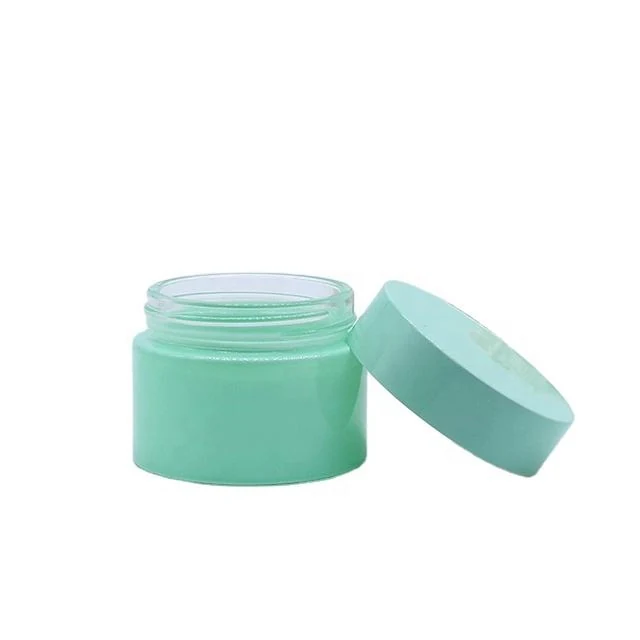
Saudi International Glass Company is another major manufacturer in the region. The company operates modern facilities that produce glass containers for beverage and food packaging. It has built a strong reputation for reliable production and quality control.
The company focuses mainly on beverage bottles and food jars. Its production lines support high-volume manufacturing for regional food brands and beverage producers. Many companies in the Gulf Cooperation Council countries rely on SIGCO for consistent supply.
SIGCO emphasizes advanced production technology. Automated inspection systems help detect defects and maintain product consistency. These technologies improve efficiency and reduce production waste.
Customer collaboration is also an important part of the company’s business model. SIGCO works closely with brand owners to develop customized packaging designs. This includes unique bottle shapes, embossing, and specialized finishes.
The company has adopted international quality standards to support export markets. Its certifications help build trust with multinational food and beverage companies operating in the region.
Obeikan Glass Company
Obeikan Glass Company is part of the larger Obeikan industrial group. The company focuses on high-quality glass packaging for food and beverage industries. Its facilities are designed to support large-scale manufacturing and regional distribution.
The company produces a wide variety of containers. These include beverage bottles, food jars, and specialty packaging products. Many regional food producers choose Obeikan Glass because of its strong production capacity and stable delivery schedules.
Obeikan Glass places strong emphasis on research and development. Engineers continuously work to improve glass strength and reduce bottle weight. Lightweight designs help reduce raw material consumption and transportation costs.
The company also promotes sustainable production practices. Energy efficiency and recycled glass use are key priorities in its operations. These practices help align with regional environmental goals and global sustainability standards.
Obeikan Glass has received recognition within the packaging industry for its quality and reliability. Its certifications and industry partnerships support its reputation as a trusted supplier in the Middle East.
| Company | Founded | Core Products | Industries | Certifications |
|---|---|---|---|---|
| Saudi Arabian Glass Company | 1977 | Beverage bottles, food jars, pharma containers | Food, beverage, pharmaceutical | ISO quality and environmental standards |
| Saudi International Glass Company | 1990s | Beverage bottles, glass jars | Food and beverage | International quality certifications |
| Obeikan Glass Company | 2000s | Beverage bottles, specialty containers | Food, beverage, packaging | Industry quality and sustainability certifications |
Part 3: Trade Shows and Industry Events
Saudi Food Manufacturing Exhibition
The Saudi Food Manufacturing Exhibition is one of the most important industrial events in the country. The event focuses on food production technologies, packaging solutions, and supply chain innovations. Glass packaging companies often participate to showcase new bottle designs and manufacturing technologies.
The exhibition takes place in Riyadh and attracts visitors from across the Middle East. Food producers, packaging suppliers, and equipment manufacturers attend the event. Many companies use the exhibition to build partnerships with regional buyers.
Glass bottle manufacturers present new packaging solutions for sauces, beverages, and specialty foods. Sustainable packaging and lightweight bottle technology are often major discussion topics.
Gulf Print & Pack Exhibition
Gulf Print & Pack is another important industry event for packaging technologies in the Middle East. The exhibition gathers packaging manufacturers, printing companies, and packaging designers. Glass packaging solutions are frequently showcased alongside other packaging materials.
The event attracts participants from across the Gulf region and international markets. Visitors include brand owners, distributors, and packaging professionals. Companies attend the exhibition to explore new packaging technologies and design trends.
Glass bottle manufacturers often highlight custom bottle shapes and decorative techniques during the show. Packaging innovation and sustainability remain major themes of the exhibition.
| Event | Date | Location | Highlights |
|---|---|---|---|
| Saudi Food Manufacturing | Annual | Riyadh, Saudi Arabia | Food production and packaging technologies |
| Gulf Print & Pack | Annual | Dubai, UAE | Packaging innovation and design trends |
Part 4: Impact of Global Trade Policies
Global trade policies influence the glass bottle industry in Saudi Arabia in several ways. Import tariffs, logistics costs, and regional trade agreements all affect packaging supply chains. Glass containers are heavy products, so transportation cost plays a major role in sourcing decisions.
Regional trade partnerships within the Gulf Cooperation Council help reduce barriers between neighboring markets. Manufacturers in Saudi Arabia can supply bottles to nearby countries with relatively low tariffs. This regional market supports steady demand for glass packaging.
At the same time, international competition remains strong. Manufacturers from Europe and Asia export glass bottles to the Middle East. These suppliers sometimes compete on price, design capability, or specialized packaging solutions.
Energy costs also affect glass production because furnaces require high temperatures. Changes in global energy markets can influence manufacturing costs. Companies must improve efficiency and adopt modern technologies to stay competitive.
Local manufacturing remains strategically important for supply chain stability. Many food and beverage companies prefer nearby suppliers to reduce transportation risk. This trend supports continued investment in domestic glass manufacturing.
Part 5: Conclusion
Saudi Arabia’s glass bottle industry continues to grow alongside the country’s broader manufacturing sector. Beverage, food, and pharmaceutical industries all require reliable packaging solutions. Government policies, industrial investment, and regional demand create strong opportunities for glass manufacturers.
However, the industry also faces challenges. Energy costs, global competition, and sustainability expectations require continuous innovation. Manufacturers that invest in technology, recycling systems, and efficient production will remain competitive in the evolving packaging market.