Skip to content
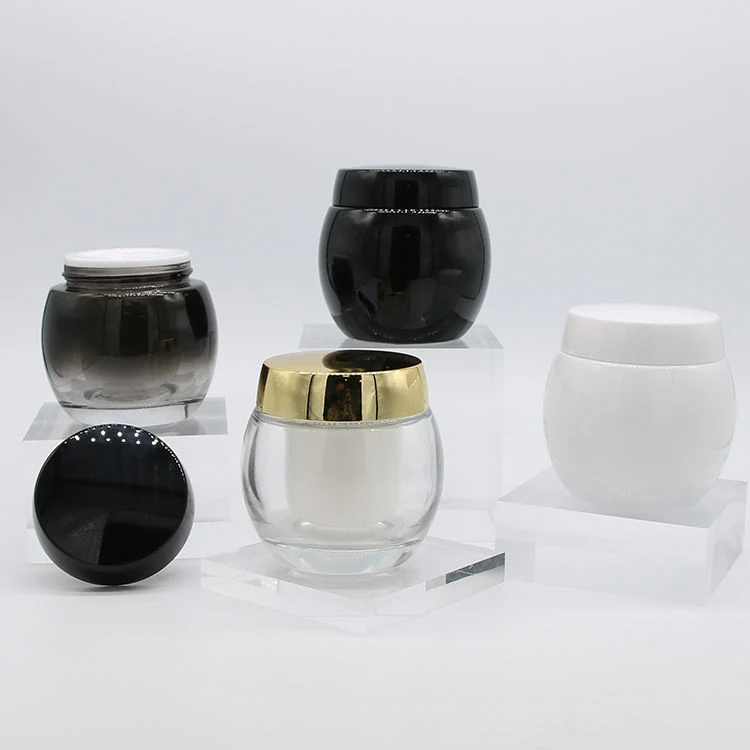
Part 1: Market Size and Growth
The glass bottle industry in Korea has grown with the country’s strong food, beverage, and cosmetics sectors. Many local brands use glass packaging to show quality and safety. Glass remains a trusted material because it is recyclable, stable, and premium in appearance. This makes it popular for liquor, skincare, and specialty drinks.
The Korean market has also seen rising demand from craft beverages and export brands. Korean soju, premium spirits, and functional drinks often use custom glass bottles to stand out on shelves.
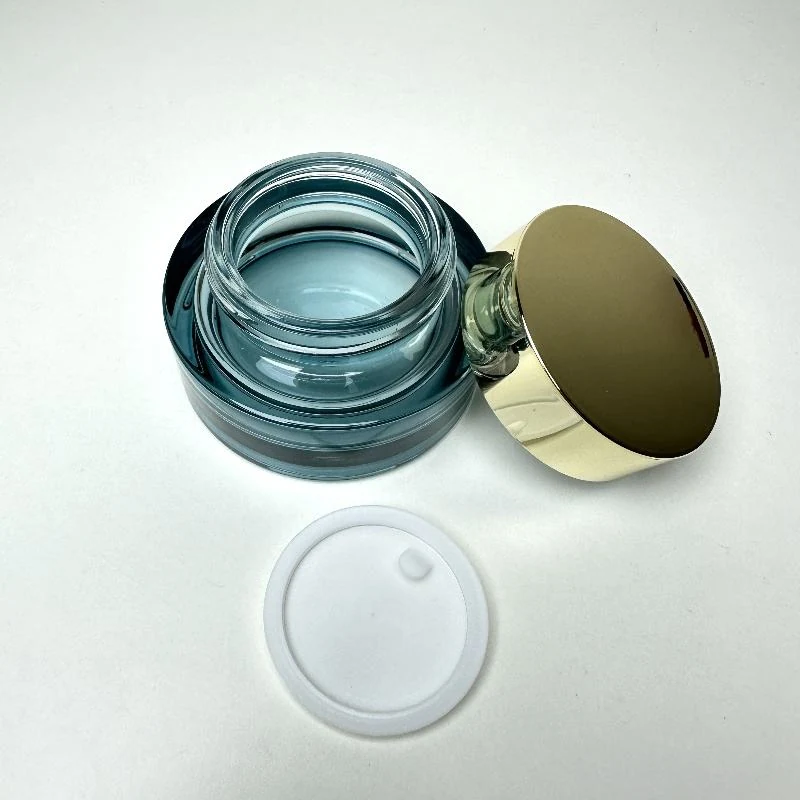
Industry Demand and Key Applications
The demand for glass bottles in Korea comes from several main sectors. Alcoholic beverages remain the largest user. Soju, beer, and whiskey brands depend on durable and reusable glass bottles. At the same time, the beauty industry uses high-clarity bottles for perfumes, serums, and skincare products.
Another growing segment is specialty food packaging. Premium sauces, fermented foods, and health drinks often use glass containers. Glass protects flavor and prevents chemical reactions. Many Korean brands also prefer glass for export products because it matches international packaging standards.
| Application Sector | Typical Products | Packaging Needs |
|---|---|---|
| Alcoholic Beverages | Soju, beer, whiskey | Durable, reusable bottles |
| Cosmetics | Serum, perfume, lotion | High clarity and precise design |
| Food & Sauces | Fermented sauces, oils | Chemical stability |
| Health Drinks | Herbal drinks, tonics | Airtight sealing |
Investment and Industrial Clusters
Korea’s glass manufacturing sector benefits from strong industrial infrastructure. Most factories are located near major logistics hubs and port cities. This makes export easier for companies that ship bottles to Asia, Europe, and North America.
Government policy also supports advanced manufacturing and recycling systems. Korean factories often invest in automated production lines and energy-efficient furnaces. These upgrades help manufacturers reduce energy use while improving product consistency.
In addition, partnerships between packaging firms and beverage brands encourage innovation. Custom bottle shapes, embossing, and lightweight designs have become more common. These changes help brands create a strong identity in competitive retail markets.
Part 2: Leading Companies
Kumbi Corporation
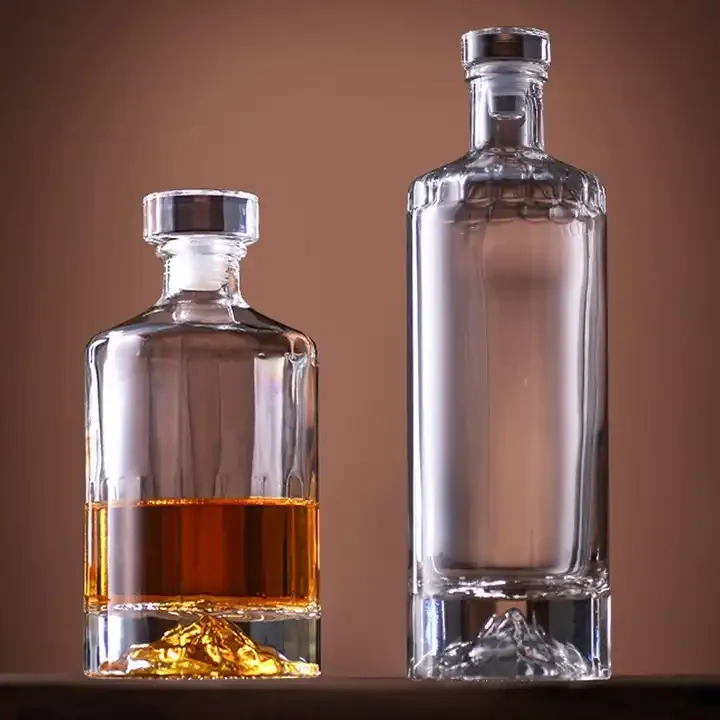
Kumbi Corporation is one of the well-known glass bottle manufacturers in Korea. The company was founded in Seoul and later expanded production to large industrial zones. It focuses on glass packaging for beverages, pharmaceuticals, and cosmetics.
The company produces a wide range of bottles and containers. These include liquor bottles, cosmetic jars, and specialty packaging. Its manufacturing lines support both standard molds and customized designs. This flexibility allows beverage and beauty brands to develop unique packaging.
Kumbi serves industries such as alcohol production, cosmetics manufacturing, and food packaging. Many Korean beverage companies rely on its bottles for mass production. At the same time, cosmetic brands value its high-clarity glass and precision molding.
The company invests heavily in automation and quality control systems. Modern furnaces and inspection machines help ensure uniform bottle thickness and durability. Kumbi has also received several quality certifications related to manufacturing standards and packaging safety.
Samhwa Glass Co., Ltd.
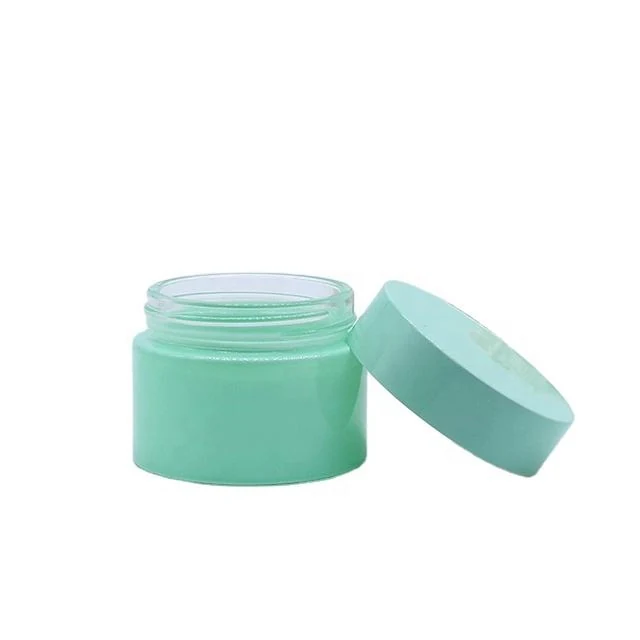
Samhwa Glass Co., Ltd. is another major manufacturer in Korea’s glass container industry. The company has a long history and strong reputation in beverage packaging. It is widely known for producing bottles used in the Korean liquor market.
The company manufactures bottles for soju, beer, and other alcoholic drinks. It also produces containers for food and pharmaceutical use. Its large production facilities allow high-volume output, which suits the needs of large beverage brands.
Samhwa works closely with beverage companies to develop lightweight and recyclable bottles. These designs reduce material usage while keeping durability. This approach helps beverage companies lower transportation costs and improve sustainability.
The company’s technology focus includes automated inspection systems and improved furnace efficiency. These systems help reduce defects and increase production stability. Samhwa has earned multiple industry certifications for quality management and environmental responsibility.
Doosan Glass
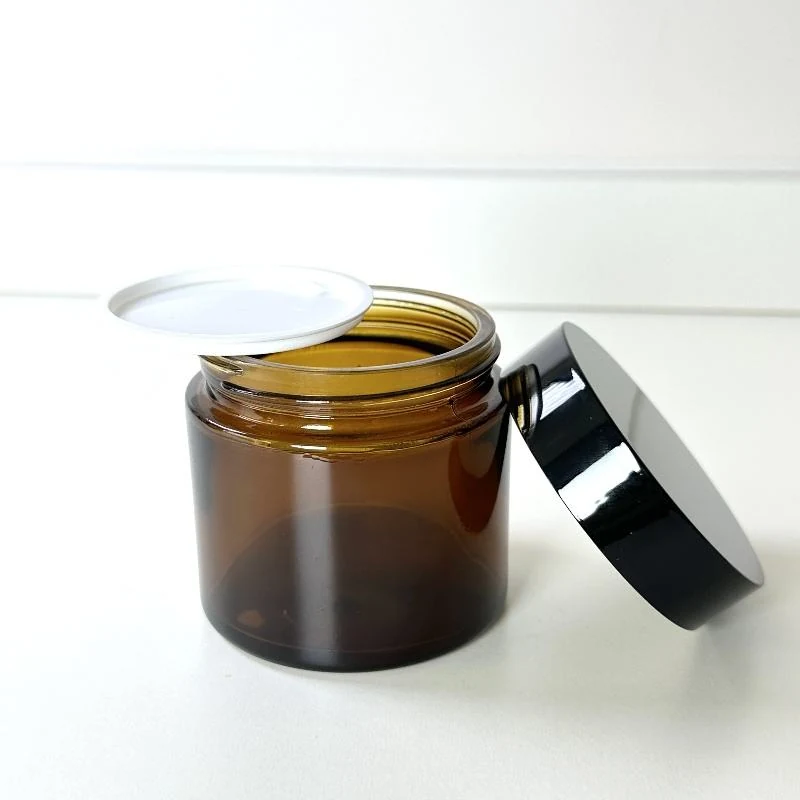
Doosan Glass operates as part of a larger industrial group with a strong engineering background. The company produces glass containers for beverages and industrial uses. Its manufacturing plants are equipped with modern glass forming technology.
The company’s product line includes beverage bottles, specialty containers, and industrial glass packaging. Many beverage producers choose its bottles because of consistent quality and reliable supply capacity.
Doosan Glass mainly serves industries such as food processing, alcoholic beverages, and consumer goods. These sectors require large volumes of standardized bottles. The company’s logistics system supports nationwide distribution across Korea.
| Innovation is an important focus for Doosan Glass. Engineers continue to explore lighter bottle designs and improved recycling processes. These efforts help reduce environmental impact and support sustainable packaging development. | Company | Founded | Core Products | Industries | Certifications |
|---|---|---|---|---|---|
| Kumbi Corporation | 1950s | Beverage bottles, cosmetic jars | Alcohol, cosmetics, food | ISO quality standards | |
| Samhwa Glass | 1960s | Liquor bottles, food containers | Beverage, food, pharma | Environmental and quality certifications | |
| Doosan Glass | 1970s | Beverage and industrial bottles | Food, beverage, consumer goods | Manufacturing quality standards |
Part 3: Trade Shows and Industry Events
Korea Pack
Korea Pack is one of the most influential packaging exhibitions in Asia. The event brings together manufacturers of packaging machinery, materials, and containers. Many glass bottle producers participate to showcase new designs and production technologies.
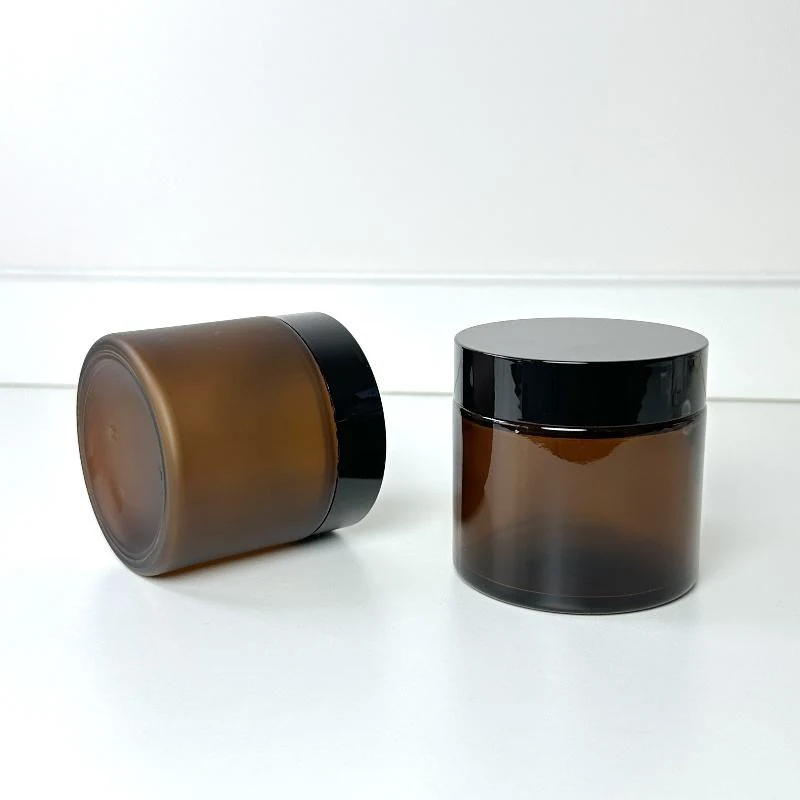
The exhibition is usually held every two years in Goyang, South Korea. It attracts thousands of visitors including packaging buyers, brand owners, and distributors. International companies also attend to explore the Korean packaging market.
The event highlights automation technology, smart packaging, and sustainable materials. Glass container manufacturers often present lightweight bottles and decorative finishes. These innovations help beverage and cosmetic brands create distinctive packaging.
Seoul Food & Hotel
Seoul Food & Hotel is another important event connected to the glass bottle industry. The exhibition focuses on food, beverage, and hospitality sectors. Packaging suppliers participate because these industries rely heavily on glass containers.
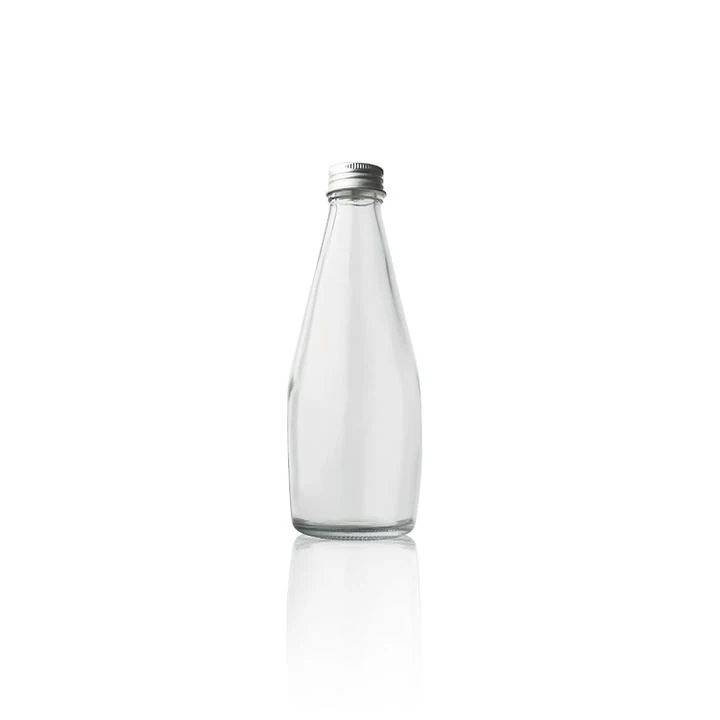
The event takes place annually in Seoul and attracts global exhibitors. Food producers, beverage brands, and packaging companies gather to explore new supply partnerships. Glass bottle suppliers often display bottles designed for premium drinks and specialty foods.
| One key highlight of the event is the showcase of new beverage products. Many startups launch craft drinks or functional beverages during the exhibition. These brands often look for customized glass packaging to build a strong brand image. | Event | Date | Location | Highlights |
|---|---|---|---|---|
| Korea Pack | Biennial | Goyang, South Korea | Packaging technology and materials | |
| Seoul Food & Hotel | Annual | Seoul, South Korea | Food and beverage innovation |
Part 4: Impact of Global Trade Policies
Global trade policies play a major role in Korea’s glass bottle manufacturing industry. International trade agreements help Korean packaging companies export bottles to many countries. These agreements reduce tariffs and simplify cross-border logistics.
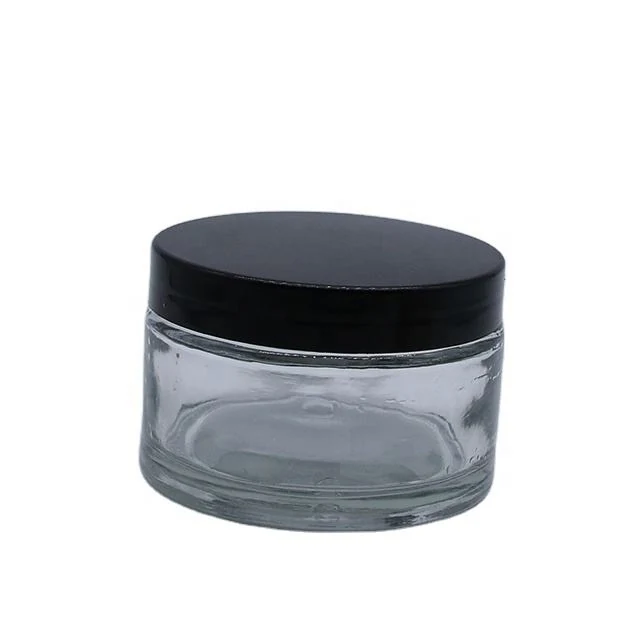
However, the industry also faces challenges from supply chain changes. Energy costs and raw material prices can affect glass production. Since glass manufacturing requires high temperatures, energy efficiency becomes an important factor.
Another issue is global competition. Manufacturers from China, Europe, and Southeast Asia all compete in the glass container market. Korean companies often respond by focusing on technology, automation, and premium packaging design.
Local production has also gained attention in recent years. Some beverage brands prefer domestic bottle suppliers to avoid shipping delays. This trend supports Korean manufacturers while strengthening supply chain stability.
Part 5: Conclusion
The glass bottle manufacturing sector in Korea continues to grow with the country’s strong beverage and cosmetics industries. Demand for sustainable and premium packaging supports the use of glass containers. Manufacturers that invest in technology, recycling systems, and custom design capabilities are likely to remain competitive in global markets.
At the same time, the industry faces several challenges. Energy costs, global competition, and changing supply chains can affect production stability. Companies must balance efficiency, innovation, and sustainability to maintain long-term growth in the international packaging market.