Skip to content
Part 1: Market Size and Growth
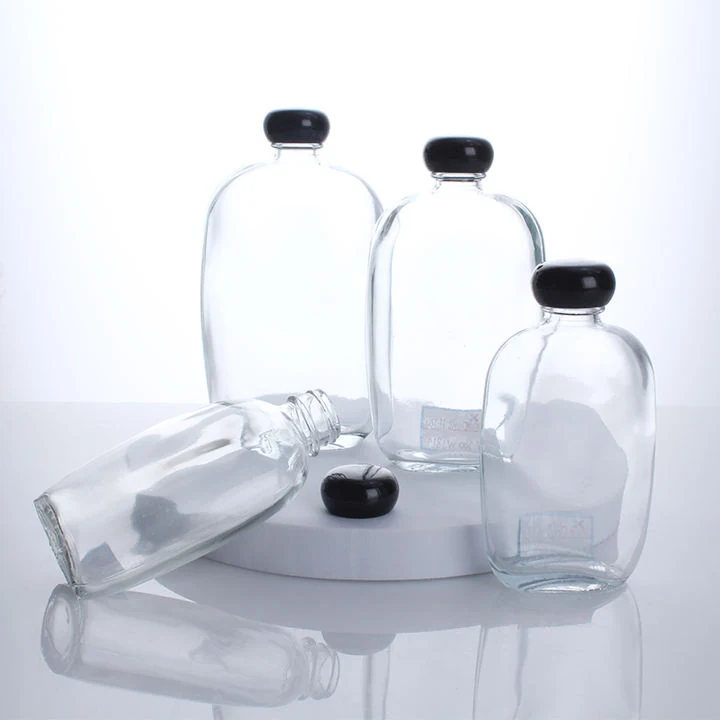
Indonesia has one of the largest consumer markets in Southeast Asia. Its glass bottle industry grows together with the beverage, food, and pharmaceutical sectors. Glass packaging remains popular because it protects flavor, keeps products safe, and supports recycling goals. Many Indonesian beverage brands still prefer glass bottles for premium drinks and traditional products.

The demand for glass bottles in Indonesia comes mainly from beer, soft drinks, sauces, cooking oils, and pharmaceuticals. The country has a large population and a fast-growing middle class. These factors increase consumption of packaged beverages and food products.
Government policies and environmental awareness also influence the market. Indonesia has started promoting circular economy practices and better recycling systems. Glass fits well into these goals because it can be recycled many times without losing quality. Local manufacturers continue to expand production capacity to meet both domestic demand and export opportunities.
Key Drivers of Indonesia’s Glass Bottle Market
Indonesia’s packaging industry reflects the country’s growing economy and expanding consumer market. As more people move into cities and purchase packaged food and drinks, the demand for reliable packaging materials increases.
| Market Driver | Impact on Glass Bottle Demand |
|---|---|
| Population growth | Higher consumption of beverages and packaged food |
| Beverage industry expansion | Increased demand for beer, tea, and soft drink bottles |
| Food processing growth | More glass containers for sauces and condiments |
| Sustainability trends | Greater interest in recyclable materials |
The beverage sector remains the largest consumer of glass bottles in Indonesia. Beer brands, traditional herbal drinks, and bottled tea products rely heavily on glass containers. Glass bottles preserve flavor and protect products from contamination, which is important for both safety and brand trust.
Food producers also contribute to strong demand. Indonesian cuisine uses many sauces, spices, and condiments. These products often require containers that can resist acidity and maintain freshness.
Cosmetics and pharmaceutical sectors also support industry growth. Glass packaging is commonly used for medicine bottles, serum containers, and perfume bottles. These industries value glass for its chemical stability and premium appearance.
Manufacturers continue to invest in modern furnaces and automated production lines. These investments help companies improve efficiency while maintaining product consistency. Over time, the industry is expected to grow alongside Indonesia’s expanding consumer economy.
Part 2: Leading Companies
Asahimas Flat Glass (Packaging Division)

Asahimas Flat Glass is one of Indonesia’s most well-known glass producers. The company was established in 1971 and operates several large production facilities in the country. While widely known for flat glass, the company also produces glass containers and packaging products.
The company manufactures glass bottles used in beverages, food products, and pharmaceuticals. Its production facilities use advanced melting furnaces and automated molding equipment. These systems help ensure consistent quality and high production efficiency.
Asahimas serves industries such as beer brewing, soft drinks, cosmetics, and pharmaceuticals. Large beverage companies often rely on its production capacity to support nationwide distribution.
Innovation focuses on energy-efficient furnace systems and sustainable production practices. The company also integrates recycled glass materials into manufacturing to reduce environmental impact.
Mulia Industrindo

Mulia Industrindo is another major glass manufacturer in Indonesia. The company was founded in 1986 and has become a large industrial group involved in several types of glass production.
The company produces glass containers for food packaging, beverages, and household products. Its manufacturing facilities use automated forming machines that allow high-volume bottle production.
Industries served include beverage bottling companies, food processing businesses, and consumer product manufacturers. Many regional brands rely on the company for reliable packaging supply.
Mulia Industrindo focuses on improving production efficiency and expanding manufacturing capacity. Investments in modern furnace technology allow the company to increase output while lowering energy consumption.
The company has obtained several international certifications related to manufacturing quality and environmental standards.
Pabrik Kaca PT Iglass

PT Iglass is one of Indonesia’s largest glass container manufacturers. The company has built a strong reputation for supplying bottles to beverage and food industries.
Its product range includes beer bottles, beverage containers, and glass jars. These containers are designed for durability and compatibility with automated filling lines used by large beverage producers.
PT Iglass serves industries such as brewing, food processing, and consumer packaged goods. Many well-known beverage brands depend on its bottles for their products.
The company focuses on improving bottle durability and lightweight design. These improvements help reduce transportation costs while maintaining product strength.
PT Iglass also works on recycling initiatives to increase the use of cullet, which is recycled glass used as raw material in production.
Company Comparison
| Company | Founded | Core Products | Industries | Certifications |
|---|---|---|---|---|
| Asahimas Flat Glass | 1971 | Glass containers, packaging bottles | Beverage, pharma, cosmetics | ISO quality standards |
| Mulia Industrindo | 1986 | Glass bottles and containers | Beverage, food, consumer goods | ISO environmental standards |
| PT Iglass | 1956 | Beer bottles, beverage containers | Brewing, food processing | Manufacturing quality certifications |
Structure of the Indonesian Glass Bottle Industry
Indonesia’s glass bottle industry combines large industrial producers with smaller specialized manufacturers. The largest companies operate high-capacity furnaces and automated production lines. These factories can produce millions of bottles each day.
Large beverage companies depend on these high-volume manufacturers. Beer brands, soda producers, and bottled tea companies require stable bottle supply for nationwide distribution. Automated forming machines ensure bottles have consistent size and strength.
Smaller manufacturers often focus on niche markets. These companies may produce specialty bottles for craft beverages, cosmetics, or premium packaging. Their advantage lies in flexibility and the ability to produce unique bottle shapes.
Quality control is a key priority for all manufacturers. Bottles must meet strict standards for thickness, strength, and sealing performance. Poor bottle quality can lead to breakage during filling or transportation.
Environmental sustainability is becoming more important in the industry. Manufacturers are increasing the use of recycled glass materials and improving furnace efficiency. These efforts reduce energy use and lower carbon emissions.
Part 3: Trade Shows and Industry Events
Allpack Indonesia
Allpack Indonesia is one of the largest packaging and processing exhibitions in Southeast Asia. The event focuses on packaging technology, machinery, and materials used across many industries.
The exhibition takes place annually in Jakarta. It attracts packaging manufacturers, food producers, beverage companies, and international buyers.
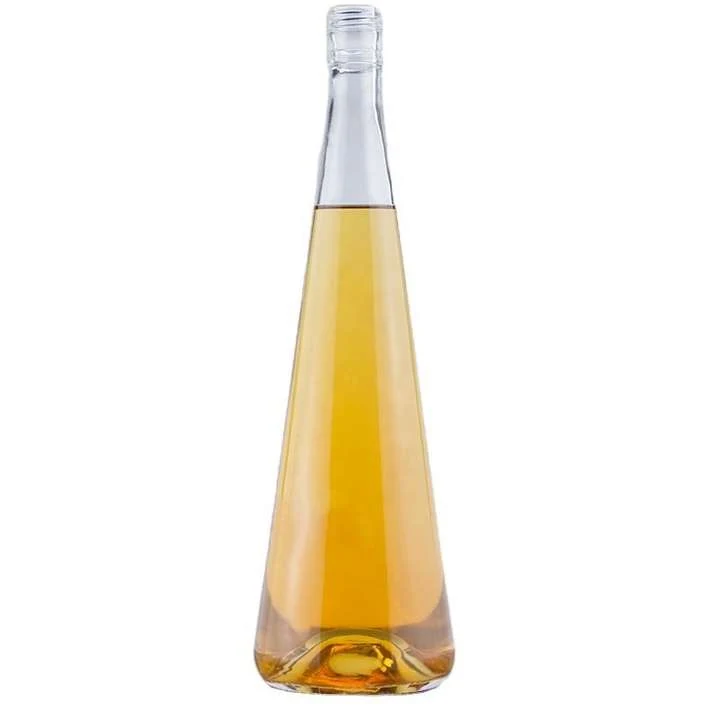
Glass bottle manufacturers often attend the exhibition to showcase new packaging solutions. These solutions include lightweight bottle designs, decorative finishes, and improved recycling technologies.
Manufacturing Indonesia Expo
Manufacturing Indonesia Expo is another major industry event that highlights industrial technology and manufacturing equipment. The exhibition covers machinery used in production processes, including glass manufacturing equipment.
The event usually takes place in Jakarta and attracts companies from across Asia and Europe. Glass bottle manufacturers attend to explore new furnace systems, molding machines, and automation technologies.
These events provide opportunities for collaboration between equipment suppliers and packaging manufacturers. They also help companies stay updated on the latest production technologies.
Industry Event Summary
| Event | Date | Location | Highlights |
|---|---|---|---|
| Allpack Indonesia | Annual | Jakarta, Indonesia | Packaging technology and materials |
| Manufacturing Indonesia Expo | Annual | Jakarta, Indonesia | Industrial machinery and automation |
Part 4: Impact of Global Trade Policies
Global trade policies influence Indonesia’s glass bottle manufacturing industry in several ways. Tariffs, trade agreements, and environmental regulations can affect production costs and export opportunities. Many Indonesian manufacturers supply bottles to beverage companies operating across Southeast Asia.
Regional trade agreements in Asia help manufacturers access international markets more easily. Lower tariffs make it possible to export glass bottles and packaging materials to neighboring countries.
However, global economic changes can create supply chain challenges. Raw materials such as silica sand and soda ash may be affected by price fluctuations and shipping costs.
Energy prices also influence the glass industry. Glass furnaces operate at very high temperatures and require continuous energy supply. Rising energy costs can significantly increase production expenses.
Raw Materials and Supply Chain Risks
Glass bottle manufacturing depends on stable access to raw materials. Silica sand, limestone, and soda ash form the basic ingredients used in glass production.
Indonesia has domestic sources of silica sand, which helps support local manufacturing. However, other materials may still rely on international suppliers.
Shipping delays or trade restrictions can affect supply stability. Manufacturers must plan carefully to maintain steady production.
Many companies now build long-term partnerships with raw material suppliers. These partnerships help reduce the risk of shortages or sudden price increases.
Export Opportunities in Southeast Asia
Indonesia’s location in Southeast Asia creates strong export opportunities. Many neighboring countries have growing beverage and food industries.
Glass bottle manufacturers can supply packaging to breweries, beverage companies, and food producers across the region. These markets continue to expand as consumer demand grows.
Premium beverage brands also seek unique bottle designs that support brand identity. Manufacturers that offer custom bottle shapes and decorative finishes can capture these opportunities.
Technology upgrades also help companies compete internationally. Modern furnaces, automation systems, and quality inspection equipment improve production efficiency and product consistency.
Part 5: Conclusion
Indonesia’s glass bottle manufacturing industry continues to grow alongside the country’s expanding consumer economy. Beverage, food, and pharmaceutical industries create steady demand for reliable packaging materials. Glass remains a preferred option because it is recyclable, durable, and suitable for premium products.
At the same time, manufacturers must manage rising energy costs, supply chain risks, and global competition. Companies that invest in modern technology, recycling systems, and efficient production will have stronger long-term advantages. As Southeast Asia’s consumer market grows, Indonesia’s glass bottle industry will likely play an increasingly important role in regional packaging supply.