
Part 1: Market Size and Growth
Cambodia’s glass bottle industry is still developing, but demand has increased steadily in recent years. The country’s beverage, food processing, and hospitality sectors are expanding with economic growth and tourism recovery. Glass bottles remain a trusted packaging choice because they protect product flavor and present a premium image.
Local beverage brands, breweries, and food producers rely on glass containers for packaging. At the same time, many companies import glass bottles from neighboring countries such as Thailand, Vietnam, and China.
Key Demand Drivers in Cambodia
Cambodia’s beverage sector is the largest user of glass bottles. Beer brands, soft drink producers, and bottled beverages rely on glass packaging for durability and reuse. In Cambodia, refillable glass bottles remain common for beer and soda because they reduce packaging costs.
The hospitality industry also supports glass bottle demand. Hotels, restaurants, and cafés use glass containers for water, sauces, and specialty drinks. Tourism growth has increased demand for premium beverage packaging in the country’s urban centers.
Food processing companies form another part of the market. Glass jars are often used for sauces, condiments, and preserved foods. These products benefit from glass packaging because it prevents chemical reactions and maintains flavor stability.
| Application Sector | Typical Products | Packaging Needs |
|---|---|---|
| Beer & Beverage | Beer, soda, flavored drinks | Reusable and durable bottles |
| Food Processing | Sauces, condiments, pickled foods | Airtight preservation |
| Hospitality | Drinking water, syrups | Clean and premium presentation |
| Cosmetics | Perfume and skincare containers | High clarity and design |
Industrial Development and Supply Chain
Cambodia’s manufacturing base is growing, but the glass bottle industry remains limited compared with neighboring countries. Many beverage companies operate bottling facilities locally while sourcing glass bottles from regional suppliers. This supply chain structure allows companies to maintain stable production even without large domestic glass factories.
Industrial zones around Phnom Penh and Sihanoukville have attracted new manufacturing investments. These areas offer improved infrastructure, logistics networks, and access to ports. As a result, packaging suppliers and distributors have expanded their presence in the Cambodian market.
Government policies also encourage foreign investment in manufacturing sectors. Packaging production, including glass containers, benefits from these incentives. The government hopes to increase domestic production capacity and reduce reliance on imports.
Sustainability and Refillable Bottle Culture
One interesting feature of Cambodia’s glass bottle market is the continued use of refillable bottles. Many beer brands and beverage producers collect empty bottles from retailers and reuse them after cleaning and sterilization. This system reduces packaging waste and lowers production costs.
Refillable glass bottles are widely accepted by both businesses and consumers. Beverage companies often create standardized bottle designs that can be reused multiple times. This approach helps reduce environmental impact and supports circular packaging systems.
At the same time, sustainability discussions are growing in Southeast Asia. Governments and companies are encouraging recyclable packaging materials. Glass bottles fit well into these policies because they can be recycled indefinitely without losing quality.
Part 2: Leading Companies
Khmer Beverages Glass Packaging Division
Khmer Beverages operates one of the largest beverage production networks in Cambodia. The company is widely known for producing beer and bottled beverages for the local market. Its packaging operations rely heavily on glass bottles for beer and specialty drinks.
The company works with large-scale bottling lines designed for high production capacity. Glass bottles used in these operations must meet strict durability standards because many are reused multiple times. This requirement influences bottle thickness and structural design.
Khmer Beverages serves breweries, beverage distributors, and hospitality channels across Cambodia. Many restaurants and retail outlets sell drinks packaged through its bottling systems. This network helps maintain stable demand for glass bottles in the country.
The company also focuses on packaging efficiency and quality control. Automated inspection systems check bottle integrity before filling. These measures reduce breakage and ensure safe beverage packaging.
Cambodia Beverage Company Ltd.

Cambodia Beverage Company Ltd. is another important player in the country’s beverage packaging sector. The company produces bottled water, energy drinks, and flavored beverages for domestic and export markets.
Its production lines rely on a combination of glass and other packaging materials. Glass bottles are often used for premium beverage products and specialty drinks. These bottles help create a higher-end appearance on store shelves.
The company serves beverage retailers, supermarkets, and hospitality businesses. Its distribution network reaches major cities and tourism areas across Cambodia. This reach increases the demand for reliable packaging supply.
Technological upgrades have been introduced to improve production efficiency. Modern bottling equipment and inspection systems help ensure consistent packaging quality. These improvements also support compliance with food safety standards.
Chip Mong Insee Packaging Solutions
Chip Mong Insee Packaging Solutions operates as part of a larger Cambodian industrial group. The company provides packaging materials and logistics solutions for manufacturers and distributors in the region.
Its packaging services include glass containers used in food, beverage, and hospitality sectors. Many businesses rely on the company’s distribution network to access imported glass bottles from regional suppliers.
The company works with food producers, beverage companies, and retail brands. These clients require consistent packaging supply and reliable logistics services. The company’s regional connections help maintain steady availability of glass containers.
| Innovation efforts focus on improving packaging efficiency and supply chain management. The company invests in modern warehousing and distribution systems. These improvements help reduce delays and maintain stable packaging supply for manufacturers. | Company | Founded | Core Products | Industries | Certifications |
|---|---|---|---|---|---|
| Khmer Beverages | 2010s | Beer bottles, beverage containers | Beverage, hospitality | Food safety certification | |
| Cambodia Beverage Company Ltd. | 2000s | Bottled drinks and glass packaging | Beverage, retail | Quality management certification | |
| Chip Mong Insee Packaging Solutions | 2010s | Glass containers and packaging supply | Food, beverage, logistics | Industrial quality standards |
Part 3: Trade Shows and Industry Events
Cambodia International Industry Fair
The Cambodia International Industry Fair is one of the country’s largest manufacturing exhibitions. The event brings together industrial equipment suppliers, packaging companies, and manufacturing businesses.

The exhibition usually takes place in Phnom Penh and attracts participants from across Southeast Asia. Packaging manufacturers attend to display new materials, containers, and processing equipment.
Glass packaging suppliers often use the event to meet beverage companies and food producers. These meetings help establish supply partnerships and introduce new packaging solutions to the Cambodian market.
Cambodia Food & Hotel Expo
The Cambodia Food & Hotel Expo focuses on hospitality, food production, and beverage industries. The exhibition connects restaurants, hotels, and food suppliers with packaging manufacturers.
The event is held annually in Phnom Penh and attracts international exhibitors. Beverage brands, food processors, and equipment suppliers attend to showcase new products and services.
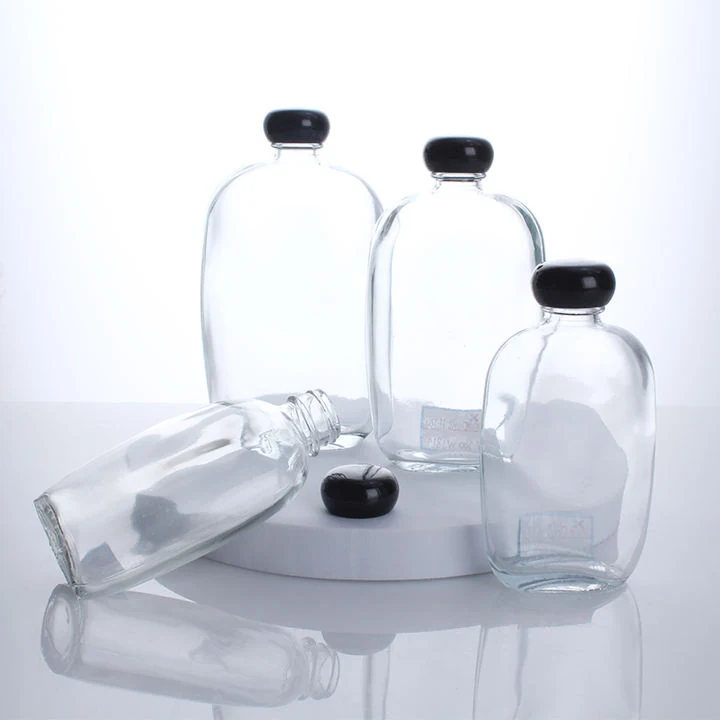
| Glass bottle suppliers often display containers designed for premium drinks and specialty food products. Hospitality businesses look for packaging solutions that enhance product presentation and brand image. | Event | Date | Location | Highlights |
|---|---|---|---|---|
| Cambodia International Industry Fair | Annual | Phnom Penh, Cambodia | Industrial manufacturing and packaging technologies | |
| Cambodia Food & Hotel Expo | Annual | Phnom Penh, Cambodia | Food, beverage, and hospitality innovation |
Part 4: Impact of Global Trade Policies
Global trade policies play a major role in Cambodia’s glass bottle supply chain. The country imports many packaging materials from neighboring Asian markets. Trade agreements within the ASEAN region help reduce tariffs and simplify cross-border trade.
These agreements allow Cambodian companies to source glass bottles from countries such as Thailand, Vietnam, and China. Lower tariffs make it easier for beverage producers to maintain stable packaging costs.
However, global shipping disruptions and energy price changes can affect glass container supply. Since glass production requires high temperatures, energy costs directly influence manufacturing prices.
Regional competition also shapes the market. Large glass manufacturers in neighboring countries often supply bottles to Cambodian beverage companies. Local distributors and packaging suppliers must maintain reliable logistics networks to remain competitive.
Supply chain resilience has become a priority for many businesses. Companies are exploring local packaging production to reduce dependence on imports. This trend could encourage future investment in Cambodia’s glass manufacturing sector.
Part 5: Conclusion
Cambodia’s glass bottle industry remains in an early stage of development. However, strong demand from beverage, food, and hospitality sectors continues to support market growth. Glass bottles remain an important packaging material because they offer durability, recyclability, and a premium appearance.
Future opportunities may come from industrial investment and regional trade partnerships. As Cambodia’s manufacturing sector expands, the country may gradually increase domestic glass production capacity. At the same time, businesses must manage challenges such as supply chain dependency, energy costs, and international competition.