Skip to content
Part 1: Market Size and Growth
The Maldives is a small island nation in the Indian Ocean, yet its packaging demand is closely connected with tourism, hospitality, and imported consumer goods. The country welcomes millions of tourists each year, and hotels, resorts, and restaurants rely heavily on packaged beverages and food products. Glass bottles are widely used in premium hospitality environments because they provide a clean appearance and preserve beverage quality.
Unlike large industrial economies, the Maldives has limited heavy manufacturing. Most glass bottles used in the country are imported from international suppliers. However, local bottling and distribution operations still play an important role in the packaging supply chain. These businesses manage the filling, labeling, and distribution of beverages throughout the islands.
Tourism is the strongest driver of glass bottle demand in the Maldives. Luxury resorts serve bottled water, wine, spirits, and specialty beverages every day. Many high-end hotels prefer glass bottles over plastic because they support sustainability goals and premium presentation standards.
The beverage sector is therefore one of the largest consumers of glass containers. Bottled water companies, soft drink distributors, and alcohol importers all require reliable bottle supply. Glass packaging helps maintain product quality and provides a refined appearance that matches the expectations of international tourists.
Food packaging also contributes to glass bottle usage. Restaurants and food producers package sauces, oils, and specialty ingredients in glass containers. These containers protect flavor and maintain food safety during storage and transportation.
The Maldivian government also promotes environmental protection and sustainable tourism. Many resorts aim to reduce plastic waste by switching to reusable or recyclable packaging. Glass bottles fit well within these sustainability strategies because they can be reused and recycled repeatedly.
Main Sources of Glass Bottle Demand
| Sector | Typical Products | Reason for Using Glass |
|---|---|---|
| Tourism & Hospitality | Bottled water, wine, spirits | Premium presentation |
| Beverage Industry | Mineral water, soft drinks | Flavor protection |
| Food Service | Sauces, oils, condiments | Safety and shelf life |
| Cosmetics & Spa Products | Essential oils, fragrances | Brand value |
Another factor supporting the glass bottle market is the growth of local beverage brands. Some Maldivian businesses produce flavored drinks, coconut-based beverages, and specialty bottled water. These products often target tourists who want authentic local experiences.
In such cases, glass bottles become part of the brand story. Clear bottles show the natural color of drinks and communicate quality. For premium hospitality markets, packaging design often influences consumer perception as much as the product itself.
Part 2: Leading Companies
State Trading Organization (STO)
State Trading Organization, commonly known as STO, is one of the largest commercial entities in the Maldives. The company plays a central role in importing and distributing essential goods throughout the country. Packaging materials, including glass bottles, are often handled through STO’s supply networks.
The company supports beverage distribution and packaging supply for local businesses. Resorts, supermarkets, and restaurants depend on reliable import channels to obtain bottled beverages and packaging materials. STO’s logistics infrastructure helps ensure that these products reach islands across the archipelago.
In addition to distribution, STO supports industries that rely on packaging materials. Bottled water companies, food producers, and hospitality businesses all benefit from the company’s supply chain capabilities.
The organization manages storage, transportation, and wholesale distribution. These services are critical because the Maldives consists of many islands separated by long distances. Efficient logistics allow glass bottles and beverages to reach remote resorts and communities.
Male’ Bottling Company

Male’ Bottling Company is one of the key beverage producers in the Maldives. The company focuses on producing bottled water, soft drinks, and other beverages for both residents and tourists. Bottling operations require reliable packaging materials, including glass bottles for certain product lines.
The company operates filling facilities where beverages are processed and packaged before distribution. Bottling lines are designed to maintain hygiene and ensure product safety. Glass bottles are commonly used for premium beverages and products sold in hotels and restaurants.
Male’ Bottling Company distributes its products across the islands. Hotels, resorts, and retail outlets rely on its beverages for daily consumption. Reliable packaging supply is therefore essential to maintain consistent production.
The company also follows quality control systems that ensure beverage safety and packaging durability. Glass bottles help maintain carbonation and protect beverages from contamination.
Island Beverage Supply Network
Because the Maldives does not have large-scale glass manufacturing, regional packaging suppliers play an important role. Island beverage supply networks distribute imported glass bottles and packaging materials to businesses throughout the country.
These suppliers import glass containers from manufacturing hubs in Asia and other regions. Bottles are then transported to local bottling companies and beverage distributors. Different bottle shapes and sizes are available depending on the needs of beverage producers.
Some suppliers also provide packaging accessories such as caps, labels, and cartons. These integrated solutions help businesses manage their packaging needs more efficiently.
Logistics is especially important in the Maldives because products must be shipped between islands. Suppliers coordinate transportation schedules to ensure that packaging materials arrive on time. Reliable supply networks allow beverage producers to maintain stable operations even in a geographically complex environment.
Company Comparison
| Company | Founded | Core Products | Industries | Certifications |
|---|---|---|---|---|
| State Trading Organization | 1960s | Distribution of consumer goods | Logistics, beverage supply | National quality standards |
| Male’ Bottling Company | Modern beverage producer | Bottled water and soft drinks | Beverage industry | Food safety standards |
| Island Beverage Supply Network | Regional distributors | Glass bottles and packaging materials | Packaging supply | Industrial supply standards |
Part 3: Trade Shows and Industry Events
Hotel Asia Exhibition & International Culinary Challenge
The Hotel Asia Exhibition is one of the most important hospitality events in the Maldives. The exhibition focuses on hotel equipment, food products, and hospitality services. Packaging suppliers and beverage brands often participate in the event.
The exhibition usually takes place in Malé and attracts hotel operators, chefs, and hospitality professionals. Resorts and restaurants explore new products and technologies that can improve guest experiences.
Beverage suppliers often showcase bottled drinks during the event. Glass bottles are frequently used for premium beverages presented to hotel buyers and restaurant managers.
Packaging design becomes a key marketing element at the exhibition. Attractive glass containers help products stand out in competitive hospitality markets. This highlights how packaging plays a direct role in tourism-driven economies.
Maldives Food & Hospitality Expo
The Maldives Food & Hospitality Expo is another important event for the country’s tourism and food industries. The expo gathers food producers, beverage companies, hotel operators, and suppliers.
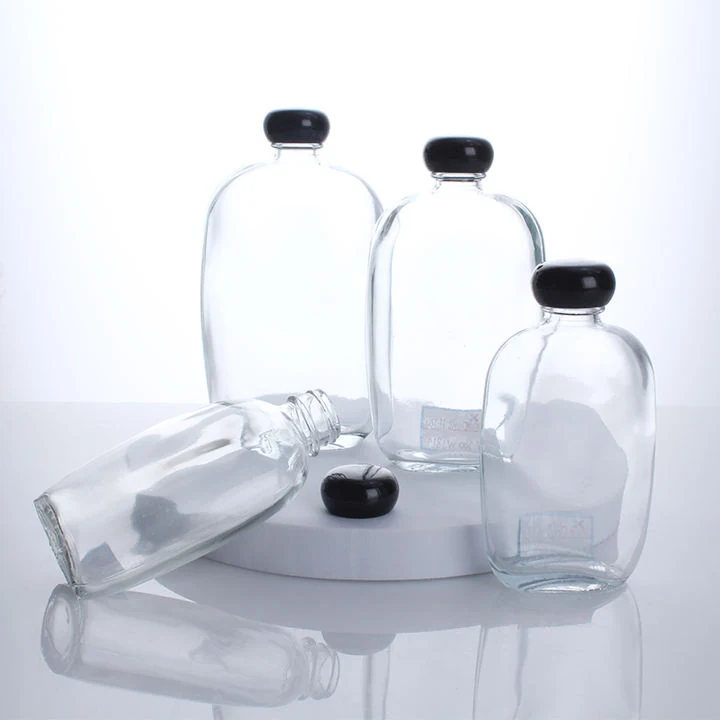
The event showcases new food products, beverage brands, and hospitality equipment. Packaging suppliers often participate by presenting bottles, jars, and labeling technologies.
Many beverage companies introduce new drinks during the expo. These products often use glass packaging because it enhances the premium image of beverages served in resorts.
Networking opportunities are also a major feature of the event. Producers meet distributors and hotel managers who may become long-term customers. Strong relationships between beverage suppliers and hospitality businesses help maintain stable demand for glass bottles.
Event Summary
| Event | Date | Location | Highlights |
|---|---|---|---|
| Hotel Asia Exhibition | Annual | Malé | Hospitality equipment and beverage products |
| Maldives Food & Hospitality Expo | Annual | Malé | Tourism-driven food and beverage industry |
Part 4: Impact of Global Trade Policies
Global trade policies strongly influence the glass bottle market in the Maldives. Because the country imports most industrial goods, shipping routes and trade agreements play a major role in packaging supply chains.

Glass bottles used by Maldivian beverage companies are usually imported from manufacturing centers in Asia. Shipping logistics therefore affect the availability and cost of packaging materials. Delays in maritime transport may disrupt supply chains for bottling operations.
Import tariffs and trade regulations also affect packaging costs. Favorable trade relationships with manufacturing countries help maintain stable supply routes for glass containers.
Environmental policies are another factor shaping packaging choices. The Maldives places strong emphasis on sustainability due to its fragile marine environment. Many resorts aim to reduce plastic waste by switching to reusable glass bottles.
Tourism growth also influences the packaging market. As the number of visitors increases, demand for bottled beverages grows as well. Hotels and restaurants require consistent supply of glass containers to serve guests.
Key Trade Factors
| Factor | Impact on Glass Bottle Market |
|---|---|
| Shipping logistics | Influence supply reliability |
| Import regulations | Affect packaging costs |
| Environmental policies | Encourage reusable bottles |
| Tourism growth | Increase beverage demand |
Part 5: Conclusion
The glass bottle market in the Maldives is shaped largely by tourism and hospitality industries. Hotels, resorts, and restaurants require high-quality packaging for beverages served to international guests. Glass bottles remain a preferred option because they combine premium appearance with sustainability benefits.
Although the country does not have large-scale glass manufacturing, local bottling companies and import networks maintain stable supply chains. Future growth in tourism and hospitality will likely increase demand for bottled beverages and food products. Businesses that build efficient logistics systems and adopt sustainable packaging practices will be well positioned to support the evolving market in the Maldives.