Skip to content
Part 1: Market Size and Growth
El Salvador has a growing packaging industry that supports its beverage, food processing, and export sectors. Glass bottles play an important role in this market because many traditional and premium products rely on glass packaging. Beverage companies, breweries, and food brands prefer glass bottles for quality preservation and brand image.
The country’s manufacturing sector is smaller compared with larger Latin American economies, but it continues to expand through regional trade and domestic consumption. El Salvador sits in a strategic position in Central America, which allows manufacturers to serve nearby markets such as Guatemala, Honduras, and Nicaragua. Regional trade agreements also help packaging companies move products across borders more easily.

Demand for glass bottles in El Salvador mainly comes from the beverage industry. Beer, soft drinks, rum, and bottled water all require large volumes of containers. Local breweries and beverage companies rely on stable packaging suppliers to keep production running smoothly.
Food processing also contributes to the demand for glass containers. Sauces, hot peppers, fruit preserves, and honey products are often packaged in glass jars and bottles. Glass packaging protects flavor and prevents chemical interaction with acidic foods.
Another sector that uses glass containers is cosmetics and personal care. Small companies producing natural oils, perfumes, and beauty products often choose glass packaging to create a premium appearance. This combination of functional protection and aesthetic value makes glass bottles attractive across multiple industries.
Government policies in El Salvador also support industrial development and exports. Manufacturing and food processing industries receive incentives to increase production and attract foreign investment. These initiatives indirectly increase the demand for packaging materials, including glass bottles.
Key Demand Drivers in El Salvador
| Sector | Typical Products | Reason for Using Glass |
|---|---|---|
| Beverage | Beer, rum, soda, bottled water | Taste protection and premium image |
| Food Processing | Hot sauce, honey, fruit preserves | Safety and shelf stability |
| Cosmetics | Essential oils, perfumes | Branding and product appearance |
| Hospitality | Restaurant beverages | Reusable and sustainable |
Sustainability trends also support the use of glass packaging. Glass bottles can be recycled repeatedly without losing quality. Many beverage companies in Central America already use returnable glass bottles in distribution systems.
Local recycling programs help collect used bottles from restaurants and retailers. Bottles can be cleaned, refilled, and returned to the market. This reusable packaging system helps reduce waste and lowers packaging costs for beverage producers.
The combination of tourism, local consumption, and export-oriented food production ensures stable demand for glass packaging in El Salvador. As new beverage brands and craft producers emerge, the need for distinctive glass bottle designs continues to grow.
Part 2: Leading Companies
Owens-Illinois (O-I) Central America

Owens-Illinois, often known as O-I Glass, is one of the largest glass container manufacturers in the world. The company operates facilities across the Americas and supplies packaging to beverage and food companies globally. Its presence in Central America helps support regional beverage industries.
The company produces a wide range of glass containers, including beer bottles, spirits bottles, food jars, and specialty packaging. Large beverage producers depend on reliable suppliers like O-I to maintain consistent bottle quality and supply.
Many multinational beverage brands rely on O-I glass packaging for their products. The company’s production lines use modern forming technology to produce millions of bottles each year. High-speed manufacturing allows beverage companies to scale their production efficiently.
O-I also focuses on sustainability and recycling. The company promotes the use of recycled glass in bottle manufacturing. Recycled glass reduces energy consumption during production and lowers environmental impact.
Vidriera Centroamericana (VICAL)
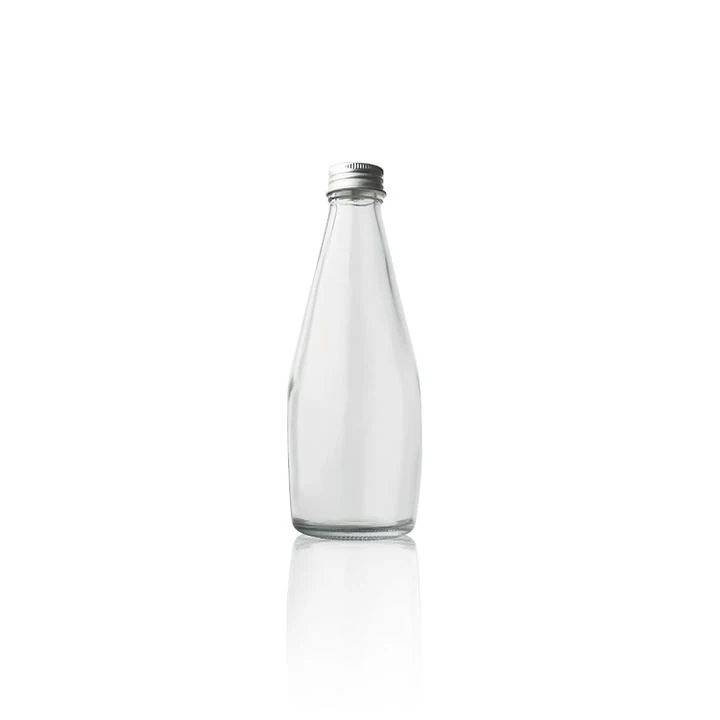
Vidriera Centroamericana, commonly known as VICAL, is one of the most important glass container manufacturers in Central America. The company operates production facilities that supply glass bottles to multiple countries in the region, including El Salvador.
VICAL produces bottles and jars for beverage, food, and pharmaceutical markets. Its product range includes beer bottles, spirits bottles, wine bottles, and food containers. Many regional beverage companies depend on VICAL as a major packaging supplier.
The company invests heavily in modern glass production technology. Advanced furnaces and forming machines help improve efficiency and maintain consistent bottle quality. Production facilities also include inspection systems that detect defects and ensure safety.
VICAL also promotes sustainable packaging practices. The company operates recycling programs that collect glass from local communities. Recycled glass is then reused in the manufacturing process to reduce raw material consumption.
Envases Universales Group
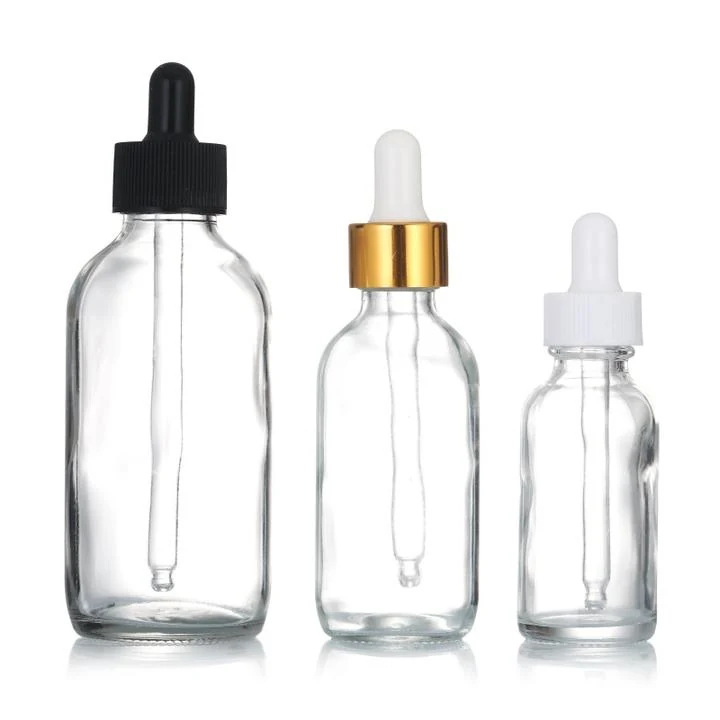
Envases Universales Group is a large packaging company operating in Latin America. Although the company produces multiple types of packaging materials, glass containers remain an important segment of its business.
The company supplies glass bottles for beverages, sauces, and other consumer products. It works with food producers, beverage companies, and retail brands across the region. Its packaging solutions support both large multinational companies and smaller regional brands.
Envases Universales also offers design and customization services. Some beverage companies request unique bottle shapes to strengthen brand identity. The company therefore collaborates with clients to develop custom glass packaging.
Innovation and efficiency are key elements of the company’s strategy. It invests in improved production technologies and energy-efficient furnaces. These upgrades help maintain competitiveness in the global packaging market.
Company Comparison
| Company | Founded | Core Products | Industries | Certifications |
|---|---|---|---|---|
| Owens-Illinois | 1903 | Beverage bottles and food jars | Beverage, food | ISO quality systems |
| VICAL | 1964 | Beer bottles and glass containers | Beverage, pharmaceutical | ISO manufacturing standards |
| Envases Universales | 1960s | Glass and metal packaging | Beverage, food | International quality certifications |
Part 3: Trade Shows and Industry Events
Expo Industria El Salvador
Expo Industria El Salvador is an important industrial exhibition that highlights manufacturing sectors in the country. Packaging companies often participate to present new materials, technologies, and production solutions.

The event typically takes place in San Salvador and attracts manufacturers, distributors, and investors. Food producers, beverage brands, and packaging suppliers attend to explore new business opportunities.
Glass packaging companies often showcase different bottle designs and packaging technologies during the exhibition. Demonstrations may include sustainable packaging solutions, recycling initiatives, and innovative container shapes.
Industry experts also discuss trends affecting manufacturing and packaging. Topics often include supply chain efficiency, sustainability practices, and digital production technologies. These discussions help companies understand how the packaging market is evolving.
Central America Food & Beverage Trade Show
This regional exhibition focuses on the food and beverage industry in Central America. Packaging suppliers play a major role in the event because food and beverage products rely heavily on reliable packaging.
The trade show attracts producers, distributors, and international buyers from across the region. Beverage companies often use the event to introduce new products and packaging designs.
Glass bottle suppliers attend to promote containers designed for beverages such as beer, wine, and soft drinks. Many companies present sustainable glass packaging options to align with environmental trends.
Networking opportunities are also an important part of the exhibition. Business meetings between packaging suppliers and beverage brands often lead to long-term supply partnerships. These relationships help stabilize packaging supply chains across the region.
Event Summary
| Event | Date | Location | Highlights |
|---|---|---|---|
| Expo Industria El Salvador | Annual | San Salvador | Manufacturing and packaging innovation |
| Central America Food & Beverage Show | Annual | Central America region | Food production and packaging trends |
Part 4: Impact of Global Trade Policies
Global trade policies strongly influence the glass bottle industry in El Salvador. Many raw materials used in glass production must be sourced from international markets. These materials include silica sand, soda ash, and energy resources.
Changes in tariffs or international trade agreements can affect production costs for glass manufacturers. Regional trade agreements in Central America help reduce barriers and facilitate the movement of goods between countries.
Energy prices are another important factor. Glass manufacturing requires extremely high temperatures to melt raw materials. Rising energy costs can therefore increase the overall cost of bottle production.
Environmental policies also influence the packaging industry. Many governments promote recycling and encourage companies to reduce plastic waste. These policies often support the use of glass packaging because glass can be recycled repeatedly.
Supply chain disruptions can also affect packaging availability. Shipping delays or shortages of raw materials may slow production. Manufacturers often respond by improving inventory management and sourcing strategies.
Key Trade Policy Factors
| Factor | Impact on Glass Bottle Industry |
|---|---|
| Regional trade agreements | Expand export opportunities |
| Energy costs | Influence production expenses |
| Environmental regulations | Encourage recyclable packaging |
| Logistics disruptions | Affect supply chain stability |
Part 5: Conclusion
The glass bottle manufacturing industry in El Salvador continues to support key sectors such as beverages, food processing, and hospitality. Reliable packaging suppliers allow beverage brands and food producers to deliver products safely and attractively. Glass bottles remain an important packaging solution because they combine durability, recyclability, and premium visual appeal.
However, the industry must also adapt to changing economic and environmental conditions. Energy costs, global supply chains, and sustainability requirements continue to influence packaging strategies. Companies that invest in modern technology, recycling programs, and innovative bottle design will be better positioned to compete in the evolving packaging market.