Skip to content

Part 1: Market Size and Growth
Australia has a long history of glass manufacturing. The packaging sector plays a key role in food, beverage, pharmaceutical, and cosmetic industries. In recent years, demand for glass bottles has grown again because brands want sustainable packaging. Glass is recyclable, safe for food, and gives products a premium feel, which helps explain why many companies return to glass.
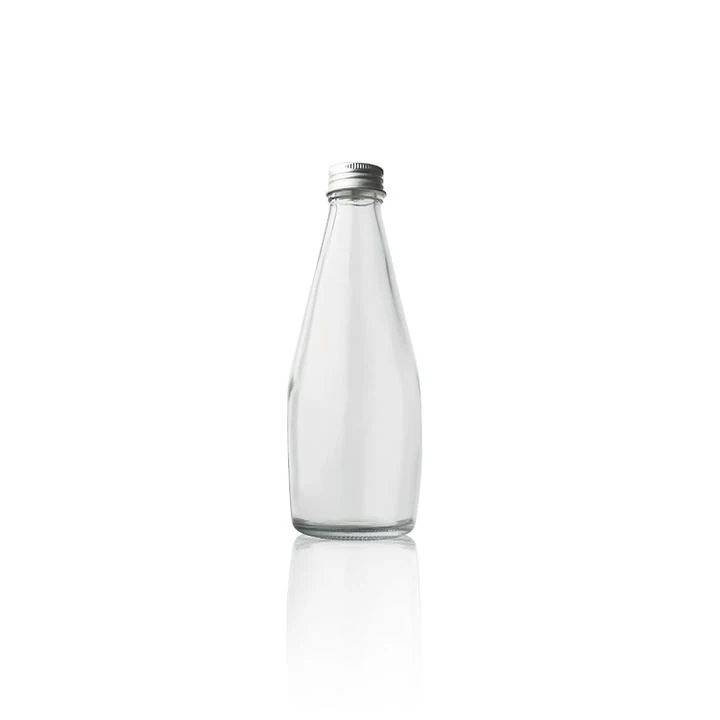
The Australian glass bottle market mainly serves wineries, craft breweries, soft drink producers, and food packaging companies. Wine exports are especially important. Australia is one of the world's major wine exporters, so glass bottles remain essential to that supply chain. At the same time, the craft beverage movement has created new demand for custom bottles, smaller batch production, and unique designs.
Government policy and industrial investment also shape this market. Environmental regulations encourage recyclable packaging and reduce plastic waste. Local governments support recycling infrastructure and circular manufacturing. Because of this trend, glass packaging is gaining attention again as a long-term sustainable solution. Large manufacturers invest in energy-efficient furnaces and recycling systems to reduce carbon emissions.
Market Drivers Behind Glass Bottle Demand
Several forces continue to push demand for glass bottles in Australia. These forces come from consumer habits, export industries, and sustainability policies.
| Driver | Description | Industry Impact |
|---|---|---|
| Wine Industry | Australia exports large volumes of wine globally | Strong demand for wine bottles |
| Craft Beverage Growth | Craft beer, spirits, and specialty drinks expand | More custom bottle designs |
| Sustainability Policies | Governments limit single-use plastic | Glass becomes preferred packaging |
| Premium Branding | Glass gives a high-quality brand image | Popular for cosmetics and spirits |
The wine sector deserves special attention. Australia produces wine across regions like South Australia, Victoria, and Western Australia. Export brands rely on consistent bottle supply and strict quality control. Bottle design, weight, and color also influence brand identity, especially for premium wines.
Another factor is the growth of craft beverages. Small breweries and distilleries often request customized glass bottles. They want unique shapes, embossed logos, and colored glass. These features help them stand out on retail shelves.
Sustainability and Recycling Ecosystem
Glass recycling has become a key part of Australia's packaging system. Many cities collect glass through recycling programs, and manufacturers use recycled cullet in production. This process lowers energy use and reduces raw material consumption.
| Sustainability Factor | Effect on Manufacturing |
|---|---|
| Recycled Glass Use | Reduces furnace energy consumption |
| Circular Economy Policies | Encourages local recycling systems |
| Consumer Preference | Buyers favor eco-friendly packaging |
| Brand Responsibility | Companies promote recyclable materials |
Because of these trends, glass bottle production remains stable even when other packaging types fluctuate. Manufacturers continue to modernize their facilities and improve energy efficiency. The long life cycle of glass makes it one of the most trusted packaging materials in global trade.
Part 2: Leading Companies
Orora Limited

Orora Limited is one of the most recognized packaging manufacturers connected to Australia. The company was founded in 2013 after a corporate restructuring of Amcor's packaging operations. Its headquarters are located in Melbourne, and the company focuses on packaging solutions for beverage and food industries.
The company provides a wide range of glass bottles for wine, beer, and spirits producers. Many wineries rely on Orora for consistent supply, especially during harvest seasons. Its manufacturing facilities integrate automated inspection systems to ensure bottle strength and quality.
Orora also invests in sustainable packaging innovation. The company promotes recycled glass use and energy-efficient furnace technology. These initiatives support Australia's push toward environmentally responsible packaging.
O-I Glass Australia
O-I Glass Australia is part of the global glass packaging company Owens-Illinois. The company has operated in Australia for decades and remains a major supplier of glass bottles for beverage producers. Its factories supply wine, beer, spirits, and non-alcoholic beverage markets.
The company focuses on advanced glass forming technologies and lightweight bottle design. By reducing glass weight while maintaining strength, manufacturers can lower shipping costs and energy usage. Many Australian breweries use O-I bottles for both domestic and export markets.
O-I Glass also promotes recycling partnerships with local governments. The company integrates recycled cullet into production to improve sustainability performance. These practices help the industry reduce environmental impact while maintaining production scale.
Visy Glass

Visy Glass is another key player in the Australian packaging industry. The company belongs to the Visy Group, a large packaging and recycling organization founded in Australia. Visy operates glass manufacturing facilities and recycling plants across the country.
The company produces bottles and jars mainly for beverage and food packaging industries. Its clients include breweries, wineries, and food brands that require reliable packaging supply. Visy also integrates recycling programs with manufacturing, which allows large volumes of recycled glass to return to production.
Visy invests heavily in circular economy systems. Recycling centers collect used bottles and convert them into raw material for new containers. This approach reduces landfill waste and supports sustainable packaging goals.
Company Comparison
| Company | Founded | Core Products | Industries | Certifications |
|---|---|---|---|---|
| Orora Limited | 2013 | Wine bottles, beer bottles | Beverage, food packaging | ISO quality systems |
| O-I Glass Australia | 1903 (global origin) | Beverage glass containers | Wine, beer, spirits | Environmental certifications |
| Visy Glass | 1948 | Bottles and jars | Beverage, food | Recycling and sustainability standards |
Part 3: Trade Shows and Industry Events
AUSPACK Exhibition
AUSPACK is one of the most important packaging industry events in Australia. The exhibition gathers packaging manufacturers, suppliers, and technology companies from across the Asia-Pacific region. Many glass packaging companies participate to display new bottle designs and manufacturing technologies.
The event usually takes place in Melbourne and attracts thousands of visitors from food, beverage, and logistics sectors. Manufacturers present automated production systems, sustainable packaging materials, and recycling technologies.
The exhibition also includes industry forums and technical conferences. Experts discuss packaging innovation, environmental policy, and supply chain efficiency. These discussions help manufacturers adapt to changing market demands.
FoodPro Australia
FoodPro is another influential exhibition connected to the packaging and food manufacturing industries. The event focuses on food processing, packaging equipment, and supply chain solutions.
FoodPro typically takes place every three years in major Australian cities such as Melbourne or Sydney. The exhibition attracts food brands, packaging companies, and manufacturing equipment suppliers.
Glass bottle manufacturers attend the event to connect with beverage producers and food brands. New packaging trends often appear at this show, including lightweight glass bottles and improved sealing technology.
Industry Event Summary
| Event | Date | Location | Highlights |
|---|---|---|---|
| AUSPACK | Biennial | Melbourne | Packaging innovation and automation |
| FoodPro | Every 3 years | Melbourne / Sydney | Food manufacturing and packaging solutions |
Part 4: Impact of Global Trade Policies
Global trade policies strongly affect the glass bottle industry. Many Australian beverage brands export their products to Asia, Europe, and North America. When trade agreements reduce tariffs, export opportunities grow. Glass bottle manufacturers benefit because beverage producers need reliable packaging supply for export markets.
At the same time, supply chains face new challenges. Energy costs, raw material prices, and shipping disruptions can influence glass production costs. Some manufacturers also face competition from imported glass containers produced in lower-cost regions.
Local manufacturing remains important for supply stability. When international shipping becomes expensive or slow, domestic production helps beverage companies maintain consistent packaging supply. Governments sometimes support local production to strengthen industrial resilience.
Trade Agreements and Export Markets
Australia participates in several international trade agreements that influence packaging demand.
| Agreement | Key Markets | Industry Impact |
|---|---|---|
| RCEP | Asia-Pacific region | Easier export of beverages |
| Australia-EU negotiations | Europe | Expands wine export opportunities |
| CPTPP | Pacific trade partners | Reduces tariff barriers |
Wine exports benefit strongly from these agreements. When export demand increases, wineries require large volumes of glass bottles. This demand flows directly to domestic glass manufacturers.
Supply Chain Risks
Despite these opportunities, manufacturers face several supply chain risks.
| Risk | Description | Impact |
|---|---|---|
| Energy Costs | Glass furnaces require large energy input | Production costs rise |
| Raw Materials | Sand, soda ash supply fluctuations | Affects manufacturing stability |
| Freight Costs | Shipping container price changes | Export competitiveness |
Manufacturers respond by improving furnace efficiency and increasing recycled glass usage. These strategies reduce reliance on raw materials and energy.
Part 5: Conclusion
The glass bottle manufacturing industry in Australia continues to evolve alongside beverage, food, and export markets. Sustainable packaging trends bring renewed attention to glass because it is recyclable and safe for consumers. Demand from wine producers, craft breweries, and premium beverage brands keeps the market active and competitive.
At the same time, manufacturers must manage rising energy costs, global supply chain pressure, and international competition. Companies invest in recycling systems, lightweight glass design, and modern production technology. These improvements help the industry stay efficient and environmentally responsible while meeting the needs of global beverage markets.